
Why the Right Shoes Matter for Restaurant Employees

Wearing the right shoes in the restaurant business is essential for comfort, safety, and long-term foot health. Restaurant workers spend long hours standing, walking, and moving quickly on hard and often slippery surfaces. Slip resistance is critical to help reduce the risk of falls and workplace injuries. Cushioned insoles play an important role in absorbing shock and reducing strain on the feet, knees, and lower back. Proper arch and heel support help maintain alignment and prevent fatigue, pain, and overuse injuries. Durability is also important, since restaurant shoes must withstand constant wear while remaining supportive. Additionally, cleanability matters as well, because shoes are exposed to spills, grease, and moisture throughout each shift. A podiatrist can help by evaluating foot structure, gait, and work demands to recommend appropriate footwear or custom orthotics. If foot pain is affecting your ability to work comfortably, it is suggested that you consult a podiatrist who can treat various foot and ankle conditions, and guide on appropriate work shoes to wear.

While working on the feet, it is important to take the proper care of them. For more information about working on your feet, contact Dr. Michael T. Hames from Florence Foot Center. Our doctor will treat your foot and ankle needs.

Working on Your Feet

Standing on your feet for long periods of time can cause stress and pain in your feet. Your whole body may experience change in terms of posture, back pain, bunions, callouses and or plantar warts. There are ways to avoid these conditions with proper foot care, smart choices and correct posture.

Positive Changes

Negative heeled shoe – Choosing this shoe type places the heel slightly lower than the ball of the foot. These are great for overall foot health. Find shoes that fit you correctly.

Go barefoot – Our feet were not designed to be enclosed for all hours of the day. Try to periodically expose your feet to air.

Eliminate Pain

Foot Exercises – Performing simple exercises, incorporating yoga and doing stretches are beneficial. This will allow increased blood flow to the area and muscles of the foot.

Achilles tendon – Stretching the foot out flat on the floor will relax the calf muscles and tendon. These exercises can be performed almost anywhere. Make sure you add these exercises to your daily regimen. 

With a little bit of this information and knowing more about foot health, you will notice changes. Foot stretches and proper footwear will help with pain and prevent further issues.

If you have any questions please contact our office located in Florence, Alabama . We offer the newest diagnostic and treatment technologies for all your foot and ankle needs.
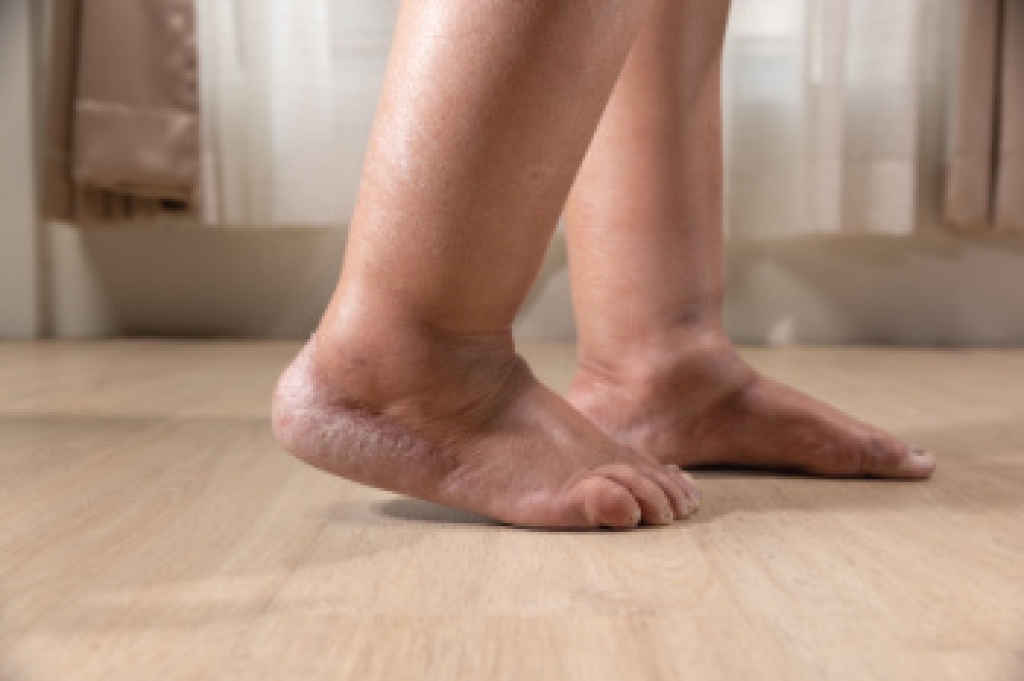
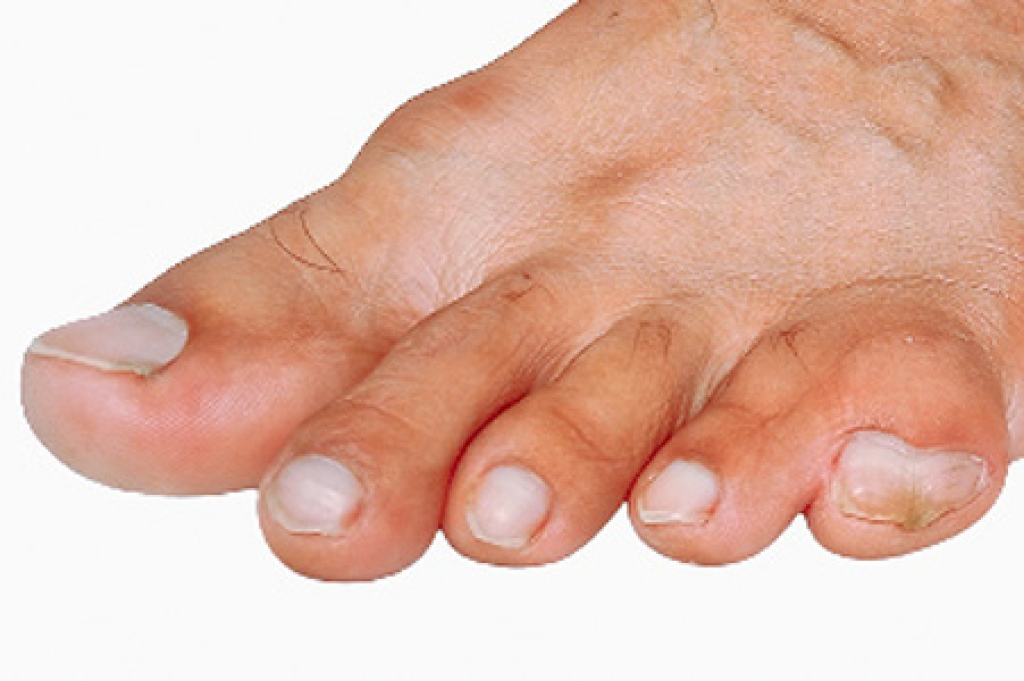
Read more about Working on Your Feet

Swollen Feet and Foot Health

Swollen feet, or edema, occur when excess fluid collects in the tissues of the feet and ankles, leading to puffiness, discomfort, and difficulty walking. While swelling can be linked to heart failure, where the heart cannot pump blood effectively, other causes include kidney or liver problems, poor circulation, prolonged standing or sitting, pregnancy, and certain medications. Recognizing the underlying cause is essential for preventing complications and maintaining mobility. A podiatrist can evaluate swelling, assess foot and ankle health, and provide treatments such as compression therapy, supportive footwear recommendations, and guidance on lifestyle changes to reduce fluid retention. If your feet are swollen, it is suggested that you consult a podiatrist who can determine what the cause is, and offer effective relief and management solutions.

Swollen feet can be a sign of an underlying condition. If you have any concerns, contact Dr. Michael T. Hames of Florence Foot Center. Our doctor can provide the care you need to keep you pain-free and on your feet.

Swollen feet are a common ailment among pregnant women and people who stand or sit for extended periods. Aging may increase the possibility of swollen feet and patients who are obese often notice when their feet are swelling too. There may be medical reasons why swollen feet occur:

  • Phlebitis - A condition that causes the veins to become inflamed and can also cause leg pain.
  • Liver disease - This may lead to low blood levels of albumin which is a protein. This can cause fluid in the blood to pass into the tissues and several areas of the body can become swollen.
  • Heart failure - When the heart doesn’t pump properly the blood that is normally pumped back to the heart can pool in the veins of the legs causing swollen feet.
  • Kidney disease - One of the main functions of the kidneys is releasing excess fluid in the body. This type of condition can make it difficult for the kidneys to function properly, and as a result the feet may become swollen.
  • Deep-vein thrombosis (DVT)- This is a serious condition where blood clots form in the veins of the legs. They can block the return of blood from the legs to the heart which may cause the feet to swell. It is important to be treated by a podiatrist if this condition is present.

Swollen feet can also be caused by bone and tendon conditions, including fractures, arthritis, and tendinitis. Additionally, there may be skin and toenail conditions and an infection may cause the feet to swell. Patients who take medicine to treat high blood pressure may be prone to getting swollen feet. 

Many patients elevate their feet to help relieve the swelling and this is generally a temporary remedy. When a podiatrist is consulted the reason behind the swelling can be uncovered and subsequently treated.

If you have any questions please contact our office located in Florence, Alabama . We offer the newest diagnostic and treatment technologies for all your foot and ankle needs.
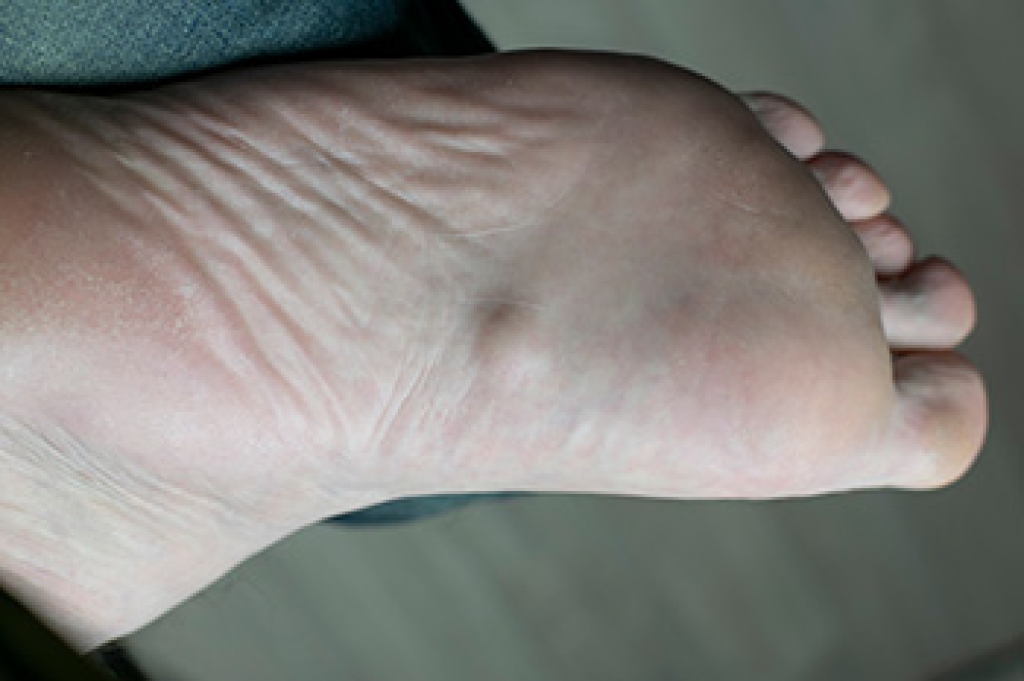
Read more about Swelling of the Feet

Surgery for Webbed Toes

Webbed toes, also known as syndactyly, occur when two or more toes are joined by skin or soft tissue. Surgery for webbed toes is designed to separate the toes and improve their appearance and function. This treatment may be needed when webbing causes discomfort, limits shoe wear, affects balance, or creates hygiene concerns between the toes. During the procedure, the podiatric surgeon carefully separates the toes and reshapes the skin to allow proper healing and movement. A podiatrist helps by evaluating the condition, discussing treatment options, performing or coordinating surgical care, and guiding recovery with wound care and targeted exercises. If webbed toes are causing pain, functional problems, or self-concern, it is suggested that you schedule a podiatry consultation to learn whether surgical correction is appropriate for you.

Foot surgery is sometimes necessary to treat a foot ailment. To learn more, contact Dr. Michael T. Hames of Florence Foot Center. Our doctor will assist you with all of your foot and ankle needs.

When Is Surgery Necessary?

Foot and ankle surgery is generally reserved for cases in which less invasive, conservative procedures have failed to alleviate the problem. Some of the cases in which surgery may be necessary include:

  • Removing foot deformities like bunions and bone spurs
  • Severe arthritis that has caused bone issues
  • Cosmetic reconstruction

What Types of Surgery Are There?

The type of surgery you receive will depend on the nature of the problem you have. Some of the possible surgeries include:

  • Bunionectomy for painful bunions
  • Surgical fusion for realignment of bones
  • Neuropathy decompression surgery to treat nerve damage

Benefits of Surgery

Although surgery is usually a last resort, it can provide more complete pain relief compared to non-surgical methods and may allow you to finally resume full activity.

Surgical techniques have also become increasingly sophisticated. Techniques like endoscopic surgery allow for smaller incisions and faster recovery times.

If you have any questions, please feel free to contact our office located in Florence, Alabama . We offer the newest diagnostic and treatment technologies for all your foot care needs.

Read more about Foot and Ankle Surgery

What Is Plantar Fibromatosis?

Plantar fibromatosis is a condition in which firm nodules form within the plantar fascia, the thick band of tissue along the bottom of the foot. These nodules can cause discomfort when standing, walking, or wearing certain shoes. The exact cause is not always clear, but genetics, repeated stress on the feet, and certain medical conditions may contribute to its development. Symptoms often include lumps in the arch, soreness, and gradual changes in foot comfort. A podiatrist can help by evaluating the nodules, recommending supportive footwear, providing orthotics, and offering treatments that reduce pressure and discomfort. If you notice lumps or pain in your arch, it is suggested that you consult a podiatrist who can address the condition early and protect your ability to move comfortably. 

A plantar fibroma may disrupt your daily activities. If you have any concerns, contact Dr. Michael T. Hames of Florence Foot Center. Our doctor can provide the care you need to keep you pain-free and on your feet.

Plantar Fibroma

A plantar fibroma is a fibrous knot in the arch of the foot. It is embedded in the plantar fascia which is a band of tissue that extends from the heel to the toes along the bottom of the foot. There can be multiple plantar fibromas in the feet at the same time. There are no known causes for this condition. If you have a plantar fibroma, there will be a bump in the arch of your foot that cannot be missed. Any associated pain is most often due to a shoe rubbing against the nodule. Non-surgical options, such as steroid injections, physical therapy, and orthotics should be tried first. Surgery is a last resort and is the only thing that will remove a plantar fibroma entirely. Consult with a podiatrist for a proper diagnosis and to determine the treatment regimen that is right for you.

What Causes a Plantar Fibroma?

While there are no specific causes identified, a plantar fibroma can possibly come from genetic predisposition or the formation of scar tissue that forms from healing the tears in the plantar fascia.

What Are the Symptoms of a Plantar Fibroma?

There will be a noticeable lump in the arch of the foot that may or may not cause pain. If pain is felt, it is typically because a shoe is rubbing up against the lump or when walking or standing barefoot.

Treatment and Prevention

A plantar fibroma will not disappear without treatment, but it can get smaller and be a non-issue. If pain persists, a podiatrist examines the foot and when the arch of the foot is pressed, pain can be felt down to the toes. An MRI or biopsy might be performed to help diagnose or evaluate the plantar fibroma. The following non-surgical options are generally enough to reduce the size and pain of these nodules:

  • Steroid injections
  • Orthotics
  • Physical therapy to help apply anti-inflammatory creams on the bump 

Surgery is considered if the mass increases in size and the patient continues to feel pain after non-surgical methods are tried.

If you have any questions, please feel free to contact our office located in Florence, Alabama . We offer the newest diagnostic and treatment technologies for all your foot care needs.

Read more about Plantar Fibroma

Plantar Warts Can Be Treated!

Plantar warts are small growths that develop on parts of the feet that bear weight. They're typically found on the bottom of the foot. Don't live with plantar warts, and call us today!

Connect With Us