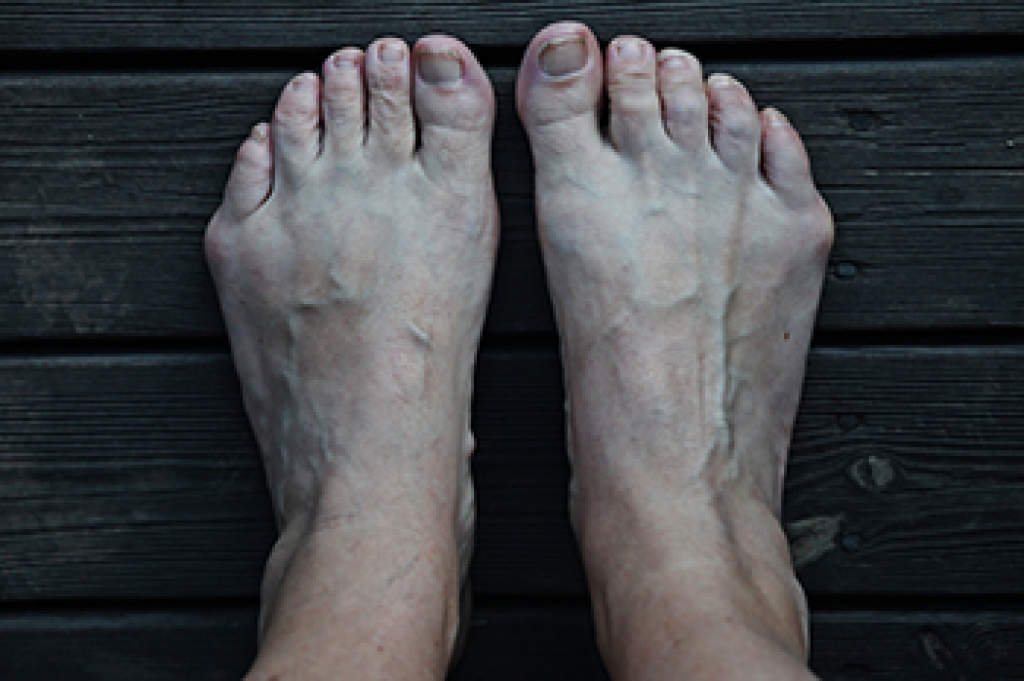
Bunionettes: The Pinky Toe Bunions

You may have heard of bunions, which sometimes pop up at the base of the big toe joint, but what is a bunionette? Bunionettes, also known as tailor’s bunions, are small, bony bumps that occur at the base of the pinky toe joints. Much like regular bunions, bunionettes can be painful, swollen, and red. Finding comfortable shoes that don’t rub up against the affected area may be difficult. Without treatment, bunionettes usually worsen over time. Fortunately, conservative treatments such as wearing wider shoes, a toe spacer, padding, and activity modifications, are often effective in managing the condition. Surgery to correct a bunionette may be beneficial for a smaller percentage of people. To learn more about bunionettes and what treatment methods are best for you, please consult with a podiatrist.

If you are suffering from bunions, contact Dr. Michael T. Hames of Florence Foot Center. Our doctor can provide the care you need to keep you pain-free and on your feet.

What Is a Bunion?

A bunion is formed of swollen tissue or an enlargement of boney growth, usually located at the base joint of the toe that connects to the foot. The swelling occurs due to the bones in the big toe shifting inward, which impacts the other toes of the foot. This causes the area around the base of the big toe to become inflamed and painful.

Why Do Bunions Form?

Genetics – Susceptibility to bunions are often hereditary

Stress on the feet – Poorly fitted and uncomfortable footwear that places stress on feet, such as heels, can worsen existing bunions

How Are Bunions Diagnosed?

Doctors often perform two tests – blood tests and x-rays – when trying to diagnose bunions, especially in the early stages of development. Blood tests help determine if the foot pain is being caused by something else, such as arthritis, while x-rays provide a clear picture of your bone structure to your doctor.

How Are Bunions Treated?

  • Refrain from wearing heels or similar shoes that cause discomfort
  • Select wider shoes that can provide more comfort and reduce pain
  • Anti-inflammatory and pain management drugs
  • Orthotics or foot inserts
  • Surgery

If you have any questions, please feel free to contact our office located in Florence, Alabama . We offer the newest diagnostic and treatment technologies for all your foot care needs.
Read more about What Are Bunions?

How to Trim Toenails

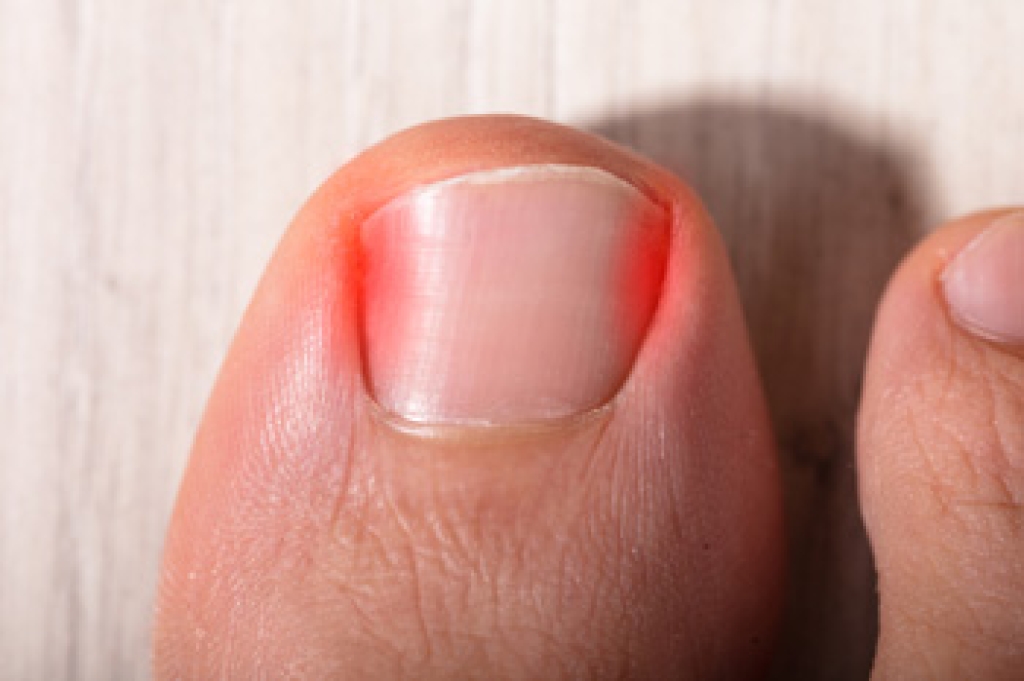
Ingrown toenails are a common and sometimes painful condition in which the edges of a nail grow into the surrounding skin instead of over it. This leads to tenderness, swelling, redness, and pain. In some cases, the area can even become infected. One of the main causes of ingrown toenails is trimming the toenails incorrectly. When you trim your toenails, you should use a nail clipper rather than scissors. Trim the nails straight across and not too short. Though it may be tempting for aesthetic reasons, do not round the edges of your toenails with clippers, scissors, or a nail file. Rounded edges make ingrown nails more likely. To complement your properly trimmed toenails, wear comfortable shoes with a wide toe box. Tight, narrow, or pointy-toed shoes can squish the toes together and push the nails into the surrounding skin. To learn more about how to prevent ingrown toenails, please speak with a podiatrist. 

Ingrown toenails may initially present themselves as a minor discomfort, but they may progress into an infection in the skin without proper treatment. For more information about ingrown toenails, contact Dr. Michael T. Hames of Florence Foot Center. Our doctor can provide the care you need to keep you pain-free and on your feet.

Ingrown Toenails

Ingrown toenails are caused when the corner or side of a toenail grows into the soft flesh surrounding it. They often result in redness, swelling, pain, and in some cases, infection. This condition typically affects the big toe and may recur if it is not treated properly.

Causes

  • Improper toenail trimming
  • Genetics
  • Improper shoe fitting
  • Injury from pedicures or nail picking
  • Abnormal gait
  • Poor hygiene

You are more likely to develop an ingrown toenail if you are obese, have diabetes, arthritis, or have any fungal infection in your nails. Additionally, people who have foot or toe deformities are at a higher risk of developing an ingrown toenail.

Symptoms

Some symptoms of ingrown toenails are redness, swelling, and pain. In rare cases, there may be a yellowish drainage coming from the nail.

Treatment

Ignoring an ingrown toenail can have serious complications. Infections of the nail border can progress to a deeper soft-tissue infection, which can then turn into a bone infection. You should always speak with your podiatrist if you suspect you have an ingrown toenail, especially if you have diabetes or poor circulation.

If you have any questions, please feel free to contact our office located in Florence, Alabama . We offer the newest diagnostic and treatment technologies for all your foot care needs.
Read more about Ingrown Toenails

Why Is Elderly Foot Care Important?

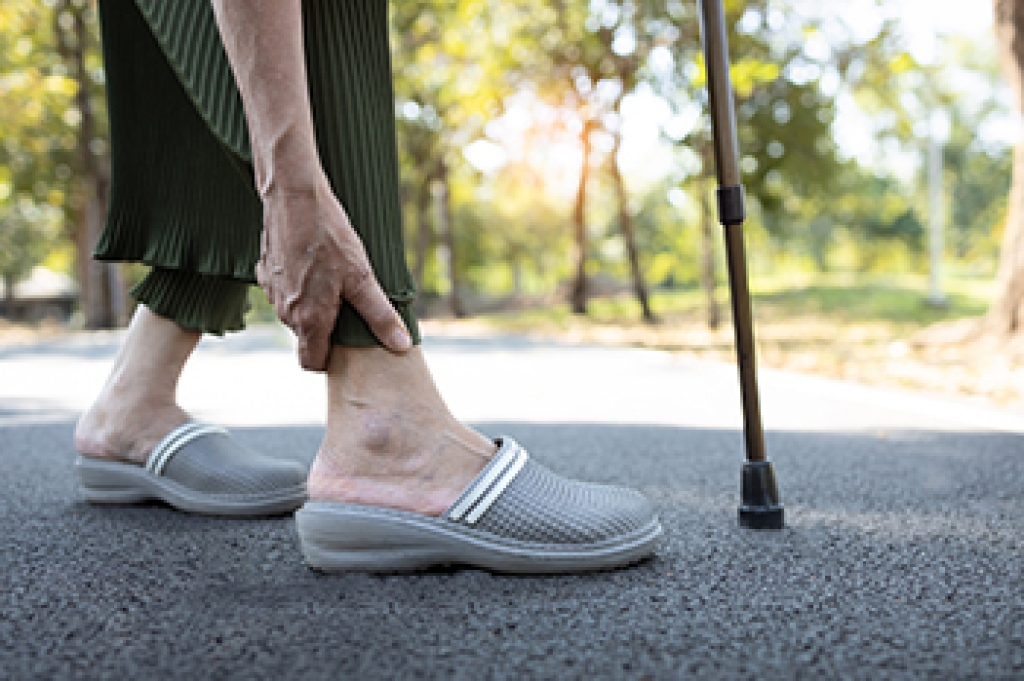
There are several reasons why elderly people can be more prone to various foot conditions. As we age some individuals may feel general body weakness or fatigue, difficulty in balancing, and lack of physical activity which may even cause one’s natural gait to become altered. Common foot ailments that older people may suffer from can consist of bunions, corns, calluses, athlete’s foot, and heel pain from loss of the fat pad over time. Additionally, poor circulation can occur, and this can cause the feet to swell or tingle. Other conditions like diabetes can wreak havoc on the feet as wounds that are left unnoticed can lead to amputation in severe cases. It is extremely important to maintain proper foot care among the elderly as problems in the feet can be indicative of larger health issues. Trimming the toenails straight across can be essential in preventing ingrown toenails and wearing shoes that fit properly may help to avoid hammertoe and bunions. Elderly feet should be inspected every day as well as washed and dried thoroughly, especially in between the toes. If you need help with your feet or take care of an elder’s feet, it is strongly suggested that you consult with a podiatrist who can recommend effective remedies and techniques. 

Proper foot care is something many older adults forget to consider. If you have any concerns about your feet and ankles, contact Dr. Michael T. Hames from Florence Foot Center. Our doctor can provide the care you need to keep you pain-free and on your feet.

The Elderly and Their Feet

As we age we start to notice many changes in our body, but the elder population may not notice them right away. Medical conditions may prevent the elderly to take notice of their foot health right away. Poor vision is a lead contributor to not taking action for the elderly.

Common Conditions 

  • Neuropathy – can reduce feeling in the feet and can hide many life-threatening medical conditions.
  • Reduced flexibility – prevents the ability of proper toenail trimming, and foot cleaning. If left untreated, it may lead to further medical issues.
  • Foot sores – amongst the older population can be serious before they are discovered. Some of the problematic conditions they may face are:
  • Gouging toenails affecting nearby toe
  • Shoes that don’t fit properly
  • Pressure sores
  • Loss of circulation in legs & feet
  • Edema & swelling of feet and ankles

Susceptible Infections

Diabetes and poor circulation can cause general loss of sensitivity over the years, turning a simple cut into a serious issue.

If you have any questions, please feel free to contact our office located in Florence, Alabama . We offer the newest diagnostic and treatment technologies for all your foot care needs.

Read more about Elderly and their Feet

Rest and Stretching May Help Sever’s Disease

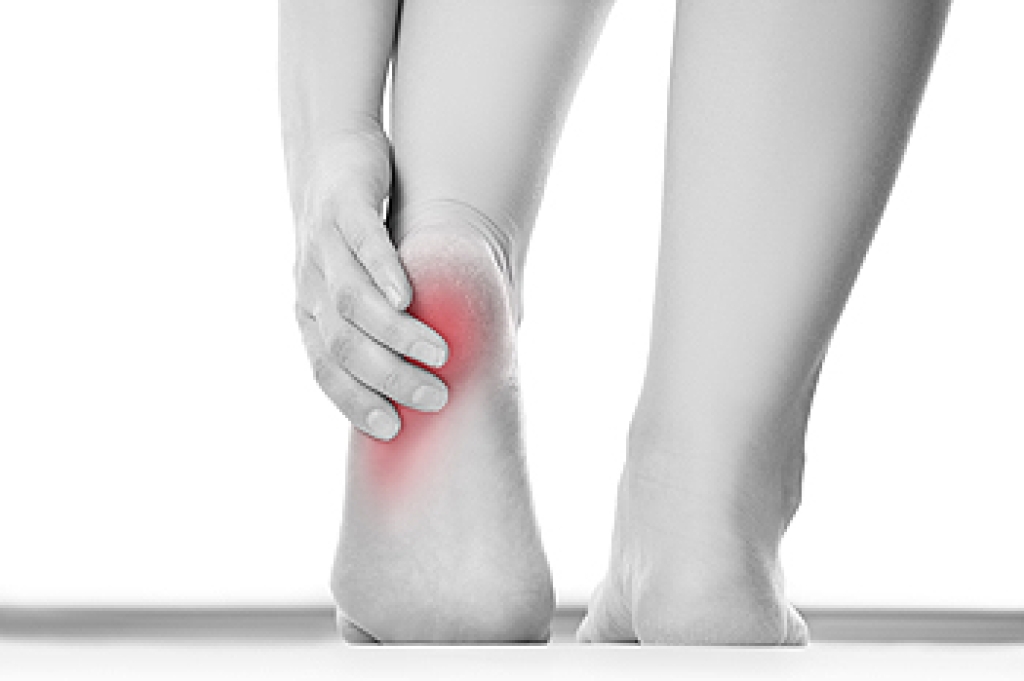
Children who enjoy participating in running and jumping activities may be more prone to developing a foot condition that is known as Sever’s disease. Young athletes can suffer from this painful foot condition that affects the heel. Sever's disease occurs as a result of an inflammation that affects the growth plate in the heel, and typically targets children between the ages of nine and twelve. Additionally, it may come from wearing shoes that do not fit correctly, which can put stress on the heel. Children often limp when this condition is present, and physical activity may have to stop as the healing process occurs. There are specific stretches that can be performed which may help to diminish existing pain and discomfort, in addition to possibly accelerating healing. If you notice your child is limping due to heel pain, please consult with a podiatrist who can properly diagnose and treat Sever's disease.

Sever's disease often occurs in children and teens. If your child is experiencing foot or ankle pain, see Dr. Michael T. Hames from Florence Foot Center. Our doctor can treat your child’s foot and ankle needs.

Sever’s Disease

Sever’s disease is also known as calcaneal apophysitis, which is a medical condition that causes heel pain I none or both feet. The disease is known to affect children between the ages of 8 and 14.

Sever’s disease occurs when part of the child’s heel known as the growth plate (calcaneal epiphysis) is attached to the Achilles tendon. This area can suffer injury when the muscles and tendons of the growing foot do not keep pace with bone growth. Therefore, the constant pain which one experiences at the back of the heel will make the child unable to put any weight on the heel. The child is then forced to walk on their toes.

Symptoms

Acute pain – Pain associated with Sever’s disease is usually felt in the heel when the child engages in physical activity such as walking, jumping and or running.

Highly active – Children who are very active are among the most susceptible in experiencing Sever’s disease, because of the stress and tension placed on their feet.

If you have any questions, please feel free to contact our office located in Florence, Alabama . We offer the newest diagnostic and treatment technologies for all your foot care needs.

Read more about Sever's Disease

Do Your Child's Feet Hurt?

Have your child's feet been examined lately? Healthy feet are happy feet. If your child is complaining of foot pain, it may be a sign of underlying problems.

Connect With Us