How Certain Shoes Contribute to Ankle Pain and Discomfort

Wearing shoes with poor arch support, inadequate cushioning, and poor ankle stability can significantly contribute to discomfort and pain, especially in the ankles. Shoes that lack proper arch support fail to align the foot correctly, leading to increased pressure on the joints, including the ankle. When the arch does not receive the proper support, it can cause misalignment that strains the muscles and ligaments, increasing the risk of injury. Inadequate cushioning is another issue, as it provides insufficient shock absorption, which puts added stress on the ankle during walking or running. Additionally, shoes without proper ankle support can cause instability, making it easier to twist or sprain the ankle. If you have developed ankle pain from wearing shoes that do not fit correctly, it is suggested that you consult a podiatrist who can offer effective relief and treatment solutions, and guide you on proper shoes to wear.


Ankle pain can be caused by a number of problems and may be potentially serious. If you have ankle pain, consult with Dr. Michael T. Hames from Florence Foot Center. Our doctor will assess your condition and provide you with quality foot and ankle treatment.

Ankle pain is any condition that causes pain in the ankle. Due to the fact that the ankle consists of tendons, muscles, bones, and ligaments, ankle pain can come from a number of different conditions.

Causes

The most common causes of ankle pain include:

  • Types of arthritis (rheumatoid, osteoarthritis, and gout)
  • Ankle sprains
  • Broken ankles
  • Achilles tendonitis
  • Achilles tendon rupture
  • Stress fractures
  • Bursitis
  • Tarsal tunnel syndrome
  • Plantar fasciitis

Symptoms

Symptoms of ankle injury vary based upon the condition. Pain may include general pain and discomfort, swelling, aching, redness, bruising, burning or stabbing sensations, and/or loss of sensation.

Diagnosis

Due to the wide variety of potential causes of ankle pain, podiatrists will utilize a number of different methods to properly diagnose ankle pain. This can include asking for personal and family medical histories and of any recent injuries. Further diagnosis may include sensation tests, a physical examination, and potentially x-rays or other imaging tests.

Treatment

Just as the range of causes varies widely, so do treatments. Some more common treatments are rest, ice packs, keeping pressure off the foot, orthotics and braces, medication for inflammation and pain, and surgery.

If you have any questions please feel free to contact our office located in Florence, Alabama . We offer the newest diagnostic tools and technology to treat your foot and ankle needs.


Read more about Ankle Pain

It's Time for Beautiful Feet

You don't need an excuse to have beautiful nails. Step outside without worrying about the appearance of your feet.

Causes of Pain in the Big Toe Joint

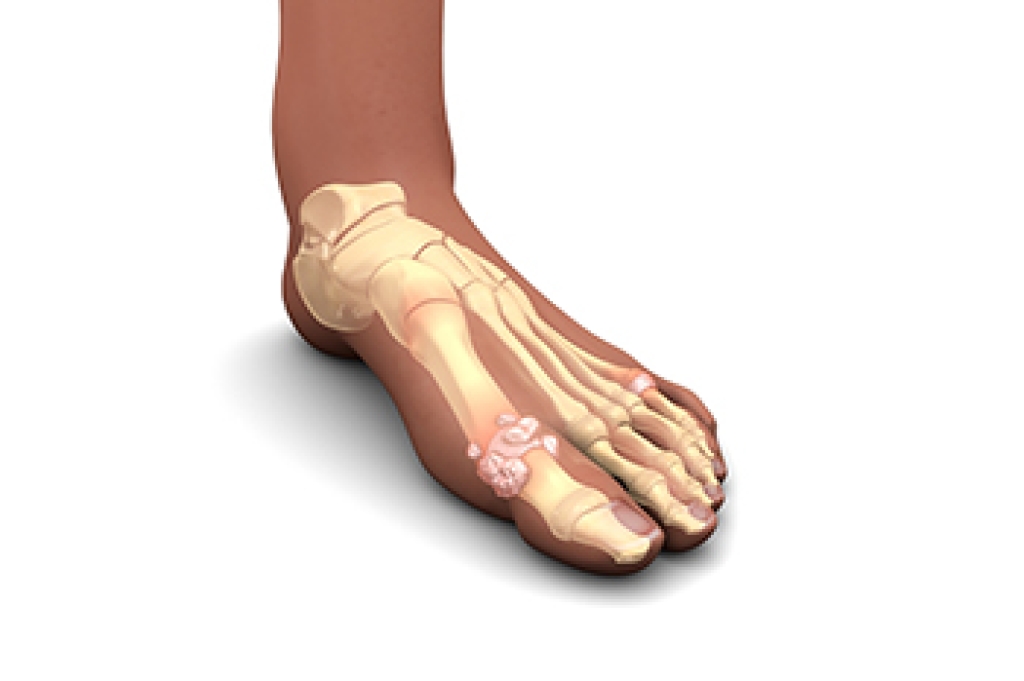
Big toe joint pain often involves the first metatarsophalangeal, or MTP, joint. The MTP joint connects the big toe to the foot and is supported by ligaments, cartilage, and a joint capsule. Common causes of big toe pain include arthritis, such as osteoarthritis or gout, where inflammation or uric acid crystals damage the joint, leading to swelling, redness, and difficulty in walking. Bunions, a bony bump at the base of the big toe, may also lead to joint pain, especially when the toe is pushed out of alignment. Turf toe, caused by hyperextension injuries to the joint, damages surrounding ligaments and tissues. Conditions like septic arthritis, a bacterial infection in the joint, require immediate attention due to severe pain and swelling. A podiatrist can assess the cause of the MTP joint pain, and provide diagnostic imaging if needed. Treatment options include custom orthotics, medication, or surgery for long-term relief. If you have pain in the big toe joint, it is suggested that you schedule an appointment with a podiatrist for an exam and treatment.

Toe pain can disrupt your daily activities. If you have any concerns, contact Dr. Michael T. Hames of Florence Foot Center. Our doctor can provide the care you need to keep you pain-free and on your feet.

What Causes Toe Pain?

Most severe toe pain is caused due to a sports injury, trauma from dropping something heavy on the toe, or bumping into something rigid. Other problems can develop over time for various reasons.

Toe pain can be caused by one or more ailments. The most common include:

  • Trauma
  • Sports injury
  • Wearing shoes that are too tight
  • Arthritis
  • Gout
  • Corns and calluses
  • Hammertoe
  • Bunions
  • Blisters
  • Ingrown toenails
  • Sprains
  • Fractures (broken bones)
  • Dislocations

When to See a Podiatrist

  • Severe pain
  • Persistent pain that lasts more than a week
  • Signs of infection
  • Continued swelling
  • Pain that prevents walking

Diagnosis

In many cases the cause of toe pain is obvious, but in others, a podiatrist may want to use more advanced methods to determine the problem. These can range from simple visual inspections and sensation tests to X-rays and MRI scans. Prior medical history, family medical history, and any recent physical traumatic events will all be taken into consideration for a proper diagnosis.

Treatment

Treatments for toe pain and injuries vary and may include shoe inserts, padding, taping, medicines, injections, and in some cases, surgery. If you believe that you have broken a toe, please see a podiatrist as soon as possible.

If you have any questions please contact our office located in Florence, Alabama . We offer the newest diagnostic and treatment technologies for all your foot and ankle needs.

Read more about Toe Pain

What Causes an Ingrown Toenail to Become Infected?

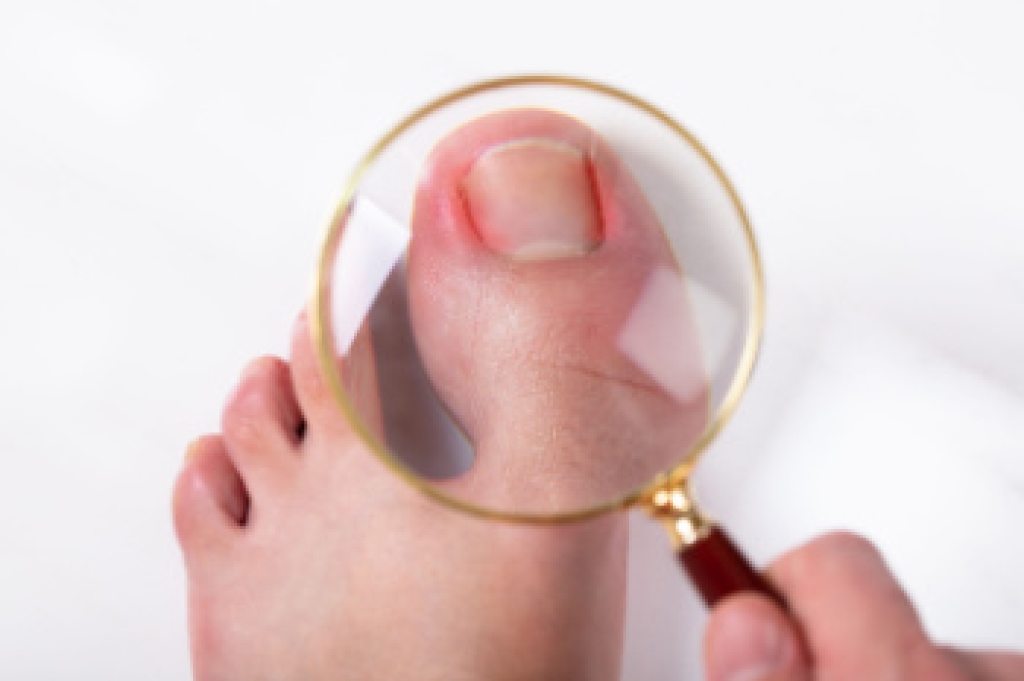
An ingrown toenail occurs when the edge of the toenail grows into the surrounding skin causing pain, redness, and swelling. This condition typically affects the big toe, although it can occur on any toe. Ingrown toenails are often caused by improper nail trimming, where nails are cut too short or rounded at the corners. Wearing tight-fitting shoes that apply pressure on the toes can also contribute to the problem. In some cases, trauma or injury to the toenail can lead to an ingrown toenail. The nails can become infected when left untreated, leading to increased pain, pus, and inflammation. Infection occurs when bacteria enter the broken skin surrounding the nail, causing the area to become swollen and tender. If you have an ingrown toenail, it is suggested that you consult a podiatrist who can offer effective treatment options that may keep it from getting infected. 

Ingrown toenails can become painful if they are not treated properly. For more information about ingrown toenails, contact Dr. Michael T. Hames of Florence Foot Center. Our doctor can provide the care you need to keep you pain-free and on your feet.

Ingrown Toenails

Ingrown toenails occur when a toenail grows sideways into the bed of the nail, causing pain, swelling, and possibly infection.

Causes

  • Bacterial infections
  • Improper nail cutting such as cutting it too short or not straight across
  • Trauma to the toe, such as stubbing, which causes the nail to grow back irregularly
  • Ill-fitting shoes that bunch the toes too close together
  • Genetic predisposition

Prevention

Because ingrown toenails are not something found outside of shoe-wearing cultures, going barefoot as often as possible will decrease the likeliness of developing ingrown toenails. Wearing proper fitting shoes and using proper cutting techniques will also help decrease your risk of developing ingrown toenails.

Treatment

Ingrown toenails are a very treatable foot condition. In minor cases, soaking the affected area in salt or antibacterial soaps will not only help with the ingrown nail itself, but also help prevent any infections from occurring. In more severe cases, surgery is an option. In either case, speaking to your podiatrist about this condition will help you get a better understanding of specific treatment options that are right for you.

If you have any questions, please feel free to contact our office located in Florence, Alabama . We offer the newest diagnostic and treatment technologies for all your foot care needs.

Read more about Ingrown Toenails

Key Facts About Gout in Children

Gout in children is rare but can still occur, usually due to genetic factors or underlying medical conditions, such as metabolic disorders. While it is more commonly seen in adults, particularly older men, certain children may develop gout due to high uric acid levels in their blood. These elevated levels can lead to the formation of urate crystals in the joints, causing painful inflammation. Common symptoms of gout in children include severe joint pain, swelling, and redness, often affecting the big toe or other joints. In some cases, conditions such as obesity, kidney disease, or a family history of gout may increase the risk. Early diagnosis and treatment are essential to managing gout in children, often involving medications to reduce uric acid levels and prevent flare-ups. If your child has symptoms of gout, it is strongly suggested that you promptly contact a podiatrist who can guide you on effective management techniques.

Gout is a foot condition that requires certain treatment and care. If you are seeking treatment, contact Dr. Michael T. Hames from Florence Foot Center. Our doctor will treat your foot and ankle needs.

What Is Gout?

Gout is a type of arthritis caused by a buildup of uric acid in the bloodstream. It often develops in the foot, especially the big toe area, although it can manifest in other parts of the body as well. Gout can make walking and standing very painful and is especially common in diabetics and the obese.

People typically get gout because of a poor diet. Genetic predisposition is also a factor. The children of parents who have had gout frequently have a chance of developing it themselves.

Gout can easily be identified by redness and inflammation of the big toe and the surrounding areas of the foot. Other symptoms include extreme fatigue, joint pain, and running high fevers. Sometimes corticosteroid drugs can be prescribed to treat gout, but the best way to combat this disease is to get more exercise and eat a better diet.

If you have any questions, please feel free to contact our office located in Florence, Alabama . We offer the newest diagnostic and treatment technologies for all your foot care needs.

Read more about Gout

Connect With Us