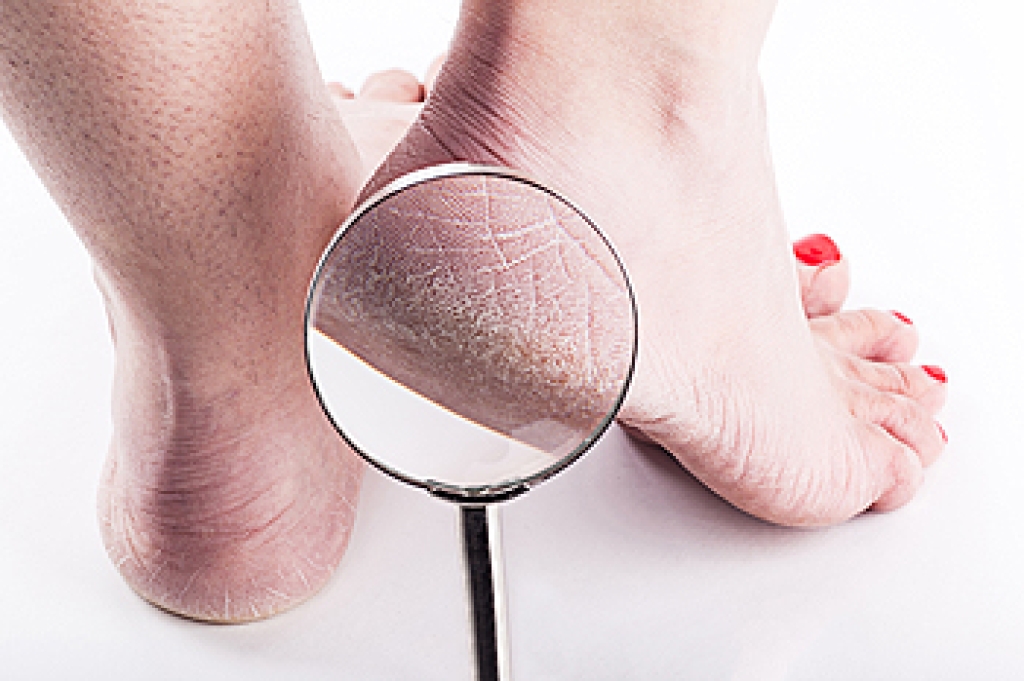
What Causes Cracked Heels?

The condition that is known as cracked heels may occur as a result of frequently wearing shoes that have an open back. Additional reasons why this ailment may develop can consist of standing on hard surfaces for the majority of the day, or from medical conditions such as eczema or psoriasis. The skin on the outer edge of the heel is generally affected, and the cracks, or fissures can become painful if they are left untreated. Moderate relief can be found when the feet are washed and dried, followed by using a good moisturizer several times per day.  If the skin on the heel begins to bleed, it is strongly suggested that you be under the care of a podiatrist who can properly treat and manage cracked heels.

If the skin on your feet starts to crack, you may want to see a podiatrist to find treatment. If you have any concerns, contact Dr. Michael T. Hames from Florence Foot Center. Our doctor can provide the care you need to keep you pain-free and on your feet.

Cracked Heels

It is important to moisturize your cracked heels in order to prevent pain, bleeding, and infection. The reason cracked heels form is because the skin on the foot is too dry to support the immense pressure placed on them. When the foot expands, the dry skin on the foot begins to split.

Ways to Help Heal Them

  • Invest in a good foot cream
  • Try Using Petroleum Jelly
  • Ease up on Soaps
  • Drink Plenty of Water

Ways to Prevent Cracked Heels

  • Moisturize After Showering
  • Skip a Shower
  • Keep Shower Water Lukewarm
  • Don’t Scrub Your Feet

If you are unsure how to proceed in treating cracked heels, seek guidance from a podiatrist. Your doctor will help you with any questions or information you may need. 

If you have any questions, please feel free to contact our office located in Florence, Alabama . We offer the newest diagnostic and treatment technologies for all your foot care needs.
Read more about Solutions for Cracked Heels

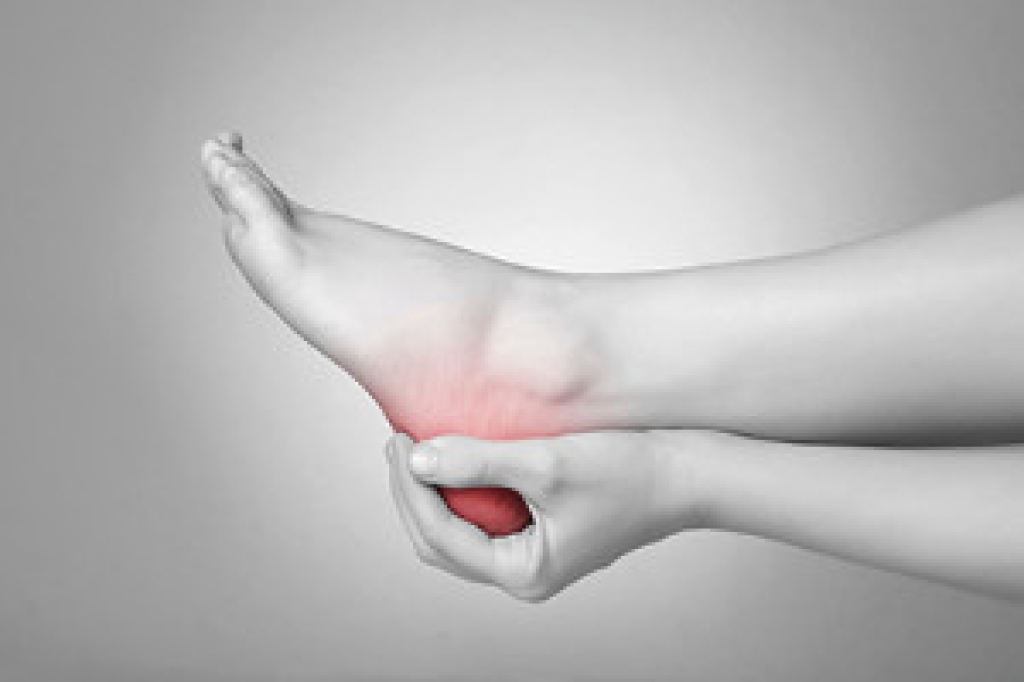
Why Do I Have Heel Pain?

Heel pain is a common ailment among many people. It may be a foot condition that is more prevalent among specific groups of people. These may include individuals who are obese, people who participate in sporting activities, or women who are pregnant. Additionally, heel pain may develop from wearing shoes that do not fit correctly, or if there has been an injury to the heel. Patients who have medical conditions that include plantar fasciitis or heel spurs are familiar with the heel pain that is often associated with these ailments. There are methods that can be implemented which may provide moderate relief. These can consist of wearing custom made orthotics, resting the heel, and performing specific flexibility stretches. If you have any type of heel pain, it is strongly suggested that you consult with a podiatrist who can properly diagnosis and treat this condition.

Many people suffer from bouts of heel pain. For more information, contact Dr. Michael T. Hames of Florence Foot Center. Our doctor can provide the care you need to keep you pain-free and on your feet.

Causes of Heel Pain

Heel pain is often associated with plantar fasciitis. The plantar fascia is a band of tissues that extends along the bottom of the foot. A rip or tear in this ligament can cause inflammation of the tissue.

Achilles tendonitis is another cause of heel pain. Inflammation of the Achilles tendon will cause pain from fractures and muscle tearing. Lack of flexibility is also another symptom.

Heel spurs are another cause of pain. When the tissues of the plantar fascia undergo a great deal of stress, it can lead to ligament separation from the heel bone, causing heel spurs.

Why Might Heel Pain Occur?

  • Wearing ill-fitting shoes                
  • Wearing non-supportive shoes
  • Weight change           
  • Excessive running

Treatments

Heel pain should be treated as soon as possible for immediate results. Keeping your feet in a stress-free environment will help. If you suffer from Achilles tendonitis or plantar fasciitis, applying ice will reduce the swelling. Stretching before an exercise like running will help the muscles. Using all these tips will help make heel pain a condition of the past.

If you have any questions, please feel free to contact our office located in Florence, Alabama . We offer the newest diagnostic and treatment technologies for all your foot care needs.
Read more about Heel Pain

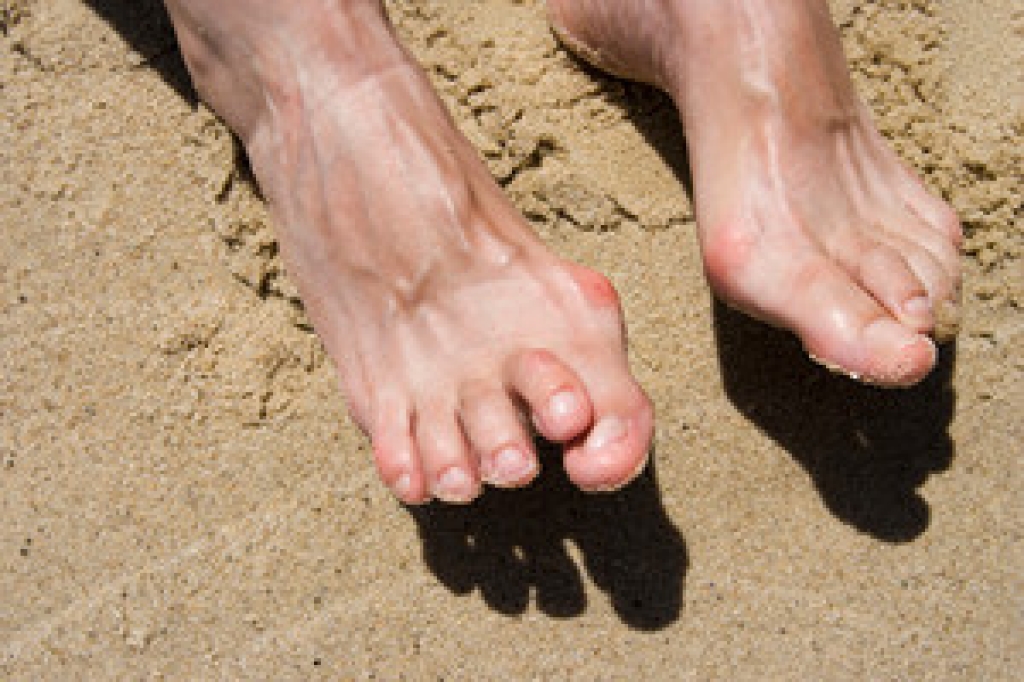
Is Hammertoe A Deformity?

There are noticeable signs you may have a hammertoe. These can include the second toe bending in a downward direction, often resembling a hammer. Additionally, it may bend over the third toe, and it may be difficult to walk. This condition may be caused by genetic traits, or can come from wearing shoes that do not have enough room for the toes to move freely in. It is considered to be a deformity of the bones in the toes, and in severe cases, surgery may be required to permanently straighten the toes. In the beginning stages of hammertoe, mild relief may be found when larger shoes are worn that can accommodate the bent toes. Some patients find it beneficial to wear pads on the top of the affected toes, and this may help to prevent corns from developing. If you are afflicted with hammertoe, it is suggested that you speak to a podiatrist who can properly treat this condition. 

Hammertoes can be a painful condition to live with. For more information, contact Dr. Michael T. Hames of Florence Foot Center. Our doctor will answer any of your foot- and ankle-related questions.

Hammertoe

Hammertoe is a foot deformity that occurs due to an imbalance in the muscles, tendons, or ligaments that normally hold the toe straight. It can be caused by the type of shoes you wear, your foot structure, trauma, and certain disease processes.

Symptoms

  • Painful and/or difficult toe movement
  • Swelling
  • Joint stiffness
  • Calluses/Corns
  • Physical deformity

Risk Factors

  • Age – The risk of hammertoe increases with age
  • Sex – Women are more likely to have hammertoe compared to men
  • Toe Length – You are more likely to develop hammertoe if your second toe is longer than your big toe
  • Certain Diseases – Arthritis and diabetes may make you more likely to develop hammertoe

Treatment

If you have hammertoe, you should change into a more comfortable shoe that provides enough room for your toes. Exercises such as picking up marbles may strengthen and stretch your toe muscles. Nevertheless, it is important to seek assistance from a podiatrist in order to determine the severity of your hammertoe and see which treatment option will work best for you.

If you have any questions, please feel free to contact our office located in Florence, Alabama . We offer the newest diagnostic and treatment technologies for all your foot care needs.

Read more about What Are Hammertoes?

Ease Pain with the Help of Orthotics

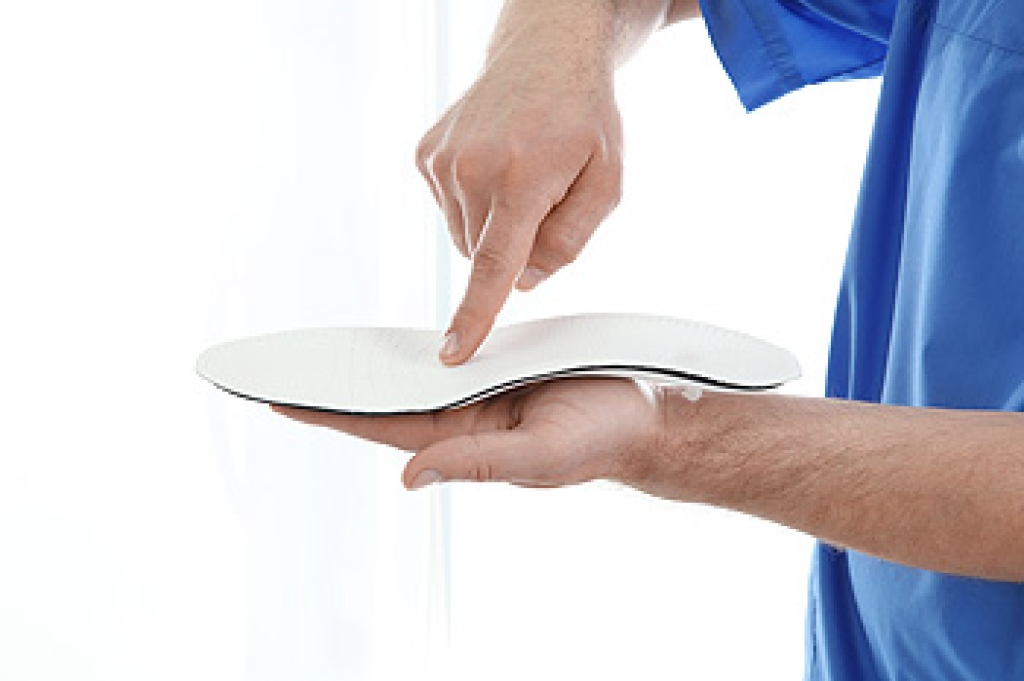
Those suffering from painful conditions such as plantar fasciitis can find relief with orthotics, or shoe inserts. Orthotics can help minimize symptoms of pain and stiffness in the heel. These symptoms typically occur as a result of stress on the plantar fascia due to standing or walking. Orthotics can reduce these symptoms by contouring to the shape of the foot and providing cushion. This extra cushion absorbs excess shock experienced when walking and reduces the pressure on the heel. While standard versions are available, orthotics can also be custom-made to fit the feet for optimal results. If you have questions about orthotics and if they can work for you, consult with your podiatrist. 

If you are having discomfort in your feet and would like to try orthotics, contact Dr. Michael T. Hames from Florence Foot Center. Our doctor can provide the care you need to keep you pain-free and on your feet.

What Are Orthotics?

Orthotics are inserts you can place into your shoes to help with a variety of foot problems such as flat feet or foot pain. Orthotics provide relief and comfort for minor foot and heel pain but can’t correct serious biomechanical problems in your feet.

Over-the-Counter Inserts

Orthotics come in a wide variety of over-the-counter inserts that are used to treat foot pain, heel pain, and minor problems. For example, arch supports can be inserted into your shoes to help correct overarched or flat feet, while gel insoles are often used because they provide comfort and relief from foot and heel pain by alleviating pressure.

Prescription Orthotics

If over-the-counter inserts don’t work for you or if you have a more severe foot concern, it is possible to have your podiatrist prescribe custom orthotics. These high-quality inserts are designed to treat problems such as abnormal motion, plantar fasciitis, and severe forms of heel pain. They can even be used to help patients suffering from diabetes by treating foot ulcers and painful calluses and are usually molded to your feet individually, which allows them to provide full support and comfort.

If you are experiencing minor to severe foot or heel pain, it’s recommended to speak with your podiatrist about the possibilities of using orthotics. A podiatrist can determine which type of orthotic is right for you and allow you to take the first steps towards being pain-free.

If you have any questions, please feel free to contact our office located in Florence, Alabama . We offer the newest diagnostic and treatment technologies for all your foot care needs.

Read more about Ankle Foot Orthotics for Athletes

Do Your Child's Feet Hurt?

Have your child's feet been examined lately? Healthy feet are happy feet. If your child is complaining of foot pain, it may be a sign of underlying problems.

Connect With Us