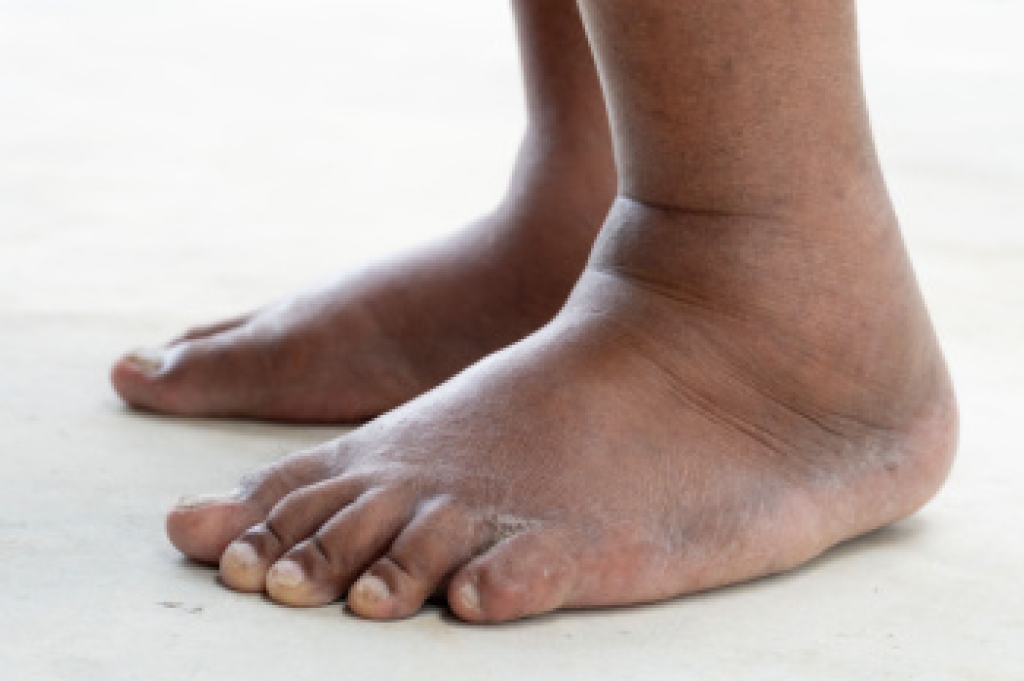
Common Causes of Swollen Ankles

Ankle swelling, also known as edema, is a familiar condition caused by various factors. The most frequent sources include injuries, such as sprains or fractures, which lead to inflammation and fluid accumulation. Prolonged standing or sitting, especially in hot weather, can also cause swelling due to fluid pooling in the lower extremities. Medical conditions like heart failure, kidney disease, or liver disease can contribute to fluid retention and subsequent swelling. Additionally, chronic venous insufficiency and certain medications, such as those for high blood pressure, can result in ankle swelling. To address ankle swelling, elevate the legs to reduce fluid buildup and improve circulation. Compression socks can help prevent fluid accumulation, while regular movement and exercise promote blood flow. Maintaining a low-sodium diet can also help to manage fluid retention. If you have swelling in your ankles that persists, or that is accompanied by pain, redness, or warmth, it is suggested that you schedule an appointment with a podiatrist for a proper diagnosis and treatment plan.

Swollen feet can be a sign of an underlying condition. If you have any concerns, contact Dr. Michael T. Hames of Florence Foot Center. Our doctor can provide the care you need to keep you pain-free and on your feet.

Swollen feet are a common ailment among pregnant women and people who stand or sit for extended periods. Aging may increase the possibility of swollen feet and patients who are obese often notice when their feet are swelling too. There may be medical reasons why swollen feet occur:

  • Phlebitis - A condition that causes the veins to become inflamed and can also cause leg pain.
  • Liver disease - This may lead to low blood levels of albumin which is a protein. This can cause fluid in the blood to pass into the tissues and several areas of the body can become swollen.
  • Heart failure - When the heart doesn’t pump properly the blood that is normally pumped back to the heart can pool in the veins of the legs causing swollen feet.
  • Kidney disease - One of the main functions of the kidneys is releasing excess fluid in the body. This type of condition can make it difficult for the kidneys to function properly, and as a result the feet may become swollen.
  • Deep-vein thrombosis (DVT)- This is a serious condition where blood clots form in the veins of the legs. They can block the return of blood from the legs to the heart which may cause the feet to swell. It is important to be treated by a podiatrist if this condition is present.

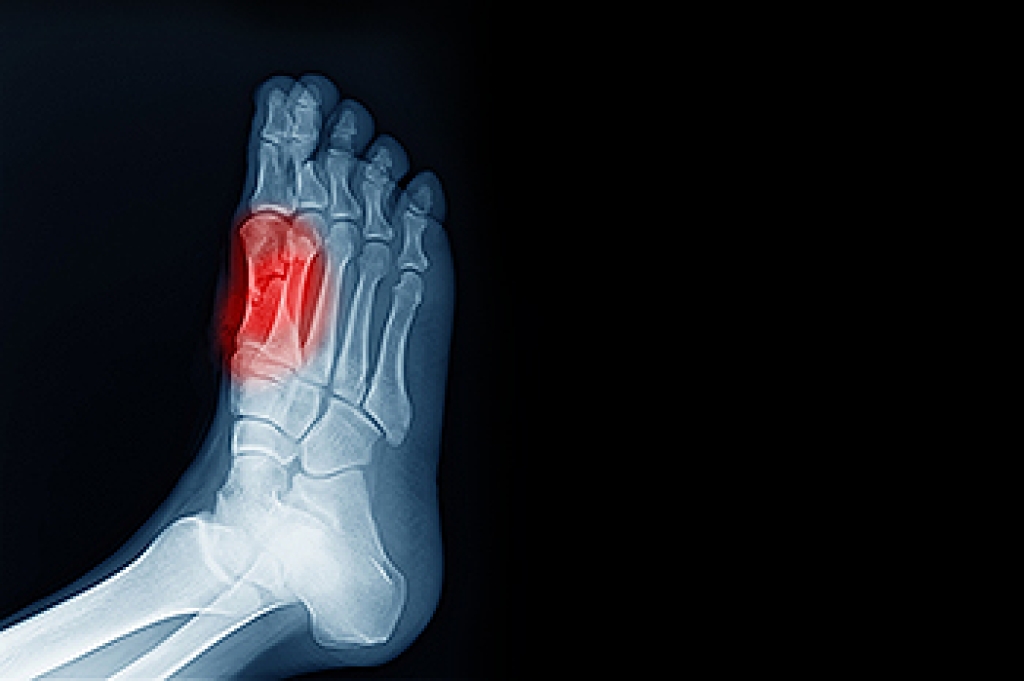
Swollen feet can also be caused by bone and tendon conditions, including fractures, arthritis, and tendinitis. Additionally, there may be skin and toenail conditions and an infection may cause the feet to swell. Patients who take medicine to treat high blood pressure may be prone to getting swollen feet. 

Many patients elevate their feet to help relieve the swelling and this is generally a temporary remedy. When a podiatrist is consulted the reason behind the swelling can be uncovered and subsequently treated.

If you have any questions please contact our office located in Florence, Alabama . We offer the newest diagnostic and treatment technologies for all your foot and ankle needs.

Read more about Swelling of the Feet

Causes and Diagnosis of Sesamoiditis

Sesamoiditis refers to inflammation of the sesamoid bones, the two small, pea-shaped bones located beneath the big toe joint within the tendons. These bones help the big toe move smoothly and bear weight during walking and running. Causes of sesamoiditis can include repetitive stress from activities that exert pressure on the forefoot, such as dancing or running, as well as wearing high heels or tight shoes that increase pressure on the ball of the foot. Symptoms include pain under the big toe, which worsens when bearing weight or bending the toe. Diagnosis involves a physical examination to assess tenderness and range of motion, in addition to imaging tests like X-rays to visualize the sesamoid bones and rule out fractures. Relief options include rest, cushioning pads, and footwear modifications. In severe cases, immobilization in a cast or surgical removal of the sesamoid bone may be necessary to alleviate pain and restore function. If you have pain under your big toe, it is suggested that you consult a podiatrist who can provide a diagnosis, and offer you a comprehensive treatment plan.

Sesamoiditis is an unpleasant foot condition characterized by pain in the balls of the feet. If you think you’re struggling with sesamoiditis, contact Dr. Michael T. Hames of Florence Foot Center. Our doctor will treat your condition thoroughly and effectively.

Sesamoiditis

Sesamoiditis is a condition of the foot that affects the ball of the foot. It is more common in younger people than it is in older people. It can also occur with people who have begun a new exercise program, since their bodies are adjusting to the new physical regimen. Pain may also be caused by the inflammation of tendons surrounding the bones. It is important to seek treatment in its early stages because if you ignore the pain, this condition can lead to more serious problems such as severe irritation and bone fractures.

Causes of Sesamoiditis

  • Sudden increase in activity
  • Increase in physically strenuous movement without a proper warm up or build up
  • Foot structure: those who have smaller, bonier feet or those with a high arch may be more susceptible

Treatment for sesamoiditis is non-invasive and simple. Doctors may recommend a strict rest period where the patient forgoes most physical activity. This will help give the patient time to heal their feet through limited activity. For serious cases, it is best to speak with your doctor to determine a treatment option that will help your specific needs.

If you have any questions, please feel free to contact our office located in Florence, Alabama . We offer the newest diagnostic and treatment technologies for all your foot care needs.

Read more about Sesamoiditis

Do You Suffer From Painful Feet?

Painful deformities, such as hammertoes, can be treated. Stop living with foot pain, and have beautiful feet again!

How Serious Is My Heel Pain?

Heel pain can be debilitating, affecting daily activities and mobility. Common causes include plantar fasciitis, Achilles tendonitis, and heel spurs. Symptoms often manifest as sharp or dull pain in the heel or underside of the foot, especially noticeable after periods of rest. Effective treatment strategies include exercises to alleviate discomfort and reduce inflammation. Wearing proper footwear with adequate support and cushioning can also provide relief. Accurate diagnosis by a podiatrist is key for targeted treatment plans. So, if heel pain persists or worsens over time, it is wise to seek professional advice from a podiatrist. Their specialized knowledge ensures you receive comprehensive care and personalized treatment to address the root cause of your discomfort effectively. Don't let heel pain sideline you, and consider scheduling an appointment with a podiatrist for expert guidance and relief.

Many people suffer from bouts of heel pain. For more information, contact Dr. Michael T. Hames of Florence Foot Center. Our doctor can provide the care you need to keep you pain-free and on your feet.

Causes of Heel Pain

Heel pain is often associated with plantar fasciitis. The plantar fascia is a band of tissues that extends along the bottom of the foot. A rip or tear in this ligament can cause inflammation of the tissue.

Achilles tendonitis is another cause of heel pain. Inflammation of the Achilles tendon will cause pain from fractures and muscle tearing. Lack of flexibility is also another symptom.

Heel spurs are another cause of pain. When the tissues of the plantar fascia undergo a great deal of stress, it can lead to ligament separation from the heel bone, causing heel spurs.

Why Might Heel Pain Occur?

  • Wearing ill-fitting shoes                
  • Wearing non-supportive shoes
  • Weight change           
  • Excessive running

Treatments

Heel pain should be treated as soon as possible for immediate results. Keeping your feet in a stress-free environment will help. If you suffer from Achilles tendonitis or plantar fasciitis, applying ice will reduce the swelling. Stretching before an exercise like running will help the muscles. Using all these tips will help make heel pain a condition of the past.

If you have any questions, please feel free to contact our office located in Florence, Alabama . We offer the newest diagnostic and treatment technologies for all your foot care needs.

Read more about Heel Pain

Causes and Risk Factors for Gout

Gout is a form of inflammatory arthritis that leads to sudden and intense joint pain, often affecting the big toe and usually occurring at night. It can also target the other toes as well as the ankles. Gout arises from having high levels of uric acid in the blood. This substance forms from the breakdown of purines found in foods like red meat, organ meats, certain seafood, sugary sodas, and beer. Excess uric acid can form needle-like crystals in the joints that cause severe pain and swelling. Men are three times more likely to develop gout than women, particularly after age 40. Women become more susceptible post-menopausal because of a decrease in estrogen levels. Risk factors for gout include a diet high in purine-rich foods, high-fructose corn syrup, excessive alcohol consumption, obesity, and a family history of gout. Chronic conditions like diabetes, kidney disease, and certain high blood pressure medications are other factors. A podiatrist can diagnose gout through joint fluid analysis, blood tests, and imaging to detect uric acid crystals. If you have sudden and severe pain in the big toe that may be due to gout, it is suggested that you schedule an appointment with a podiatrist for a diagnosis and treatment options.

Gout is a foot condition that requires certain treatment and care. If you are seeking treatment, contact Dr. Michael T. Hames from Florence Foot Center. Our doctor will treat your foot and ankle needs.

What Is Gout?

Gout is a type of arthritis caused by a buildup of uric acid in the bloodstream. It often develops in the foot, especially the big toe area, although it can manifest in other parts of the body as well. Gout can make walking and standing very painful and is especially common in diabetics and the obese.

People typically get gout because of a poor diet. Genetic predisposition is also a factor. The children of parents who have had gout frequently have a chance of developing it themselves.

Gout can easily be identified by redness and inflammation of the big toe and the surrounding areas of the foot. Other symptoms include extreme fatigue, joint pain, and running high fevers. Sometimes corticosteroid drugs can be prescribed to treat gout, but the best way to combat this disease is to get more exercise and eat a better diet.

If you have any questions, please feel free to contact our office located in Florence, Alabama . We offer the newest diagnostic and treatment technologies for all your foot care needs.

Read more about Gout

Connect With Us