
Do you work on your feet all day and find your feet in pain? Don't go to work in pain each day. Your foot pain can be treated, and we can help.
Do you work on your feet all day and find your feet in pain? Don't go to work in pain each day. Your foot pain can be treated, and we can help.

Hammertoe is a deformity where one of the smaller toes bends abnormally at the middle joint, creating a shape that resembles a hammer. This condition often results from muscle or tendon imbalances that cause the toe to remain in a bent position. Common causes include wearing tight or narrow shoes, injury, or having an unusually high foot arch. Over time, the toe may become stiff and difficult to move. Symptoms often include pain when wearing shoes, corns or calluses on the top of the toe, and redness or swelling around the joint. The deformity may start as flexible but can become rigid, if not addressed. If you have symptoms of this condition, it is suggested that you consult a podiatrist who can offer effective treatment solutions. Early recognition and treatment are important to relieve discomfort and prevent further progression that may require more advanced medical or surgical care.
Hammertoe
Hammertoes can be a painful condition to live with. For more information, contact Dr. Michael T. Hames from Florence Foot Center. Our doctor will answer any of your foot- and ankle-related questions.
Hammertoe is a foot deformity that affects the joints of the second, third, fourth, or fifth toes of your feet. It is a painful foot condition in which these toes curl and arch up, which can often lead to pain when wearing footwear.
Symptoms
Causes
Genetics – People who are genetically predisposed to hammertoe are often more susceptible
Arthritis – Because arthritis affects the joints in your toes, further deformities stemming from arthritis can occur
Trauma – Direct trauma to the toes could potentially lead to hammertoe
Ill-fitting shoes – Undue pressure on the front of the toes from ill-fitting shoes can potentially lead to the development of hammertoe
Treatment
Orthotics – Custom made inserts can be used to help relieve pressure placed on the toes and therefore relieve some of the pain associated with it
Medications – Oral medications such as anti-inflammatories or NSAIDs could be used to treat the pain and inflammation hammertoes causes. Injections of corticosteroids are also sometimes used
Surgery – In more severe cases where the hammertoes have become more rigid, foot surgery is a potential option
If you have any questions, please feel free to contact our office located in Florence, Alabama . We offer the newest diagnostic and treatment technologies for all your foot care needs.

Athlete's foot is a fungal infection that affects the skin on the feet, especially between the toes. Athlete’s foot can happen to anyone, not just athletes. Symptoms may include itchy, white or scaly patches, redness, or skin that cracks and becomes sore. In some cases, blisters may appear, and the infection can spread to the soles or toenails. If left untreated, the infection can worsen or spread to other parts of the foot. A podiatrist can diagnose athlete's foot through a physical exam and may take a skin sample, if needed. Depending on the severity, a podiatrist may prescribe medicated creams, antifungal tablets, or, in rare cases, surgery if the infection affects deeper tissue or the nails. If you have an athlete's foot infection, it is suggested that you schedule an appointment with a podiatrist for immediate treatment.
Athlete’s Foot
Athlete’s foot is often an uncomfortable condition to experience. Thankfully, podiatrists specialize in treating athlete’s foot and offer the best treatment options. If you have any questions about athlete’s foot, consult with Dr. Michael T. Hames from Florence Foot Center. Our doctor will assess your condition and provide you with quality treatment.
What Is Athlete’s Foot?
Tinea pedis, more commonly known as athlete’s foot, is a non-serious and common fungal infection of the foot. Athlete’s foot is contagious and can be contracted by touching someone who has it or infected surfaces. The most common places contaminated by it are public showers, locker rooms, and swimming pools. Once contracted, it grows on feet that are left inside moist, dark, and warm shoes and socks.
Prevention
The most effective ways to prevent athlete’s foot include:
Symptoms
Athlete’s foot initially occurs as a rash between the toes. However, if left undiagnosed, it can spread to the sides and bottom of the feet, toenails, and if touched by hand, the hands themselves. Symptoms include:
Diagnosis and Treatment
Diagnosis is quick and easy. Skin samples will be taken and either viewed under a microscope or sent to a lab for testing. Sometimes, a podiatrist can diagnose it based on simply looking at it. Once confirmed, treatment options include oral and topical antifungal medications.
If you have any questions, please feel free to contact our office located in Florence, Alabama . We offer the newest diagnostic and treatment technologies for all your foot care needs.
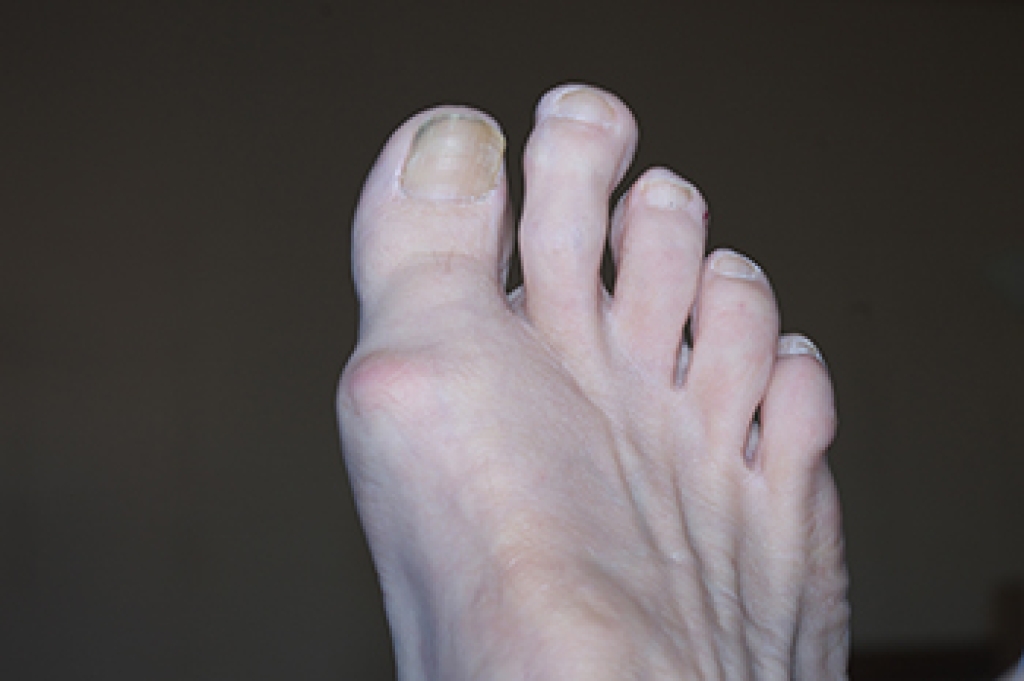
Morton's toe is often confused with Morton's neuroma, although they are different foot conditions. Morton's toe refers to a structural variation where the second toe appears to be longer than the big toe. In reality, it is the big toe that is shorter. This imbalance can shift weight improperly across the foot, sometimes leading to pain, calluses, or stress fractures. Morton's neuroma involves a thickening of tissue around a nerve between the toes, typically causing sharp or burning pain in the ball of the foot. A podiatrist can conduct an examination and order imaging tests in order to recommend the appropriate treatment for either condition. For Morton's toe, options include custom orthotics to better distribute weight or, if necessary, surgery to correct the bone structure. Morton's neuroma may be managed through footwear changes, injections to reduce nerve irritation, or surgery to remove the affected nerve, if pain is severe. If you are experiencing toe pain, it is suggested that you schedule an appointment with a podiatrist for an exam and appropriate treatment.
Toe pain can disrupt your daily activities. If you have any concerns, contact Dr. Michael T. Hames of Florence Foot Center. Our doctor can provide the care you need to keep you pain-free and on your feet.
What Causes Toe Pain?
Most severe toe pain is caused due to a sports injury, trauma from dropping something heavy on the toe, or bumping into something rigid. Other problems can develop over time for various reasons.
Toe pain can be caused by one or more ailments. The most common include:
When to See a Podiatrist
Diagnosis
In many cases the cause of toe pain is obvious, but in others, a podiatrist may want to use more advanced methods to determine the problem. These can range from simple visual inspections and sensation tests to X-rays and MRI scans. Prior medical history, family medical history, and any recent physical traumatic events will all be taken into consideration for a proper diagnosis.
Treatment
Treatments for toe pain and injuries vary and may include shoe inserts, padding, taping, medicines, injections, and in some cases, surgery. If you believe that you have broken a toe, please see a podiatrist as soon as possible.
If you have any questions please contact our office located in Florence, Alabama . We offer the newest diagnostic and treatment technologies for all your foot and ankle needs.
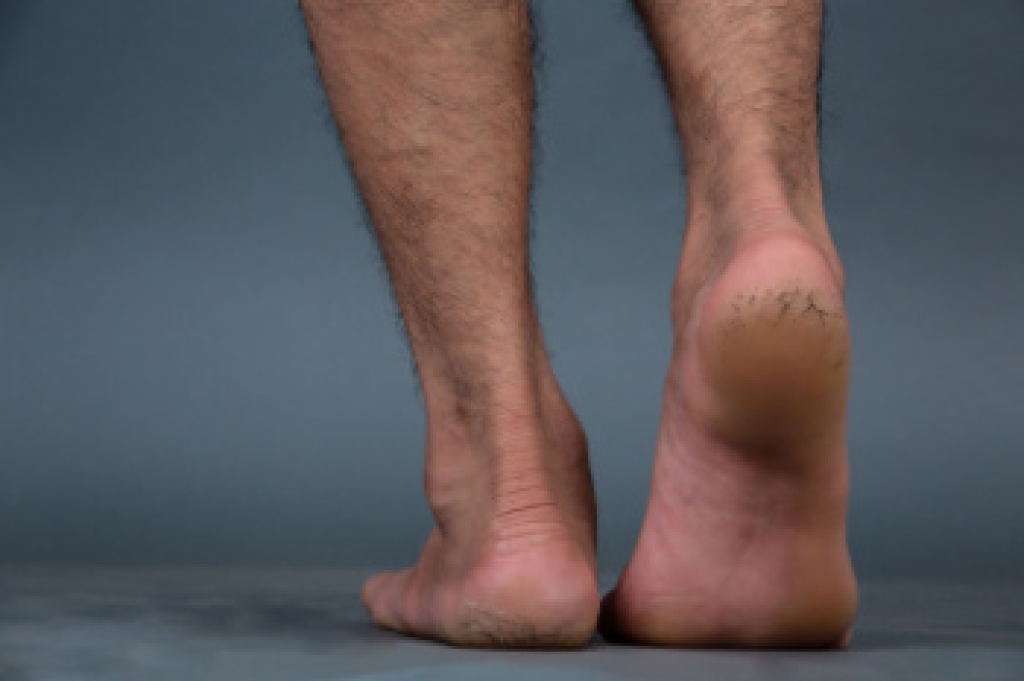
Cracked heels, also known as heel fissures, occur when the skin on the heels becomes dry, thickened, and eventually splits. This condition often results from a lack of moisture and pressure on the fat pad under the heel, causing the skin to expand and crack. Symptoms of cracked heels include dry, rough skin, visible splits or fissures, pain while walking, and, in severe cases, bleeding or infection. Risk factors for developing cracked heels include prolonged standing, walking barefoot, wearing open-backed shoes, obesity, and certain skin conditions like eczema or psoriasis. Additionally, environmental factors such as cold weather and low humidity can also contribute to this condition. If you have developed painful cracked heels, it is suggested that you consult a podiatrist who can offer effective relief remedies, which may include prescribed medication.
If the skin on your feet starts to crack, you may want to see a podiatrist to find treatment. If you have any concerns, contact Dr. Michael T. Hames from Florence Foot Center. Our doctor can provide the care you need to keep you pain-free and on your feet.
Cracked Heels
It is important to moisturize your cracked heels in order to prevent pain, bleeding, and infection. The reason cracked heels form is because the skin on the foot is too dry to support the immense pressure placed on them. When the foot expands, the dry skin on the foot begins to split.
Ways to Help Heal Them
Ways to Prevent Cracked Heels
If you are unsure how to proceed in treating cracked heels, seek guidance from a podiatrist. Your doctor will help you with any questions or information you may need.
If you have any questions, please feel free to contact our office located in Florence, Alabama . We offer the newest diagnostic and treatment technologies for all your foot care needs.

If left untreated, an ingrown toenail can lead to more serious concerns, such as an infection. Knowing proper nail care can help in the prevention of an ingrown toenail. Give us a call, and get treated!

Foot blisters are a frequent and often painful condition caused by friction, moisture, and heat. They occur when the skin is repeatedly rubbed, typically due to wearing ill-fitting shoes or prolonged walking and running. This constant rubbing causes the layers of skin to separate, allowing fluid to collect in the gap. Moisture from sweat or wet environments softens the skin, making it more vulnerable to damage. Heat generated during activity can also contribute to blister formation. Wearing new shoes, especially those not broken in, or going sockless can increase the risk. Additionally, certain skin conditions or allergies may make some individuals more susceptible. If you have developed a foot blister that is bothersome or has become infected, it is suggested that you contact a podiatrist who can offer safe and effective treatment along with prevention tips.
Blisters are prone to making everyday activities extremely uncomfortable. If your feet are hurting, contact Dr. Michael T. Hames of Florence Foot Center. Our doctor can provide the care you need to keep you pain-free and on your feet.
Foot Blisters
Foot blisters develop as a result of constantly wearing tight or ill-fitting footwear. This happens due to the constant rubbing from the shoe, which can often lead to pain.
What Are Foot Blisters?
A foot blister is a small fluid-filled pocket that forms on the upper-most layer of the skin. Blisters are filled with clear fluid and can lead to blood drainage or pus if the area becomes infected.
How Do Blisters Form?
Blisters on the feet are often the result of constant friction of skin and material, usually by shoe rubbing. Walking in sandals, boots, or shoes that don’t fit properly for long periods of time can result in a blister. Having consistent foot moisture and humidity can easily lead to blister formation.
Prevention & Treatment
It is important to properly care for the affected area in order to prevent infection and ease the pain. Do not lance the blister and use a Band-Aid to provide pain relief. Also, be sure to keep your feet dry and wear proper fitting shoes. If you see blood or pus in a blister, seek assistance from a podiatrist.
If you have any questions, please feel free to contact our office located in Florence, Alabama . We offer the newest diagnostic and treatment technologies for all your foot care needs.

Peripheral neuropathy in people with diabetes often affects the feet, toes, and ankles, leading to symptoms such as numbness, tingling, or reduced sensation. This can make it difficult to detect minor injuries, which may become serious without proper care. For example, a small blister from wearing poorly fitting shoes or a cut from stepping on something sharp can go unnoticed and develop into a diabetic foot ulcer. Ulcers are slow-healing wounds that can become infected, especially when high blood sugar levels restrict blood flow to the feet. Reduced circulation limits the delivery of infection-fighting cells, increasing the risk of complications like gangrene. In cases where gangrene develops, surgery may be required to remove damaged tissue, and, in severe situations, loss of a toe or foot might result. A podiatrist can provide regular foot exams, remove damaged tissue, treat ulcers, and help manage infections before they progress. If you have foot issues caused by diabetes, it is suggested that you schedule regular appointments with a podiatrist for appropriate treatment.
Neuropathy
Neuropathy can be a potentially serious condition, especially if it is left undiagnosed. If you have any concerns that you may be experiencing nerve loss in your feet, consult with Dr. Michael T. Hames from Florence Foot Center. Our doctor will assess your condition and provide you with quality foot and ankle treatment for neuropathy.
What Is Neuropathy?
Neuropathy is a condition that leads to damage to the nerves in the body. Peripheral neuropathy, or neuropathy that affects your peripheral nervous system, usually occurs in the feet. Neuropathy can be triggered by a number of different causes. Such causes include diabetes, infections, cancers, disorders, and toxic substances.
Symptoms of Neuropathy Include:
Those with diabetes are at serious risk due to being unable to feel an ulcer on their feet. Diabetics usually also suffer from poor blood circulation. This can lead to the wound not healing, infections occurring, and the limb may have to be amputated.
Treatment
To treat neuropathy in the foot, podiatrists will first diagnose the cause of the neuropathy. Figuring out the underlying cause of the neuropathy will allow the podiatrist to prescribe the best treatment, whether it be caused by diabetes, toxic substance exposure, infection, etc. If the nerve has not died, then it’s possible that sensation may be able to return to the foot.
Pain medication may be issued for pain. Electrical nerve stimulation can be used to stimulate nerves. If the neuropathy is caused from pressure on the nerves, then surgery may be necessary.
If you have any questions, please feel free to contact our office located in Florence, Alabama . We offer the newest diagnostic and treatment technologies for all your foot care needs.

An ankle sprain occurs when the ligaments that support the joint are overstretched or torn, often as a result of twisting the foot awkwardly or rolling the ankle during activity. These ligaments help prevent excessive motion, and, when injured, they can lead to pain, swelling, and bruising. Some people may also notice warmth, redness, or tingling in the area, in addition to reduced movement and difficulty walking or climbing stairs. The severity of an ankle sprain can range from a minor stretch to a complete tear, and this will affect how long it takes for the ankle to recover. Symptoms may not appear immediately and can develop over several days. A podiatrist can examine your ankle to determine the extent of the injury and recommend the appropriate treatment. In some cases, surgery may be needed if the ligament has ruptured. Prompt care can also help prevent long-term problems, such as chronic instability or repeated sprains. If you have sprained an ankle, it is suggested that you schedule an appointment with a podiatrist for an exam and treatment as quickly as possible.
Although ankle sprains are common, they aren’t always minor injuries. If you need your ankle injury looked at, contact Dr. Michael T. Hames from Florence Foot Center. Our doctor can provide the care you need to keep you pain-free and on your feet.
How Does an Ankle Sprain Occur?
Ankle sprains are the result of a tear in the ligaments within the ankle. These injuries may happen when you make a rapid shifting movement while your foot is planted. A less common way to sprain your ankle is when your ankle rolls inward while your foot turns outward.
What Are the Symptoms?
Preventing a Sprain
Treatment of a Sprain
In many cases, the RICE method (Rest, Ice, Compression, and Elevate) is used to treat ankle sprains. However, you should see a podiatrist to see which treatment option would work best with your injury. In severe cases, surgery may be required.
It is important to ask your doctor about rehab options after you receive treatment for your injury. Stretching, strength training, and balance exercises may help the ankle heal while also preventing further injury.
If you have any questions, please feel free to contact our office located in Florence, Alabama . We offer the newest diagnostic and treatment technologies for all your foot care needs.

Ankle pain can result from various conditions, with sprains, arthritis, osteoarthritis, and tendinitis being some of the most common causes. A sprained ankle occurs when ligaments are stretched or torn, leading to pain, swelling, and bruising. Arthritis and osteoarthritis cause joint inflammation, resulting in stiffness, swelling, and chronic pain. Osteoarthritis, in particular, wears down cartilage, leading to bone-on-bone friction. Tendinitis occurs when the tendons surrounding the ankle become inflamed, causing pain, swelling, and limited range of motion. The symptoms of ankle pain can vary depending on the cause, but they generally include swelling, tenderness, difficulty moving the ankle, and, in some cases, instability. Activities like walking, running, or standing may become painful or difficult. A podiatrist can diagnose the cause of your ankle pain and recommend treatment, including targeted exercises, medication, orthotics, or, in severe cases, surgery. If you have ankle pain, it is suggested that you schedule an appointment with a podiatrist.
Ankle pain can have many different causes and the pain may potentially be serious. If you have ankle pain, consult with Dr. Michael T. Hames from Florence Foot Center. Our doctor will assess your condition and provide you with quality foot and ankle treatment.
Ankle pain is any condition that causes pain in the ankle. Due to the fact that the ankle consists of tendons, muscles, bones, and ligaments, ankle pain can come from a number of different conditions.
Causes
The most common causes of ankle pain include:
Symptoms
Symptoms of ankle injury vary based upon the condition. Pain may include general pain and discomfort, swelling, aching, redness, bruising, burning or stabbing sensations, and/or loss of sensation.
Diagnosis
Due to the wide variety of potential causes of ankle pain, podiatrists will utilize a number of different methods to properly diagnose ankle pain. This can include asking for personal and family medical histories and of any recent injuries. Further diagnosis may include sensation tests, a physical examination, and potentially x-rays or other imaging tests.
Treatment
Just as the range of causes varies widely, so do treatments. Some more common treatments are rest, ice packs, keeping pressure off the foot, orthotics and braces, medication for inflammation and pain, and surgery.
If you have any questions please feel free to contact our office located in Florence, Alabama . We offer the newest diagnostic tools and technology to treat your foot and ankle needs.
Connect With Us
