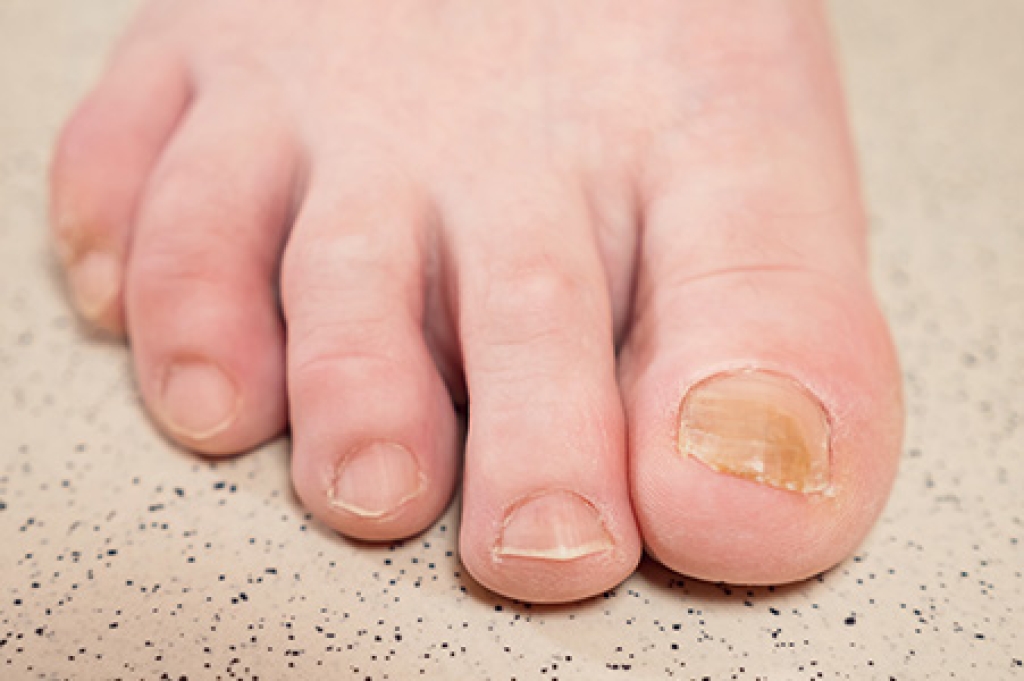
Facts About Fungal Toenails

Toenail fungus, also called onychomycosis, is an infection that affects the toenails far more often than the fingernails. It is estimated that about one in 10 people will develop it, with higher rates among older adults, men, and those with diabetes or circulation problems in the feet. The infection is usually caused by dermatophytes, a type of fungus that thrives in warm, moist environments. It can be picked up from surfaces like locker room floors or through direct contact with the fungus. Early signs of fungal toenails include yellow or white spots on the nail or a chalky buildup beneath the surface. As the infection progresses, the nail may thicken, discolor, and become brittle or distorted, sometimes separating from the nail bed. A podiatrist can confirm the diagnosis, provide treatment, and suggest ways to reduce the risk of complications or recurrence. If you have symptoms of a fungal toenail infection, it is suggested that you make an appointment with a podiatrist for an exam, diagnosis and appropriate treatment.

If left untreated, toenail fungus may spread to other toenails, skin, or even fingernails. If you suspect you have toenail fungus it is important to seek treatment right away. For more information about treatment, contact Dr. Michael T. Hames of Florence Foot Center. Our doctor can provide the care you need to keep you pain-free and on your feet.

Symptoms

  • Warped or oddly shaped nails
  • Yellowish nails
  • Loose/separated nail
  • Buildup of bits and pieces of nail fragments under the nail
  • Brittle, broken, thickened nail

Treatment

If self-care strategies and over-the-counter medications does not help your fungus, your podiatrist may give you a prescription drug instead. Even if you find relief from your toenail fungus symptoms, you may experience a repeat infection in the future.

Prevention

In order to prevent getting toenail fungus in the future, you should always make sure to wash your feet with soap and water. After washing, it is important to dry your feet thoroughly especially in between the toes. When trimming your toenails, be sure to trim straight across instead of in a rounded shape. It is crucial not to cover up discolored nails with nail polish because that will prevent your nail from being able to “breathe”.

In some cases, surgical procedure may be needed to remove the toenail fungus. Consult with your podiatrist about the best treatment options for your case of toenail fungus.  

If you have any questions please contact our office located in Florence, Alabama . We offer the newest diagnostic and treatment technologies for all your foot and ankle needs.


Read more about How to Treat Your Toenail Fungus

What Causes an Ingrown Toenail?

Ingrown toenails develop when the corner or edge of a toenail grows into the skin beside it, most often affecting the big toe. Several factors can contribute to the formation of ingrown toenails. Trimming toenails too short or curving them at the edges can direct the nail into the skin. Naturally curved or thickened nails may also increase the risk. Shoes that are too tight or narrow can compress the toes and force the nail edges downward. Repeated toe injuries, such as stubbing or dropping a heavy object on it, also may trigger the problem.  Additionally, sweaty feet and prolonged athletic activities, especially sports that involve kicking or pressure on the toes, can make ingrown toenails more likely. When left untreated, pain, swelling, and infection can occur. A podiatrist can evaluate the severity of the ingrown toenail and provide treatment, which may include nail correction or surgery, if necessary. If you are experiencing pain around your toenails, it is suggested that you schedule an appointment with a podiatrist for an evaluation and appropriate treatment.

Ingrown toenails may initially present themselves as a minor discomfort, but they may progress into an infection in the skin without proper treatment. For more information about ingrown toenails, contact Dr. Michael T. Hames of Florence Foot Center. Our doctor can provide the care you need to keep you pain-free and on your feet.

Ingrown Toenails

Ingrown toenails are caused when the corner or side of a toenail grows into the soft flesh surrounding it. They often result in redness, swelling, pain, and in some cases, infection. This condition typically affects the big toe and may recur if it is not treated properly.

Causes

  • Improper toenail trimming
  • Genetics
  • Improper shoe fitting
  • Injury from pedicures or nail picking
  • Abnormal gait
  • Poor hygiene

You are more likely to develop an ingrown toenail if you are obese, have diabetes, arthritis, or have any fungal infection in your nails. Additionally, people who have foot or toe deformities are at a higher risk of developing an ingrown toenail.

Symptoms

Some symptoms of ingrown toenails are redness, swelling, and pain. In rare cases, there may be a yellowish drainage coming from the nail.

Treatment

Ignoring an ingrown toenail can have serious complications. Infections of the nail border can progress to a deeper soft-tissue infection, which can then turn into a bone infection. You should always speak with your podiatrist if you suspect you have an ingrown toenail, especially if you have diabetes or poor circulation.

If you have any questions, please feel free to contact our office located in Florence, Alabama . We offer the newest diagnostic and treatment technologies for all your foot care needs.

Read more about Ingrown Toenail Care

What You Need to Know About Plantar Warts

Plantar warts are small growths that appear on the soles of the feet and are caused by the human papillomavirus, or HPV. The virus enters through tiny cuts or breaks in the skin, often in places like public showers, pool areas, or locker rooms. Symptoms include a thickened, rough patch of skin with a small black dot in the center, which is a clotted blood vessel. They may feel tender or painful, especially while walking or standing. Plantar warts can grow individually or in clusters and may be mistaken for calluses or corns. A podiatrist can diagnose plantar warts through a physical examination and sometimes remove a small portion to confirm the presence of the virus. Relief options include topical medications or minor surgical removal. Early treatment can help prevent the spread of the virus and reduce discomfort. If you notice a painful or unusual growth on your foot,  it is suggested that you schedule an appointment with a podiatrist who can effectively treat plantar warts.

Plantar warts can be very uncomfortable. If you need your feet checked, contact Dr. Michael T. Hames from Florence Foot Center. Our doctor will assist you with all of your foot and ankle needs.

About Plantar Warts

Plantar warts are the result of HPV, or human papillomavirus, getting into open wounds on the feet. They are mostly found on the heels or balls of the feet.

While plantar warts are generally harmless, those experiencing excessive pain or those suffering from diabetes or a compromised immune system require immediate medical care. Plantar warts are easily diagnosed, usually through scraping off a bit of rough skin or by getting a biopsy.

Symptoms

  • Lesions on the bottom of your feet, usually rough and grainy
  • Hard or thick callused spots
  • Wart seeds, which are small clotted blood vessels that look like little black spots
  • Pain, discomfort, or tenderness of your feet when walking or standing

Treatment

  • Freezing
  • Electric tool removal
  • Laser Treatment
  • Topical Creams (prescription only)
  • Over-the-counter medications

To help prevent developing plantar warts, avoid walking barefoot over abrasive surfaces that can cause cuts or wounds for HPV to get into. Avoiding direct contact with other warts, as well as not picking or rubbing existing warts, can help prevent the further spread of plantar warts. However, if you think you have developed plantar warts, speak to your podiatrist. He or she can diagnose the warts on your feet and recommend the appropriate treatment options.

If you have any questions, please feel free to contact our office located in Florence, Alabama . We offer the newest diagnostic and treatment technologies for all your foot care needs.

Read more about All About Plantar Warts

Understanding Gout and the Foods to Avoid

Gout is a form of arthritis caused by the buildup of uric acid crystals in the joints, most often affecting the big toe. It has long been called the disease of kings, due to its association with rich foods and indulgence. A gout attack can bring sudden, intense pain, swelling, and redness, making it difficult to walk or wear shoes. To help manage gout, it is best to avoid foods high in purines such as red meat, shellfish, and alcohol while choosing more fruits, vegetables, whole grains, and low fat dairy. A podiatrist can provide treatment for pain relief and guidance for prevention. If you are experiencing gout symptoms, it is suggested that you are under the care of a podiatrist who can help you with effective management and prevention tips. 

Gout is a foot condition that requires certain treatment and care. If you are seeking treatment, contact Dr. Michael T. Hames from Florence Foot Center. Our doctor will treat your foot and ankle needs.

What Is Gout?

Gout is a type of arthritis caused by a buildup of uric acid in the bloodstream. It often develops in the foot, especially the big toe area, although it can manifest in other parts of the body as well. Gout can make walking and standing very painful and is especially common in diabetics and the obese.

People typically get gout because of a poor diet. Genetic predisposition is also a factor. The children of parents who have had gout frequently have a chance of developing it themselves.

Gout can easily be identified by redness and inflammation of the big toe and the surrounding areas of the foot. Other symptoms include extreme fatigue, joint pain, and running high fevers. Sometimes corticosteroid drugs can be prescribed to treat gout, but the best way to combat this disease is to get more exercise and eat a better diet.

If you have any questions, please feel free to contact our office located in Florence, Alabama . We offer the newest diagnostic and treatment technologies for all your foot care needs.

Read more about Gout

Are You Suffering From Nerve Damage?

Neuropathy is a condition that can lead to numbness or loss of sensation in the feet, but it can also cause pain. This condition is more likely to develop for those who are diabetic, obese, or with high blood pressure.

Connect With Us