Causes and Risk Factors for Gout

Gout is a form of inflammatory arthritis that leads to sudden and intense joint pain, often affecting the big toe and usually occurring at night. It can also target the other toes as well as the ankles. Gout arises from having high levels of uric acid in the blood. This substance forms from the breakdown of purines found in foods like red meat, organ meats, certain seafood, sugary sodas, and beer. Excess uric acid can form needle-like crystals in the joints that cause severe pain and swelling. Men are three times more likely to develop gout than women, particularly after age 40. Women become more susceptible post-menopausal because of a decrease in estrogen levels. Risk factors for gout include a diet high in purine-rich foods, high-fructose corn syrup, excessive alcohol consumption, obesity, and a family history of gout. Chronic conditions like diabetes, kidney disease, and certain high blood pressure medications are other factors. A podiatrist can diagnose gout through joint fluid analysis, blood tests, and imaging to detect uric acid crystals. If you have sudden and severe pain in the big toe that may be due to gout, it is suggested that you schedule an appointment with a podiatrist for a diagnosis and treatment options.

Gout is a foot condition that requires certain treatment and care. If you are seeking treatment, contact Dr. Michael T. Hames from Florence Foot Center. Our doctor will treat your foot and ankle needs.

What Is Gout?

Gout is a type of arthritis caused by a buildup of uric acid in the bloodstream. It often develops in the foot, especially the big toe area, although it can manifest in other parts of the body as well. Gout can make walking and standing very painful and is especially common in diabetics and the obese.

People typically get gout because of a poor diet. Genetic predisposition is also a factor. The children of parents who have had gout frequently have a chance of developing it themselves.

Gout can easily be identified by redness and inflammation of the big toe and the surrounding areas of the foot. Other symptoms include extreme fatigue, joint pain, and running high fevers. Sometimes corticosteroid drugs can be prescribed to treat gout, but the best way to combat this disease is to get more exercise and eat a better diet.

If you have any questions, please feel free to contact our office located in Florence, Alabama . We offer the newest diagnostic and treatment technologies for all your foot care needs.

Read more about Gout

Key Facts About Foot Stress Fractures

Foot stress fractures are tiny cracks, usually found in the long bones of the foot, that result from repetitive force or overuse. These fractures often occur in athletes and individuals who engage in high-impact activities like running or jumping. Risk factors can include a sudden increase in activity intensity, wearing improper footwear, and conditions like osteoporosis that weaken bones. Stress fractures develop when muscles become fatigued and lose their ability to absorb shock, transferring the impact to the bones. Common sites for these fractures are the metatarsal bones, which bear significant weight during movement. Symptoms often include pain, swelling, and tenderness that worsen with activity. Early diagnosis is vital for healing and preventing further complications. If you have foot pain after bouts of exercise, it is suggested that you contact a podiatrist who can accurately diagnose and treat stress fractures.

Activities where too much pressure is put on the feet can cause stress fractures. To learn more, contact Dr. Michael T. Hames from Florence Foot Center. Our doctor can provide the care you need to keep your pain free and on your feet.

Dealing with Stress Fractures of the Foot and Ankle

Stress fractures occur in the foot and ankle when muscles in these areas weaken from too much or too little use.  The feet and ankles then lose support when walking or running from the impact of the ground. Since there is no protection, the bones receive the full impact of each step. Stress on the feet can cause cracks to form in the bones, thus creating stress fractures.

What Are Stress Fractures?

Stress fractures occur frequently in individuals whose daily activities cause great impact on the feet and ankles. Stress factors are most common among:

  • Runners                                
  • People affected with Osteoporosis
  • Tennis or basketball players
  • Gymnasts
  • High impact workouts

Symptoms

Pain from the fractures occur in the area of the fractures and can be constant or intermittent. It will often cause sharp or dull pain with swelling and tenderness. Engaging in any kind of activity which involves high impact will aggravate pain.

If you have any questions please contact our office located in Florence, Alabama . We offer the newest diagnostic and treatment technologies for all your foot and ankle needs.

Read more about Dealing with Stress Fractures of the Foot and Ankle

Anatomical Facts About Tarsal Tunnel Syndrome

Tarsal tunnel syndrome is a condition caused by the compression of the posterior tibial nerve as it travels through the tarsal tunnel, a narrow space inside the ankle. This tunnel is formed by bone and a dense band of tissue called the flexor retinaculum. The posterior tibial nerve, along with arteries, veins, and tendons, passes through this confined space, providing sensation to the bottom of the foot and motor function to the muscles. When the nerve is compressed, it can cause pain, numbness, and tingling in the foot and ankle. Factors contributing to this condition include inflammation, injury, or structural issues such as flat feet. Tarsal tunnel syndrome can cause pain and discomfort. If you have this condition, it is suggested that you visit a podiatrist who can effectively treat this ailment.

Tarsal tunnel syndrome can be very uncomfortable to live with. If you are experiencing tarsal tunnel syndrome, contact Dr. Michael T. Hames of Florence Foot Center. Our doctor can provide the care you need to keep you pain-free and on your feet.

Tarsal Tunnel Syndrome

Tarsal tunnel syndrome, which can also be called tibial nerve dysfunction, is an uncommon condition of misfiring peripheral nerves in the foot. The tibial nerve is the peripheral nerve in the leg responsible for sensation and movement of the foot and calf muscles. In tarsal tunnel syndrome, the tibial nerve is damaged, causing problems with movement and feeling in the foot of the affected leg.

Common Cause of Tarsal Tunnel Syndrome

  • Involves pressure or an injury, direct pressure on the tibial nerve for an extended period of time, sometimes caused by other body structures close by or near the knee.
  • Diseases that damage nerves, including diabetes, may cause tarsal tunnel syndrome.
  • At times, tarsal tunnel syndrome can appear without an obvious cause in some cases.

The Effects of Tarsal Tunnel Syndrome

  • Different sensations, an afflicted person may experience pain, tingling, burning or other unusual sensations in the foot of the affected leg.
  • The foot muscles, toes and ankle become weaker, and curling your toes or flexing your foot can become difficult.
  • If condition worsens, infections and ulcers may develop on the foot that is experiencing the syndrome.

A physical exam of the leg can help identify the presence of tarsal tunnel syndrome. Medical tests, such as a nerve biopsy, are also used to diagnose the condition. Patients may receive physical therapy and prescriptive medication. In extreme cases, some may require surgery.

If you have any questions please contact our office located in Florence, Alabama . We offer the newest diagnostic and treatment technologies for all your foot and ankle needs.

Read more about Tarsal Tunnel Syndrome

Are You Suffering From Nerve Damage?

Neuropathy is a condition that can lead to numbness or loss of sensation in the feet, but it can also cause pain. This condition is more likely to develop for those who are diabetic, obese, or with high blood pressure.

Minimally Invasive Surgery for Heel Spurs

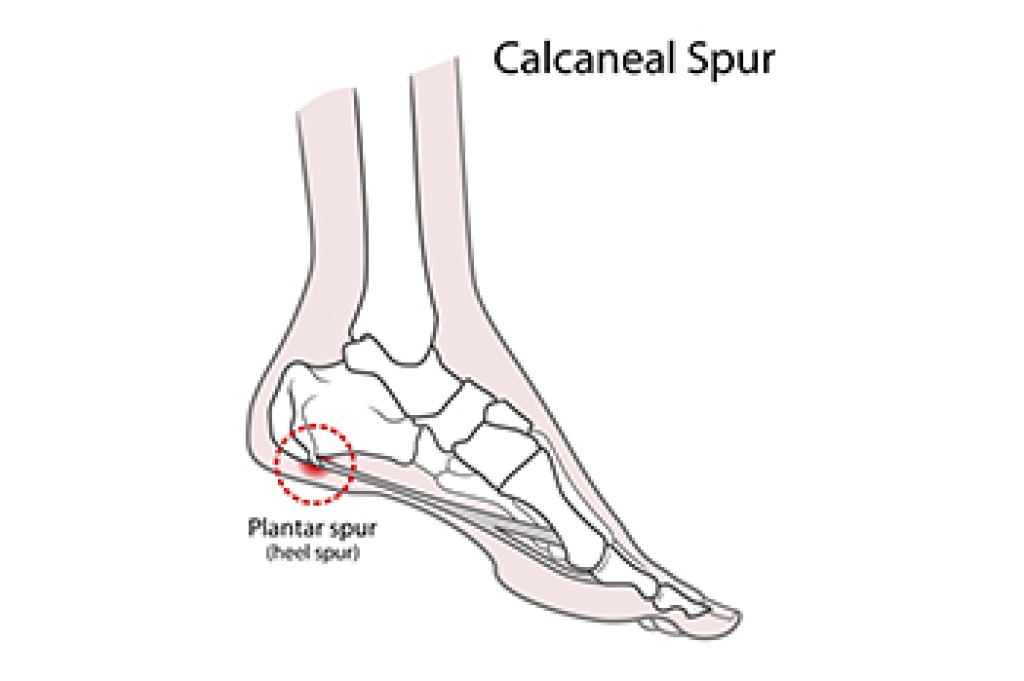
Heel spurs are bony growths that develop on the underside of the heel bone, often causing heel pain. They form when calcium deposits build up over time, usually due to strain on foot muscles and ligaments, stretching of the plantar fascia, or repeated tearing of the membrane that covers the heel bone. People most at risk include those with flat feet or high arches, athletes who engage in a lot of running and jumping, and individuals who are overweight or wear poorly fitted shoes. Symptoms of heel spurs include sharp pain in the heel, especially while standing up in the morning or after sitting for a long time, and a feeling of a small, hard lump under the heel. Treatment generally involves rest, wearing orthotic inserts, gentle exercises, and taking anti-inflammatory medications. However, for persistent pain, a minimally invasive procedure called a percutaneous plantar fasciotomy, which involves releasing tension in the fascia can be an alternative to surgically removing the spur. If you think you have a heel spur, it is suggested that you schedule an appointment with a podiatrist for a proper diagnosis and treatment plan that is right for you.

Foot surgery is sometimes necessary to treat a foot ailment. To learn more, contact Dr. Michael T. Hames of Florence Foot Center. Our doctor will assist you with all of your foot and ankle needs.

When Is Surgery Necessary?

Foot and ankle surgery is generally reserved for cases in which less invasive, conservative procedures have failed to alleviate the problem. Some of the cases in which surgery may be necessary include:

  • Removing foot deformities like bunions and bone spurs
  • Severe arthritis that has caused bone issues
  • Cosmetic reconstruction

What Types of Surgery Are There?

The type of surgery you receive will depend on the nature of the problem you have. Some of the possible surgeries include:

  • Bunionectomy for painful bunions
  • Surgical fusion for realignment of bones
  • Neuropathy decompression surgery to treat nerve damage

Benefits of Surgery

Although surgery is usually a last resort, it can provide more complete pain relief compared to non-surgical methods and may allow you to finally resume full activity.

Surgical techniques have also become increasingly sophisticated. Techniques like endoscopic surgery allow for smaller incisions and faster recovery times.

If you have any questions, please feel free to contact our office located in Florence, Alabama . We offer the newest diagnostic and treatment technologies for all your foot care needs.

Read more about Foot and Ankle Surgery

Connect With Us