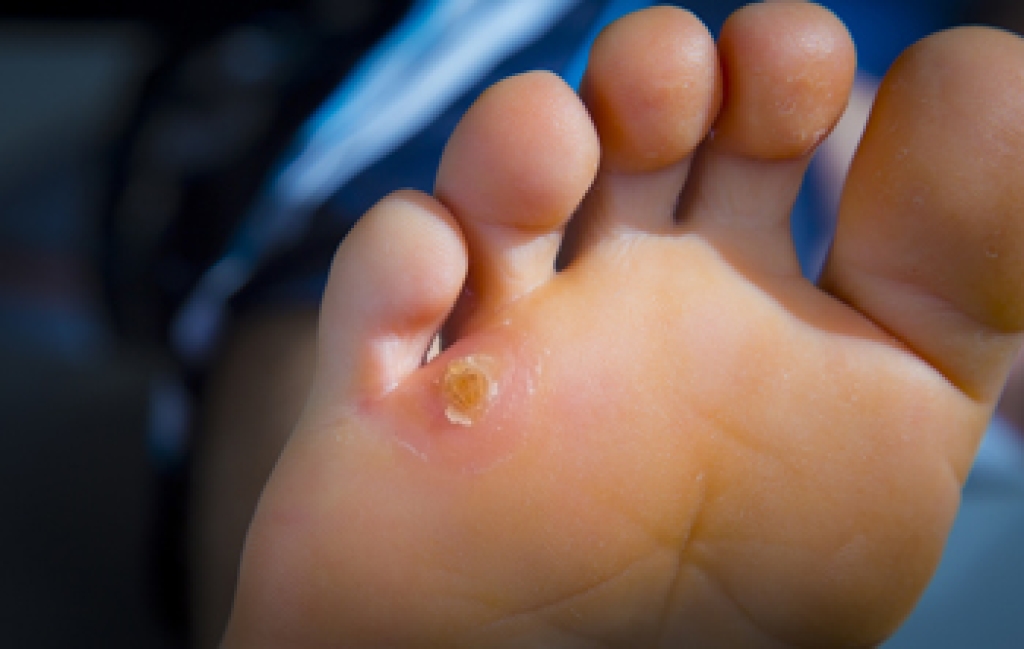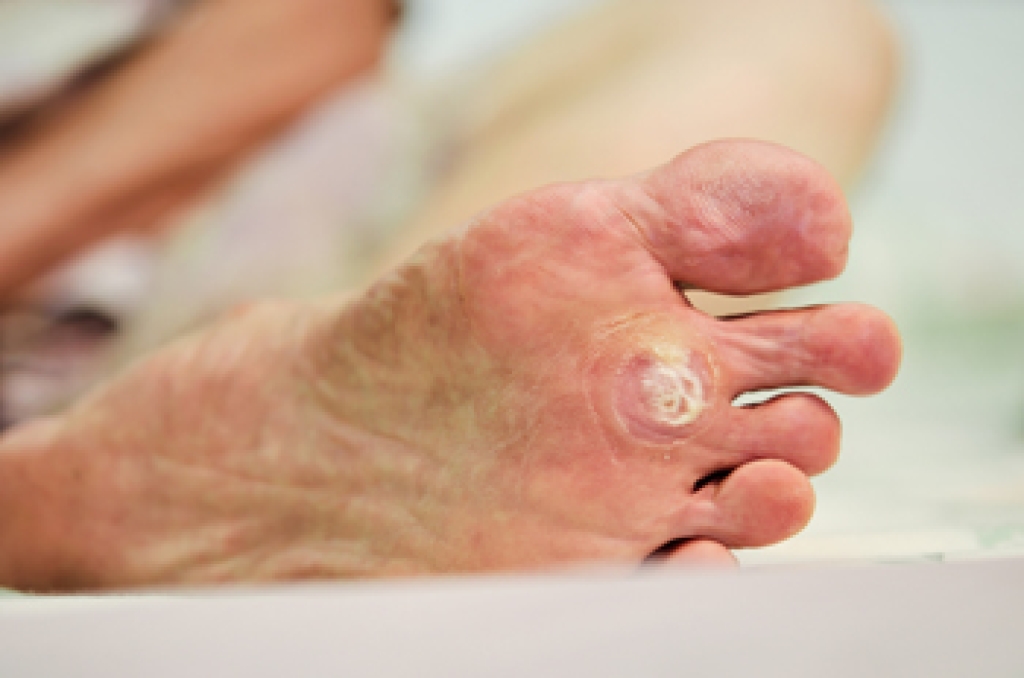
Symptoms and Transmission of Plantar Warts

Plantar warts are benign growths that appear on the soles of the feet due to a viral infection caused by the human papillomavirus, or HPV. These warts often develop on weight-bearing areas, such as the heels or balls of the feet, that make walking uncomfortable. Symptoms typically include small, rough, and grainy lesions that may have tiny black dots within them. They can also cause pain or discomfort when standing or walking. Plantar warts spread through direct contact with the virus, which thrives in warm, moist environments, like swimming pools or communal showers. The virus enters the skin through small cuts or abrasions. Maintaining good foot hygiene and avoiding walking barefoot in public places can help reduce the risk of contracting and spreading plantar warts. If you have developed a plantar wart, it is suggested that you schedule an appointment with a podiatrist who can treat it accordingly.

Plantar warts can be very uncomfortable. If you need your feet checked, contact Dr. Michael T. Hames from Florence Foot Center. Our doctor will assist you with all of your foot and ankle needs.

About Plantar Warts

Plantar warts are the result of HPV, or human papillomavirus, getting into open wounds on the feet. They are mostly found on the heels or balls of the feet.

While plantar warts are generally harmless, those experiencing excessive pain or those suffering from diabetes or a compromised immune system require immediate medical care. Plantar warts are easily diagnosed, usually through scraping off a bit of rough skin or by getting a biopsy.

Symptoms

  • Lesions on the bottom of your feet, usually rough and grainy
  • Hard or thick callused spots
  • Wart seeds, which are small clotted blood vessels that look like little black spots
  • Pain, discomfort, or tenderness of your feet when walking or standing

Treatment

  • Freezing
  • Electric tool removal
  • Laser Treatment
  • Topical Creams (prescription only)
  • Over-the-counter medications

To help prevent developing plantar warts, avoid walking barefoot over abrasive surfaces that can cause cuts or wounds for HPV to get into. Avoiding direct contact with other warts, as well as not picking or rubbing existing warts, can help prevent the further spread of plantar warts. However, if you think you have developed plantar warts, speak to your podiatrist. He or she can diagnose the warts on your feet and recommend the appropriate treatment options.

If you have any questions, please feel free to contact our office located in Florence, Alabama . We offer the newest diagnostic and treatment technologies for all your foot care needs.
Read more about Plantar Warts

Causes of Second Toe Pain

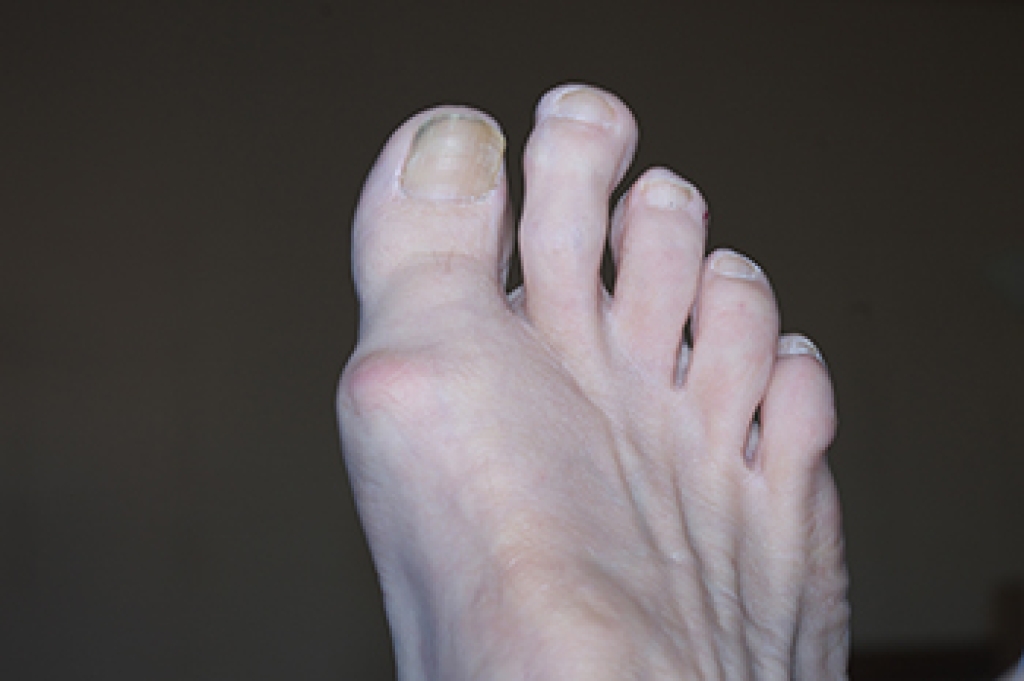
Pain in the second toe can stem from various conditions, often leading to discomfort that interferes with daily activities. Capsulitis, a common cause of second toe pain, occurs when the ligament capsule at the base of the affected toe becomes inflamed. This may be due to improper foot mechanics or pressure from an unstable arch. Metatarsalgia, or pain in the ball of the foot, can occur beneath the second toe. It is often worsened by wearing ill-fitting shoes, such as high heels, that place increased pressure on the area. Additionally, conditions like bunions, ingrown toenails, and Freiberg’s disease, which involves a lack of blood supply to the second toe joint, can contribute to second toe pain. Signs that you should see a podiatrist include having difficulty putting on your shoe, noticeable swelling, and especially if your toe turns blue or very pale. If you are experiencing these symptoms, it is suggested that you schedule an appointment with a podiatrist for a diagnosis and treatment options.

Toe pain can disrupt your daily activities. If you have any concerns, contact Dr. Michael T. Hames of Florence Foot Center. Our doctor can provide the care you need to keep you pain-free and on your feet.

What Causes Toe Pain?

Most severe toe pain is caused due to a sports injury, trauma from dropping something heavy on the toe, or bumping into something rigid. Other problems can develop over time for various reasons.

Toe pain can be caused by one or more ailments. The most common include:

  • Trauma
  • Sports injury
  • Wearing shoes that are too tight
  • Arthritis
  • Gout
  • Corns and calluses
  • Hammertoe
  • Bunions
  • Blisters
  • Ingrown toenails
  • Sprains
  • Fractures (broken bones)
  • Dislocations

When to See a Podiatrist

  • Severe pain
  • Persistent pain that lasts more than a week
  • Signs of infection
  • Continued swelling
  • Pain that prevents walking

Diagnosis

In many cases the cause of toe pain is obvious, but in others, a podiatrist may want to use more advanced methods to determine the problem. These can range from simple visual inspections and sensation tests to X-rays and MRI scans. Prior medical history, family medical history, and any recent physical traumatic events will all be taken into consideration for a proper diagnosis.

Treatment

Treatments for toe pain and injuries vary and may include shoe inserts, padding, taping, medicines, injections, and in some cases, surgery. If you believe that you have broken a toe, please see a podiatrist as soon as possible.

If you have any questions please contact our office located in Florence, Alabama . We offer the newest diagnostic and treatment technologies for all your foot and ankle needs.

Read more about Toe Pain

Contusions of Foot or Ankle Bones

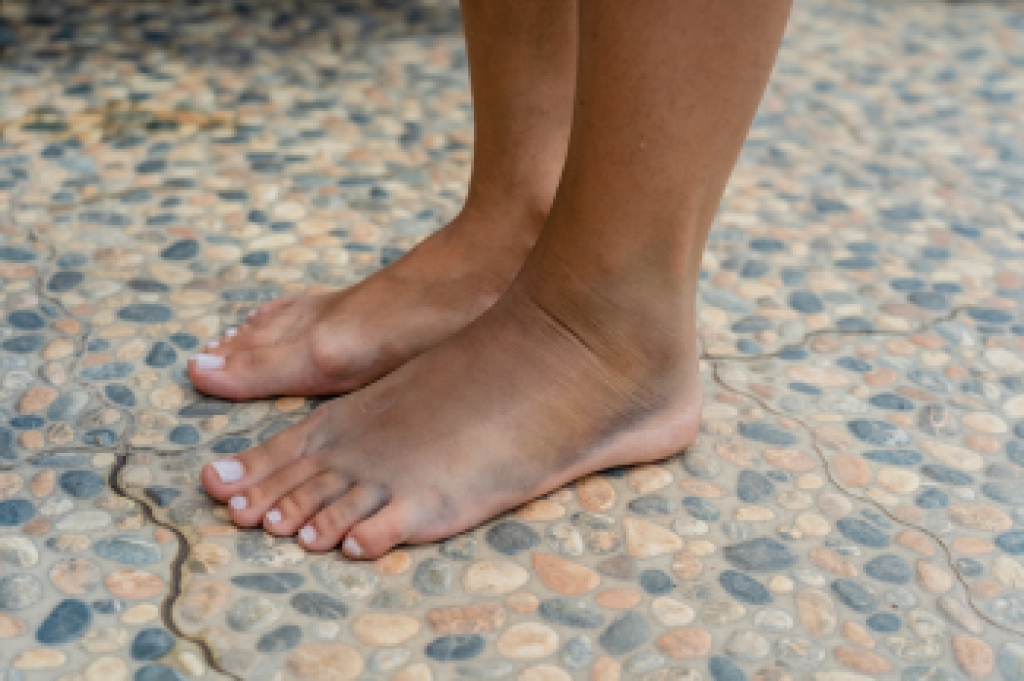
A contusion, commonly known as a bruise, occurs when small blood vessels under the skin are damaged, often due to a direct impact or trauma. In the context of the feet or ankle bones, a contusion might result from a fall, sports injury, or even bumping the area against a hard surface. When a contusion happens, blood leaks from the damaged vessels into the surrounding tissues, causing discoloration, swelling, and tenderness. Diagnosis is usually based on physical examination, but in severe cases, imaging tests may be required. Treatment involves rest, compression, and elevation, in addition to mild pain relievers, if necessary. If you have a contusion that does not seem to be healing or that is causing pain, it is suggested that you schedule an appointment with a podiatrist for an examination and treatment.

Ankle and foot injuries are common among athletes and in many sports. They can be caused by several problems and may be potentially serious. If you are feeling pain or think you were injured in a sporting event or when exercising, consult with Dr. Michael T. Hames from Florence Foot Center. Our doctor will assess your condition and provide you with quality foot and ankle treatment.

Common Injuries

The most common injuries that occur in sporting activities include:

  • Achilles Tendonitis
  • Achilles Tendon Rupture
  • Ankle Sprains
  • Broken Foot
  • Plantar Fasciitis
  • Stress Fractures
  • Turf Toe

Symptoms

Symptoms vary depending upon the injury and in some cases, there may be no symptoms at all. However, in most cases, some form of symptom is experienced. Pain, aching, burning, bruising, tenderness, tightness or stiffness, sensation loss, difficulty moving, and swelling are the most common symptoms.

Treatment

Just as symptoms vary depending upon the injury, so do treatment options. A common treatment method is known as the RICE method. This method involves rest, applying ice, compression and elevating the afflicted foot or ankle. If the injury appears to be more serious, surgery might be required, such as arthroscopic or reconstructive surgery. Lastly, rehabilitation or therapy might be needed to gain full functionality in the afflicted area. Any discomfort experienced by an athlete must be evaluated by a licensed, reputable medical professional.  

If you have any questions please contact our office located in Florence, Alabama . We offer the newest diagnostic and treatment technologies for all your foot and ankle needs.

Read more about Sports Related Foot and Ankle Injuries

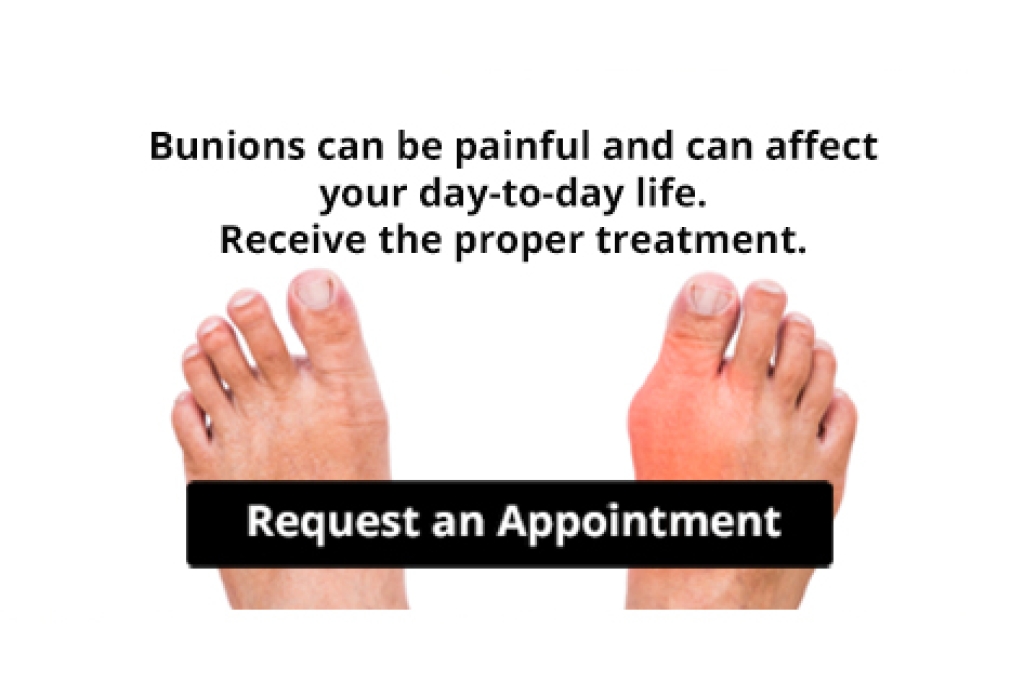
Are Bunions Affecting Your Everyday Life?

Have you noticed a bony protrusion on the side of your big toe? If so, you may have developed the foot condition known as a bunion. Don't let bunions interfere with your daily activities.

Understanding Seed Corns on the Foot

Seed corns on the foot are small, painful calluses that typically develop on the sole or between the toes. This condition arises from pressure and friction, often caused by wearing ill-fitting shoes or abnormal foot mechanics. Seed corns are characterized by a small, hard central core surrounded by inflamed skin. There are different types of corns, which are hard corns that form on the tops and sides of toes, soft corns, which appear between toes and are softer due to moisture, and seed corns, which are discrete, localized areas. To manage seed corns, it is important to wear comfortable, well-fitting shoes and use protective pads. Regular foot care and avoiding activities that put excessive pressure on the feet can help prevent these painful growths. If you have developed a corn on your foot, it is suggested that you visit a podiatrist who can identify what type of corn it is, and offer appropriate relief options.

If you have any concerns regarding your feet and ankles, contact Dr. Michael T. Hames of Florence Foot Center. Our doctor will treat your foot and ankle needs.

Corns: What Are They? and How Do You Get Rid of Them?
Corns can be described as areas of the skin that have thickened to the point of becoming painful or irritating. They are often layers and layers of the skin that have become dry and rough, and are normally smaller than calluses.

Ways to Prevent Corns
There are many ways to get rid of painful corns such as wearing:

  • Well-fitting socks
  • Comfortable shoes that are not tight around your foot
  • Shoes that offer support

Treating Corns
Treatment of corns involves removing the dead skin that has built up in the specific area of the foot. Consult with Our doctor to determine the best treatment option for your case of corns.

If you have any questions, please feel free to contact our office located in Florence, Alabama . We offer the newest diagnostic and treatment technologies for all your foot care needs.
Read more about Understanding Corns and Calluses

Connect With Us