What You Need to Know About Plantar Warts

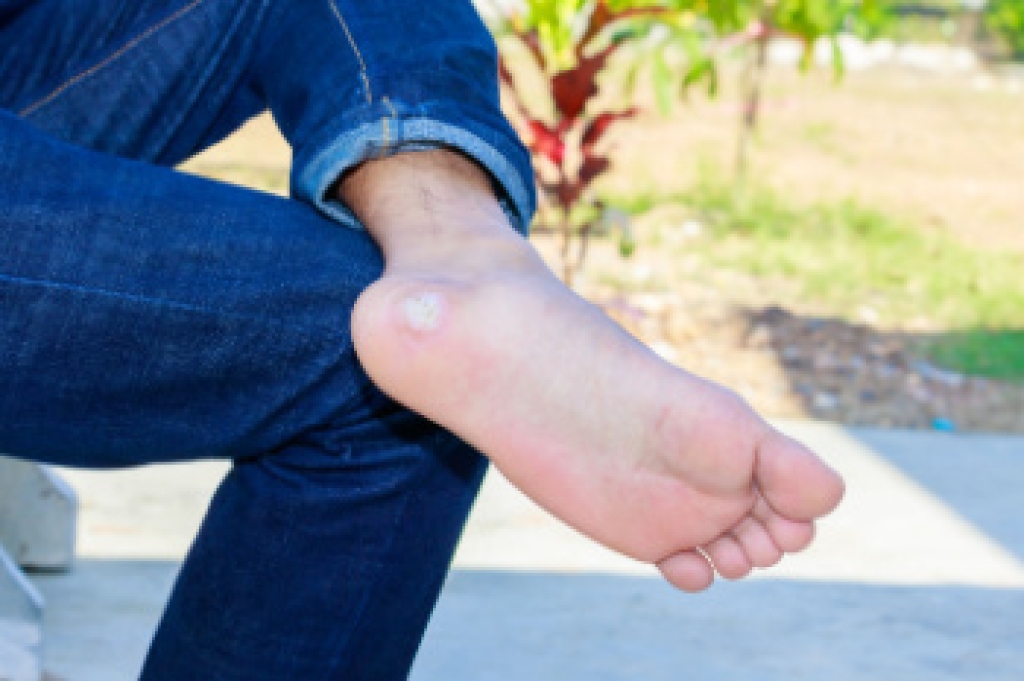
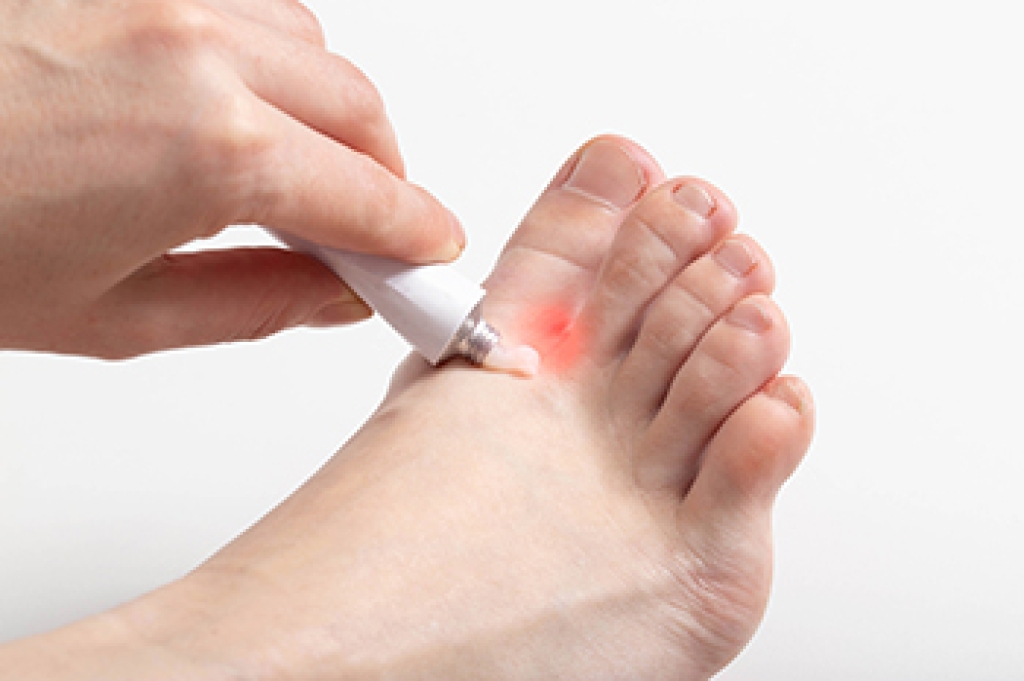
Plantar warts are small growths that appear on the soles of the feet and are caused by the human papillomavirus, or HPV. The virus enters through tiny cuts or breaks in the skin, often in places like public showers, pool areas, or locker rooms. Symptoms include a thickened, rough patch of skin with a small black dot in the center, which is a clotted blood vessel. They may feel tender or painful, especially while walking or standing. Plantar warts can grow individually or in clusters and may be mistaken for calluses or corns. A podiatrist can diagnose plantar warts through a physical examination and sometimes remove a small portion to confirm the presence of the virus. Relief options include topical medications or minor surgical removal. Early treatment can help prevent the spread of the virus and reduce discomfort. If you notice a painful or unusual growth on your foot,  it is suggested that you schedule an appointment with a podiatrist who can effectively treat plantar warts.

Plantar warts can be very uncomfortable. If you need your feet checked, contact Dr. Michael T. Hames from Florence Foot Center. Our doctor will assist you with all of your foot and ankle needs.

About Plantar Warts

Plantar warts are the result of HPV, or human papillomavirus, getting into open wounds on the feet. They are mostly found on the heels or balls of the feet.

While plantar warts are generally harmless, those experiencing excessive pain or those suffering from diabetes or a compromised immune system require immediate medical care. Plantar warts are easily diagnosed, usually through scraping off a bit of rough skin or by getting a biopsy.

Symptoms

  • Lesions on the bottom of your feet, usually rough and grainy
  • Hard or thick callused spots
  • Wart seeds, which are small clotted blood vessels that look like little black spots
  • Pain, discomfort, or tenderness of your feet when walking or standing

Treatment

  • Freezing
  • Electric tool removal
  • Laser Treatment
  • Topical Creams (prescription only)
  • Over-the-counter medications

To help prevent developing plantar warts, avoid walking barefoot over abrasive surfaces that can cause cuts or wounds for HPV to get into. Avoiding direct contact with other warts, as well as not picking or rubbing existing warts, can help prevent the further spread of plantar warts. However, if you think you have developed plantar warts, speak to your podiatrist. He or she can diagnose the warts on your feet and recommend the appropriate treatment options.

If you have any questions, please feel free to contact our office located in Florence, Alabama . We offer the newest diagnostic and treatment technologies for all your foot care needs.


Read more about All About Plantar Warts

Understanding Gout and the Foods to Avoid

Gout is a form of arthritis caused by the buildup of uric acid crystals in the joints, most often affecting the big toe. It has long been called the disease of kings, due to its association with rich foods and indulgence. A gout attack can bring sudden, intense pain, swelling, and redness, making it difficult to walk or wear shoes. To help manage gout, it is best to avoid foods high in purines such as red meat, shellfish, and alcohol while choosing more fruits, vegetables, whole grains, and low fat dairy. A podiatrist can provide treatment for pain relief and guidance for prevention. If you are experiencing gout symptoms, it is suggested that you are under the care of a podiatrist who can help you with effective management and prevention tips. 

Gout is a foot condition that requires certain treatment and care. If you are seeking treatment, contact Dr. Michael T. Hames from Florence Foot Center. Our doctor will treat your foot and ankle needs.

What Is Gout?

Gout is a type of arthritis caused by a buildup of uric acid in the bloodstream. It often develops in the foot, especially the big toe area, although it can manifest in other parts of the body as well. Gout can make walking and standing very painful and is especially common in diabetics and the obese.

People typically get gout because of a poor diet. Genetic predisposition is also a factor. The children of parents who have had gout frequently have a chance of developing it themselves.

Gout can easily be identified by redness and inflammation of the big toe and the surrounding areas of the foot. Other symptoms include extreme fatigue, joint pain, and running high fevers. Sometimes corticosteroid drugs can be prescribed to treat gout, but the best way to combat this disease is to get more exercise and eat a better diet.

If you have any questions, please feel free to contact our office located in Florence, Alabama . We offer the newest diagnostic and treatment technologies for all your foot care needs.
Read more about Gout

Are You Suffering From Nerve Damage?

Neuropathy is a condition that can lead to numbness or loss of sensation in the feet, but it can also cause pain. This condition is more likely to develop for those who are diabetic, obese, or with high blood pressure.

Preventing Falls in Older Adults and Protecting Foot Health

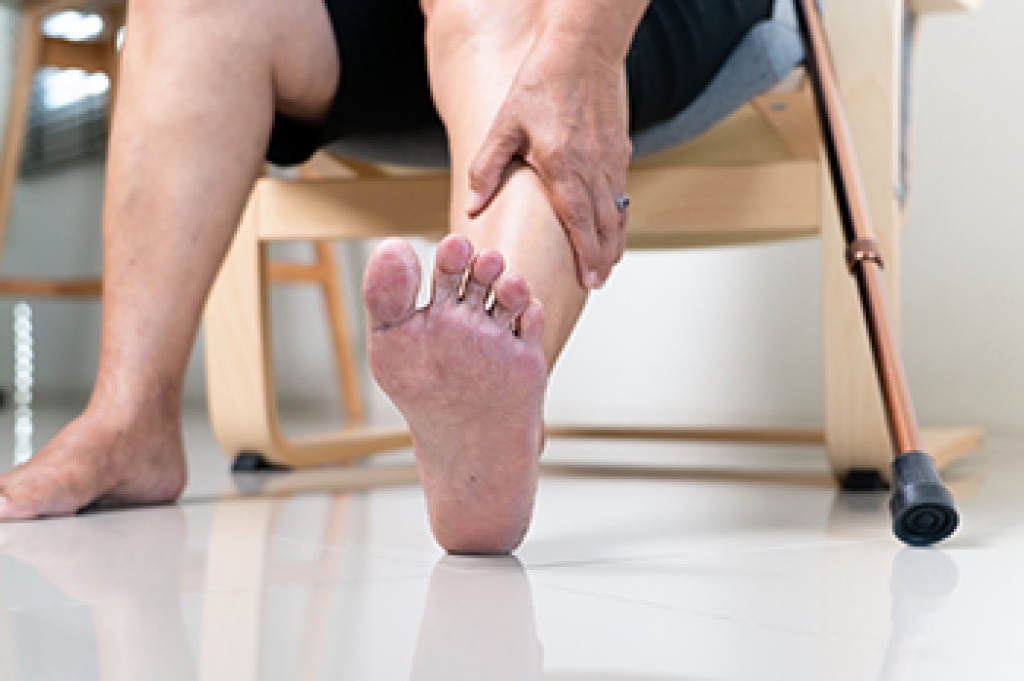
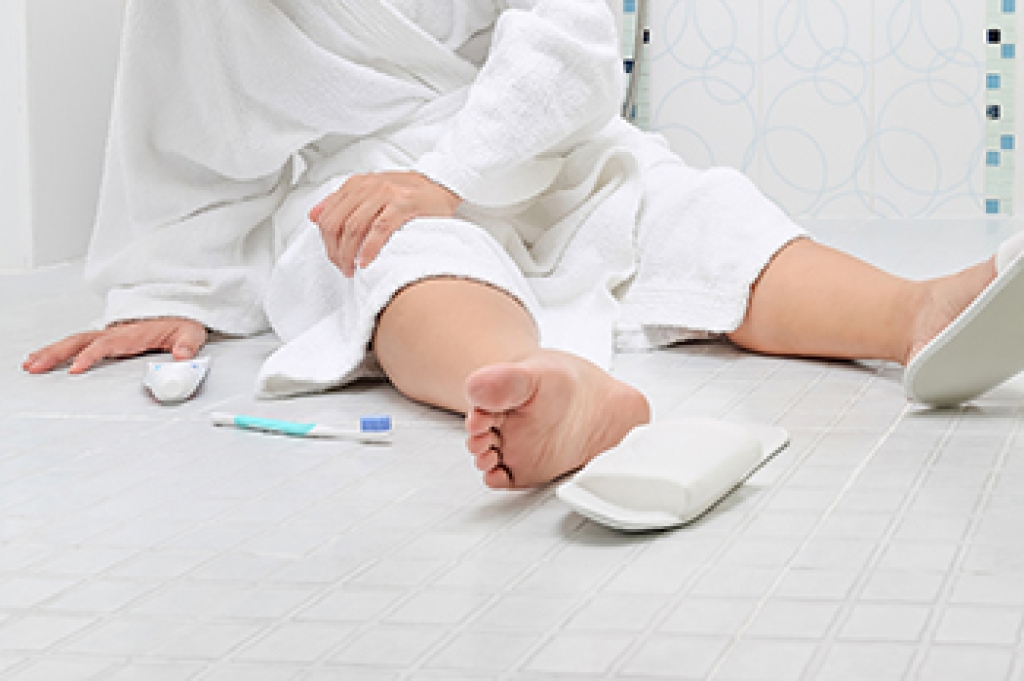
Falls are a major concern for older adults and can lead to serious injuries, including fractures and long recovery times. They may be caused by age-related body changes, poor lighting, wearing unsafe footwear, slippery surfaces, and trip hazards. Medical conditions, such as diabetes, poor vision, and osteoporosis, are other factors. Foot problems like pain, deformities, or loss of sensation can further increase the risk. A podiatrist can assess foot health, recommend supportive footwear, address balance issues, and treat certain underlying conditions to improve stability. By combining proper foot care with a safe home environment, the risk of falls can be greatly reduced. If you have sustained a foot injury from falling, it is suggested that you consult a podiatrist who can offer effective treatment solutions.

Preventing falls among the elderly is very important. If you are older and have fallen or fear that you are prone to falling, consult with Dr. Michael T. Hames from Florence Foot Center. Our doctor will assess your condition and provide you with quality advice and care.

Every 11 seconds, an elderly American is being treated in an emergency room for a fall related injury. Falls are the leading cause of head and hip injuries for those 65 and older. Due to decreases in strength, balance, senses, and lack of awareness, elderly persons are very susceptible to falling. Thankfully, there are a number of things older persons can do to prevent falls.

How to Prevent Falls

Some effective methods that older persons can do to prevent falls include:

  • Enrolling in strength and balance exercise program to increase balance and strength
  • Periodically having your sight and hearing checked
  • Discuss any medications you have with a doctor to see if it increases the risk of falling
  • Clearing the house of falling hazards and installing devices like grab bars and railings
  • Utilizing a walker or cane
  • Wearing shoes that provide good support and cushioning
  • Talking to family members about falling and increasing awareness

Falling can be a traumatic and embarrassing experience for elderly persons; this can make them less willing to leave the house, and less willing to talk to someone about their fears of falling. Doing such things, however, will increase the likelihood of tripping or losing one’s balance. Knowing the causes of falling and how to prevent them is the best way to mitigate the risk of serious injury.  

If you have any questions, please feel free to contact our office located in Florence, Alabama . We offer the newest diagnostic and treatment technologies for all your foot care needs.
Read more about Falls Prevention

Symptoms and Risk Factors for Athlete’s Foot

Athlete's foot is a fungal infection that affects the feet, particularly the soles and the spaces between the toes.  Symptoms include scaling, which can vary from mild redness and itching, to severe cracking and painful blisters. As the athlete's foot infection progresses, the skin may become thickened, and, in some cases, it can lead to bacterial infections, especially in older adults or those with poor circulation. The fungus thrives in moist, warm environments, such as communal showers or areas where individuals walk barefoot. Wearing tight shoes can also increase the risk. Diagnosis is typically made through a visual examination, though a skin scraping may be taken for further analysis, if needed. A podiatrist can provide effective treatment with antifungal medications applied to the affected area or taken orally in more severe cases. If you have a stubborn athlete's foot infection, it is suggested that you schedule an appointment with a podiatrist for advanced treatment.

Athlete’s foot is an inconvenient condition that can be easily reduced with the proper treatment. If you have any concerns about your feet and ankles, contact Dr. Michael T. Hames from Florence Foot Center.  Our doctor will treat your foot and ankle needs.

Athlete’s Foot: The Sole Story

Athlete's foot, also known as tinea pedis, can be an extremely contagious foot infection. It is commonly contracted in public changing areas and bathrooms, dormitory style living quarters, around locker rooms and public swimming pools, or anywhere your feet often come into contact with other people.

Solutions to Combat Athlete’s Foot

  • Hydrate your feet by using lotion
  • Exfoliate
  • Buff off nails
  • Use of anti-fungal products
  • Examine your feet and visit your doctor if any suspicious blisters or cuts develop

Athlete’s foot can cause many irritating symptoms such as dry and flaking skin, itching, and redness. Some more severe symptoms can include bleeding and cracked skin, intense itching and burning, and even pain when walking. In the worst cases, Athlete’s foot can cause blistering as well. Speak to your podiatrist for a better understanding of the different causes of Athlete’s foot, as well as help in determining which treatment options are best for you.

If you have any questions please feel free to contact our office located in Florence, Alabama . We offer the newest diagnostic and treatment technologies for all your foot and ankle needs.

Read more about How to Deal with Athlete's Foot

Understanding Foot Stress Fractures and Recovery

A foot stress fracture, also known as a hairline fracture, is a small crack in a bone that develops from repetitive stress or overuse rather than a single traumatic injury. It can occur when the foot twists the wrong way, changes direction quickly, or endures repeated high-impact activities. Recovery can take six weeks to several months, depending on severity and adherence to treatment. A podiatrist can diagnose a stress fracture with imaging, recommend immobilization or protective footwear, and create a personalized plan to promote healing and prevent reinjury. Ignoring symptoms can lead to prolonged pain or complications. If you have foot pain, and think it may be a foot stress fracture, it is suggested that you consult a podiatrist for a diagnosis and appropriate treatment solutions.

Activities where too much pressure is put on the feet can cause stress fractures. To learn more, contact Dr. Michael T. Hames from Florence Foot Center. Our doctor can provide the care you need to keep your pain free and on your feet.

Dealing with Stress Fractures of the Foot and Ankle

Stress fractures occur in the foot and ankle when muscles in these areas weaken from too much or too little use.  The feet and ankles then lose support when walking or running from the impact of the ground. Since there is no protection, the bones receive the full impact of each step. Stress on the feet can cause cracks to form in the bones, thus creating stress fractures.

What Are Stress Fractures?

Stress fractures occur frequently in individuals whose daily activities cause great impact on the feet and ankles. Stress factors are most common among:

  • Runners                                
  • People affected with Osteoporosis
  • Tennis or basketball players
  • Gymnasts
  • High impact workouts

Symptoms

Pain from the fractures occur in the area of the fractures and can be constant or intermittent. It will often cause sharp or dull pain with swelling and tenderness. Engaging in any kind of activity which involves high impact will aggravate pain.

If you have any questions please contact our office located in Florence, Alabama . We offer the newest diagnostic and treatment technologies for all your foot and ankle needs.

Read more about Dealing with Stress Fractures of the Foot and Ankle

Managing Flare-Ups of Foot Arthritis

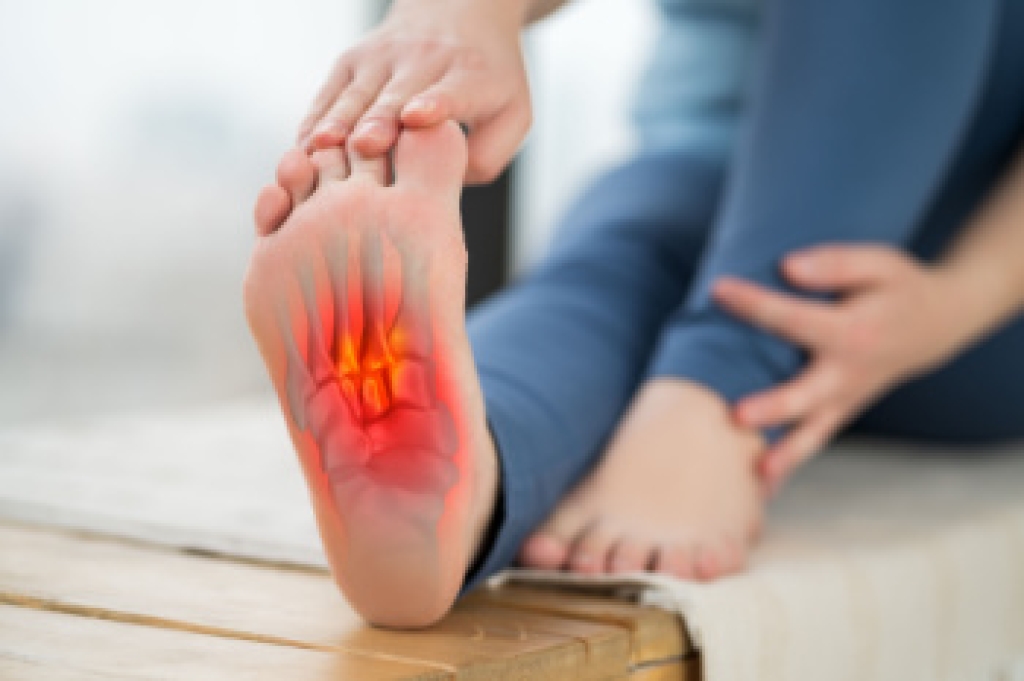
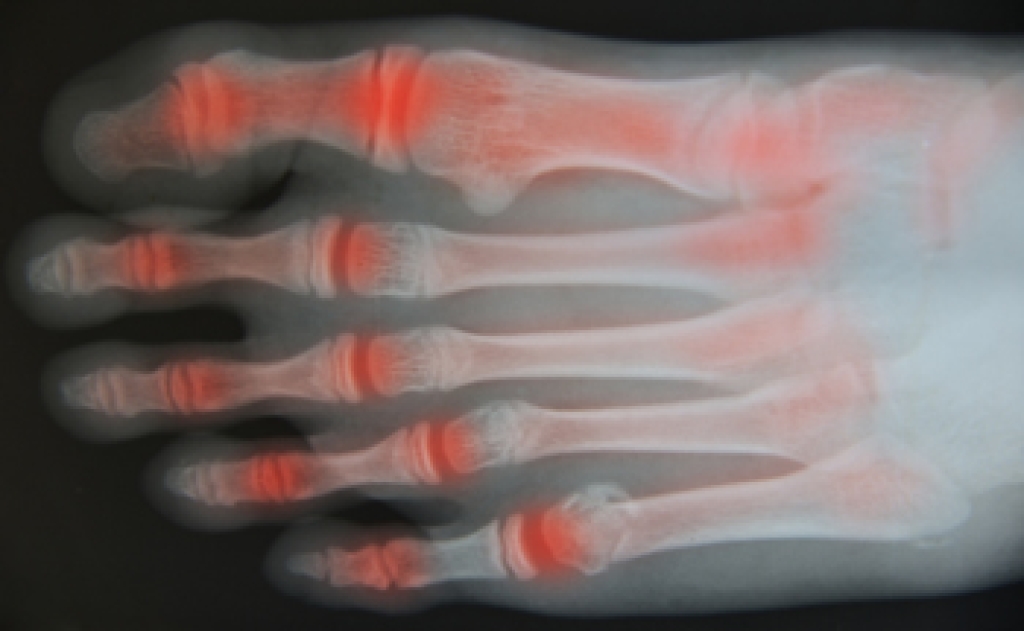
Foot arthritis is a condition where the joints in the foot become inflamed, leading to stiffness, swelling, and pain. It may result from wear and tear, autoimmune diseases, or injury. Flare-ups can be triggered by overexertion, stress, infection, or changes in activity, often causing increased joint pain and reduced mobility. These episodes may disrupt daily life and make walking or standing uncomfortable. A podiatrist can help manage symptoms through customized treatment plans, supportive footwear, orthotics, and lifestyle guidance. If you are experiencing ongoing joint pain in your feet, it is suggested that you consult a podiatrist who can provide effective relief and management techniques.

Arthritis can be a difficult condition to live with. If you are seeking treatment, contact Dr. Michael T. Hames from Florence Foot Center. Our doctor can provide the care you need to keep you pain-free and on your feet.

Arthritic Foot Care  

Arthritis is a joint disorder that involves the inflammation of different joints in your body, such as those in your feet. Arthritis is often caused by a degenerative joint disease and causes mild to severe pain in all affected areas. In addition to this, swelling and stiffness in the affected joints can also be a common symptom of arthritis.

In many cases, wearing ill-fitting shoes can worsen the effects and pain of arthritis. Wearing shoes that have a lower heel and extra room can help your feet feel more comfortable. In cases of rheumatoid arthritis, the arch in your foot may become problematic. Buying shoes with proper arch support that contour to your feet can help immensely.

Alleviating Arthritic Pain

  • Exercises that stretch the foot can prevent further pain and injury and increase mobility
  • Most of the pain can be alleviated with anti-inflammatory drugs, heat, and topical medications
  • Massages can help temporarily alleviate pain.

It is best to see your doctor for the treatment that is right for your needs and symptoms. Conditions vary, and a podiatrist can help you determine the right method of care for your feet.

If you have any questions please feel free to contact our office located in Florence, Alabama . We offer the newest diagnostic tools and technology to treat your foot and ankle needs.

Read more about Arthritic Foot Care

Heel Pain in the Morning?

Heel pain can negatively affect your day-to-day life. Simple activities like walking can become incredibly uncomfortable or painful due to heel pain.

Don’t live with heel pain and get treated.

How Flip Flops Affect Your Feet

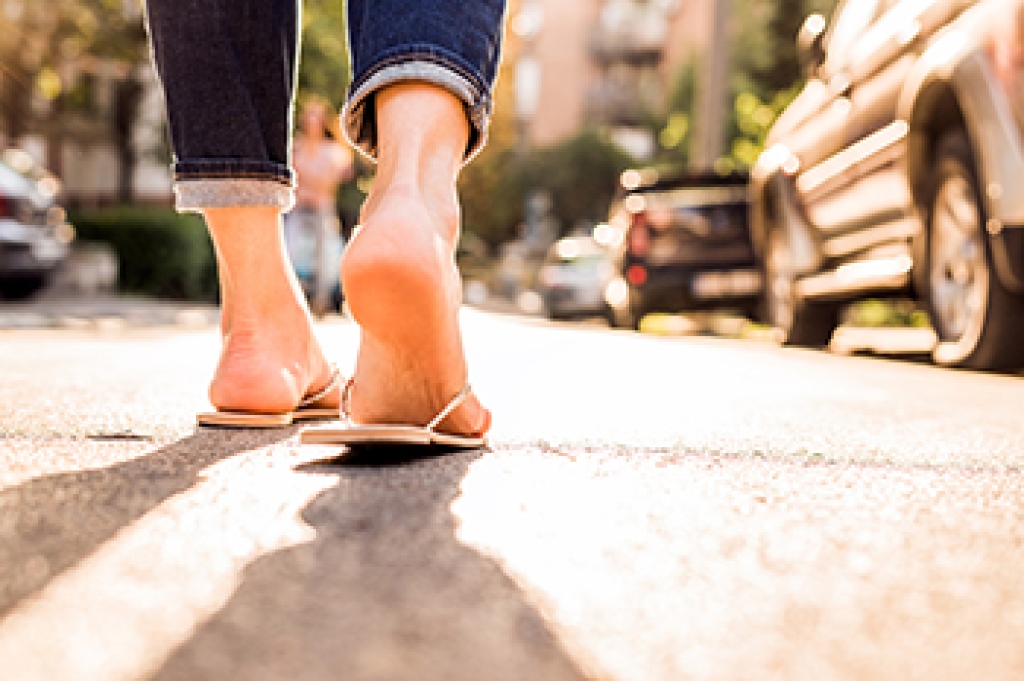
While flip-flops are popular for their convenience, wearing them often can lead to several foot problems. Unlike supportive shoes, flip-flops offer little to no arch support, cushioning, or stability. This lack of support can change how you walk, leading to strain in the arches, heels, and even ankles. Over time, this can contribute to conditions like plantar fasciitis or heel pain. Because your toes must grip the sandal to keep it in place, wearing flip-flops regularly can also lead to muscle fatigue and may affect the natural alignment of your feet. Many people develop calluses, cracked heels, or toe pain from constant use. The thin soles do not protect your feet from sharp objects or uneven surfaces either. If you are noticing pain or discomfort from wearing flip-flops, it is suggested you consult a podiatrist to explore healthier footwear choices and treatments.

Flip-flops can cause a lot of problems for your feet. If you have any concerns about your feet or ankles, contact Dr. Michael T. Hames from Florence Foot Center. Our doctor will assist you with all of your foot and ankle needs.

Flip-Flops and Feet

Flip-flops have managed to become a summer essential for a lot of people. While the shoes may be stylish and easy to slip on and off, they can be dangerous to those who wear them too often. These shoes might protect you from fungal infections such as athlete’s foot, but they can also give you foot pain and sprained ankles if you trip while wearing them.

When Are They Okay to Wear?

Flip-flops should only be worn for very short periods of time. They can help protect your feet in places that are crawling with fungi, such as gym locker rooms. Athlete’s foot and plantar warts are two common fungi that flip-flops may help protect your feet against.

Why Are They Bad for My Feet?

These shoes do not offer any arch support, so they are not ideal for everyday use. They also do not provide shock absorption or heel cushioning which can be problematic for your feet. Additionally, you may suffer from glass cuts, puncture wounds, and stubbed toes since they offer little protection for your feet.

More Reasons Why They Are Bad for Your Feet

  • They Slow You Down
  • May Cause Blisters and Calluses
  • Expose Your Feet to Bacteria

If you have any questions, please feel free to contact our office located in Florence, Alabama . We offer the newest diagnostic and treatment technologies for all your foot care needs.
Read more about Flipping Out About Flip Flops

Healthy Feet and Independent Life for Seniors

Regular foot care is essential for seniors, as aging feet are more vulnerable to issues that can impact comfort and mobility. Conditions such as arthritis, bunions, thickened nails, or skin problems can cause pain and increase the risk of falls or infections. Left untreated, these disorders may reduce independence and limit daily activities. Consistent foot care helps maintain circulation, prevent complications, and promote overall well-being. A podiatrist plays a vital role by detecting early signs of problems, managing chronic conditions, and offering tailored treatments to keep feet healthy. If you are a senior, and you notice changes in your foot health, it is suggested that you schedule regular visits with a podiatrist who can treat various foot conditions, while preserving mobility and ensuring continued comfort and safety in everyday life.

Proper foot care is something many older adults forget to consider. If you have any concerns about your feet and ankles, contact Dr. Michael T. Hames from Florence Foot Center. Our doctor can provide the care you need to keep you pain-free and on your feet.

The Elderly and Their Feet

As we age we start to notice many changes in our body, but the elder population may not notice them right away. Medical conditions may prevent the elderly to take notice of their foot health right away. Poor vision is a lead contributor to not taking action for the elderly.

Common Conditions 

  • Neuropathy – can reduce feeling in the feet and can hide many life-threatening medical conditions.
  • Reduced flexibility – prevents the ability of proper toenail trimming, and foot cleaning. If left untreated, it may lead to further medical issues.
  • Foot sores – amongst the older population can be serious before they are discovered. Some of the problematic conditions they may face are:
  • Gouging toenails affecting nearby toe
  • Shoes that don’t fit properly
  • Pressure sores
  • Loss of circulation in legs & feet
  • Edema & swelling of feet and ankles

Susceptible Infections

Diabetes and poor circulation can cause general loss of sensitivity over the years, turning a simple cut into a serious issue.

If you have any questions, please feel free to contact our office located in Florence, Alabama . We offer the newest diagnostic and treatment technologies for all your foot care needs.
Read more about Elderly and their Feet

Connect With Us