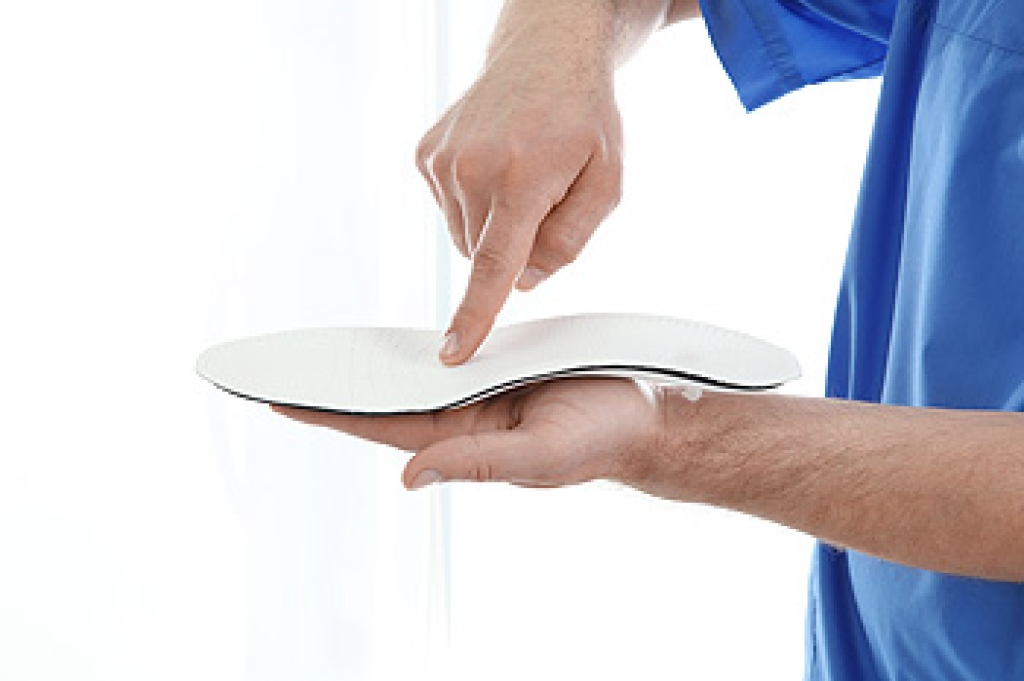
What Are Orthotics?

Patients who have chronic foot pain may have considered wearing orthotics. They are defined as inserts that are worn inside the shoe, and may be beneficial in controlling specific types of foot pain. Orthotics are used to redistribute the weight of the body which may be helpful in relieving pain and discomfort. Patients who choose to wear orthotics may be afflicted with rheumatoid arthritis, plantar fasciitis, and find that continually wearing these custom made inserts can provide all or partial relief. If you have a foot condition that may benefit from wearing orthotics, it is advised that you seek the counsel of a podiatrist who can properly fit you for these inserts.

If you are having discomfort in your feet and would like to try orthotics, contact Dr. Michael T. Hames from Florence Foot Center. Our doctor can provide the care you need to keep you pain-free and on your feet.

What Are Orthotics?

Orthotics are inserts you can place into your shoes to help with a variety of foot problems such as flat feet or foot pain. Orthotics provide relief and comfort for minor foot and heel pain but can’t correct serious biomechanical problems in your feet.

Over-the-Counter Inserts

Orthotics come in a wide variety of over-the-counter inserts that are used to treat foot pain, heel pain, and minor problems. For example, arch supports can be inserted into your shoes to help correct overarched or flat feet, while gel insoles are often used because they provide comfort and relief from foot and heel pain by alleviating pressure.

Prescription Orthotics

If over-the-counter inserts don’t work for you or if you have a more severe foot concern, it is possible to have your podiatrist prescribe custom orthotics. These high-quality inserts are designed to treat problems such as abnormal motion, plantar fasciitis, and severe forms of heel pain. They can even be used to help patients suffering from diabetes by treating foot ulcers and painful calluses and are usually molded to your feet individually, which allows them to provide full support and comfort.

If you are experiencing minor to severe foot or heel pain, it’s recommended to speak with your podiatrist about the possibilities of using orthotics. A podiatrist can determine which type of orthotic is right for you and allow you to take the first steps towards being pain-free.

If you have any questions, please feel free to contact our office located in Florence, Alabama . We offer the newest diagnostic and treatment technologies for all your foot care needs.
Read more about Foot Orthotics

Possible Causes of Flat Feet

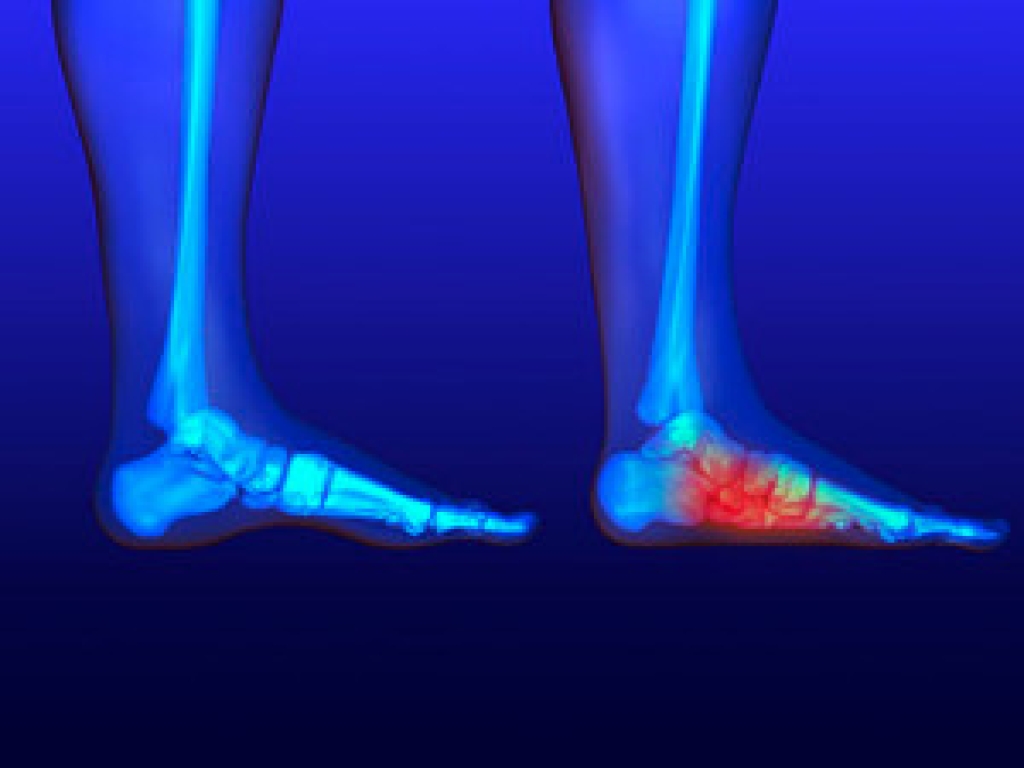
The medical term that is referred to as “pes planus” is more commonly known as flat feet. It essentially means the feet have little or no arch, and this may contribute to an overall feeling of tiredness in the feet. Genetic factors may play a significant role in the development of flat feet, in addition to wearing shoes which may include high heels that can limit toe movement. Moderate relief can be found when gentle stretching techniques are frequently performed, and this may also help to strengthen the Achilles tendon. This may be instrumental in elongating the calf muscles which can be linked to helping flat feet. If you are experiencing foot pain as a result of having flat feet, it is advised that you consult with a podiatrist who may recommend custom made orthotics that may help to provide relief.

Flatfoot is a condition many people suffer from. If you have flat feet, contact Dr. Michael T. Hames from Florence Foot Center. Our doctor will treat your foot and ankle needs.

What Are Flat Feet?

Flatfoot is a condition in which the arch of the foot is depressed and the sole of the foot is almost completely in contact with the ground. About 20-30% of the population generally has flat feet because their arches never formed during growth.

Conditions & Problems:

Having flat feet makes it difficult to run or walk because of the stress placed on the ankles.

Alignment – The general alignment of your legs can be disrupted, because the ankles move inward which can cause major discomfort.

Knees – If you have complications with your knees, flat feet can be a contributor to arthritis in that area.  

Symptoms

  • Pain around the heel or arch area
  • Trouble standing on the tip toe
  • Swelling around the inside of the ankle
  • Flat look to one or both feet
  • Having your shoes feel uneven when worn

Treatment

If you are experiencing pain and stress on the foot you may weaken the posterior tibial tendon, which runs around the inside of the ankle. 

If you have any questions, please feel free to contact our office located in Florence, Alabama . We offer the newest diagnostic and treatment technologies for all your foot care needs.

Read more about What is Flexible Flat Foot?

What Causes Heel Spurs?

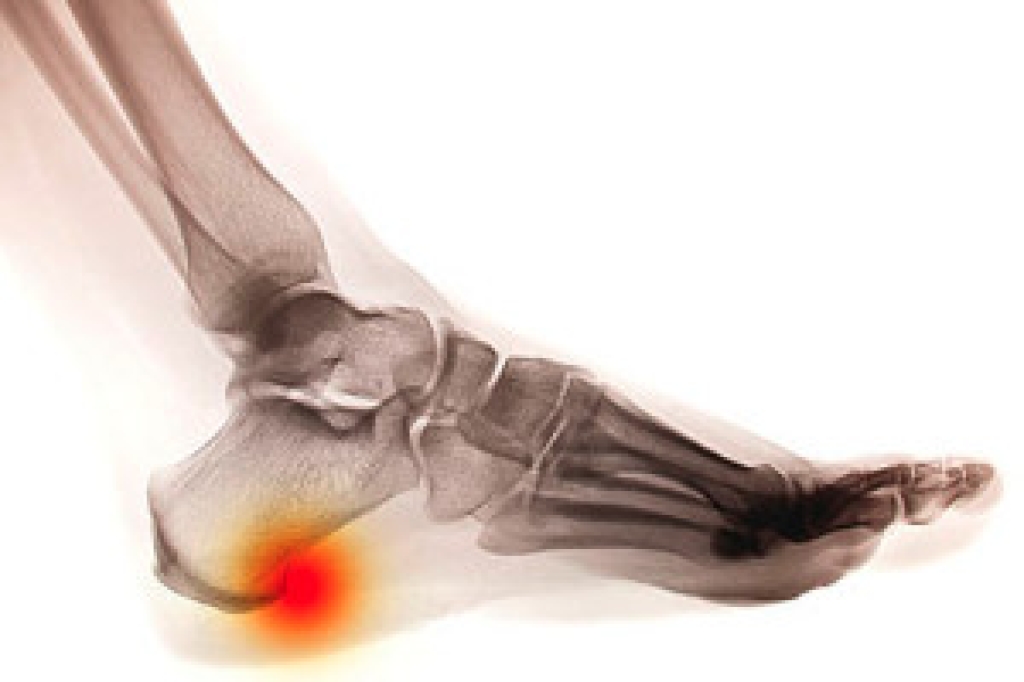
The condition that is known as a heel spur can cause pain and discomfort. It happens as a result of a calcium deposit that forms between the arch and the heel of the foot. The symptoms that are often associated with this condition can include difficulty in walking barefoot, pain in the heel and surrounding areas, and swelling and inflammation. It can develop with muscle and ligament tension, which may cause the soft tissues to wear out. People who frequently participate in sporting activities that involve running and jumping may be prone to developing heel spurs. It is beneficial to wear shoes that have adequate cushioning in the heel area, in addition to resting and elevating the foot as often as possible. If you have developed a heel spur, it is advised that you speak to a podiatrist who can recommend treatment options that are correct for you.

Heel spurs can be incredibly painful and sometimes may make you unable to participate in physical activities. To get medical care for your heel spurs, contact Dr. Michael T. Hames from Florence Foot Center. Our doctor will do everything possible to treat your condition.

Heels Spurs

Heel spurs are formed by calcium deposits on the back of the foot where the heel is. This can also be caused by small fragments of bone breaking off one section of the foot, attaching onto the back of the foot. Heel spurs can also be bone growth on the back of the foot and may grow in the direction of the arch of the foot.

Older individuals usually suffer from heel spurs and pain sometimes intensifies with age. One of the main condition's spurs are related to is plantar fasciitis.

Pain

The pain associated with spurs is often because of weight placed on the feet. When someone is walking, their entire weight is concentrated on the feet. Bone spurs then have the tendency to affect other bones and tissues around the foot. As the pain continues, the feet will become tender and sensitive over time.

Treatments

There are many ways to treat heel spurs. If one is suffering from heel spurs in conjunction with pain, there are several methods for healing. Medication, surgery, and herbal care are some options.

If you have any questions, please feel free to contact our office located in Florence, Alabama . We offer the newest diagnostic and treatment technologies for all your foot care needs.
Read more about Heel Spurs

Which Toes Are Generally Affected by Hammertoe?

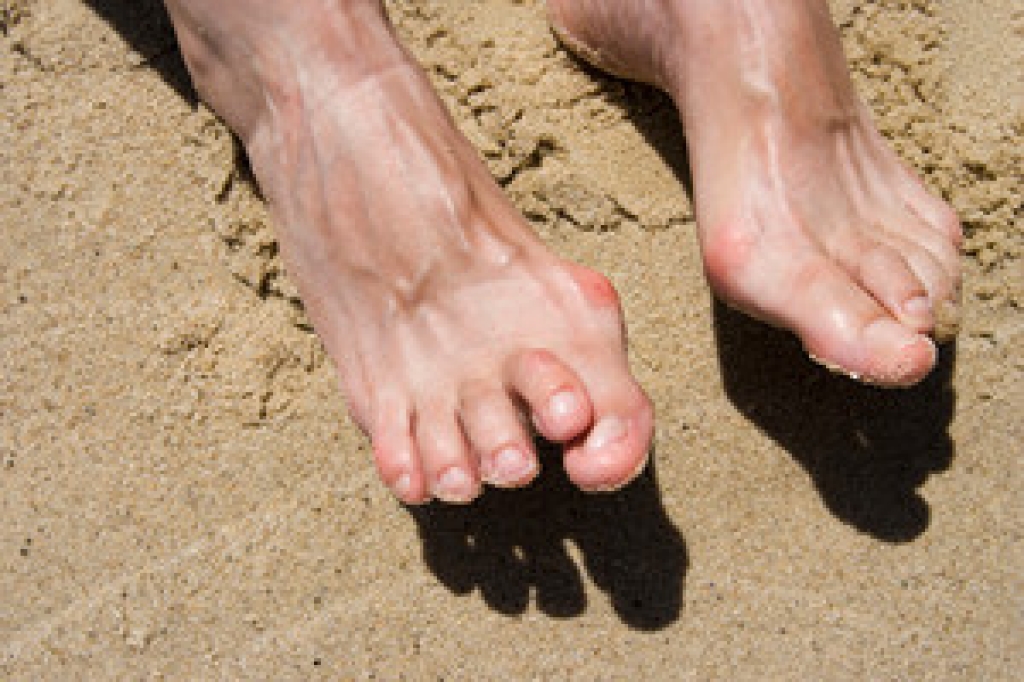
If there are weakened muscles in your toes, a medical condition that is referred to as hammertoe may develop. This can cause the tendons in the toes to become shorter, and they may bend downward, resembling a hammer. The toes that are typically affected are the second and third toes, but it may occur on any toe. It can be caused by genetic factors, or may happen from wearing shoes that do not have adequate room for the toes to move freely in. Patients who have hammertoe can experience difficulty in walking and flexing the feet, and corns and calluses may develop on top of the toes. When shoes that are worn fit properly, this condition could be prevented. Additionally, some patients find mild relief when shoe inserts or toe pads are worn. If you are afflicted with hammertoe, it is strongly suggested that you seek the counsel of a podiatrist who can properly treat this uncomfortable condition.

Hammertoe

Hammertoes can be a painful condition to live with. For more information, contact Dr. Michael T. Hames from Florence Foot Center. Our doctor will answer any of your foot- and ankle-related questions.

Hammertoe is a foot deformity that affects the joints of the second, third, fourth, or fifth toes of your feet. It is a painful foot condition in which these toes curl and arch up, which can often lead to pain when wearing footwear.

Symptoms

  • Pain in the affected toes
  • Development of corns or calluses due to friction
  • Inflammation
  • Redness
  • Contracture of the toes

Causes

Genetics – People who are genetically predisposed to hammertoe are often more susceptible

Arthritis – Because arthritis affects the joints in your toes, further deformities stemming from arthritis can occur

Trauma – Direct trauma to the toes could potentially lead to hammertoe

Ill-fitting shoes – Undue pressure on the front of the toes from ill-fitting shoes can potentially lead to the development of hammertoe

Treatment

Orthotics – Custom made inserts can be used to help relieve pressure placed on the toes and therefore relieve some of the pain associated with it

Medications – Oral medications such as anti-inflammatories or NSAIDs could be used to treat the pain and inflammation hammertoes causes. Injections of corticosteroids are also sometimes used

Surgery – In more severe cases where the hammertoes have become more rigid, foot surgery is a potential option

If you have any questions, please feel free to contact our office located in Florence, Alabama . We offer the newest diagnostic and treatment technologies for all your foot care needs.

Read more about Hammertoe

Connect With Us