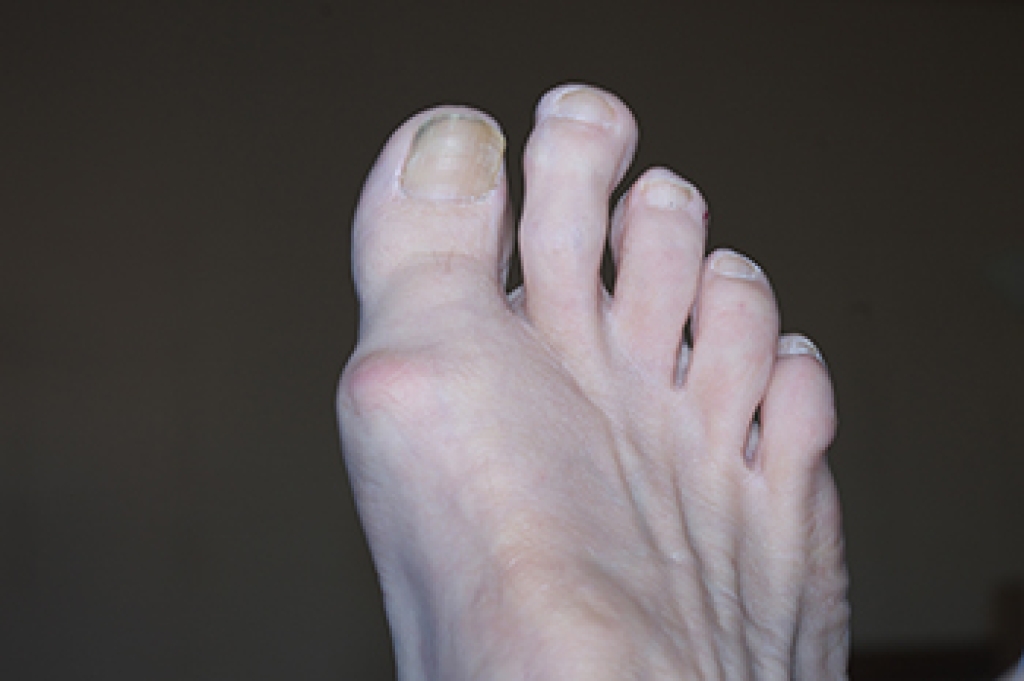
Morton’s Toe and and Morton’s Neuroma

Morton's toe is often confused with Morton's neuroma, although they are different foot conditions. Morton's toe refers to a structural variation where the second toe appears to be longer than the big toe. In reality, it is the big toe that is shorter. This imbalance can shift weight improperly across the foot, sometimes leading to pain, calluses, or stress fractures. Morton's neuroma involves a thickening of tissue around a nerve between the toes, typically causing sharp or burning pain in the ball of the foot. A podiatrist can conduct an examination and order imaging tests in order to recommend the appropriate treatment for either condition. For Morton's toe, options include custom orthotics to better distribute weight or, if necessary, surgery to correct the bone structure. Morton's neuroma may be managed through footwear changes, injections to reduce nerve irritation, or surgery to remove the affected nerve, if pain is severe. If you are experiencing toe pain, it is suggested that you schedule an appointment with a podiatrist for an exam and appropriate treatment.

Toe pain can disrupt your daily activities. If you have any concerns, contact Dr. Michael T. Hames of Florence Foot Center. Our doctor can provide the care you need to keep you pain-free and on your feet.

What Causes Toe Pain?

Most severe toe pain is caused due to a sports injury, trauma from dropping something heavy on the toe, or bumping into something rigid. Other problems can develop over time for various reasons.

Toe pain can be caused by one or more ailments. The most common include:

  • Trauma
  • Sports injury
  • Wearing shoes that are too tight
  • Arthritis
  • Gout
  • Corns and calluses
  • Hammertoe
  • Bunions
  • Blisters
  • Ingrown toenails
  • Sprains
  • Fractures (broken bones)
  • Dislocations

When to See a Podiatrist

  • Severe pain
  • Persistent pain that lasts more than a week
  • Signs of infection
  • Continued swelling
  • Pain that prevents walking

Diagnosis

In many cases the cause of toe pain is obvious, but in others, a podiatrist may want to use more advanced methods to determine the problem. These can range from simple visual inspections and sensation tests to X-rays and MRI scans. Prior medical history, family medical history, and any recent physical traumatic events will all be taken into consideration for a proper diagnosis.

Treatment

Treatments for toe pain and injuries vary and may include shoe inserts, padding, taping, medicines, injections, and in some cases, surgery. If you believe that you have broken a toe, please see a podiatrist as soon as possible.

If you have any questions please contact our office located in Florence, Alabama . We offer the newest diagnostic and treatment technologies for all your foot and ankle needs.

Read more about Toe Pain

Facts About Cracked Heels

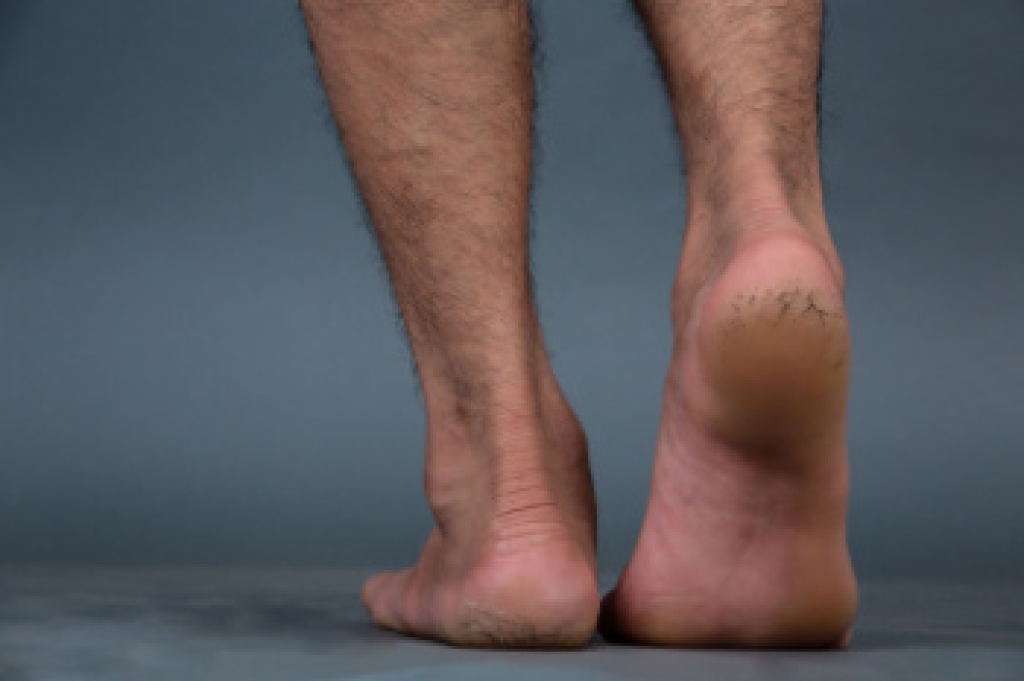
Cracked heels, also known as heel fissures, occur when the skin on the heels becomes dry, thickened, and eventually splits. This condition often results from a lack of moisture and pressure on the fat pad under the heel, causing the skin to expand and crack. Symptoms of cracked heels include dry, rough skin, visible splits or fissures, pain while walking, and, in severe cases, bleeding or infection. Risk factors for developing cracked heels include prolonged standing, walking barefoot, wearing open-backed shoes, obesity, and certain skin conditions like eczema or psoriasis. Additionally, environmental factors such as cold weather and low humidity can also contribute to this condition. If you have developed painful cracked heels, it is suggested that you consult a podiatrist who can offer effective relief remedies, which may include prescribed medication.

If the skin on your feet starts to crack, you may want to see a podiatrist to find treatment. If you have any concerns, contact Dr. Michael T. Hames from Florence Foot Center. Our doctor can provide the care you need to keep you pain-free and on your feet.

Cracked Heels

It is important to moisturize your cracked heels in order to prevent pain, bleeding, and infection. The reason cracked heels form is because the skin on the foot is too dry to support the immense pressure placed on them. When the foot expands, the dry skin on the foot begins to split.

Ways to Help Heal Them

  • Invest in a good foot cream
  • Try Using Petroleum Jelly
  • Ease up on Soaps
  • Drink Plenty of Water

Ways to Prevent Cracked Heels

  • Moisturize After Showering
  • Skip a Shower
  • Keep Shower Water Lukewarm
  • Don’t Scrub Your Feet

If you are unsure how to proceed in treating cracked heels, seek guidance from a podiatrist. Your doctor will help you with any questions or information you may need. 

If you have any questions, please feel free to contact our office located in Florence, Alabama . We offer the newest diagnostic and treatment technologies for all your foot care needs.

Read more about Solutions for Cracked Heels

Are You Suffering From Ingrown Toenails?

If left untreated, an ingrown toenail can lead to more serious concerns, such as an infection. Knowing proper nail care can help in the prevention of an ingrown toenail. Give us a call, and get treated!

Common Causes of Foot Blisters

Foot blisters are a frequent and often painful condition caused by friction, moisture, and heat. They occur when the skin is repeatedly rubbed, typically due to wearing ill-fitting shoes or prolonged walking and running. This constant rubbing causes the layers of skin to separate, allowing fluid to collect in the gap. Moisture from sweat or wet environments softens the skin, making it more vulnerable to damage. Heat generated during activity can also contribute to blister formation. Wearing new shoes, especially those not broken in, or going sockless can increase the risk. Additionally, certain skin conditions or allergies may make some individuals more susceptible. If you have developed a foot blister that is bothersome or has become infected, it is suggested that you contact a podiatrist who can offer safe and effective treatment along with prevention tips.

Blisters are prone to making everyday activities extremely uncomfortable. If your feet are hurting, contact Dr. Michael T. Hames of Florence Foot Center. Our doctor can provide the care you need to keep you pain-free and on your feet.

Foot Blisters

Foot blisters develop as a result of constantly wearing tight or ill-fitting footwear. This happens due to the constant rubbing from the shoe, which can often lead to pain.

What Are Foot Blisters?

A foot blister is a small fluid-filled pocket that forms on the upper-most layer of the skin. Blisters are filled with clear fluid and can lead to blood drainage or pus if the area becomes infected.

How Do Blisters Form?

Blisters on the feet are often the result of constant friction of skin and material, usually by shoe rubbing. Walking in sandals, boots, or shoes that don’t fit properly for long periods of time can result in a blister. Having consistent foot moisture and humidity can easily lead to blister formation.

Prevention & Treatment

It is important to properly care for the affected area in order to prevent infection and ease the pain. Do not lance the blister and use a Band-Aid to provide pain relief. Also, be sure to keep your feet dry and wear proper fitting shoes. If you see blood or pus in a blister, seek assistance from a podiatrist.

If you have any questions, please feel free to contact our office located in Florence, Alabama . We offer the newest diagnostic and treatment technologies for all your foot care needs.

Read more about Blisters

How Peripheral Neuropathy Affects Diabetic Patients

Peripheral neuropathy in people with diabetes often affects the feet, toes, and ankles, leading to symptoms such as numbness, tingling, or reduced sensation. This can make it difficult to detect minor injuries, which may become serious without proper care. For example, a small blister from wearing poorly fitting shoes or a cut from stepping on something sharp can go unnoticed and develop into a diabetic foot ulcer. Ulcers are slow-healing wounds that can become infected, especially when high blood sugar levels restrict blood flow to the feet. Reduced circulation limits the delivery of infection-fighting cells, increasing the risk of complications like gangrene. In cases where gangrene develops, surgery may be required to remove damaged tissue, and, in severe situations, loss of a toe or foot might result. A podiatrist can provide regular foot exams, remove damaged tissue, treat ulcers, and help manage infections before they progress. If you have foot issues caused by diabetes, it is suggested that you schedule regular appointments with a podiatrist for appropriate treatment.

Neuropathy

Neuropathy can be a potentially serious condition, especially if it is left undiagnosed. If you have any concerns that you may be experiencing nerve loss in your feet, consult with Dr. Michael T. Hames from Florence Foot Center. Our doctor will assess your condition and provide you with quality foot and ankle treatment for neuropathy.

What Is Neuropathy?

Neuropathy is a condition that leads to damage to the nerves in the body. Peripheral neuropathy, or neuropathy that affects your peripheral nervous system, usually occurs in the feet. Neuropathy can be triggered by a number of different causes. Such causes include diabetes, infections, cancers, disorders, and toxic substances.

Symptoms of Neuropathy Include:

  • Numbness
  • Sensation loss
  • Prickling and tingling sensations
  • Throbbing, freezing, burning pains
  • Muscle weakness

Those with diabetes are at serious risk due to being unable to feel an ulcer on their feet. Diabetics usually also suffer from poor blood circulation. This can lead to the wound not healing, infections occurring, and the limb may have to be amputated.

Treatment

To treat neuropathy in the foot, podiatrists will first diagnose the cause of the neuropathy. Figuring out the underlying cause of the neuropathy will allow the podiatrist to prescribe the best treatment, whether it be caused by diabetes, toxic substance exposure, infection, etc. If the nerve has not died, then it’s possible that sensation may be able to return to the foot.

Pain medication may be issued for pain. Electrical nerve stimulation can be used to stimulate nerves. If the neuropathy is caused from pressure on the nerves, then surgery may be necessary.

If you have any questions, please feel free to contact our office located in Florence, Alabama . We offer the newest diagnostic and treatment technologies for all your foot care needs.

Read more about Neuropathy

Connect With Us