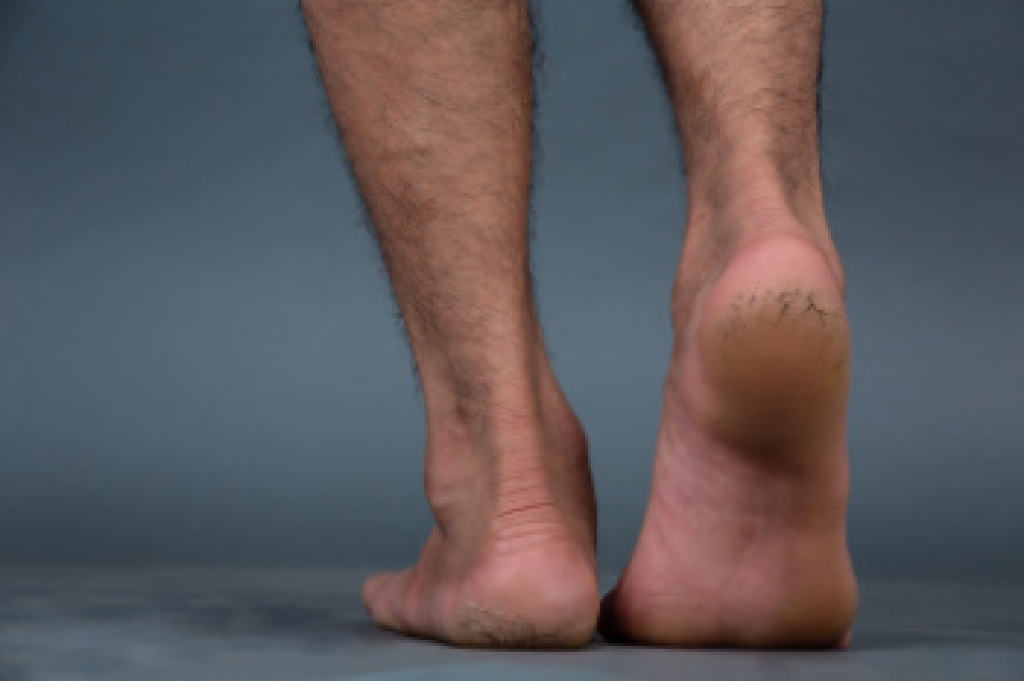
Lifestyle Factors May Contribute to Cracked Heels

Cracked heels, also known as heel fissures, are a common foot condition characterized by dry, thickened skin that develops cracks at the heel's edge. These fissures can be painful and may lead to further complications if left untreated. The primary causes include skin disorders like eczema and psoriasis, which can cause dryness and irritation. Lifestyle factors also play a significant role, as prolonged standing, walking barefoot, and wearing open-back shoes can contribute to the development of cracked heels. Additionally, environmental conditions like low humidity and excessive exposure to water can strip the skin of its natural moisture. Proper foot care, including regular moisturizing and wearing supportive shoes, is essential for preventing cracked heels, ensuring healthy and comfortable feet. Cracked heels can cause severe pain, and it may be difficult to complete daily activities. If you have developed this condition, it is suggested that you contact a podiatrist who can offer you prescribed medication for effective treatment.

Cracked heels are unsightly and can cause further damage to your shoes and feet. If you have any concerns, contact Dr. Michael T. Hames from Florence Foot Center. Our doctor can provide the care you need to keep you pain-free and on your feet.

Cracked Heels

Cracked heels appear unappealing and can make it harder for you walk around in sandals. Aside from looking unpleasant, cracked heels can also tear stockings, socks, and wear out your shoes. There are several methods to help restore a cracked heel and prevent further damage.

How Do You Get Them?

Dry skin is the number one culprit in creating cracked heels. Many athletes, walkers, joggers, and even swimmers suffer from cracked heels. Age and skin oil production play a role to getting cracked heels as well.

Promote Healing

Over the counter medicines can help, especially for those that need instant relief or who suffer from chronic dry feet.

Wear Socks – Wearing socks with medicated creams helps lock in moisture.

Moisturizers – Applying both day and night will help alleviate dryness which causes cracking.

Pumice Stones – These exfoliate and remove dead skin, which allows for smoother moisturizer application and better absorption into the skin. 

Change in Diet

Eating healthy with a well-balanced diet will give the skin a fresh and radiant look. Your body responds to the kinds of food you ingest. Omega-3 fatty acids and zinc supplements can also revitalize skin tissue.

Most importantly, seek professional help if unsure how to proceed in treating cracked heels. A podiatrist will help you with any questions or information needed. 

If you have any questions, please feel free to contact our office located in Florence, Alabama . We offer the newest diagnostic and treatment technologies for all your foot care needs.
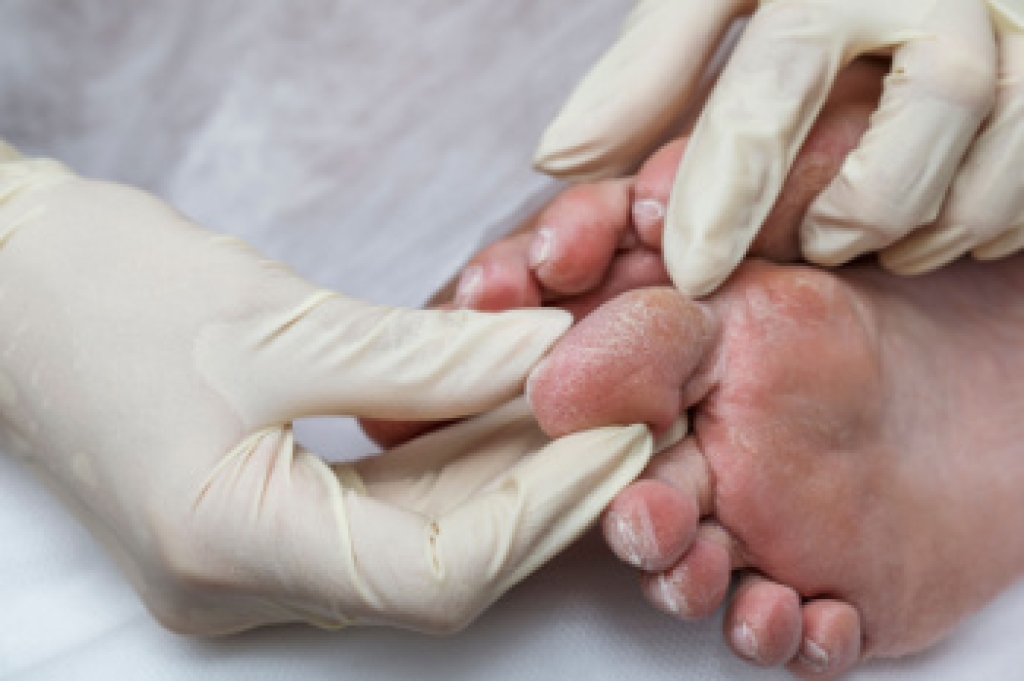

Read more about Solutions for Cracked Heels

Foot Care Tips for Diabetic Patients

Proper foot care is vital for diabetic patients, as diabetes can lead to nerve damage and poor circulation, which increase the risk of foot complications. Regularly inspecting the feet for cuts, blisters, or redness is essential, as early detection can prevent serious issues. Keeping the feet clean and dry helps reduce the risk of infections. It is important to moisturize the skin, but avoid applying lotion between the toes to prevent excess moisture. Wearing well-fitted shoes is important to prevent friction and blisters, while checking inside shoes for foreign objects daily can help avoid injuries. Maintaining blood sugar levels within a target range contributes to overall foot health. If you have diabetes, it is strongly suggested that you are under the care of a podiatrist and schedule routine visits. This type of doctor can help you to manage this serious condition.

Diabetic foot care is important in preventing foot ailments such as ulcers. If you are suffering from diabetes or have any other concerns about your feet, contact Dr. Michael T. Hames from Florence Foot Center. Our doctor can provide the care you need to keep you pain-free and on your feet.

Diabetic Foot Care

Diabetes affects millions of people every year. The condition can damage blood vessels in many parts of the body, especially the feet. Because of this, taking care of your feet is essential if you have diabetes, and having a podiatrist help monitor your foot health is highly recommended.

The Importance of Caring for Your Feet

  • Routinely inspect your feet for bruises or sores.
  • Wear socks that fit your feet comfortably.
  • Wear comfortable shoes that provide adequate support.

Patients with diabetes should have their doctor monitor their blood levels, as blood sugar levels play such a huge role in diabetic care. Monitoring these levels on a regular basis is highly advised.

It is always best to inform your healthcare professional of any concerns you may have regarding your feet, especially for diabetic patients. Early treatment and routine foot examinations are keys to maintaining proper health, especially because severe complications can arise if proper treatment is not applied.

If you have any questions, please feel free to contact our office located in Florence, Alabama . We offer the newest diagnostic and treatment technologies for all your foot care needs.

Read more about Diabetic Foot Care

Plantar Warts Can Be Treated!

Plantar warts are small growths that develop on parts of the feet that bear weight. They're typically found on the bottom of the foot. Don't live with plantar warts, and call us today!

Options and Recovery for Plantar Fasciitis Surgery

Plantar fasciitis surgery is considered for individuals who have not found relief from conservative treatments after an extended period. Two primary surgical options are open surgery and endoscopic surgery. Open surgery involves a larger incision to release the plantar fascia or remove inflamed tissue, while endoscopic surgery uses smaller incisions and a camera for a minimally invasive approach. Good candidates for surgery typically include those with persistent pain, significant functional limitations, and no improvement despite comprehensive non-surgical treatments. Recovery times can vary based on the type of surgery, as open surgery may require a longer recovery period of several weeks, while endoscopic surgery often allows for a quicker return to normal activities, typically within a few weeks. If you have plantar fasciitis and are considering surgery for relief, it is suggested that you consult a podiatrist who can determine if this is the right decision for you.


Foot surgery is sometimes necessary to treat a foot ailment. To learn more, contact Dr. Michael T. Hames of Florence Foot Center. Our doctor will assist you with all of your foot and ankle needs.

When Is Surgery Necessary?

Foot and ankle surgery is generally reserved for cases in which less invasive, conservative procedures have failed to alleviate the problem. Some of the cases in which surgery may be necessary include:

  • Removing foot deformities like bunions and bone spurs
  • Severe arthritis that has caused bone issues
  • Cosmetic reconstruction

What Types of Surgery Are There?

The type of surgery you receive will depend on the nature of the problem you have. Some of the possible surgeries include:

  • Bunionectomy for painful bunions
  • Surgical fusion for realignment of bones
  • Neuropathy decompression surgery to treat nerve damage

Benefits of Surgery

Although surgery is usually a last resort, it can provide more complete pain relief compared to non-surgical methods and may allow you to finally resume full activity.

Surgical techniques have also become increasingly sophisticated. Techniques like endoscopic surgery allow for smaller incisions and faster recovery times.

If you have any questions, please feel free to contact our office located in Florence, Alabama . We offer the newest diagnostic and treatment technologies for all your foot care needs.
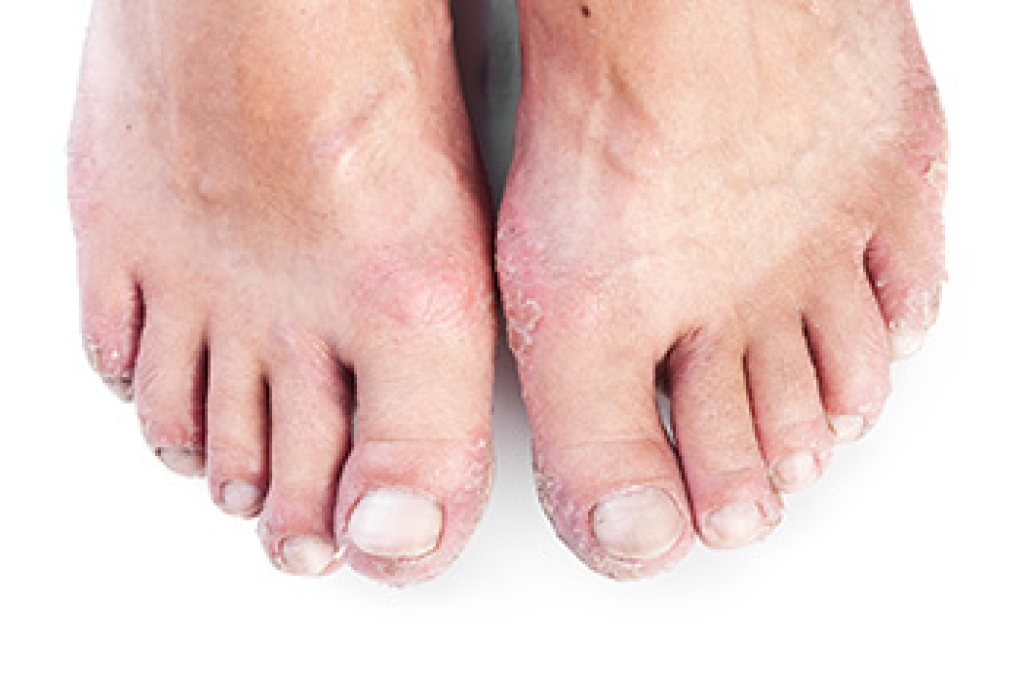
Read more about Foot Surgery

How Psoriatic Arthritis Affects the Feet

Psoriatic arthritis, or PsA, is a type of inflammatory arthritis that affects some people who have psoriasis. It can cause significant pain and swelling in the feet. When PsA targets the feet, it commonly affects the small joints in the toes. This leads to a condition called dactylitis, or sausage toe, where the entire toe swells up. It can also cause enthesitis, which is inflammation where tendons and ligaments attach to bones, often at the heel or arch. This inflammation can make walking difficult and lead to structural changes in the foot over time. A podiatrist can provide valuable support for treating psoriatic arthritis in the feet by prescribing custom orthotics, and anti-inflammatory therapies, as well as offering guidance on proper footwear to relieve pressure on affected areas. If untreated, PsA in the feet can progress to deformities, making early intervention important. If you have psoriatic arthritis that affects your feet, it is suggested that you schedule an appointment with a podiatrist for an exam and relief options.

When dealing with systemic disease of the feet, it is extremely important to check the affected areas routinely so that any additional problems are caught quickly.  If you have any concerns about your feet and ankles contact Dr. Michael T. Hames from Florence Foot Center. Our doctor will assist you with all of your podiatric needs.

Systemic Diseases of the Feet

Systemic diseases affect the whole body, and symptoms usually are displayed in the feet. This condition can make a patient’s ability to walk unbearable.  Systemic diseases include gout, diabetes mellitus, neurological disorders, and arthritis.

Gout – is caused by an excess of uric acid in the body. Common symptoms include pain, inflammation, and redness at the metatarsal/phalangeal joint of the base big toe. Gout can be treated by NSAIDs to relieve pain and inflammation, and other drugs that lower the acid levels in the body.

Diabetes mellitus – is an increase in the level of blood sugar that the body cannot counteract with its own insulin. Failure to produce enough insulin is a factor in Diabetes.

Diabetes of the Feet

Diabetic Neuropathy – may lead to damaged nerves and affect the feet through numbness and loss of sensation.

Peripheral Vascular Disease – can restrict the blood flow to the feet, and often times lead to amputation of the feet. 

If you have any questions please contact our office located in Florence, Alabama . We offer the newest diagnostic and treatment technologies for all your foot and ankle needs.

Read more about Systemic Diseases of the Foot

Connect With Us