
Ingrown toenails can be painful and can make wearing shoes or walking uncomfortable. Seek professional help if you believe you've developed an ingrown toenail and be treated safely.
Ingrown toenails can be painful and can make wearing shoes or walking uncomfortable. Seek professional help if you believe you've developed an ingrown toenail and be treated safely.

Gout is a painful form of inflammatory arthritis caused by a buildup of uric acid crystals in the joints, most commonly the big toe. This condition can develop suddenly and is often triggered by dietary choices, genetics, or underlying health issues. Risk factors include cardiovascular disease, diabetes, diuretic use, obesity, and elevated triglyceride levels. Symptoms of gout include intense joint pain, redness, swelling, and warmth, often described as feeling like the toe is on fire. The joint may become so tender that even the weight of a bedsheet feels unbearable. A podiatrist plays a vital role in diagnosing and managing gout. Through physical examination, imaging, and lab tests, they can confirm the condition and offer relief through medication, dietary guidance, and preventive strategies to manage flare-ups and avoid joint damage. If you are dealing with this condition, it is suggested you make an appointment with a podiatrist for evaluation and treatment.
Gout is a painful condition that can be treated. If you are seeking treatment, contact Dr. Michael T. Hames from Florence Foot Center. Our doctor will treat your foot and ankle needs.
What Is Gout?
Gout is a form of arthritis that is characterized by sudden, severe attacks of pain, redness, and tenderness in the joints. The condition usually affects the joint at the base of the big toe. A gout attack can occur at any random time, such as the middle of the night while you are asleep.
Symptoms
Risk Factors
Prior to visiting your podiatrist to receive treatment for gout, there are a few things you should do beforehand. If you have gout you should write down your symptoms--including when they started and how often you experience them, important medical information you may have, and any questions you may have. Writing down these three things will help your podiatrist in assessing your specific situation so that he or she may provide the best route of treatment for you.
If you have any questions, please feel free to contact our office located in Florence, Alabama . We offer the newest diagnostic and treatment technologies for all your foot care needs.

Foot pain may be about more than just the feet. Foot pain can also be an early warning sign of other health problems. Persistent coldness in the feet and toes may point to poor blood circulation, known as peripheral arterial disease, sometimes linked to diabetes or heart conditions. Swelling in the ankles or feet may indicate cardiovascular or kidney disorders. Burning, tingling, or numbness may suggest peripheral neuropathy, often seen in diabetic patients or people with vitamin deficiencies. Sudden pain in the big toe joint may signal gout, while white or spoon-shaped nails can be associated with systemic illnesses such as anemia or liver disease. Conditions like Raynaud's disease, marked by toes turning white and blue in response to cold, may also suggest underlying autoimmune disorders. A podiatrist can evaluate and treat these symptoms as well as help identify any broader medical concerns. If you are experiencing foot pain, it is suggested that you schedule an appointment with a podiatrist for an exam, diagnosis and appropriate treatment.
Foot Pain
Foot pain can be extremely painful and debilitating. If you have a foot pain, consult with Dr. Michael T. Hames from Florence Foot Center. Our doctor will assess your condition and provide you with quality foot and ankle treatment.
Causes
Foot pain is a very broad condition that could be caused by one or more ailments. The most common include:
Diagnosis
To figure out the cause of foot pain, podiatrists utilize several different methods. This can range from simple visual inspections and sensation tests to X-rays and MRI scans. Prior medical history, family medical history, and any recent physical traumatic events will all be taken into consideration for a proper diagnosis.
Treatment
Treatment depends upon the cause of the foot pain. Whether it is resting, staying off the foot, or having surgery; podiatrists have a number of treatment options available for foot pain.
If you have any questions, please feel free to contact our office located in Florence, Alabama . We offer the newest diagnostic and treatment technologies for all your foot care needs.

An acute ankle sprain occurs when the foot twists or rolls in an unnatural way. The term acute means that the injury happened recently and suddenly, rather than over time. Athletes involved in sports that involve jumping, quick direction changes, or uneven surfaces are more at risk. An acute ankle sprain causes immediate pain, swelling, and difficulty walking. Most acute sprains affect the ligaments on the outside of the ankle, particularly the one that connects the outer ankle bone to the foot. Ligaments help keep the ankle stable, and when they are stretched or torn, the ankle can become weak or unstable. Without proper care, athletes risk repeated sprains and long-term problems like chronic pain or joint stiffness. A podiatrist can determine the severity of the ankle injury, recommend bracing or walking support, and discuss surgery, if needed. If you have sprained an ankle, it is suggested that you make an immediate appointment with a podiatrist.
Ankle sprains are common but need immediate attention. If you need your feet checked, contact Dr. Michael T. Hames from Florence Foot Center. Our doctor can provide the care you need to keep you pain-free and on your feet.
How Does an Ankle Sprain Occur?
Ankle sprains take place when the ligaments in your ankle are torn or stretched beyond their limits. There are multiple ways that the ankle can become injured, including twisting or rolling over onto your ankle, putting undue stress on it, or causing trauma to the ankle itself.
What Are the Symptoms?
Preventing a Sprain
Treatment of a Sprain
Treatment of a sprain depends on the severity. Many times, people are told to rest and remain off their feet completely, while others are given an air cast. If the sprain is very severe, surgery may be required.
If you have suffered an ankle sprain previously, you may want to consider additional support such as a brace and regular exercises to strengthen the ankle.
If you have any questions please feel free to contact our office located in Florence, Alabama . We offer the newest diagnostic tools and technology to treat your foot and ankle needs.
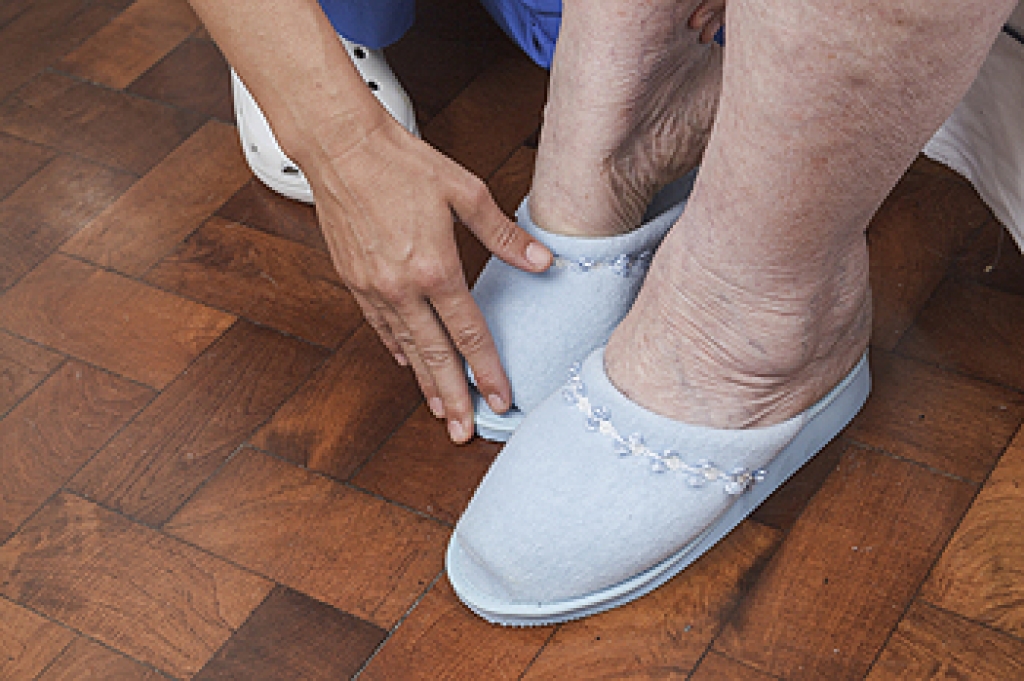
Proper foot care is essential for elderly people to maintain mobility, comfort, and overall health. A daily examination helps detect cuts, sores, or infections early, especially for those with diabetes or circulation issues. Washing the feet with warm water and drying them thoroughly prevents fungal and bacterial infections. Keeping nails trimmed and smooth reduces the risk of ingrown toenails and discomfort. Wearing well-fitted, supportive shoes helps prevent falls and relieves pressure on sensitive areas. Promoting healthy blood flow through regular movement and foot elevation is also important. A podiatrist can assist with routine care, identify potential problems early, and provide treatments that support foot function. If you are elderly, it is suggested that you consult a podiatrist who can treat various foot conditions and guide you on additional foot care tips.
If you need your feet checked, contact Dr. Michael T. Hames of Florence Foot Center. Our doctor will attend to all of your foot and ankle needs and provide you with quality treatment.
Geriatrics and Podiatry
When people age, some common issues that may occur are bone density loss, dry skin, poor circulation, and rough brittle nails. These issues may also affect your foot health if the necessary steps are not taken to alleviate the problems.
It is important to take care of your feet because feet that are injured or diseased can affect your overall health. Having painful feet hinders your ability to do daily activities or may decrease your willingness to do the things that you need to do.
Visiting Your Geriatrician
As we age, health problems become more likely, so it is essential to visit your doctor for check-ups to ensure that you are doing the best you can to take care of your health. It is recommended to check your feet frequently for any possible cuts, bruises, swelling, corns or any other irregularities.
Taking Care of Elderly Feet
Cracked or dry feet can be treated by applying moisturizer often. It is also important not to wear old socks because the older the sock is, the higher the possibility there will be that there is bacteria there. Wear fresh socks and make sure they fit properly.
Proper foot health means that you can have a more active lifestyle and you will not be bogged down by pain. Foot health also leads to good circulation, which is paramount for overall health.
If you have any questions, please feel free to contact our office located in Florence, Alabama . We offer the newest diagnostic and treatment technologies for all your foot care needs.

Do you work on your feet all day and find your feet in pain? Don't go to work in pain each day. Your foot pain can be treated, and we can help.
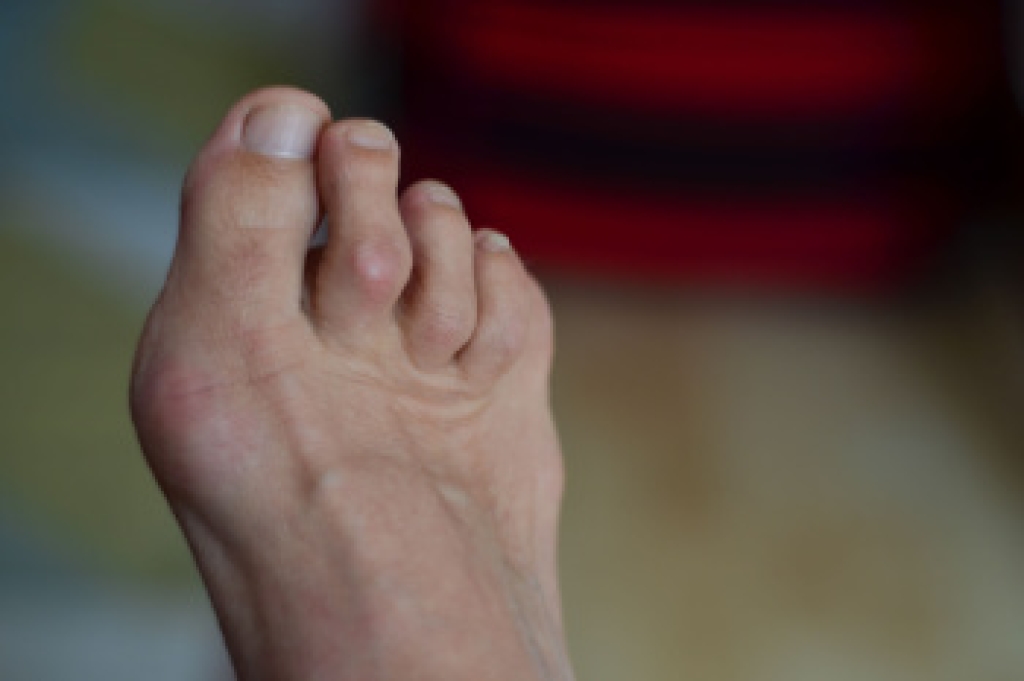
Hammertoe is a deformity where one of the smaller toes bends abnormally at the middle joint, creating a shape that resembles a hammer. This condition often results from muscle or tendon imbalances that cause the toe to remain in a bent position. Common causes include wearing tight or narrow shoes, injury, or having an unusually high foot arch. Over time, the toe may become stiff and difficult to move. Symptoms often include pain when wearing shoes, corns or calluses on the top of the toe, and redness or swelling around the joint. The deformity may start as flexible but can become rigid, if not addressed. If you have symptoms of this condition, it is suggested that you consult a podiatrist who can offer effective treatment solutions. Early recognition and treatment are important to relieve discomfort and prevent further progression that may require more advanced medical or surgical care.
Hammertoe
Hammertoes can be a painful condition to live with. For more information, contact Dr. Michael T. Hames from Florence Foot Center. Our doctor will answer any of your foot- and ankle-related questions.
Hammertoe is a foot deformity that affects the joints of the second, third, fourth, or fifth toes of your feet. It is a painful foot condition in which these toes curl and arch up, which can often lead to pain when wearing footwear.
Symptoms
Causes
Genetics – People who are genetically predisposed to hammertoe are often more susceptible
Arthritis – Because arthritis affects the joints in your toes, further deformities stemming from arthritis can occur
Trauma – Direct trauma to the toes could potentially lead to hammertoe
Ill-fitting shoes – Undue pressure on the front of the toes from ill-fitting shoes can potentially lead to the development of hammertoe
Treatment
Orthotics – Custom made inserts can be used to help relieve pressure placed on the toes and therefore relieve some of the pain associated with it
Medications – Oral medications such as anti-inflammatories or NSAIDs could be used to treat the pain and inflammation hammertoes causes. Injections of corticosteroids are also sometimes used
Surgery – In more severe cases where the hammertoes have become more rigid, foot surgery is a potential option
If you have any questions, please feel free to contact our office located in Florence, Alabama . We offer the newest diagnostic and treatment technologies for all your foot care needs.

Athlete's foot is a fungal infection that affects the skin on the feet, especially between the toes. Athlete’s foot can happen to anyone, not just athletes. Symptoms may include itchy, white or scaly patches, redness, or skin that cracks and becomes sore. In some cases, blisters may appear, and the infection can spread to the soles or toenails. If left untreated, the infection can worsen or spread to other parts of the foot. A podiatrist can diagnose athlete's foot through a physical exam and may take a skin sample, if needed. Depending on the severity, a podiatrist may prescribe medicated creams, antifungal tablets, or, in rare cases, surgery if the infection affects deeper tissue or the nails. If you have an athlete's foot infection, it is suggested that you schedule an appointment with a podiatrist for immediate treatment.
Athlete’s Foot
Athlete’s foot is often an uncomfortable condition to experience. Thankfully, podiatrists specialize in treating athlete’s foot and offer the best treatment options. If you have any questions about athlete’s foot, consult with Dr. Michael T. Hames from Florence Foot Center. Our doctor will assess your condition and provide you with quality treatment.
What Is Athlete’s Foot?
Tinea pedis, more commonly known as athlete’s foot, is a non-serious and common fungal infection of the foot. Athlete’s foot is contagious and can be contracted by touching someone who has it or infected surfaces. The most common places contaminated by it are public showers, locker rooms, and swimming pools. Once contracted, it grows on feet that are left inside moist, dark, and warm shoes and socks.
Prevention
The most effective ways to prevent athlete’s foot include:
Symptoms
Athlete’s foot initially occurs as a rash between the toes. However, if left undiagnosed, it can spread to the sides and bottom of the feet, toenails, and if touched by hand, the hands themselves. Symptoms include:
Diagnosis and Treatment
Diagnosis is quick and easy. Skin samples will be taken and either viewed under a microscope or sent to a lab for testing. Sometimes, a podiatrist can diagnose it based on simply looking at it. Once confirmed, treatment options include oral and topical antifungal medications.
If you have any questions, please feel free to contact our office located in Florence, Alabama . We offer the newest diagnostic and treatment technologies for all your foot care needs.
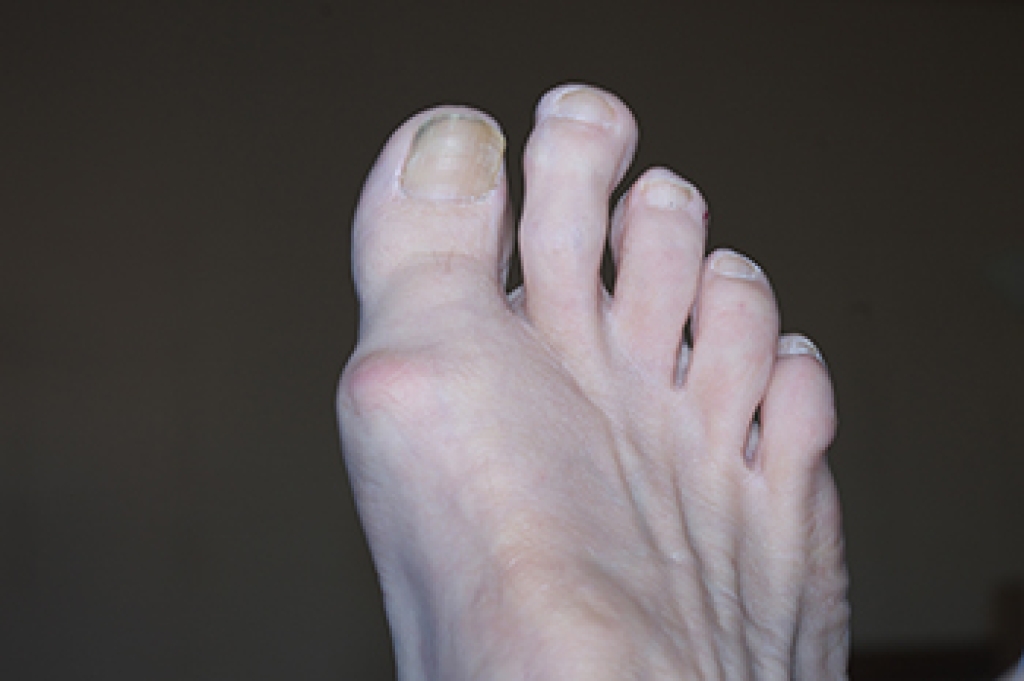
Morton's toe is often confused with Morton's neuroma, although they are different foot conditions. Morton's toe refers to a structural variation where the second toe appears to be longer than the big toe. In reality, it is the big toe that is shorter. This imbalance can shift weight improperly across the foot, sometimes leading to pain, calluses, or stress fractures. Morton's neuroma involves a thickening of tissue around a nerve between the toes, typically causing sharp or burning pain in the ball of the foot. A podiatrist can conduct an examination and order imaging tests in order to recommend the appropriate treatment for either condition. For Morton's toe, options include custom orthotics to better distribute weight or, if necessary, surgery to correct the bone structure. Morton's neuroma may be managed through footwear changes, injections to reduce nerve irritation, or surgery to remove the affected nerve, if pain is severe. If you are experiencing toe pain, it is suggested that you schedule an appointment with a podiatrist for an exam and appropriate treatment.
Toe pain can disrupt your daily activities. If you have any concerns, contact Dr. Michael T. Hames of Florence Foot Center. Our doctor can provide the care you need to keep you pain-free and on your feet.
What Causes Toe Pain?
Most severe toe pain is caused due to a sports injury, trauma from dropping something heavy on the toe, or bumping into something rigid. Other problems can develop over time for various reasons.
Toe pain can be caused by one or more ailments. The most common include:
When to See a Podiatrist
Diagnosis
In many cases the cause of toe pain is obvious, but in others, a podiatrist may want to use more advanced methods to determine the problem. These can range from simple visual inspections and sensation tests to X-rays and MRI scans. Prior medical history, family medical history, and any recent physical traumatic events will all be taken into consideration for a proper diagnosis.
Treatment
Treatments for toe pain and injuries vary and may include shoe inserts, padding, taping, medicines, injections, and in some cases, surgery. If you believe that you have broken a toe, please see a podiatrist as soon as possible.
If you have any questions please contact our office located in Florence, Alabama . We offer the newest diagnostic and treatment technologies for all your foot and ankle needs.
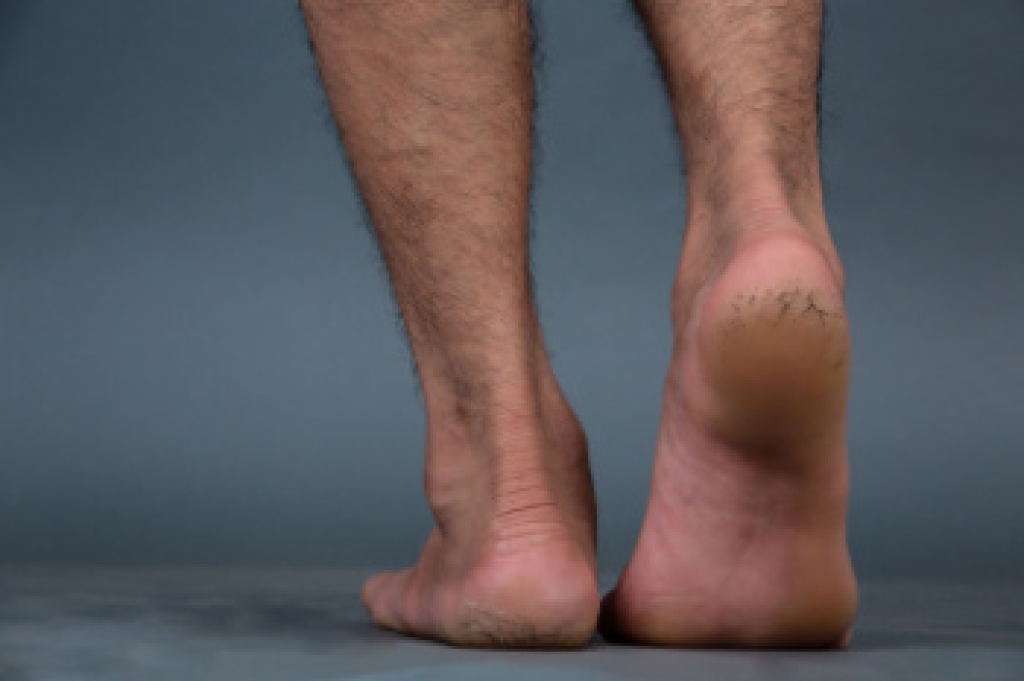
Cracked heels, also known as heel fissures, occur when the skin on the heels becomes dry, thickened, and eventually splits. This condition often results from a lack of moisture and pressure on the fat pad under the heel, causing the skin to expand and crack. Symptoms of cracked heels include dry, rough skin, visible splits or fissures, pain while walking, and, in severe cases, bleeding or infection. Risk factors for developing cracked heels include prolonged standing, walking barefoot, wearing open-backed shoes, obesity, and certain skin conditions like eczema or psoriasis. Additionally, environmental factors such as cold weather and low humidity can also contribute to this condition. If you have developed painful cracked heels, it is suggested that you consult a podiatrist who can offer effective relief remedies, which may include prescribed medication.
If the skin on your feet starts to crack, you may want to see a podiatrist to find treatment. If you have any concerns, contact Dr. Michael T. Hames from Florence Foot Center. Our doctor can provide the care you need to keep you pain-free and on your feet.
Cracked Heels
It is important to moisturize your cracked heels in order to prevent pain, bleeding, and infection. The reason cracked heels form is because the skin on the foot is too dry to support the immense pressure placed on them. When the foot expands, the dry skin on the foot begins to split.
Ways to Help Heal Them
Ways to Prevent Cracked Heels
If you are unsure how to proceed in treating cracked heels, seek guidance from a podiatrist. Your doctor will help you with any questions or information you may need.
If you have any questions, please feel free to contact our office located in Florence, Alabama . We offer the newest diagnostic and treatment technologies for all your foot care needs.
Connect With Us
