What Is a Foot Stress Fracture?

A foot stress fracture is a small crack in the bone caused by repetitive force or overuse rather than a sudden injury. Common causes include high-impact activities, wearing improper footwear, or a sudden increase in physical activity. Symptoms may involve pain that worsens with movement, swelling, and tenderness in the affected area. Risk factors include weak bones, poor conditioning, and inadequate rest. A podiatrist can diagnose a stress fracture through imaging tests and a physical examination, then create a personalized treatment plan to promote healing and prevent further injury. If you have persistent foot pain, it is suggested that you contact a podiatrist who can accurately diagnose and treat what may be going on.

Stress fractures occur when there is a tiny crack within a bone. To learn more, contact Dr. Michael T. Hames from Florence Foot Center. Our doctor can provide the care you need to keep you pain free and on your feet.

How Are They Caused?

Stress fractures are the result of repetitive force being placed on the bone. Since the lower leg and feet often carry most of the body’s weight, stress fractures are likely to occur in these areas. If you rush into a new exercise, you are more likely to develop a stress fracture since you are starting too much, too soon.  Pain resulting from stress fractures may go unnoticed at first, however it may start to worsen over time.

Risk Factors

  • Gender – They are more commonly found in women compared to men.
  • Foot Problems – People with unusual arches in their feet are more likely to develop stress fractures.
  • Certain Sports – Dancers, gymnasts, tennis players, runners, and basketball players are more likely to develop stress fractures.
  • Lack of Nutrients – A lack of vitamin D and calcium may weaken the bones and make you more prone to stress fractures
  • Weak Bones – Osteoporosis can weaken the bones therefore resulting in stress fractures

Stress fractures do not always heal properly, so it is important that you seek help from a podiatrist if you suspect you may have one. Ignoring your stress fracture may cause it to worsen, and you may develop chronic pain as well as additional fractures.

If you have any questions please contact our office located in Florence, Alabama . We offer the newest diagnostic and treatment technologies for all your foot and ankle needs.


Read more about Stress Fractures of the Foot and Ankle

Choosing the Right Shoes for Marathon Running

Finding the right shoes for marathon running is essential for comfort, performance, and injury prevention. Shoes should provide enough length to allow natural toe movement, proper width to avoid pressure, and a secure heel fit that prevents slipping. The overall feel should support your stride without causing rubbing or tightness. Wearing the wrong shoes can lead to blisters, calluses, plantar fasciitis, or even stress fractures, over time. A podiatrist can assess your foot structure, gait and any existing conditions, as well as recommend footwear that match your needs. If you are training for a marathon, it is suggested that you consult a podiatrist to ensure you have the right support for your feet and reduce your risk of painful setbacks.

You should always make sure your running shoes fit properly in order to avoid injury. For more information, contact Dr. Michael T. Hames from Florence Foot Center. Our doctor can provide the care you need to keep you pain-free and on your feet.

Choosing the Right Running Shoe for Your Foot Type

Improper shoe sizing can cause a myriad of problems for your feet. Shoes that don’t fit you properly can lead to muscular imbalances in your body, which can result in foot, knee, and hip injuries.

Tips for Finding the Right Running Shoe

  • Make sure you have a thumb’s width of wiggle room between the end of your longest toe and the front of the shoe.
  • There should be little to no slipping at the heel
  • Don’t assume your size in one shoe brand will be your size in another
  • Do not lace up your shoes too tightly
  • Walk around in the store with your new shoes before you buy them

If you have any questions, please feel free to contact our office located in Florence, Alabama . We offer the newest diagnostic and treatment technologies for all your foot care needs.

Read more about Walking Shoes vs. Running Shoes

Reasons for Nighttime Foot Pain

Foot pain may affect the toes, arches, heels, or ankles, and it often becomes more noticeable at night, when the body is at rest. Muscle fatigue from standing or walking for long periods of time, can cause cramps that worsen during sleep. Plantar fasciitis, an inflammation of the tissue that supports the arch, may lead to sharp or throbbing heel pain that persists into the night. Nerve conditions such as Morton’s neuroma or peripheral neuropathy can create burning, tingling, or stabbing pain that interrupts sleep. Circulation problems related to diabetes may also produce aching or cramping when blood flow to the feet is reduced. In some cases, sciatica can cause pain that radiates down into the feet, making nighttime discomfort worse. A podiatrist can determine the source of the foot pain and provide treatment to relieve symptoms and protect long-term foot health. If you frequently experience nighttime foot pain, it is suggested that you schedule an appointment with a podiatrist for an exam and appropriate treatment solutions.

Foot Pain

Foot pain can be extremely painful and debilitating. If you have a foot pain, consult with Dr. Michael T. Hames from Florence Foot Center. Our doctor will assess your condition and provide you with quality foot and ankle treatment.

Causes

Foot pain is a very broad condition that could be caused by one or more ailments. The most common include:

  • Bunions
  • Hammertoes
  • Plantar Fasciitis
  • Bone Spurs
  • Corns
  • Tarsal Tunnel Syndrome
  • Ingrown Toenails
  • Arthritis (such as Gout, Rheumatoid, and Osteoarthritis)
  • Flat Feet
  • Injury (from stress fractures, broken toe, foot, ankle, Achilles tendon ruptures, and sprains)
  • And more

Diagnosis

To figure out the cause of foot pain, podiatrists utilize several different methods. This can range from simple visual inspections and sensation tests to X-rays and MRI scans. Prior medical history, family medical history, and any recent physical traumatic events will all be taken into consideration for a proper diagnosis.

Treatment

Treatment depends upon the cause of the foot pain. Whether it is resting, staying off the foot, or having surgery; podiatrists have a number of treatment options available for foot pain.

If you have any questions, please feel free to contact our office located in Florence, Alabama . We offer the newest diagnostic and treatment technologies for all your foot care needs.

Read more about Foot Pain

Symptoms and Risk Factors for Plantar Fasciitis

Plantar fasciitis is one of the most common causes of heel pain. It occurs when the plantar fascia, a band of tissue that connects the heel bone to the toes, becomes strained. The main symptom of plantar fasciitis is a sharp or burning pain on the bottom of the heel or arch. Pain can ease with movement but often returns after prolonged standing, walking, or exercise. People may notice difficulty lifting their toes or may walk with a limp to avoid discomfort. Risk factors of plantar fasciitis include being between the ages of 40 and 60, having flat feet or high arches, and wearing high heels or shoes that lack adequate support, like flip-flops. Occupations that require extended standing and repetitive high-impact activities, such as running, also increase risk. If you have symptoms of plantar fasciitis, it is suggested that you make an appointment with a podiatrist for an exam, diagnosis, and treatment.

Plantar fasciitis is a common foot condition that is often caused by a strain injury. If you are experiencing heel pain or symptoms of plantar fasciitis, contact Dr. Michael T. Hames from Florence Foot Center. Our doctor can provide the care you need to keep you pain-free and on your feet.

What Is Plantar Fasciitis?

Plantar fasciitis is one of the most common causes of heel pain. The plantar fascia is a ligament that connects your heel to the front of your foot. When this ligament becomes inflamed, plantar fasciitis is the result. If you have plantar fasciitis you will have a stabbing pain that usually occurs with your first steps in the morning. As the day progresses and you walk around more, this pain will start to disappear, but it will return after long periods of standing or sitting.

What Causes Plantar Fasciitis?

  • Excessive running
  • Having high arches in your feet
  • Other foot issues such as flat feet
  • Pregnancy (due to the sudden weight gain)
  • Being on your feet very often

There are some risk factors that may make you more likely to develop plantar fasciitis compared to others. The condition most commonly affects adults between the ages of 40 and 60. It also tends to affect people who are obese because the extra pounds result in extra stress being placed on the plantar fascia.

Prevention

  • Take good care of your feet – Wear shoes that have good arch support and heel cushioning.
  • Maintain a healthy weight
  • If you are a runner, alternate running with other sports that won’t cause heel pain

There are a variety of treatment options available for plantar fasciitis along with the pain that accompanies it. Additionally, physical therapy is a very important component in the treatment process. It is important that you meet with your podiatrist to determine which treatment option is best for you.

If you have any questions, please feel free to contact our office located in Florence, Alabama . We offer the newest diagnostic and treatment technologies for all your foot care needs.


Read more about Plantar Fasciitis

Do You Suffer From Painful Feet?

Painful deformities, such as hammertoes, can be treated. Stop living with foot pain, and have beautiful feet again!

Facts About Fungal Toenails

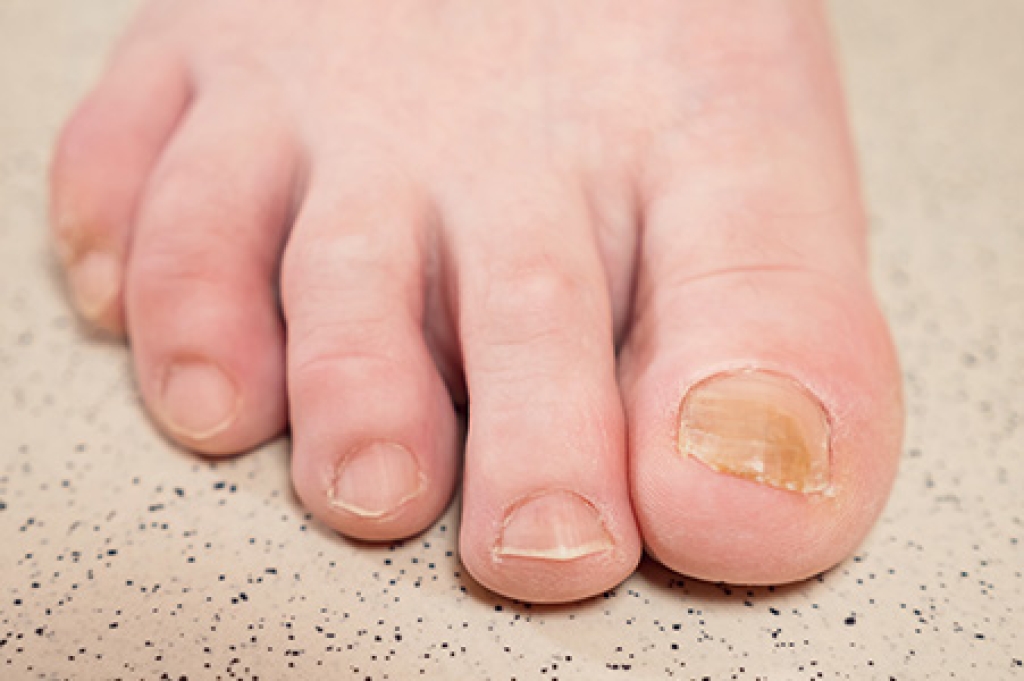
Toenail fungus, also called onychomycosis, is an infection that affects the toenails far more often than the fingernails. It is estimated that about one in 10 people will develop it, with higher rates among older adults, men, and those with diabetes or circulation problems in the feet. The infection is usually caused by dermatophytes, a type of fungus that thrives in warm, moist environments. It can be picked up from surfaces like locker room floors or through direct contact with the fungus. Early signs of fungal toenails include yellow or white spots on the nail or a chalky buildup beneath the surface. As the infection progresses, the nail may thicken, discolor, and become brittle or distorted, sometimes separating from the nail bed. A podiatrist can confirm the diagnosis, provide treatment, and suggest ways to reduce the risk of complications or recurrence. If you have symptoms of a fungal toenail infection, it is suggested that you make an appointment with a podiatrist for an exam, diagnosis and appropriate treatment.

If left untreated, toenail fungus may spread to other toenails, skin, or even fingernails. If you suspect you have toenail fungus it is important to seek treatment right away. For more information about treatment, contact Dr. Michael T. Hames of Florence Foot Center. Our doctor can provide the care you need to keep you pain-free and on your feet.

Symptoms

  • Warped or oddly shaped nails
  • Yellowish nails
  • Loose/separated nail
  • Buildup of bits and pieces of nail fragments under the nail
  • Brittle, broken, thickened nail

Treatment

If self-care strategies and over-the-counter medications does not help your fungus, your podiatrist may give you a prescription drug instead. Even if you find relief from your toenail fungus symptoms, you may experience a repeat infection in the future.

Prevention

In order to prevent getting toenail fungus in the future, you should always make sure to wash your feet with soap and water. After washing, it is important to dry your feet thoroughly especially in between the toes. When trimming your toenails, be sure to trim straight across instead of in a rounded shape. It is crucial not to cover up discolored nails with nail polish because that will prevent your nail from being able to “breathe”.

In some cases, surgical procedure may be needed to remove the toenail fungus. Consult with your podiatrist about the best treatment options for your case of toenail fungus.  

If you have any questions please contact our office located in Florence, Alabama . We offer the newest diagnostic and treatment technologies for all your foot and ankle needs.
Read more about How to Treat Your Toenail Fungus

What Causes an Ingrown Toenail?

Ingrown toenails develop when the corner or edge of a toenail grows into the skin beside it, most often affecting the big toe. Several factors can contribute to the formation of ingrown toenails. Trimming toenails too short or curving them at the edges can direct the nail into the skin. Naturally curved or thickened nails may also increase the risk. Shoes that are too tight or narrow can compress the toes and force the nail edges downward. Repeated toe injuries, such as stubbing or dropping a heavy object on it, also may trigger the problem.  Additionally, sweaty feet and prolonged athletic activities, especially sports that involve kicking or pressure on the toes, can make ingrown toenails more likely. When left untreated, pain, swelling, and infection can occur. A podiatrist can evaluate the severity of the ingrown toenail and provide treatment, which may include nail correction or surgery, if necessary. If you are experiencing pain around your toenails, it is suggested that you schedule an appointment with a podiatrist for an evaluation and appropriate treatment.

Ingrown toenails may initially present themselves as a minor discomfort, but they may progress into an infection in the skin without proper treatment. For more information about ingrown toenails, contact Dr. Michael T. Hames of Florence Foot Center. Our doctor can provide the care you need to keep you pain-free and on your feet.

Ingrown Toenails

Ingrown toenails are caused when the corner or side of a toenail grows into the soft flesh surrounding it. They often result in redness, swelling, pain, and in some cases, infection. This condition typically affects the big toe and may recur if it is not treated properly.

Causes

  • Improper toenail trimming
  • Genetics
  • Improper shoe fitting
  • Injury from pedicures or nail picking
  • Abnormal gait
  • Poor hygiene

You are more likely to develop an ingrown toenail if you are obese, have diabetes, arthritis, or have any fungal infection in your nails. Additionally, people who have foot or toe deformities are at a higher risk of developing an ingrown toenail.

Symptoms

Some symptoms of ingrown toenails are redness, swelling, and pain. In rare cases, there may be a yellowish drainage coming from the nail.

Treatment

Ignoring an ingrown toenail can have serious complications. Infections of the nail border can progress to a deeper soft-tissue infection, which can then turn into a bone infection. You should always speak with your podiatrist if you suspect you have an ingrown toenail, especially if you have diabetes or poor circulation.

If you have any questions, please feel free to contact our office located in Florence, Alabama . We offer the newest diagnostic and treatment technologies for all your foot care needs.

Read more about Ingrown Toenail Care

What You Need to Know About Plantar Warts

Plantar warts are small growths that appear on the soles of the feet and are caused by the human papillomavirus, or HPV. The virus enters through tiny cuts or breaks in the skin, often in places like public showers, pool areas, or locker rooms. Symptoms include a thickened, rough patch of skin with a small black dot in the center, which is a clotted blood vessel. They may feel tender or painful, especially while walking or standing. Plantar warts can grow individually or in clusters and may be mistaken for calluses or corns. A podiatrist can diagnose plantar warts through a physical examination and sometimes remove a small portion to confirm the presence of the virus. Relief options include topical medications or minor surgical removal. Early treatment can help prevent the spread of the virus and reduce discomfort. If you notice a painful or unusual growth on your foot,  it is suggested that you schedule an appointment with a podiatrist who can effectively treat plantar warts.

Plantar warts can be very uncomfortable. If you need your feet checked, contact Dr. Michael T. Hames from Florence Foot Center. Our doctor will assist you with all of your foot and ankle needs.

About Plantar Warts

Plantar warts are the result of HPV, or human papillomavirus, getting into open wounds on the feet. They are mostly found on the heels or balls of the feet.

While plantar warts are generally harmless, those experiencing excessive pain or those suffering from diabetes or a compromised immune system require immediate medical care. Plantar warts are easily diagnosed, usually through scraping off a bit of rough skin or by getting a biopsy.

Symptoms

  • Lesions on the bottom of your feet, usually rough and grainy
  • Hard or thick callused spots
  • Wart seeds, which are small clotted blood vessels that look like little black spots
  • Pain, discomfort, or tenderness of your feet when walking or standing

Treatment

  • Freezing
  • Electric tool removal
  • Laser Treatment
  • Topical Creams (prescription only)
  • Over-the-counter medications

To help prevent developing plantar warts, avoid walking barefoot over abrasive surfaces that can cause cuts or wounds for HPV to get into. Avoiding direct contact with other warts, as well as not picking or rubbing existing warts, can help prevent the further spread of plantar warts. However, if you think you have developed plantar warts, speak to your podiatrist. He or she can diagnose the warts on your feet and recommend the appropriate treatment options.

If you have any questions, please feel free to contact our office located in Florence, Alabama . We offer the newest diagnostic and treatment technologies for all your foot care needs.

Read more about All About Plantar Warts

Understanding Gout and the Foods to Avoid

Gout is a form of arthritis caused by the buildup of uric acid crystals in the joints, most often affecting the big toe. It has long been called the disease of kings, due to its association with rich foods and indulgence. A gout attack can bring sudden, intense pain, swelling, and redness, making it difficult to walk or wear shoes. To help manage gout, it is best to avoid foods high in purines such as red meat, shellfish, and alcohol while choosing more fruits, vegetables, whole grains, and low fat dairy. A podiatrist can provide treatment for pain relief and guidance for prevention. If you are experiencing gout symptoms, it is suggested that you are under the care of a podiatrist who can help you with effective management and prevention tips. 

Gout is a foot condition that requires certain treatment and care. If you are seeking treatment, contact Dr. Michael T. Hames from Florence Foot Center. Our doctor will treat your foot and ankle needs.

What Is Gout?

Gout is a type of arthritis caused by a buildup of uric acid in the bloodstream. It often develops in the foot, especially the big toe area, although it can manifest in other parts of the body as well. Gout can make walking and standing very painful and is especially common in diabetics and the obese.

People typically get gout because of a poor diet. Genetic predisposition is also a factor. The children of parents who have had gout frequently have a chance of developing it themselves.

Gout can easily be identified by redness and inflammation of the big toe and the surrounding areas of the foot. Other symptoms include extreme fatigue, joint pain, and running high fevers. Sometimes corticosteroid drugs can be prescribed to treat gout, but the best way to combat this disease is to get more exercise and eat a better diet.

If you have any questions, please feel free to contact our office located in Florence, Alabama . We offer the newest diagnostic and treatment technologies for all your foot care needs.

Read more about Gout

Are You Suffering From Nerve Damage?

Neuropathy is a condition that can lead to numbness or loss of sensation in the feet, but it can also cause pain. This condition is more likely to develop for those who are diabetic, obese, or with high blood pressure.

Connect With Us