Foot Pain May Develop from Wearing High Heels

There are many people who enjoy wearing high heels. This type of shoe can enhance the appearance of the legs by making them look longer and thinner. Potential damage to the foot may be diminished if proper stretching exercises are frequently performed, thereby strengthening the foot. Many people may experience heel pain, and this may be a result of shortened calf muscles. There are many foot conditions that can gradually develop from wearing high heels. These may include ingrown toenails, bunions, or Morton’s neuroma, which is a form of nerve damage that occurs between the toes. If you would like additional information about how high heels can affect the feet, consulting with a podiatrist is recommended.

High heels have a history of causing foot and ankle problems. If you have any concerns about your feet or ankles, contact Dr. Michael T. Hames from Florence Foot Center. Our doctor can provide the care you need to keep you pain-free and on your feet.

Effects of High Heels on the Feet

High heels are popular shoes among women because of their many styles and societal appeal.  Despite this, high heels can still cause many health problems if worn too frequently.

Which Parts of My Body Will Be Affected by High Heels?

  • Ankle Joints
  • Achilles Tendon – May shorten and stiffen with prolonged wear
  • Balls of the Feet
  • Knees – Heels cause the knees to bend constantly, creating stress on them
  • Back – They decrease the spine’s ability to absorb shock, which may lead to back pain.  The vertebrae of the lower back may compress.

What Kinds of Foot Problems Can Develop from Wearing High Heels?

  • Corns
  • Calluses
  • Hammertoe
  • Bunions
  • Morton’s Neuroma
  • Plantar Fasciitis

How Can I Still Wear High Heels and Maintain Foot Health?

If you want to wear high heeled shoes, make sure that you are not wearing them every day, as this will help prevent long term physical problems.  Try wearing thicker heels as opposed to stilettos to distribute weight more evenly across the feet.  Always make sure you are wearing the proper shoes for the right occasion, such as sneakers for exercising.  If you walk to work, try carrying your heels with you and changing into them once you arrive at work.  Adding inserts to your heels can help cushion your feet and absorb shock. Full foot inserts or metatarsal pads are available. 

If you have any questions, please feel free to contact our office located in Florence, Alabama . We offer the newest diagnostic and treatment technologies for all your foot care needs.
Read more about Why High Heels Are Not Ideal for Healthy Feet

Keeping Your Feet Healthy While Working on Your Feet

There are many professions that require standing for hours, which unfortunately can put a heavy strain on the feet. Oftentimes, people who work on their feet begin to notice aches and pains associated with the stress their feet are under. Examples of common problems that arise from working on your feet are plantar fasciitis, bunions, Achilles tendonitis, swollen feet, and soreness. There are a few simple ways to reduce the risk of developing any of these issues. Wearing comfortable and supportive shoes is the most important step in keeping your feet healthy. Custom made orthotics could also be beneficial. Orthotics made for those who stand for long periods of time could help improve posture, relieve joint pain, and help alleviate other symptoms. Changing positions is also beneficial, because it helps shift the weight being put on the feet. If possible, walking around, standing in different positions, and stretching are easy ways to change position. If you would like more information on how to care for your feet, speak with your podiatrist.

While working on the feet, it is important to take the proper care of them. For more information about working on your feet, contact Dr. Michael T. Hames from Florence Foot Center. Our doctor will treat your foot and ankle needs.

Working on Your Feet

Standing on your feet for long periods of time can cause stress and pain in your feet. Your whole body may experience change in terms of posture, back pain, bunions, callouses and or plantar warts. There are ways to avoid these conditions with proper foot care, smart choices and correct posture.

Positive Changes

Negative heeled shoe – Choosing this shoe type places the heel slightly lower than the ball of the foot. These are great for overall foot health. Find shoes that fit you correctly.

Go barefoot – Our feet were not designed to be enclosed for all hours of the day. Try to periodically expose your feet to air.

Eliminate Pain

Foot Exercises – Performing simple exercises, incorporating yoga and doing stretches are beneficial. This will allow increased blood flow to the area and muscles of the foot.

Achilles tendon – Stretching the foot out flat on the floor will relax the calf muscles and tendon. These exercises can be performed almost anywhere. Make sure you add these exercises to your daily regimen. 

With a little bit of this information and knowing more about foot health, you will notice changes. Foot stretches and proper footwear will help with pain and prevent further issues.

If you have any questions please contact our office located in Florence, Alabama . We offer the newest diagnostic and treatment technologies for all your foot and ankle needs.

Read more about How to Handle a Long Work Day on Your Feet

Exercises That Help to Alleviate Rheumatoid Arthritis

Rheumatoid arthritis can be a very painful and debilitating condition. Symptoms of this ailment affect joint function, flexibility, range of motion and mood. Luckily, it has been shown that exercise can help to alleviate some painful symptoms and improve body functions that are impaired. Stretching is one of the easiest exercises to perform. Stretching is ideally done in the morning, so relief can start at the beginning of the day. Stretching routines differ depending on which specific joints are affected, but generally routines start with a warm up, then a 10-20 second stretch. Each stretch should be repeated 2-3 times for optimal results. Water exercises can also be helpful because the water helps to support some body weight, which takes pressure off the joints. Swimming and light exercises in a pool can help to lessen joint stress and stiffness. If you have rheumatoid arthritis and would like to learn more about ways to alleviate symptoms, then it is highly recommended you consult with a podiatrist.

Arthritis can be a difficult condition to live with. If you are seeking treatment, contact Dr. Michael T. Hames from Florence Foot Center. Our doctor can provide the care you need to keep you pain-free and on your feet.

Arthritic Foot Care  

Arthritis is a joint disorder that involves the inflammation of different joints in your body, such as those in your feet. Arthritis is often caused by a degenerative joint disease and causes mild to severe pain in all affected areas. In addition to this, swelling and stiffness in the affected joints can also be a common symptom of arthritis.

In many cases, wearing ill-fitting shoes can worsen the effects and pain of arthritis. Wearing shoes that have a lower heel and extra room can help your feet feel more comfortable. In cases of rheumatoid arthritis, the arch in your foot may become problematic. Buying shoes with proper arch support that contour to your feet can help immensely.

Alleviating Arthritic Pain

  • Exercises that stretch the foot can prevent further pain and injury and increase mobility
  • Most of the pain can be alleviated with anti-inflammatory drugs, heat, and topical medications
  • Massages can help temporarily alleviate pain.

It is best to see your doctor for the treatment that is right for your needs and symptoms. Conditions vary, and a podiatrist can help you determine the right method of care for your feet.

If you have any questions please feel free to contact our office located in Florence, Alabama . We offer the newest diagnostic tools and technology to treat your foot and ankle needs.

Read more about Arthritic Foot Care

Preventing Heel Pain

The heel is the largest bone in the foot, and pain occurring in either the front, back, or bottom of it can sometimes be debilitating. Foot abnormalities, wearing ill-fitting shoes, and injury are all possible causes of heel pain. Four of the most common conditions that cause heel pain are heel spurs, plantar fasciitis, excessive pronation, and Achilles tendinitis. There are ways to help prevent these conditions that can be implemented in everyday life. Wearing the right shoes for every activity is important, especially when exercising. Stretching before exercising will help prepare your feet for the strain that is caused by certain amounts of physical activity. Pacing yourself is also essential; your feet can become overworked and when put under too much stress will react poorly. If you are experiencing heel pain, make an appointment with a podiatrist who can offer proper treatment options.

Many people suffer from bouts of heel pain. For more information, contact Dr. Michael T. Hames of Florence Foot Center. Our doctor can provide the care you need to keep you pain-free and on your feet.

Causes of Heel Pain

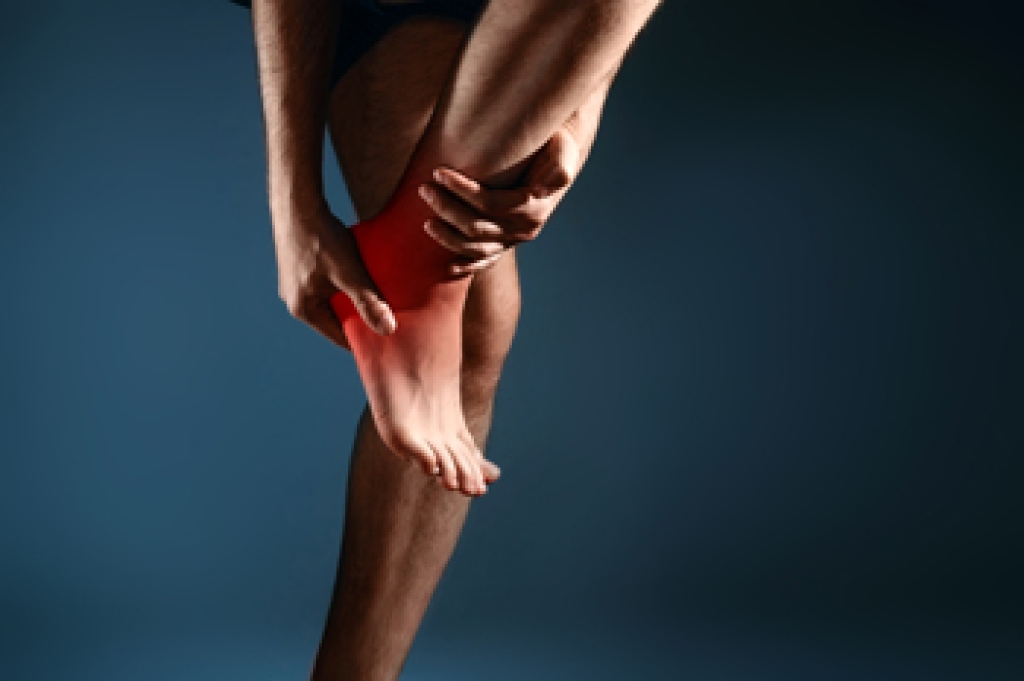
Heel pain is often associated with plantar fasciitis. The plantar fascia is a band of tissues that extends along the bottom of the foot. A rip or tear in this ligament can cause inflammation of the tissue.

Achilles tendonitis is another cause of heel pain. Inflammation of the Achilles tendon will cause pain from fractures and muscle tearing. Lack of flexibility is also another symptom.

Heel spurs are another cause of pain. When the tissues of the plantar fascia undergo a great deal of stress, it can lead to ligament separation from the heel bone, causing heel spurs.

Why Might Heel Pain Occur?

  • Wearing ill-fitting shoes                
  • Wearing non-supportive shoes
  • Weight change           
  • Excessive running

Treatments

Heel pain should be treated as soon as possible for immediate results. Keeping your feet in a stress-free environment will help. If you suffer from Achilles tendonitis or plantar fasciitis, applying ice will reduce the swelling. Stretching before an exercise like running will help the muscles. Using all these tips will help make heel pain a condition of the past.

If you have any questions, please feel free to contact our office located in Florence, Alabama . We offer the newest diagnostic and treatment technologies for all your foot care needs.
Read more about Heel Pain

Choosing the Right Shoe for Different Running Styles

Research has shown the importance of wearing the correct running shoes that are appropriate for your style of running. Once the proper shoe size is determined, it may be beneficial to consider what type of running will be practiced. Trying shoes on later in the day when the feet are at their largest may help to ensure a proper fit. Additionally, the heel of the shoe should be solid, and this may help to provide stability to the feet and ankles. It may be beneficial to alternate between two pair of shoes, in addition to considering purchasing new shoes approximately five hundred miles. If you would like additional information about how to choose running shoes that are correct for you, please consult with a podiatrist who can properly guide you.

You should always make sure your running shoes fit properly in order to avoid injury. For more information, contact Dr. Michael T. Hames from Florence Foot Center. Our doctor can provide the care you need to keep you pain-free and on your feet.

Choosing the Right Running Shoe for Your Foot Type

Improper shoe sizing can cause a myriad of problems for your feet. Shoes that don’t fit you properly can lead to muscular imbalances in your body, which can result in foot, knee, and hip injuries.

Tips for Finding the Right Running Shoe

  • Make sure you have a thumb’s width of wiggle room between the end of your longest toe and the front of the shoe.
  • There should be little to no slipping at the heel
  • Don’t assume your size in one shoe brand will be your size in another
  • Do not lace up your shoes too tightly
  • Walk around in the store with your new shoes before you buy them

If you have any questions, please feel free to contact our office located in Florence, Alabama . We offer the newest diagnostic and treatment technologies for all your foot care needs.

Read more about Choosing the Right Running Shoe

Symptoms of Rheumatoid Arthritis

The medical condition that is referred to as rheumatoid arthritis is often accompanied by specific symptoms. These may include pain, stiffness in different areas of the foot, or swelling. Additionally, many patients may feel feverish, or have an overall sense of fatigue. This may be a result of how this autoimmune disorder may affect the overall body. There are treatment options that exist, which may bring a mild form of relief. Some patients benefit by wearing shoes that are comfortable, or using orthotics, which may be helpful in relieving excess pressure. If you are noticing any of these symptoms, and would like a proper diagnosis, it is suggested to consult with a podiatrist who can offer correct treatment techniques.

Because RA affects more than just your joints, including the joints in your feet and ankles, it is important to seek early diagnosis from your podiatrist if you feel like the pain in your feet might be caused by RA. For more information, contact Dr. Michael T. Hames of Florence Foot Center. Our doctor will assist you with all of your podiatric concerns.

What Is Rheumatoid Arthritis?

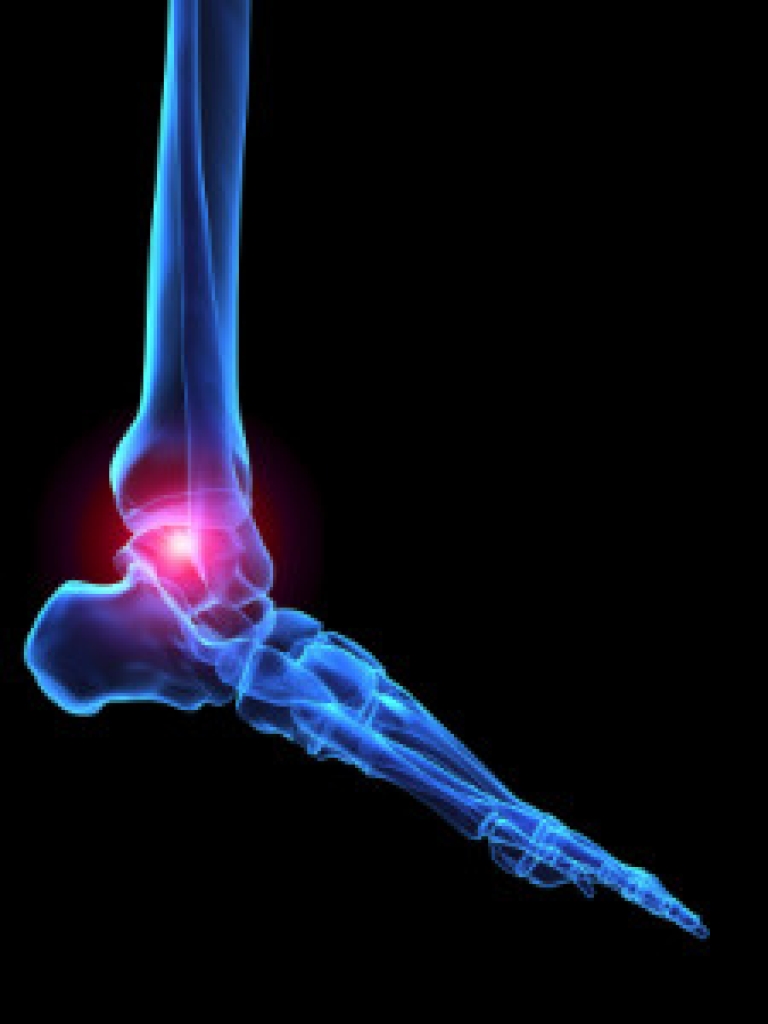
Rheumatoid Arthritis (RA) is an autoimmune disorder in which the body’s own immune system attacks the membranes surrounding the joints. Inflammation of the lining and eventually the destruction of the joint’s cartilage and bone occur, causing severe pain and immobility.

Rheumatoid Arthritis of the Feet

Although RA usually attacks multiple bones and joints throughout the entire body, almost 90 percent of cases result in pain in the foot or ankle area.

Symptoms

  • Swelling and pain in the feet
  • Stiffness in the feet
  • Pain on the ball or sole of feet
  • Joint shift and deformation

Diagnosis

Quick diagnosis of RA in the feet is important so that the podiatrist can treat the area effectively. Your doctor will ask you about your medical history, occupation, and lifestyle to determine the origin of the condition. Rheumatoid Factor tests help to determine if someone is affected by the disease.

If you have any questions, please feel free to contact our office located in Florence, Alabama . We offer the newest diagnostic and treatment technologies for all your foot care needs.
Read more about Rheumatoid Arthritis in the Feet

Athletes Have Increased Risk of Stress Fractures

Stress fractures occur when the foot experiences continual micro-trauma. This is common in athletes who push themselves in order to improve their performance. Stress fractures are caused by accumulative micro damage and can lead to small or large breaks. The body is capable of healing micro damage before it accumulates, but if the overuse is too intense, then the foot does not have time to heal itself. Factors that increase the risk of stress fractures are high running mileage, training errors, low bone density, inappropriate footwear, and high ridged arches. The pain associated with stress fractures is usually gradual, but can also begin with sudden pain. Localized bony pain and tenderness are the most common signs of stress reactions or fractures. It is important to lower the level of impact on your foot if you start to experience symptoms, so your body can heal itself. If you think you may have a stress fracture or are showing early signs of one, then it is suggested you consult with a podiatrist to learn about treatment options.

Stress fractures occur when there is a tiny crack within a bone. To learn more, contact Dr. Michael T. Hames from Florence Foot Center. Our doctor can provide the care you need to keep you pain free and on your feet.

How Are They Caused?

Stress fractures are the result of repetitive force being placed on the bone. Since the lower leg and feet often carry most of the body’s weight, stress fractures are likely to occur in these areas. If you rush into a new exercise, you are more likely to develop a stress fracture since you are starting too much, too soon.  Pain resulting from stress fractures may go unnoticed at first, however it may start to worsen over time.

Risk Factors

  • Gender – They are more commonly found in women compared to men.
  • Foot Problems – People with unusual arches in their feet are more likely to develop stress fractures.
  • Certain Sports – Dancers, gymnasts, tennis players, runners, and basketball players are more likely to develop stress fractures.
  • Lack of Nutrients – A lack of vitamin D and calcium may weaken the bones and make you more prone to stress fractures
  • Weak Bones – Osteoporosis can weaken the bones therefore resulting in stress fractures

Stress fractures do not always heal properly, so it is important that you seek help from a podiatrist if you suspect you may have one. Ignoring your stress fracture may cause it to worsen, and you may develop chronic pain as well as additional fractures.

If you have any questions please contact our office located in Florence, Alabama . We offer the newest diagnostic and treatment technologies for all your foot and ankle needs.

Read more about Stress Fractures of the Foot and Ankle

Broken Foot Treatments

If you have broken a foot, you are aware of the severe pain that typically accompanies this condition. It may happen as a result of falling, or from enduring a sports injury. There are two different types of fractures, which are labeled as compound or closed fractures. The former represents a break in which the bone protrudes through the skin. Some of the symptoms that are associated with a broken foot may include pain in and around the affected area, in addition to possible bruising or swelling. Walking or standing may be painful, and many patients use crutches to increase mobility. After a proper diagnosis is performed, which typically includes having an X-ray taken, correct treatment can begin. This will generally consist of wearing a cast, protective boot, or splint. If you have broken your foot, please consult with a podiatrist who can prescribe the best course of treatment for you.

A broken foot requires immediate medical attention and treatment. If you need your feet checked, contact Dr. Michael T. Hames from Florence Foot Center. Our doctor can provide the care you need to keep you pain-free and on your feet.

Broken Foot Causes, Symptoms, and Treatment

A broken foot is caused by one of the bones in the foot typically breaking when bended, crushed, or stretched beyond its natural capabilities. Usually the location of the fracture indicates how the break occurred, whether it was through an object, fall, or any other type of injury. 

Common Symptoms of Broken Feet:

  • Bruising
  • Pain
  • Redness
  • Swelling
  • Blue in color
  • Numbness
  • Cold
  • Misshapen
  • Cuts
  • Deformities

Those that suspect they have a broken foot shoot seek urgent medical attention where a medical professional could diagnose the severity.

Treatment for broken bones varies depending on the cause, severity and location. Some will require the use of splints, casts or crutches while others could even involve surgery to repair the broken bones. Personal care includes the use of ice and keeping the foot stabilized and elevated.

If you have any questions, please feel free to contact our office located in Florence, Alabama . We offer the newest diagnostic and treatment technologies for all your foot care needs.

Read more about Causes, Symptoms, and Treatment for a Broken Foot

Effective Toe Stretches

When the feet are properly stretched, running and jumping activities may be easier and safer to perform. Painful injuries may be avoided if correct foot and ankle stretches are frequently practiced, and the overall health of the body may be positively affected. An effective foot stretch that is known as toe curling is effectively done by raising one foot and curling the toes, then repeating on the other foot. Some people find it beneficial to stretch one toe at a time, and this is referred to as toe yoga. Lifting and lowering the heels will help to strengthen the Achilles tendon, in addition to making the joints in the ankle stronger. If you would like more information on how to perform foot stretches, it is suggested to consult with a podiatrist who can properly assist you.

Why Stretching Is Important for Your Feet

Stretching the feet is a great way to prevent injuries. If you have any concerns with your feet consult with Dr. Michael T. Hames from Florence Foot Center. Our doctor will assess your condition and provide you with quality foot and ankle treatment.

Stretching the Feet

Stretching the muscles in the foot is an important part in any physical activity. Feet that are tight can lead to less flexibility and make you more prone to injury. One of the most common forms of foot pain, plantar fasciitis, can be stretched out to help ease the pain. Stretching can not only ease pain from plantar fasciitis but also prevent it as well. However, it is important to see a podiatrist first to determine if stretching is right for you. Podiatrists can also recommend other ways to stretch your feet. Once you know whether stretching is right for you, here are some excellent stretches you can do.

  • Using a foam roller or any cylindrical object (a water bottle or soda can will do), roll the object under your foot back and forth. You should also exert pressure on the object. Be sure to do this to both feet for a minute. Do this exercise three times each.
  • Similar to the previous exercise, take a ball, such as a tennis ball, and roll it under your foot while seated and exert pressure on it.
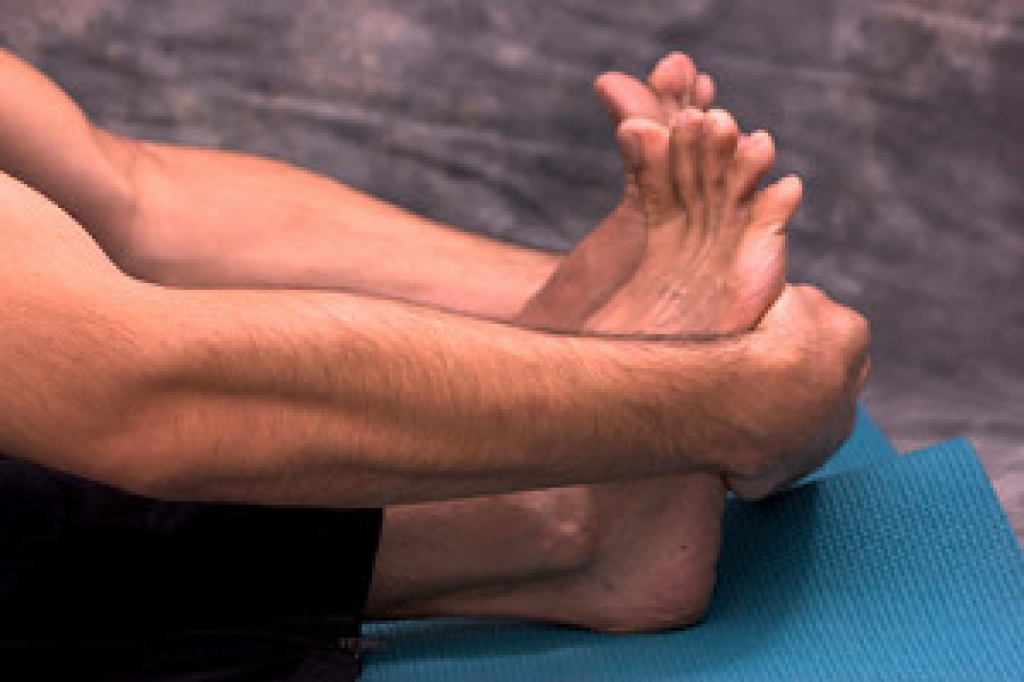
  • Grab a resistance band or towel and take a seat. If you are using a towel, fold it length wise. Next put either one between the ball of your foot and heel and pull with both hands on each side towards you. Hold this for 15 seconds and then switch feet. Do this three times for each foot.
  • Finally hold your big toe while crossing one leg over the other. Pull the toe towards you and hold for 15 seconds. Once again do this three times per foot.

It is best to go easy when first stretching your foot and work your way up. If your foot starts hurting, stop exercising to ice and rest the foot. It is advised that you then see a podiatrist for help.

If you have any questions please contact our office located in Florence, Alabama . We offer the newest diagnostic and treatment technologies for all your foot and ankle needs.

Read more about Stretching Your Feet

What Causes Flat Feet

Flat feet, also known as fallen arches, is a condition that occurs when the arch of the foot is lower than usual. Normally, the foot has an arch in the middle, so the heel and ball of the foot are primarily what touches the ground. For those with flat feet, the arch may have never fully developed, or over time might have flattened downward. Children’s feet develop differently, and some children never develop an arch. This is nothing to be too concerned about and usually results in little to no complications. On the other end of the spectrum, some flat feet develop over time as a result of wear and tear. Adults who have injured their foot or ankle, have rheumatoid arthritis, have diabetes, or are obese are at a higher risk for their arch to drop. While this condition usually does not cause serious health issues, if you think you have flat feet or may be developing it, then it is recommended you speak with a podiatrist to gain further knowledge.

Flatfoot is a condition many people suffer from. If you have flat feet, contact Dr. Michael T. Hames from Florence Foot Center. Our doctor will treat your foot and ankle needs.

What Are Flat Feet?

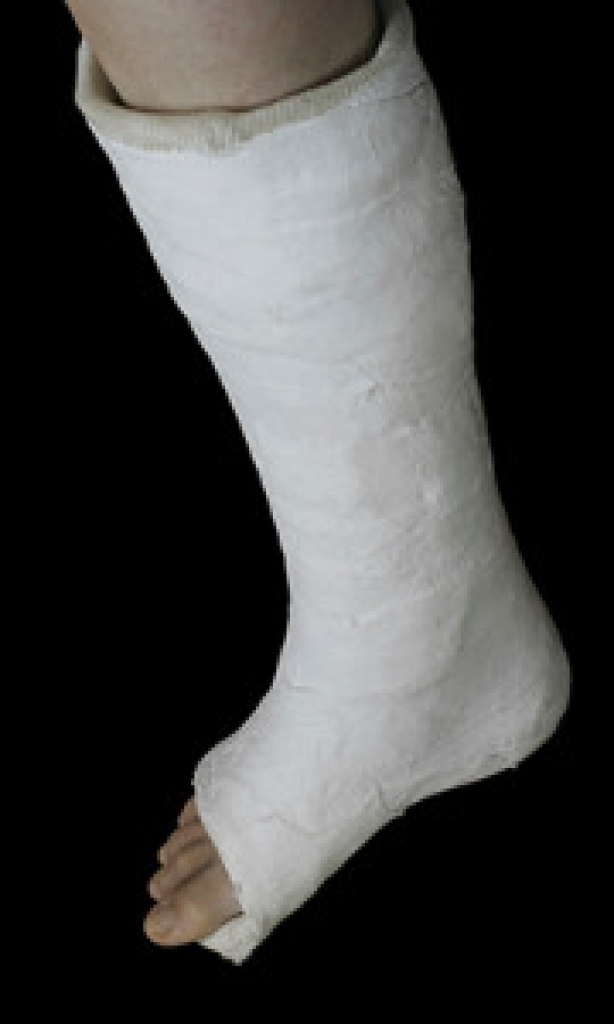
Flatfoot is a condition in which the arch of the foot is depressed and the sole of the foot is almost completely in contact with the ground. About 20-30% of the population generally has flat feet because their arches never formed during growth.

Conditions & Problems:

Having flat feet makes it difficult to run or walk because of the stress placed on the ankles.

Alignment – The general alignment of your legs can be disrupted, because the ankles move inward which can cause major discomfort.

Knees – If you have complications with your knees, flat feet can be a contributor to arthritis in that area.  

Symptoms

  • Pain around the heel or arch area
  • Trouble standing on the tip toe
  • Swelling around the inside of the ankle
  • Flat look to one or both feet
  • Having your shoes feel uneven when worn

Treatment

If you are experiencing pain and stress on the foot you may weaken the posterior tibial tendon, which runs around the inside of the ankle. 

If you have any questions, please feel free to contact our office located in Florence, Alabama . We offer the newest diagnostic and treatment technologies for all your foot care needs.
Read more about Flatfoot

Connect With Us