Understanding Foot Stress Fractures and Recovery

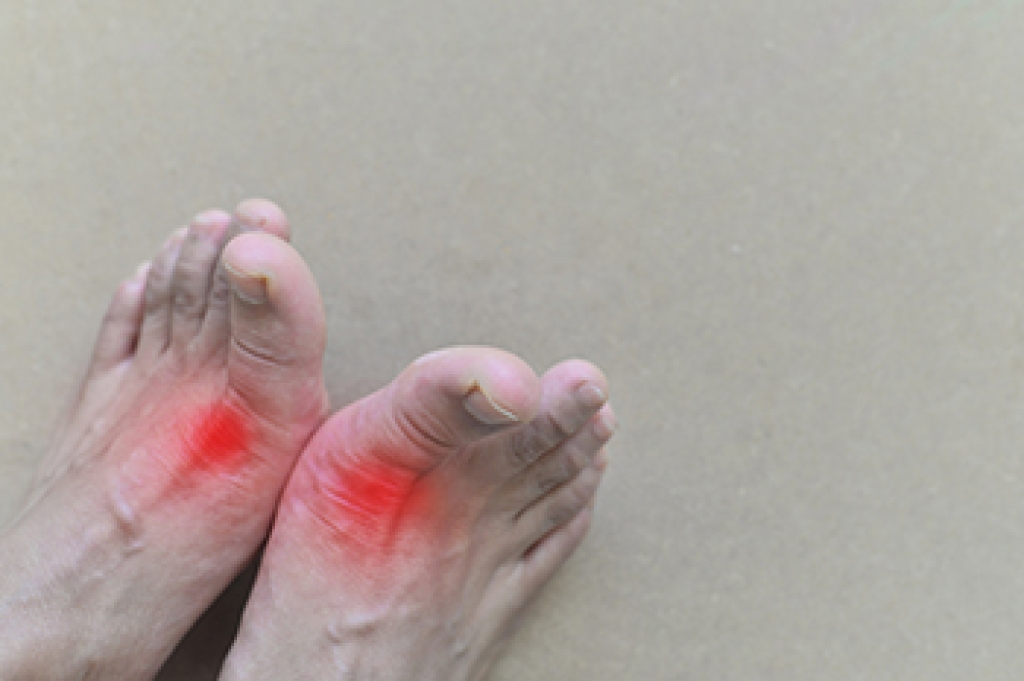
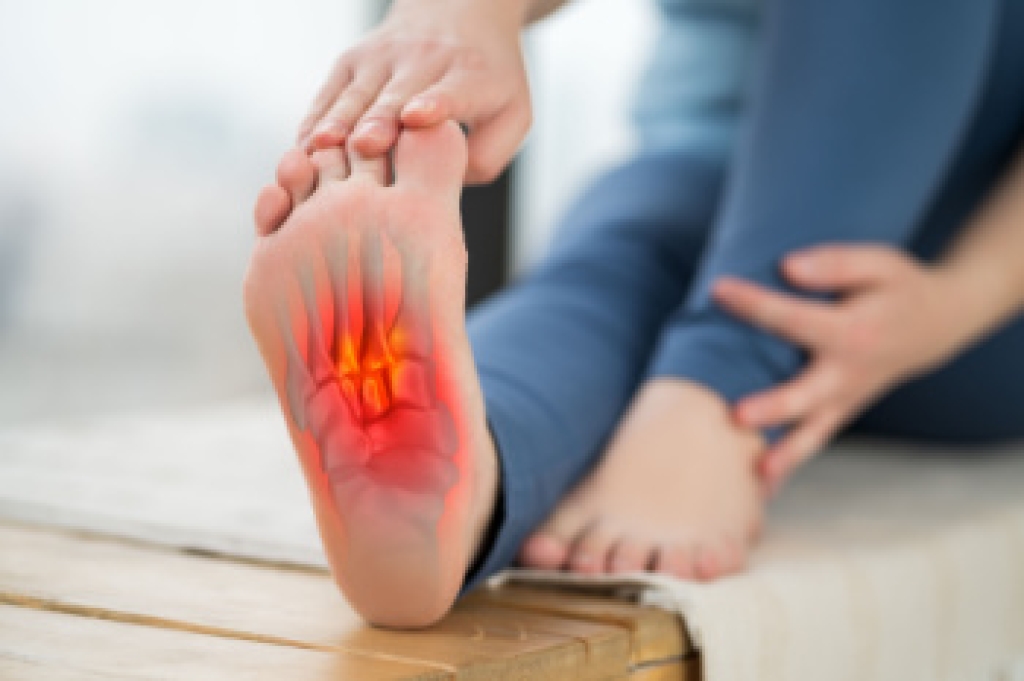
A foot stress fracture, also known as a hairline fracture, is a small crack in a bone that develops from repetitive stress or overuse rather than a single traumatic injury. It can occur when the foot twists the wrong way, changes direction quickly, or endures repeated high-impact activities. Recovery can take six weeks to several months, depending on severity and adherence to treatment. A podiatrist can diagnose a stress fracture with imaging, recommend immobilization or protective footwear, and create a personalized plan to promote healing and prevent reinjury. Ignoring symptoms can lead to prolonged pain or complications. If you have foot pain, and think it may be a foot stress fracture, it is suggested that you consult a podiatrist for a diagnosis and appropriate treatment solutions.

Activities where too much pressure is put on the feet can cause stress fractures. To learn more, contact Dr. Michael T. Hames from Florence Foot Center. Our doctor can provide the care you need to keep your pain free and on your feet.

Dealing with Stress Fractures of the Foot and Ankle

Stress fractures occur in the foot and ankle when muscles in these areas weaken from too much or too little use.  The feet and ankles then lose support when walking or running from the impact of the ground. Since there is no protection, the bones receive the full impact of each step. Stress on the feet can cause cracks to form in the bones, thus creating stress fractures.

What Are Stress Fractures?

Stress fractures occur frequently in individuals whose daily activities cause great impact on the feet and ankles. Stress factors are most common among:

  • Runners                                
  • People affected with Osteoporosis
  • Tennis or basketball players
  • Gymnasts
  • High impact workouts

Symptoms

Pain from the fractures occur in the area of the fractures and can be constant or intermittent. It will often cause sharp or dull pain with swelling and tenderness. Engaging in any kind of activity which involves high impact will aggravate pain.

If you have any questions please contact our office located in Florence, Alabama . We offer the newest diagnostic and treatment technologies for all your foot and ankle needs.

Read more about Dealing with Stress Fractures of the Foot and Ankle

Managing Flare-Ups of Foot Arthritis

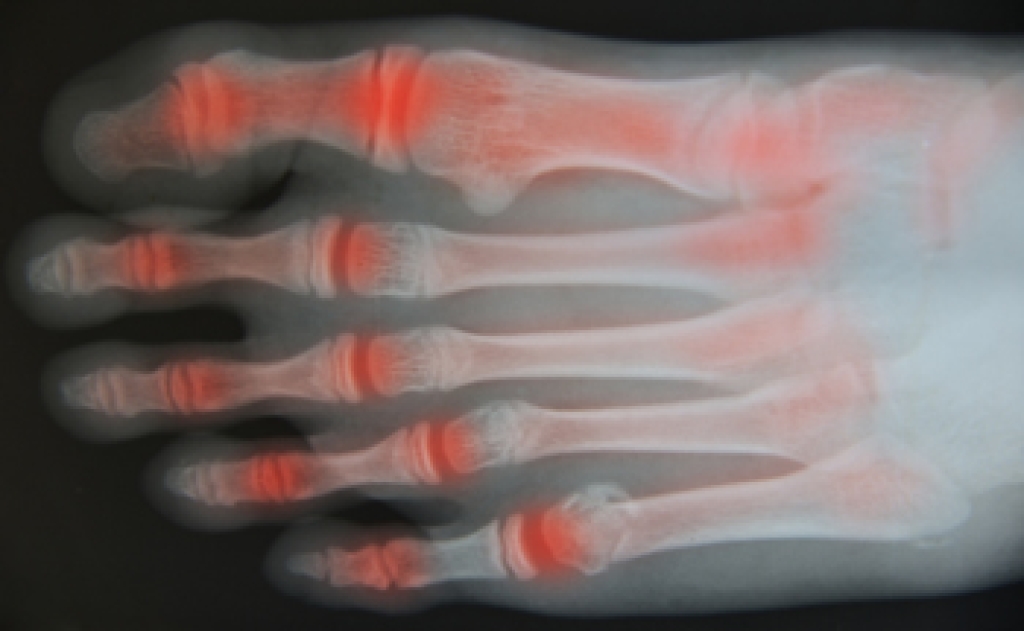
Foot arthritis is a condition where the joints in the foot become inflamed, leading to stiffness, swelling, and pain. It may result from wear and tear, autoimmune diseases, or injury. Flare-ups can be triggered by overexertion, stress, infection, or changes in activity, often causing increased joint pain and reduced mobility. These episodes may disrupt daily life and make walking or standing uncomfortable. A podiatrist can help manage symptoms through customized treatment plans, supportive footwear, orthotics, and lifestyle guidance. If you are experiencing ongoing joint pain in your feet, it is suggested that you consult a podiatrist who can provide effective relief and management techniques.

Arthritis can be a difficult condition to live with. If you are seeking treatment, contact Dr. Michael T. Hames from Florence Foot Center. Our doctor can provide the care you need to keep you pain-free and on your feet.

Arthritic Foot Care  

Arthritis is a joint disorder that involves the inflammation of different joints in your body, such as those in your feet. Arthritis is often caused by a degenerative joint disease and causes mild to severe pain in all affected areas. In addition to this, swelling and stiffness in the affected joints can also be a common symptom of arthritis.

In many cases, wearing ill-fitting shoes can worsen the effects and pain of arthritis. Wearing shoes that have a lower heel and extra room can help your feet feel more comfortable. In cases of rheumatoid arthritis, the arch in your foot may become problematic. Buying shoes with proper arch support that contour to your feet can help immensely.

Alleviating Arthritic Pain

  • Exercises that stretch the foot can prevent further pain and injury and increase mobility
  • Most of the pain can be alleviated with anti-inflammatory drugs, heat, and topical medications
  • Massages can help temporarily alleviate pain.

It is best to see your doctor for the treatment that is right for your needs and symptoms. Conditions vary, and a podiatrist can help you determine the right method of care for your feet.

If you have any questions please feel free to contact our office located in Florence, Alabama . We offer the newest diagnostic tools and technology to treat your foot and ankle needs.

Read more about Arthritic Foot Care

Heel Pain in the Morning?

Heel pain can negatively affect your day-to-day life. Simple activities like walking can become incredibly uncomfortable or painful due to heel pain.

Don’t live with heel pain and get treated.

How Flip Flops Affect Your Feet

While flip-flops are popular for their convenience, wearing them often can lead to several foot problems. Unlike supportive shoes, flip-flops offer little to no arch support, cushioning, or stability. This lack of support can change how you walk, leading to strain in the arches, heels, and even ankles. Over time, this can contribute to conditions like plantar fasciitis or heel pain. Because your toes must grip the sandal to keep it in place, wearing flip-flops regularly can also lead to muscle fatigue and may affect the natural alignment of your feet. Many people develop calluses, cracked heels, or toe pain from constant use. The thin soles do not protect your feet from sharp objects or uneven surfaces either. If you are noticing pain or discomfort from wearing flip-flops, it is suggested you consult a podiatrist to explore healthier footwear choices and treatments.

Flip-flops can cause a lot of problems for your feet. If you have any concerns about your feet or ankles, contact Dr. Michael T. Hames from Florence Foot Center. Our doctor will assist you with all of your foot and ankle needs.

Flip-Flops and Feet

Flip-flops have managed to become a summer essential for a lot of people. While the shoes may be stylish and easy to slip on and off, they can be dangerous to those who wear them too often. These shoes might protect you from fungal infections such as athlete’s foot, but they can also give you foot pain and sprained ankles if you trip while wearing them.

When Are They Okay to Wear?

Flip-flops should only be worn for very short periods of time. They can help protect your feet in places that are crawling with fungi, such as gym locker rooms. Athlete’s foot and plantar warts are two common fungi that flip-flops may help protect your feet against.

Why Are They Bad for My Feet?

These shoes do not offer any arch support, so they are not ideal for everyday use. They also do not provide shock absorption or heel cushioning which can be problematic for your feet. Additionally, you may suffer from glass cuts, puncture wounds, and stubbed toes since they offer little protection for your feet.

More Reasons Why They Are Bad for Your Feet

  • They Slow You Down
  • May Cause Blisters and Calluses
  • Expose Your Feet to Bacteria

If you have any questions, please feel free to contact our office located in Florence, Alabama . We offer the newest diagnostic and treatment technologies for all your foot care needs.

Read more about Flipping Out About Flip Flops

Healthy Feet and Independent Life for Seniors

Regular foot care is essential for seniors, as aging feet are more vulnerable to issues that can impact comfort and mobility. Conditions such as arthritis, bunions, thickened nails, or skin problems can cause pain and increase the risk of falls or infections. Left untreated, these disorders may reduce independence and limit daily activities. Consistent foot care helps maintain circulation, prevent complications, and promote overall well-being. A podiatrist plays a vital role by detecting early signs of problems, managing chronic conditions, and offering tailored treatments to keep feet healthy. If you are a senior, and you notice changes in your foot health, it is suggested that you schedule regular visits with a podiatrist who can treat various foot conditions, while preserving mobility and ensuring continued comfort and safety in everyday life.

Proper foot care is something many older adults forget to consider. If you have any concerns about your feet and ankles, contact Dr. Michael T. Hames from Florence Foot Center. Our doctor can provide the care you need to keep you pain-free and on your feet.

The Elderly and Their Feet

As we age we start to notice many changes in our body, but the elder population may not notice them right away. Medical conditions may prevent the elderly to take notice of their foot health right away. Poor vision is a lead contributor to not taking action for the elderly.

Common Conditions 

  • Neuropathy – can reduce feeling in the feet and can hide many life-threatening medical conditions.
  • Reduced flexibility – prevents the ability of proper toenail trimming, and foot cleaning. If left untreated, it may lead to further medical issues.
  • Foot sores – amongst the older population can be serious before they are discovered. Some of the problematic conditions they may face are:
  • Gouging toenails affecting nearby toe
  • Shoes that don’t fit properly
  • Pressure sores
  • Loss of circulation in legs & feet
  • Edema & swelling of feet and ankles

Susceptible Infections

Diabetes and poor circulation can cause general loss of sensitivity over the years, turning a simple cut into a serious issue.

If you have any questions, please feel free to contact our office located in Florence, Alabama . We offer the newest diagnostic and treatment technologies for all your foot care needs.

Read more about Elderly and their Feet

Understanding What May Cause Toe Pain

Toe pain can result from a number of conditions, ranging from minor injuries to more complex joint issues. Common causes include ingrown toenails, corns, calluses, or blisters from wearing ill-fitting shoes. Joint problems such as arthritis may lead to stiffness, swelling, or aching in one or more toes. Nerve issues like pinched nerves or neuromas can also trigger sharp or burning sensations. Repetitive pressure, especially during sports or long walks, may irritate soft tissue or lead to bruising beneath the nail. In some cases, deformities like bunions or hammertoes develop over time and begin to cause discomfort. The source of pain is not always obvious without a proper examination. If you are dealing with toe pain that does not improve, limits your movement, or keeps returning, it is suggested that you promptly see a podiatrist to identify the cause and explore effective treatment options.

Toe pain can disrupt your daily activities. If you have any concerns, contact Dr. Michael T. Hames of Florence Foot Center. Our doctor can provide the care you need to keep you pain-free and on your feet.

What Causes Toe Pain?

Most severe toe pain is caused due to a sports injury, trauma from dropping something heavy on the toe, or bumping into something rigid. Other problems can develop over time for various reasons.

Toe pain can be caused by one or more ailments. The most common include:

  • Trauma
  • Sports injury
  • Wearing shoes that are too tight
  • Arthritis
  • Gout
  • Corns and calluses
  • Hammertoe
  • Bunions
  • Blisters
  • Ingrown toenails
  • Sprains
  • Fractures (broken bones)
  • Dislocations

When to See a Podiatrist

  • Severe pain
  • Persistent pain that lasts more than a week
  • Signs of infection
  • Continued swelling
  • Pain that prevents walking

Diagnosis

In many cases the cause of toe pain is obvious, but in others, a podiatrist may want to use more advanced methods to determine the problem. These can range from simple visual inspections and sensation tests to X-rays and MRI scans. Prior medical history, family medical history, and any recent physical traumatic events will all be taken into consideration for a proper diagnosis.

Treatment

Treatments for toe pain and injuries vary and may include shoe inserts, padding, taping, medicines, injections, and in some cases, surgery. If you believe that you have broken a toe, please see a podiatrist as soon as possible.

If you have any questions please contact our office located in Florence, Alabama . We offer the newest diagnostic and treatment technologies for all your foot and ankle needs.

Read more about Toe Pain

What to Know About Tarsal Tunnel Syndrome

Tarsal tunnel syndrome is caused by compression of the posterior tibial nerve as it passes through the tarsal tunnel on the inner side of the ankle. This pressure can lead to tingling, burning, numbness, or shooting pain in the foot or ankle. Causes include flat feet, injury, swelling, or underlying conditions like diabetes or arthritis. Risk factors include repetitive stress, improper footwear, and prolonged standing. A podiatrist can diagnose this condition using physical exams and imaging, then provide treatment options, such as orthotics or medication. If you notice ongoing foot pain or numbness, it is suggested that you consult a podiatrist who can accurately diagnose and treat tarsal tunnel syndrome. 

Tarsal tunnel syndrome can be very uncomfortable to live with. If you are experiencing tarsal tunnel syndrome, contact Dr. Michael T. Hames of Florence Foot Center. Our doctor can provide the care you need to keep you pain-free and on your feet.

Tarsal Tunnel Syndrome

Tarsal tunnel syndrome, which can also be called tibial nerve dysfunction, is an uncommon condition of misfiring peripheral nerves in the foot. The tibial nerve is the peripheral nerve in the leg responsible for sensation and movement of the foot and calf muscles. In tarsal tunnel syndrome, the tibial nerve is damaged, causing problems with movement and feeling in the foot of the affected leg.

Common Cause of Tarsal Tunnel Syndrome

  • Involves pressure or an injury, direct pressure on the tibial nerve for an extended period of time, sometimes caused by other body structures close by or near the knee.
  • Diseases that damage nerves, including diabetes, may cause tarsal tunnel syndrome.
  • At times, tarsal tunnel syndrome can appear without an obvious cause in some cases.

The Effects of Tarsal Tunnel Syndrome

  • Different sensations, an afflicted person may experience pain, tingling, burning or other unusual sensations in the foot of the affected leg.
  • The foot muscles, toes and ankle become weaker, and curling your toes or flexing your foot can become difficult.
  • If condition worsens, infections and ulcers may develop on the foot that is experiencing the syndrome.

A physical exam of the leg can help identify the presence of tarsal tunnel syndrome. Medical tests, such as a nerve biopsy, are also used to diagnose the condition. Patients may receive physical therapy and prescriptive medication. In extreme cases, some may require surgery.

If you have any questions please contact our office located in Florence, Alabama . We offer the newest diagnostic and treatment technologies for all your foot and ankle needs.
Read more about Tarsal Tunnel Syndrome

Matching the Shoe With the Sport

Wearing shoes specific to the sport you are playing can help avoid foot, toe, or ankle injuries. Sports shoes are designed to combine cushioning, flexibility, fit, and traction suited to each sport’s demands. For instance, court shoes for tennis or pickleball include rounded midsoles, and firm outward ridges along the shoe edge that improve side‑to‑side stability. Their midfoot support and herringbone-pattern outsoles help to grip hard court surfaces during pivots. In contrast, running shoes are designed for forward motion with vertical edges and soft midsoles. This shoe would increase the risk of lateral ankle sprains and Achilles tendon injuries when worn in court sports. Basketball shoes vary from low-top styles that enhance speed and ankle muscle activation, to high-top versions that offer extra protection during rebounds. Traction patterns and midfoot reinforcements under the arch help to limit twisting during quick cuts. Cleats for soccer, football, and lacrosse use strategic stud placements and carbon-fiber outsoles for grip in multidirectional movement.  Additionally, golf shoes feature spikes or hybrid soles and plates to steady the stance through swings. A podiatrist can evaluate your foot structure, sport requirements, and shoe features to recommend proper footwear. If you are experiencing foot pain after sports activity, it is suggested that you schedule an appointment with a podiatrist for advice and relief tips.

It is important to find shoes that fit you properly in order to avoid a variety of different foot problems. For more information about treatment, contact Dr. Michael T. Hames from Florence Foot Center. Our doctor will treat your foot and ankle needs.

Proper Shoe Fitting

Shoes have many different functions. They cushion our body weight, protect our feet, and allow us to safely play sports. You should always make sure that the shoes you wear fit you properly in order to avoid injuries and deformities such as: bunions, corns, calluses, hammertoes, plantar fasciitis, stress fractures, and more. It is important to note that although a certain pair of shoes might be a great fit for someone else, that doesn’t mean they will be a great fit for you. This is why you should always try on shoes before buying them to make sure they are worth the investment. Typically, shoes need to be replaced ever six months to one year of regular use.

Tips for Proper Shoe Fitting

  • Select a shoe that is shaped like your foot
  • Don’t buy shoes that fit too tight, expecting them to stretch to fit
  • Make sure there is enough space (3/8” to ½”) for your longest toe at the end of each shoe when you are standing up
  • Walk in the shoes to make sure they fit and feel right
  • Don’t select shoes by the size marked inside the shoe, but by how the shoe fits your foot

The shoes you buy should always feel as good as they look. Shoes that fit properly will last longer, feel better, and improve your way of life each day.

If you have any questions please contact our office located in Florence, Alabama . We offer the newest diagnostic and treatment technologies for all your foot and ankle needs.

Read more about Proper Shoe Fitting

Let the Expert Treat Your Ingrown Toenails

Ingrown toenails can be painful and can make wearing shoes or walking uncomfortable. Seek professional help if you believe you've developed an ingrown toenail and be treated safely. 

Understanding the Causes and Symptoms of Gout

Gout is a painful form of inflammatory arthritis caused by a buildup of uric acid crystals in the joints, most commonly the big toe. This condition can develop suddenly and is often triggered by dietary choices, genetics, or underlying health issues. Risk factors include cardiovascular disease, diabetes, diuretic use, obesity, and elevated triglyceride levels. Symptoms of gout include intense joint pain, redness, swelling, and warmth, often described as feeling like the toe is on fire. The joint may become so tender that even the weight of a bedsheet feels unbearable. A podiatrist plays a vital role in diagnosing and managing gout. Through physical examination, imaging, and lab tests, they can confirm the condition and offer relief through medication, dietary guidance, and preventive strategies to manage flare-ups and avoid joint damage. If you are dealing with this condition, it is suggested you make an appointment with a podiatrist for evaluation and treatment.

Gout is a painful condition that can be treated. If you are seeking treatment, contact Dr. Michael T. Hames from Florence Foot Center. Our doctor will treat your foot and ankle needs.

What Is Gout?

Gout is a form of arthritis that is characterized by sudden, severe attacks of pain, redness, and tenderness in the joints. The condition usually affects the joint at the base of the big toe. A gout attack can occur at any random time, such as the middle of the night while you are asleep.

Symptoms

  • Intense Joint Pain - Usually around the large joint of your big toe, and it most severe within the first four to twelve hours
  • Lingering Discomfort - Joint discomfort may last from a few days to a few weeks
  • Inflammation and Redness -Affected joints may become swollen, tender, warm and red
  • Limited Range of Motion - May experience a decrease in joint mobility

Risk Factors

  • Genetics - If family members have gout, you’re more likely to have it
  • Medications - Diuretic medications can raise uric acid levels
  • Gender/Age - Gout is more common in men until the age of 60. It is believed that estrogen protects women until that point
  • Diet - Eating red meat and shellfish increases your risk
  • Alcohol - Having more than two alcoholic drinks per day increases your risk
  • Obesity - Obese people are at a higher risk for gout

Prior to visiting your podiatrist to receive treatment for gout, there are a few things you should do beforehand. If you have gout you should write down your symptoms--including when they started and how often you experience them, important medical information you may have, and any questions you may have. Writing down these three things will help your podiatrist in assessing your specific situation so that he or she may provide the best route of treatment for you.

If you have any questions, please feel free to contact our office located in Florence, Alabama . We offer the newest diagnostic and treatment technologies for all your foot care needs.

Read more about Everything You Need to Know About Gout

Connect With Us