
Plantar warts are small growths that develop on parts of the feet that bear weight. They're typically found on the bottom of the foot. Don't live with plantar warts, and call us today!
Plantar warts are small growths that develop on parts of the feet that bear weight. They're typically found on the bottom of the foot. Don't live with plantar warts, and call us today!

Plantar fasciitis surgery is considered for individuals who have not found relief from conservative treatments after an extended period. Two primary surgical options are open surgery and endoscopic surgery. Open surgery involves a larger incision to release the plantar fascia or remove inflamed tissue, while endoscopic surgery uses smaller incisions and a camera for a minimally invasive approach. Good candidates for surgery typically include those with persistent pain, significant functional limitations, and no improvement despite comprehensive non-surgical treatments. Recovery times can vary based on the type of surgery, as open surgery may require a longer recovery period of several weeks, while endoscopic surgery often allows for a quicker return to normal activities, typically within a few weeks. If you have plantar fasciitis and are considering surgery for relief, it is suggested that you consult a podiatrist who can determine if this is the right decision for you.
Foot surgery is sometimes necessary to treat a foot ailment. To learn more, contact Dr. Michael T. Hames of Florence Foot Center. Our doctor will assist you with all of your foot and ankle needs.
When Is Surgery Necessary?
Foot and ankle surgery is generally reserved for cases in which less invasive, conservative procedures have failed to alleviate the problem. Some of the cases in which surgery may be necessary include:
What Types of Surgery Are There?
The type of surgery you receive will depend on the nature of the problem you have. Some of the possible surgeries include:
Benefits of Surgery
Although surgery is usually a last resort, it can provide more complete pain relief compared to non-surgical methods and may allow you to finally resume full activity.
Surgical techniques have also become increasingly sophisticated. Techniques like endoscopic surgery allow for smaller incisions and faster recovery times.
If you have any questions, please feel free to contact our office located in Florence, Alabama . We offer the newest diagnostic and treatment technologies for all your foot care needs.

Psoriatic arthritis, or PsA, is a type of inflammatory arthritis that affects some people who have psoriasis. It can cause significant pain and swelling in the feet. When PsA targets the feet, it commonly affects the small joints in the toes. This leads to a condition called dactylitis, or sausage toe, where the entire toe swells up. It can also cause enthesitis, which is inflammation where tendons and ligaments attach to bones, often at the heel or arch. This inflammation can make walking difficult and lead to structural changes in the foot over time. A podiatrist can provide valuable support for treating psoriatic arthritis in the feet by prescribing custom orthotics, and anti-inflammatory therapies, as well as offering guidance on proper footwear to relieve pressure on affected areas. If untreated, PsA in the feet can progress to deformities, making early intervention important. If you have psoriatic arthritis that affects your feet, it is suggested that you schedule an appointment with a podiatrist for an exam and relief options.
When dealing with systemic disease of the feet, it is extremely important to check the affected areas routinely so that any additional problems are caught quickly. If you have any concerns about your feet and ankles contact Dr. Michael T. Hames from Florence Foot Center. Our doctor will assist you with all of your podiatric needs.
Systemic Diseases of the Feet
Systemic diseases affect the whole body, and symptoms usually are displayed in the feet. This condition can make a patient’s ability to walk unbearable. Systemic diseases include gout, diabetes mellitus, neurological disorders, and arthritis.
Gout – is caused by an excess of uric acid in the body. Common symptoms include pain, inflammation, and redness at the metatarsal/phalangeal joint of the base big toe. Gout can be treated by NSAIDs to relieve pain and inflammation, and other drugs that lower the acid levels in the body.
Diabetes mellitus – is an increase in the level of blood sugar that the body cannot counteract with its own insulin. Failure to produce enough insulin is a factor in Diabetes.
Diabetes of the Feet
Diabetic Neuropathy – may lead to damaged nerves and affect the feet through numbness and loss of sensation.
Peripheral Vascular Disease – can restrict the blood flow to the feet, and often times lead to amputation of the feet.
If you have any questions please contact our office located in Florence, Alabama . We offer the newest diagnostic and treatment technologies for all your foot and ankle needs.
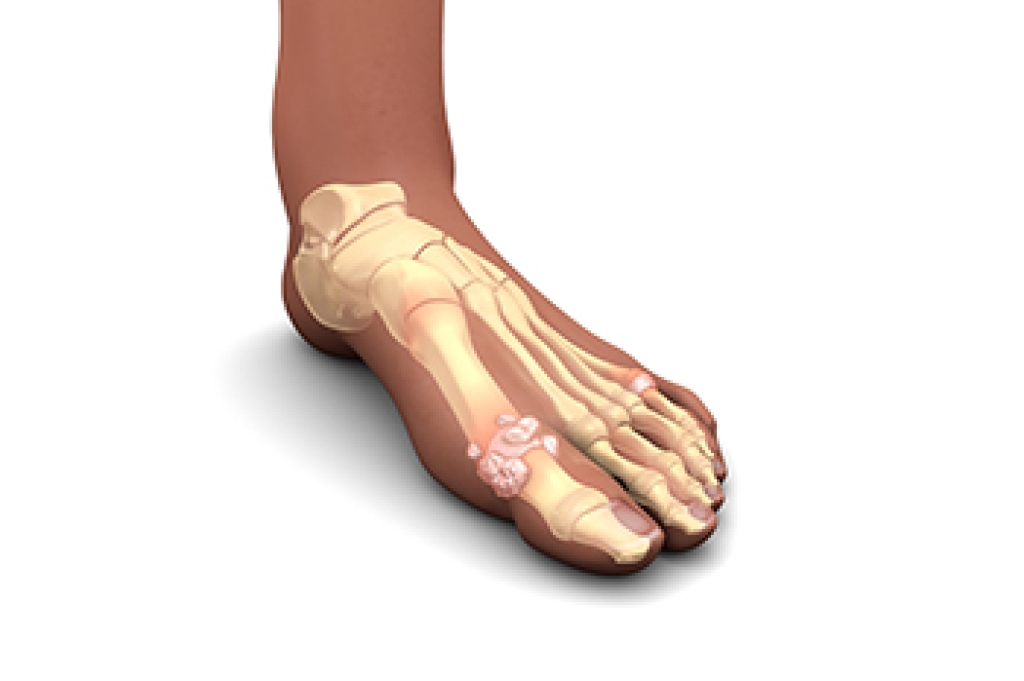
Gout is a form of inflammatory arthritis causing sudden and severe pain, swelling, and redness in the affected joints, most commonly the big toe. This condition occurs when uric acid builds up in the body, leading to the formation of sharp crystals in the joints. Symptoms include intense pain, often occurring at night, and lingering discomfort even after the initial attack. Risk factors for gout include obesity, high blood pressure, and certain dietary choices, such as consuming excessive purine-rich foods like red meat and shellfish. Alcohol consumption can worsen the condition. Genetics also play a role, as a family history of gout increases susceptibility. Gout attacks can be painful and can cause difficulty in completing daily activities. If you have had one or more attacks, it is strongly suggested that you are under the care of a podiatrist who can help you to manage this painful condition.
Gout is a painful condition that can be treated. If you are seeking treatment, contact Dr. Michael T. Hames from Florence Foot Center. Our doctor will treat your foot and ankle needs.
What Is Gout?
Gout is a form of arthritis that is characterized by sudden, severe attacks of pain, redness, and tenderness in the joints. The condition usually affects the joint at the base of the big toe. A gout attack can occur at any random time, such as the middle of the night while you are asleep.
Symptoms
Risk Factors
Prior to visiting your podiatrist to receive treatment for gout, there are a few things you should do beforehand. If you have gout you should write down your symptoms--including when they started and how often you experience them, important medical information you may have, and any questions you may have. Writing down these three things will help your podiatrist in assessing your specific situation so that he or she may provide the best route of treatment for you.
If you have any questions, please feel free to contact our office located in Florence, Alabama . We offer the newest diagnostic and treatment technologies for all your foot care needs.

Plantar fasciitis is an inflammation of the plantar fascia, the thick band of tissue that runs along the bottom of the foot. This condition often leads to significant discomfort, particularly in the heel and arch, and is commonly associated with symptoms such as swelling and stiffness. Many individuals report sharp pain upon taking their first steps in the morning or after prolonged periods of rest. Several factors contribute to the development of plantar fasciitis, including excessive physical activity, improper footwear, and obesity. Additionally, individuals with flat feet or high arches may be at greater risk. Plantar fasciitis can cause severe pain and discomfort. If you are experiencing heel pain, it is strongly suggested that you contact a podiatrist who can accurately diagnose and treat plantar fasciitis.
Plantar fasciitis can be very painful and inconvenient. If you are experiencing heel pain or symptoms of plantar fasciitis, contact Dr. Michael T. Hames from Florence Foot Center. Our doctor can provide the care you need to keep you pain-free and on your feet.
What Is Plantar Fasciitis?
Plantar fasciitis is the inflammation of the thick band of tissue that runs along the bottom of your foot, known as the plantar fascia, and causes mild to severe heel pain.
What Causes Plantar Fasciitis?
How Can It Be Treated?
While very treatable, plantar fasciitis is definitely not something that should be ignored. Especially in severe cases, speaking to your doctor right away is highly recommended to avoid complications and severe heel pain. Your podiatrist can work with you to provide the appropriate treatment options tailored to your condition.
If you have any questions, please feel free to contact our office located in Florence, Alabama . We offer the newest diagnostic and treatment technologies for all your foot care needs.

Tendonitis and stress fractures are both foot issues that can lead to significant pain. Tendonitis is the inflammation of tendons, which are the tissues that connect muscles to bones. This inflammation often results in pain, swelling, and restricted movement in the affected area. Stress fractures are tiny cracks in the bones, typically occurring in the long bones of the foot, or metatarsals. Stress fractures result from repetitive pounding or overuse and are common among runners or other athletes. These fractures can cause sharp, localized pain, especially when placing weight on the affected foot. Differentiating between stress fractures and tendonitis is important because they call for different types of treatment. Tendonitis treatment is aimed at reducing inflammation, while stress fractures require rest and gradual healing. If you are experiencing foot pain that impedes your activities, it is suggested that you schedule an appointment with a podiatrist for a diagnosis and treatment.
Stress fractures occur when there is a tiny crack within a bone. To learn more, contact Dr. Michael T. Hames from Florence Foot Center. Our doctor can provide the care you need to keep you pain free and on your feet.
How Are They Caused?
Stress fractures are the result of repetitive force being placed on the bone. Since the lower leg and feet often carry most of the body’s weight, stress fractures are likely to occur in these areas. If you rush into a new exercise, you are more likely to develop a stress fracture since you are starting too much, too soon. Pain resulting from stress fractures may go unnoticed at first, however it may start to worsen over time.
Risk Factors
Stress fractures do not always heal properly, so it is important that you seek help from a podiatrist if you suspect you may have one. Ignoring your stress fracture may cause it to worsen, and you may develop chronic pain as well as additional fractures.
If you have any questions please contact our office located in Florence, Alabama . We offer the newest diagnostic and treatment technologies for all your foot and ankle needs.

Gout is a painful, inflammatory form of arthritis. Those affected will typically feel an intense stiffness in the joints of their feet, particularly in the big toe. Schedule a visit to learn about how gout can be managed and treated.

An ankle sprain occurs when one or more ligaments in the ankle stretch or tear due to an unnatural twisting or rolling motion. This type of injury often happens during physical activities such as running, jumping, or even stepping on uneven ground. The ligaments, which normally provide stability by holding the ankle bones together, become damaged when they are forced beyond their normal range of motion. Common symptoms of an ankle sprain include pain, swelling, bruising, and difficulty bearing weight on the affected foot. In more severe cases, you may notice instability in the joint or hear a popping sound at the time of injury. Risk factors for sprained ankles include previous ankle injuries, weak muscles, or participating in high-impact sports. A podiatrist plays a key role in diagnosing the severity of the sprain, recommending treatment, and helping you prevent future injuries by strengthening the ankle. If you have sprained an ankle, it is suggested that you make an immediate appointment with a podiatrist for an exam, diagnosis, and treatment options.
Ankle sprains are common but need immediate attention. If you need your feet checked, contact Dr. Michael T. Hames from Florence Foot Center. Our doctor can provide the care you need to keep you pain-free and on your feet.
How Does an Ankle Sprain Occur?
Ankle sprains take place when the ligaments in your ankle are torn or stretched beyond their limits. There are multiple ways that the ankle can become injured, including twisting or rolling over onto your ankle, putting undue stress on it, or causing trauma to the ankle itself.
What Are the Symptoms?
Preventing a Sprain
Treatment of a Sprain
Treatment of a sprain depends on the severity. Many times, people are told to rest and remain off their feet completely, while others are given an air cast. If the sprain is very severe, surgery may be required.
If you have suffered an ankle sprain previously, you may want to consider additional support such as a brace and regular exercises to strengthen the ankle.
If you have any questions please feel free to contact our office located in Florence, Alabama . We offer the newest diagnostic tools and technology to treat your foot and ankle needs.

Plantar warts are benign growths that appear on the soles of the feet due to a viral infection caused by the human papillomavirus, or HPV. These warts often develop on weight-bearing areas, such as the heels or balls of the feet, that make walking uncomfortable. Symptoms typically include small, rough, and grainy lesions that may have tiny black dots within them. They can also cause pain or discomfort when standing or walking. Plantar warts spread through direct contact with the virus, which thrives in warm, moist environments, like swimming pools or communal showers. The virus enters the skin through small cuts or abrasions. Maintaining good foot hygiene and avoiding walking barefoot in public places can help reduce the risk of contracting and spreading plantar warts. If you have developed a plantar wart, it is suggested that you schedule an appointment with a podiatrist who can treat it accordingly.
Plantar warts can be very uncomfortable. If you need your feet checked, contact Dr. Michael T. Hames from Florence Foot Center. Our doctor will assist you with all of your foot and ankle needs.
About Plantar Warts
Plantar warts are the result of HPV, or human papillomavirus, getting into open wounds on the feet. They are mostly found on the heels or balls of the feet.
While plantar warts are generally harmless, those experiencing excessive pain or those suffering from diabetes or a compromised immune system require immediate medical care. Plantar warts are easily diagnosed, usually through scraping off a bit of rough skin or by getting a biopsy.
Symptoms
Treatment
To help prevent developing plantar warts, avoid walking barefoot over abrasive surfaces that can cause cuts or wounds for HPV to get into. Avoiding direct contact with other warts, as well as not picking or rubbing existing warts, can help prevent the further spread of plantar warts. However, if you think you have developed plantar warts, speak to your podiatrist. He or she can diagnose the warts on your feet and recommend the appropriate treatment options.
If you have any questions, please feel free to contact our office located in Florence, Alabama . We offer the newest diagnostic and treatment technologies for all your foot care needs.
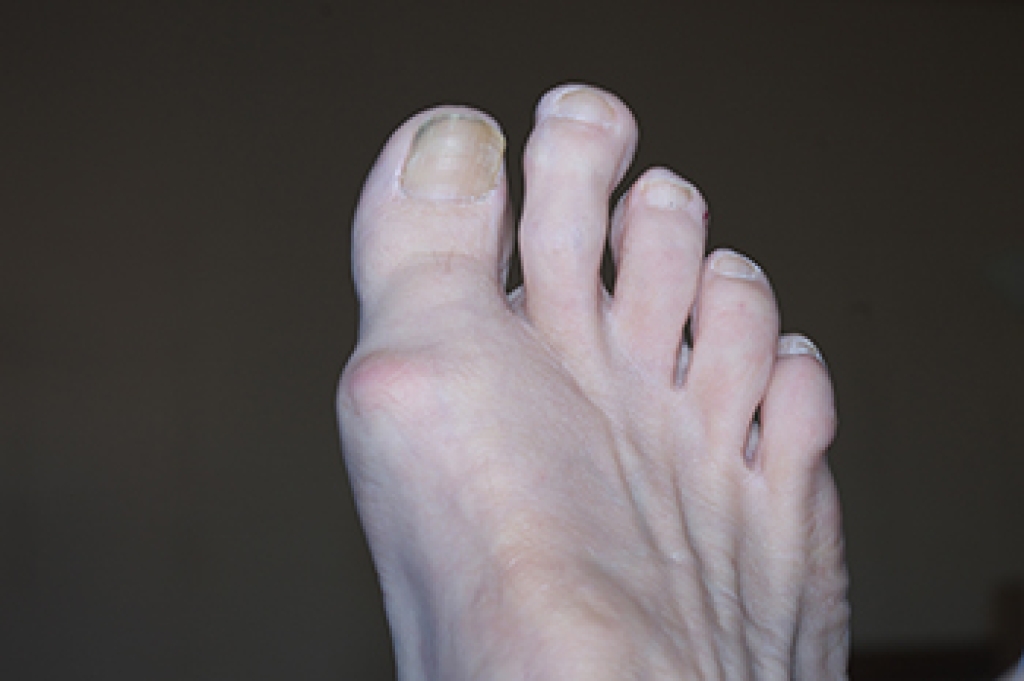
Pain in the second toe can stem from various conditions, often leading to discomfort that interferes with daily activities. Capsulitis, a common cause of second toe pain, occurs when the ligament capsule at the base of the affected toe becomes inflamed. This may be due to improper foot mechanics or pressure from an unstable arch. Metatarsalgia, or pain in the ball of the foot, can occur beneath the second toe. It is often worsened by wearing ill-fitting shoes, such as high heels, that place increased pressure on the area. Additionally, conditions like bunions, ingrown toenails, and Freiberg’s disease, which involves a lack of blood supply to the second toe joint, can contribute to second toe pain. Signs that you should see a podiatrist include having difficulty putting on your shoe, noticeable swelling, and especially if your toe turns blue or very pale. If you are experiencing these symptoms, it is suggested that you schedule an appointment with a podiatrist for a diagnosis and treatment options.
Toe pain can disrupt your daily activities. If you have any concerns, contact Dr. Michael T. Hames of Florence Foot Center. Our doctor can provide the care you need to keep you pain-free and on your feet.
What Causes Toe Pain?
Most severe toe pain is caused due to a sports injury, trauma from dropping something heavy on the toe, or bumping into something rigid. Other problems can develop over time for various reasons.
Toe pain can be caused by one or more ailments. The most common include:
When to See a Podiatrist
Diagnosis
In many cases the cause of toe pain is obvious, but in others, a podiatrist may want to use more advanced methods to determine the problem. These can range from simple visual inspections and sensation tests to X-rays and MRI scans. Prior medical history, family medical history, and any recent physical traumatic events will all be taken into consideration for a proper diagnosis.
Treatment
Treatments for toe pain and injuries vary and may include shoe inserts, padding, taping, medicines, injections, and in some cases, surgery. If you believe that you have broken a toe, please see a podiatrist as soon as possible.
If you have any questions please contact our office located in Florence, Alabama . We offer the newest diagnostic and treatment technologies for all your foot and ankle needs.
Connect With Us
