How Peripheral Neuropathy Affects Diabetic Patients

Peripheral neuropathy in people with diabetes often affects the feet, toes, and ankles, leading to symptoms such as numbness, tingling, or reduced sensation. This can make it difficult to detect minor injuries, which may become serious without proper care. For example, a small blister from wearing poorly fitting shoes or a cut from stepping on something sharp can go unnoticed and develop into a diabetic foot ulcer. Ulcers are slow-healing wounds that can become infected, especially when high blood sugar levels restrict blood flow to the feet. Reduced circulation limits the delivery of infection-fighting cells, increasing the risk of complications like gangrene. In cases where gangrene develops, surgery may be required to remove damaged tissue, and, in severe situations, loss of a toe or foot might result. A podiatrist can provide regular foot exams, remove damaged tissue, treat ulcers, and help manage infections before they progress. If you have foot issues caused by diabetes, it is suggested that you schedule regular appointments with a podiatrist for appropriate treatment.

Neuropathy

Neuropathy can be a potentially serious condition, especially if it is left undiagnosed. If you have any concerns that you may be experiencing nerve loss in your feet, consult with Dr. Michael T. Hames from Florence Foot Center. Our doctor will assess your condition and provide you with quality foot and ankle treatment for neuropathy.

What Is Neuropathy?

Neuropathy is a condition that leads to damage to the nerves in the body. Peripheral neuropathy, or neuropathy that affects your peripheral nervous system, usually occurs in the feet. Neuropathy can be triggered by a number of different causes. Such causes include diabetes, infections, cancers, disorders, and toxic substances.

Symptoms of Neuropathy Include:

  • Numbness
  • Sensation loss
  • Prickling and tingling sensations
  • Throbbing, freezing, burning pains
  • Muscle weakness

Those with diabetes are at serious risk due to being unable to feel an ulcer on their feet. Diabetics usually also suffer from poor blood circulation. This can lead to the wound not healing, infections occurring, and the limb may have to be amputated.

Treatment

To treat neuropathy in the foot, podiatrists will first diagnose the cause of the neuropathy. Figuring out the underlying cause of the neuropathy will allow the podiatrist to prescribe the best treatment, whether it be caused by diabetes, toxic substance exposure, infection, etc. If the nerve has not died, then it’s possible that sensation may be able to return to the foot.

Pain medication may be issued for pain. Electrical nerve stimulation can be used to stimulate nerves. If the neuropathy is caused from pressure on the nerves, then surgery may be necessary.

If you have any questions, please feel free to contact our office located in Florence, Alabama . We offer the newest diagnostic and treatment technologies for all your foot care needs.

Read more about Neuropathy

Managing a Sprained Ankle

An ankle sprain occurs when the ligaments that support the joint are overstretched or torn, often as a result of twisting the foot awkwardly or rolling the ankle during activity. These ligaments help prevent excessive motion, and, when injured, they can lead to pain, swelling, and bruising. Some people may also notice warmth, redness, or tingling in the area, in addition to reduced movement and difficulty walking or climbing stairs. The severity of an ankle sprain can range from a minor stretch to a complete tear, and this will affect how long it takes for the ankle to recover. Symptoms may not appear immediately and can develop over several days. A podiatrist can examine your ankle to determine the extent of the injury and recommend the appropriate treatment. In some cases, surgery may be needed if the ligament has ruptured. Prompt care can also help prevent long-term problems, such as chronic instability or repeated sprains. If you have sprained an ankle, it is suggested that you schedule an appointment with a podiatrist for an exam and treatment as quickly as possible.

Although ankle sprains are common, they aren’t always minor injuries. If you need your ankle injury looked at, contact Dr. Michael T. Hames from Florence Foot Center. Our doctor can provide the care you need to keep you pain-free and on your feet.

How Does an Ankle Sprain Occur?

Ankle sprains are the result of a tear in the ligaments within the ankle. These injuries may happen when you make a rapid shifting movement while your foot is planted. A less common way to sprain your ankle is when your ankle rolls inward while your foot turns outward.

What Are the Symptoms?

  • Pain at the sight of the tear
  • Bruising/Swelling
  • Ankle area is tender to touch
  • In severe cases, may hear/feel something tear
  • Skin discoloration

Preventing a Sprain

  • Wearing appropriate shoes for the occasion
  • Stretching before exercises and sports
  • Knowing your limits

Treatment of a Sprain

In many cases, the RICE method (Rest, Ice, Compression, and Elevate) is used to treat ankle sprains. However, you should see a podiatrist to see which treatment option would work best with your injury. In severe cases, surgery may be required.

It is important to ask your doctor about rehab options after you receive treatment for your injury. Stretching, strength training, and balance exercises may help the ankle heal while also preventing further injury.

If you have any questions, please feel free to contact our office located in Florence, Alabama . We offer the newest diagnostic and treatment technologies for all your foot care needs.

Read more about Ankle Sprains

Various Causes of Ankle Pain

Ankle pain can result from various conditions, with sprains, arthritis, osteoarthritis, and tendinitis being some of the most common causes. A sprained ankle occurs when ligaments are stretched or torn, leading to pain, swelling, and bruising. Arthritis and osteoarthritis cause joint inflammation, resulting in stiffness, swelling, and chronic pain. Osteoarthritis, in particular, wears down cartilage, leading to bone-on-bone friction. Tendinitis occurs when the tendons surrounding the ankle become inflamed, causing pain, swelling, and limited range of motion. The symptoms of ankle pain can vary depending on the cause, but they generally include swelling, tenderness, difficulty moving the ankle, and, in some cases, instability. Activities like walking, running, or standing may become painful or difficult. A podiatrist can diagnose the cause of your ankle pain and recommend treatment, including targeted exercises, medication, orthotics, or, in severe cases, surgery. If you have ankle pain, it is suggested that you schedule an appointment with a podiatrist.

Ankle pain can have many different causes and the pain may potentially be serious. If you have ankle pain, consult with Dr. Michael T. Hames from Florence Foot Center. Our doctor will assess your condition and provide you with quality foot and ankle treatment.

Ankle pain is any condition that causes pain in the ankle. Due to the fact that the ankle consists of tendons, muscles, bones, and ligaments, ankle pain can come from a number of different conditions.

Causes

The most common causes of ankle pain include:

  • Types of arthritis (rheumatoid, osteoarthritis, and gout)
  • Ankle sprains
  • Broken ankles
  • Achilles tendinitis
  • Achilles tendon rupture
  • Stress fractures
  • Tarsal tunnel syndrome
  • Plantar fasciitis

Symptoms

Symptoms of ankle injury vary based upon the condition. Pain may include general pain and discomfort, swelling, aching, redness, bruising, burning or stabbing sensations, and/or loss of sensation.

Diagnosis

Due to the wide variety of potential causes of ankle pain, podiatrists will utilize a number of different methods to properly diagnose ankle pain. This can include asking for personal and family medical histories and of any recent injuries. Further diagnosis may include sensation tests, a physical examination, and potentially x-rays or other imaging tests.

Treatment

Just as the range of causes varies widely, so do treatments. Some more common treatments are rest, ice packs, keeping pressure off the foot, orthotics and braces, medication for inflammation and pain, and surgery.

If you have any questions please feel free to contact our office located in Florence, Alabama . We offer the newest diagnostic tools and technology to treat your foot and ankle needs.

Read more about Various Causes of Ankle Pain

The Importance of Wearing the Right Shoe Size for Foot Health

Wearing the correct shoe size is essential for maintaining foot health and overall comfort. Shoes that are too tight or too loose can lead to foot conditions that cause pain and discomfort. Neuropathy, which affects nerve function, can be worsened by wearing ill-fitting shoes that create pressure points and reduce circulation. Persistent foot pain may develop due to a lack of proper support, leading to difficulty in walking and standing. Ingrown toenails are a common issue when shoes squeeze the toes, causing the nail to grow into the surrounding skin. Over time, these problems can contribute to a decreased quality of life by limiting mobility and daily activities. If you have foot pain from wearing shoes that do not fit correctly, it is suggested that you consult a podiatrist who can treat various foot conditions and guide you on how to determine your correct shoe size.

Finding a properly-fitting shoe is important in reducing injuries and preventing foot problems. For more information about treatment, contact Dr. Michael T. Hames from Florence Foot Center. Our doctor will treat your foot and ankle needs.

Proper Shoe Fitting

A common concern when it comes to foot health, having properly fitted shoes can help prevent injuries to the foot. Out feet affect our posture and gait, which in turn affects the biomechanics and overall bodily structure. With 33 joints, 26 bones, and over 100 ligaments, the potential for serious injury is much greater than one realizes. Although the feet cease growth in adulthood, they still change shape as they mature. Here are some factors to consider when it comes to investing in proper fitting shoes:

  • Be sure the shoes fit correctly right away
  • Ensure the ball of your foot fits comfortably in the widest portion of the shoes
  • Even though they may look fashionable, improper fitting shoes can either create adverse conditions or exacerbate existing ones you may already have
  • Walk along a carpeted surface to ensure the shoes comfortably fit during normal activity

Keeping in mind how shoes fit the biomechanics of your body, properly-fitting shoes are vitally important. Fortunately, it is not difficult to acquire footwear that fits correctly. Be sure to wear shoes that support the overall structure of your body. Do your feet a favor and invest in several pairs of well-fitted shoes today.

If you have any questions, please feel free to contact our office located in Florence, Alabama . We offer the newest diagnostic and treatment technologies for all your foot care needs.

Read more about Getting the Right Shoe Size: To Keep Your Feet Happy

Why Live with Pain and Numbness in Your Feet?

Suffering from this type of pain? You may have the foot condition known as Morton's neuroma. Morton's neuroma may develop as a result of ill-fitting footwear and existing foot deformities. We can help.

Understanding Plantar Fasciitis

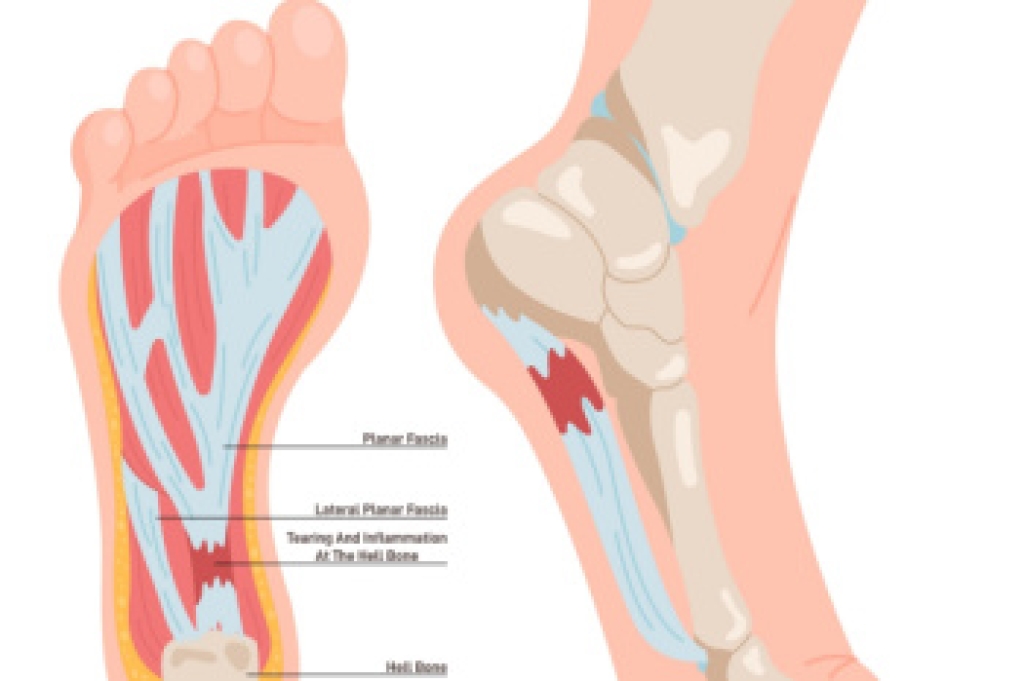
Plantar fasciitis causes pain and inflammation in the thick band of tissue running along the bottom of the foot. This tissue, known as the plantar fascia, connects the heel to the toes and helps support the arch. Repetitive strain or excessive pressure can cause small tears in the fascia, leading to irritation and discomfort. The pain is often felt near the heel and is typically worse in the morning or after long periods of rest. Risk factors include prolonged standing, high-impact activities, improper footwear, and foot structure abnormalities like flat feet or high arches. Plantar fasciitis can cause severe pain and discomfort, and it may become difficult to complete daily activities. If you have heel pain, it is strongly suggested that you promptly consult a podiatrist who can accurately diagnose and treat this condition.

Plantar fasciitis can be very painful and inconvenient. If you are experiencing heel pain or symptoms of plantar fasciitis, contact Dr. Michael T. Hames  from Florence Foot Center. Our doctor can provide the care you need to keep you pain-free and on your feet.

What Is Plantar Fasciitis?

Plantar fasciitis is the inflammation of the thick band of tissue that runs along the bottom of your foot, known as the plantar fascia, and causes mild to severe heel pain.

What Causes Plantar Fasciitis?

  • Excessive running
  • Non-supportive shoes
  • Overpronation
  • Repeated stretching and tearing of the plantar fascia

How Can It Be Treated?

  • Conservative measures – anti-inflammatories, ice packs, stretching exercises, physical therapy, orthotic devices
  • Shockwave therapy – sound waves are sent to the affected area to facilitate healing and are usually used for chronic cases of plantar fasciitis
  • Surgery – usually only used as a last resort when all else fails. The plantar fascia can be surgically detached from the heel

While very treatable, plantar fasciitis is definitely not something that should be ignored. Especially in severe cases, speaking to your doctor right away is highly recommended to avoid complications and severe heel pain. Your podiatrist can work with you to provide the appropriate treatment options tailored to your condition.

If you have any questions, please feel free to contact our office located in Florence, Alabama . We offer the newest diagnostic and treatment technologies for all your foot care needs.
Read more about Plantar Fasciitis

Link Between Swollen Feet and Diabetes

Swollen feet and ankles are a common issue for diabetic patients due to circulation problems and fluid buildup. High blood sugar can weaken blood vessels to the lower limbs and feet. This may result in poor circulation and venous insufficiency, allowing fluid to collect in the feet and ankles. Some people who have diabetes are at higher risk for blood clots, which may cause swelling in one leg and require immediate medical attention. Certain medications used to manage diabetes also can also cause fluid retention, which increases the likelihood of swelling. Left untreated, persistent swelling of the feet and ankles may lead to infections or ulcers that can be difficult to heal. A podiatrist can evaluate the cause of swelling, check for underlying complications, and recommend treatment, including medical management, specialized footwear, or surgery when necessary. If you have swollen feet that may be linked to diabetes, it is suggested that you make a podiatrist a part of your medical management team. 

Diabetic foot care is important in preventing foot ailments such as ulcers. If you are suffering from diabetes or have any other concerns about your feet, contact Dr. Michael T. Hames from Florence Foot Center. Our doctor can provide the care you need to keep you pain-free and on your feet.

Diabetic Foot Care

Diabetes affects millions of people every year. The condition can damage blood vessels in many parts of the body, especially the feet. Because of this, taking care of your feet is essential if you have diabetes, and having a podiatrist help monitor your foot health is highly recommended.

The Importance of Caring for Your Feet

  • Routinely inspect your feet for bruises or sores.
  • Wear socks that fit your feet comfortably.
  • Wear comfortable shoes that provide adequate support.

Patients with diabetes should have their doctor monitor their blood levels, as blood sugar levels play such a huge role in diabetic care. Monitoring these levels on a regular basis is highly advised.

It is always best to inform your healthcare professional of any concerns you may have regarding your feet, especially for diabetic patients. Early treatment and routine foot examinations are keys to maintaining proper health, especially because severe complications can arise if proper treatment is not applied.

If you have any questions, please feel free to contact our office located in Florence, Alabama . We offer the newest diagnostic and treatment technologies for all your foot care needs.

Read more about How to Care for Diabetic Foot

Symptoms and Testing for Foot Drop

Foot drop occurs when patients find it difficult to lift the front portion of their foot, resulting in dragging or slapping of the foot while walking. Known as steppage gait, this walking pattern involves raising the leg higher than usual to prevent the toes from catching on the ground. Foot drop may affect one or both feet, causing sensations of tingling, numbness, or weakness in the ankle, toes, or top of the foot. Several conditions can cause foot drop, including peripheral neuropathy, muscular dystrophy, nerve injury, diabetes, and neurological issues like stroke or multiple sclerosis. A podiatrist can assess symptoms through a physical examination, checking for muscle weakness or loss of function, and by performing nerve conduction studies, ultrasounds, or imaging tests to rule out other causes. Treatment of foot drop often involves nerve stimulation, or wearing braces or orthotics to support proper foot positioning. In some cases, surgery may be needed to repair nerve damage or reposition tendons. If you have trouble lifting your feet when walking, it is suggested that you schedule an appointment with a podiatrist for an exam, diagnosis, and treatment.

If you have any concerns about your feet, contact Dr. Michael T. Hames from Florence Foot Center. Our doctor can provide the care you need to keep you pain-free and on your feet.

Biomechanics in Podiatry

Podiatric biomechanics is a particular sector of specialty podiatry with licensed practitioners who are trained to diagnose and treat conditions affecting the foot, ankle and lower leg. Biomechanics deals with the forces that act against the body, causing an interference with the biological structures. It focuses on the movement of the ankle, the foot and the forces that interact with them.

A History of Biomechanics

  • Biomechanics dates back to the BC era in Egypt where evidence of professional foot care has been recorded.
  • In 1974, biomechanics gained a higher profile from the studies of Merton Root, who claimed that by changing or controlling the forces between the ankle and the foot, corrections or conditions could be implemented to gain strength and coordination in the area.

Modern technological improvements are based on past theories and therapeutic processes that provide a better understanding of podiatric concepts for biomechanics. Computers can provide accurate information about the forces and patterns of the feet and lower legs.

Understanding biomechanics of the feet can help improve and eliminate pain, stopping further stress to the foot.

If you have any questions please feel free to contact our office located in Florence, Alabama . We offer the newest diagnostic and treatment technologies for all your foot and ankle needs.

Read more about Biomechanics in Podiatry

Tarsal Tunnel Syndrome Facts

Tarsal tunnel syndrome is a condition where the posterior tibial nerve, which runs along the inside of the ankle, becomes compressed or irritated as it passes through a narrow passageway called the tarsal tunnel. This compression can result from various causes, including injury, inflammation, or structural abnormalities like flat feet. Symptoms often include pain, tingling, burning sensations, or numbness in the foot and ankle, which may worsen with activity. Diagnosing tarsal tunnel syndrome typically involves a physical examination, medical history review, and tests such as nerve conduction studies or imaging to evaluate nerve function and detect any underlying issues. If you have pain in this part of your foot, it is suggested that you contact a podiatrist who can provide timely treatment.

Tarsal tunnel syndrome can be very uncomfortable to live with. If you are experiencing tarsal tunnel syndrome, contact Dr. Michael T. Hames of Florence Foot Center. Our doctor can provide the care you need to keep you pain-free and on your feet.

Tarsal Tunnel Syndrome

Tarsal tunnel syndrome, which can also be called tibial nerve dysfunction, is an uncommon condition of misfiring peripheral nerves in the foot. The tibial nerve is the peripheral nerve in the leg responsible for sensation and movement of the foot and calf muscles. In tarsal tunnel syndrome, the tibial nerve is damaged, causing problems with movement and feeling in the foot of the affected leg.

Common Cause of Tarsal Tunnel Syndrome

  • Involves pressure or an injury, direct pressure on the tibial nerve for an extended period of time, sometimes caused by other body structures close by or near the knee.
  • Diseases that damage nerves, including diabetes, may cause tarsal tunnel syndrome.
  • At times, tarsal tunnel syndrome can appear without an obvious cause in some cases.

The Effects of Tarsal Tunnel Syndrome

  • Different sensations, an afflicted person may experience pain, tingling, burning or other unusual sensations in the foot of the affected leg.
  • The foot muscles, toes and ankle become weaker, and curling your toes or flexing your foot can become difficult.
  • If condition worsens, infections and ulcers may develop on the foot that is experiencing the syndrome.

A physical exam of the leg can help identify the presence of tarsal tunnel syndrome. Medical tests, such as a nerve biopsy, are also used to diagnose the condition. Patients may receive physical therapy and prescriptive medication. In extreme cases, some may require surgery.

If you have any questions please contact our office located in Florence, Alabama . We offer the newest diagnostic and treatment technologies for all your foot and ankle needs.

Read more about Treating Tarsal Tunnel Syndrome

Do Your Child's Feet Hurt?

Have your child's feet been examined lately? Healthy feet are happy feet. If your child is complaining of foot pain, it may be a sign of underlying problems.

Connect With Us