Performing Foot Stretches During the Work Day

The feet are considered to be the foundation of the body, and it is important to properly care for them as the working day progresses. Many people stand for the majority of the workday, and it is beneficial to sit down when possible. This may help to diminish any existing foot pain that may be present. Many patients find it helpful to stand on stress mats, and wearing shoe inserts may provide additional support. Mild relief can be found when gentle foot stretches are performed throughout the day. This can be accomplished by rolling a tennis ball under the ball of the foot. Additionally, an effective stretch can be done by crossing one foot over the opposite knee, while gently pulling the toes toward you, followed by repeating with the other foot. If you would like additional information about how to perform foot stretches while working, it is suggested that you consult with a podiatrist.

While working on the feet, it is important to take the proper care of them. For more information about working on your feet, contact Dr. Michael T. Hames from Florence Foot Center. Our doctor will treat your foot and ankle needs.

Working on Your Feet

Standing on your feet for long periods of time can cause stress and pain in your feet. Your whole body may experience change in terms of posture, back pain, bunions, callouses and or plantar warts. There are ways to avoid these conditions with proper foot care, smart choices and correct posture.

Positive Changes

Negative heeled shoe – Choosing this shoe type places the heel slightly lower than the ball of the foot. These are great for overall foot health. Find shoes that fit you correctly.

Go barefoot – Our feet were not designed to be enclosed for all hours of the day. Try to periodically expose your feet to air.

Eliminate Pain

Foot Exercises – Performing simple exercises, incorporating yoga and doing stretches are beneficial. This will allow increased blood flow to the area and muscles of the foot.

Achilles tendon – Stretching the foot out flat on the floor will relax the calf muscles and tendon. These exercises can be performed almost anywhere. Make sure you add these exercises to your daily regimen. 

With a little bit of this information and knowing more about foot health, you will notice changes. Foot stretches and proper footwear will help with pain and prevent further issues.

If you have any questions please contact our office located in Florence, Alabama . We offer the newest diagnostic and treatment technologies for all your foot and ankle needs.
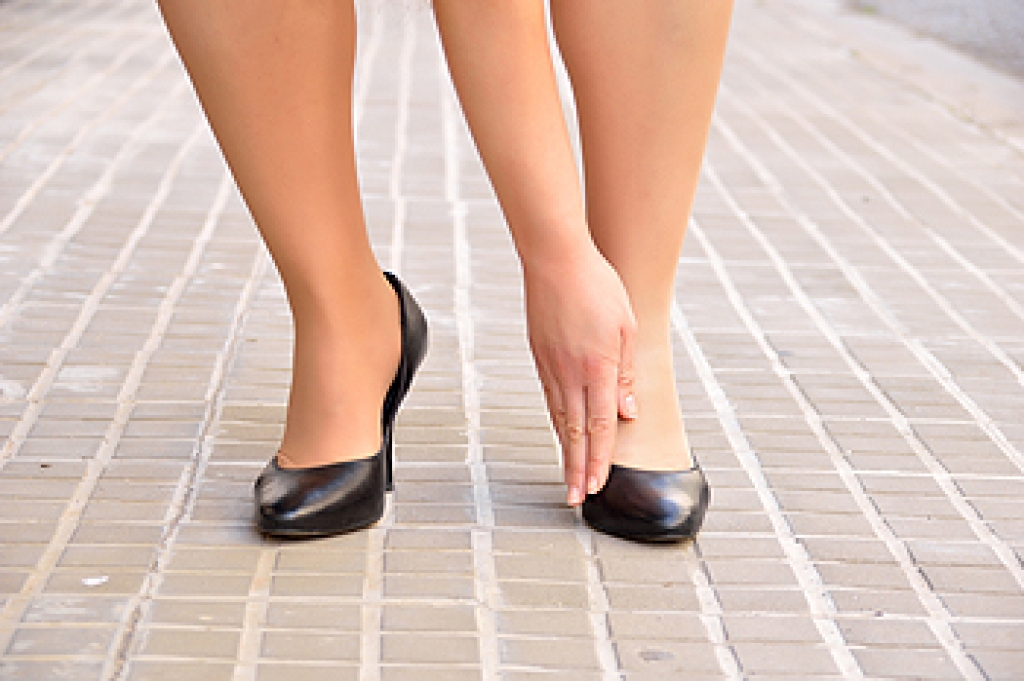
Read more about Working on Your Feet

Who is at Risk for Heel Spurs?

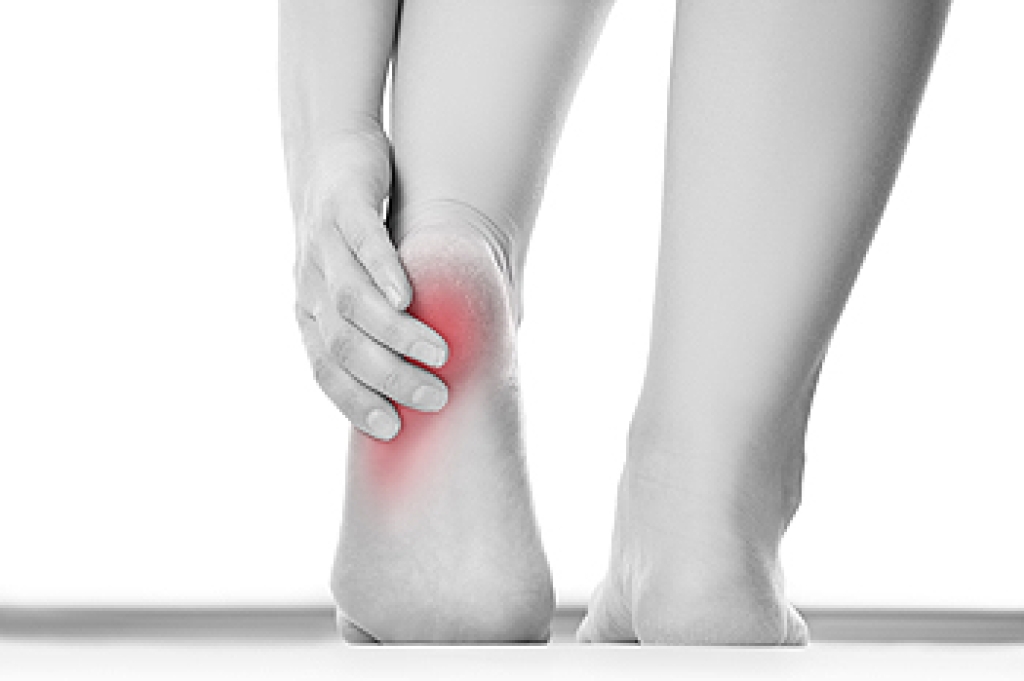
A heel spur is caused by a calcium deposit that forms on the bottom of the heel. While many people experience no symptoms, heel spurs can be painful. Pain levels for heel spurs often vary throughout the day. Some people are more prone to getting heel spurs than others. If you have walking abnormalities that put excess pressure on the heel area, you may be at risk for this condition. Runners and joggers are known to get heel spurs, as well. Another group of people who may experience heel spurs are those who are overweight. Many times, heel spurs arise in conjunction with plantar fasciitis. If you have plantar fasciitis, you may experience heel spurs if you have diabetes, do short bursts of exercise, or spend much of the day on your feet. If you think you may have a heel spur, it is suggested that you contact a podiatrist.

Heel spurs can be incredibly painful and sometimes may make you unable to participate in physical activities. To get medical care for your heel spurs, contact Dr. Michael T. Hames from Florence Foot Center. Our doctor will do everything possible to treat your condition.

Heels Spurs

Heel spurs are formed by calcium deposits on the back of the foot where the heel is. This can also be caused by small fragments of bone breaking off one section of the foot, attaching onto the back of the foot. Heel spurs can also be bone growth on the back of the foot and may grow in the direction of the arch of the foot.

Older individuals usually suffer from heel spurs and pain sometimes intensifies with age. One of the main condition's spurs are related to is plantar fasciitis.

Pain

The pain associated with spurs is often because of weight placed on the feet. When someone is walking, their entire weight is concentrated on the feet. Bone spurs then have the tendency to affect other bones and tissues around the foot. As the pain continues, the feet will become tender and sensitive over time.

Treatments

There are many ways to treat heel spurs. If one is suffering from heel spurs in conjunction with pain, there are several methods for healing. Medication, surgery, and herbal care are some options.

If you have any questions, please feel free to contact our office located in Florence, Alabama . We offer the newest diagnostic and treatment technologies for all your foot care needs.

Read more about How to Treat Heel Spurs

Risk Factors for Morton’s Neuroma

Morton’s neuroma is a condition that causes pain in the ball of the foot, typically in between the third and fourth toe. It occurs when tissue thickens around a nerve. Although there are usually no external symptoms, it may feel as though you are standing on a pebble. It could also cause a burning sensation and numbness in the toes. Morton’s neuroma tends to affect specific groups of people more than others. For example, if you often wear high heels, you could be at risk for developing Morton’s neuroma. Athletes who engage in high-impact activity and wear tight shoes could find themselves with this ailment, as well. Finally, people with prior foot complications, such as bunions or hammertoes, are known to get Morton’s neuroma more often than the average person. If you feel like you may have this condition, be sure to consult with a podiatrist.

Morton’s neuroma is a very uncomfortable condition to live with. If you think you have Morton’s neuroma, contact Dr. Michael T. Hames of Florence Foot Center. Our doctor will attend to all of your foot care needs and answer any of your related questions.  

Morton’s Neuroma

Morton's neuroma is a painful foot condition that commonly affects the areas between the second and third or third and fourth toe, although other areas of the foot are also susceptible. Morton’s neuroma is caused by an inflamed nerve in the foot that is being squeezed and aggravated by surrounding bones.

What Increases the Chances of Having Morton’s Neuroma?

  • Ill-fitting high heels or shoes that add pressure to the toe or foot
  • Jogging, running or any sport that involves constant impact to the foot
  • Flat feet, bunions, and any other foot deformities

Morton’s neuroma is a very treatable condition. Orthotics and shoe inserts can often be used to alleviate the pain on the forefront of the feet. In more severe cases, corticosteroids can also be prescribed. In order to figure out the best treatment for your neuroma, it’s recommended to seek the care of a podiatrist who can diagnose your condition and provide different treatment options.

If you have any questions, please feel free to contact our office located in Florence, Alabama . We offer the newest diagnostic and treatment technologies for all your foot care needs.

Read more about Morton's Neuroma

Possible Reasons for Gout Attacks

People who experience gout attacks will most likely have severe pain and discomfort surrounding the big toe. It occurs as a result of crystals that develop from excess uric acid in the bloodstream. Research has indicated that men are more prone to developing gout than women, and the risk increases if obesity is a factor. Additionally, gout can develop if the patient has kidneys that are not functioning properly, or has high blood pressure. Some of the symptoms that are associated with this condition often include swelling on the big toe and surrounding areas, redness, and tenderness when touched. If you have frequent gout attacks, it is strongly advised that you seek the counsel of a podiatrist who can properly diagnosis and treat this painful condition.

Gout is a foot condition that requires certain treatment and care. If you are seeking treatment, contact Dr. Michael T. Hames from Florence Foot Center. Our doctor will treat your foot and ankle needs.

What Is Gout?

Gout is a type of arthritis caused by a buildup of uric acid in the bloodstream. It often develops in the foot, especially the big toe area, although it can manifest in other parts of the body as well. Gout can make walking and standing very painful and is especially common in diabetics and the obese.

People typically get gout because of a poor diet. Genetic predisposition is also a factor. The children of parents who have had gout frequently have a chance of developing it themselves.

Gout can easily be identified by redness and inflammation of the big toe and the surrounding areas of the foot. Other symptoms include extreme fatigue, joint pain, and running high fevers. Sometimes corticosteroid drugs can be prescribed to treat gout, but the best way to combat this disease is to get more exercise and eat a better diet.

If you have any questions, please feel free to contact our office located in Florence, Alabama . We offer the newest diagnostic and treatment technologies for all your foot care needs.

Read more about Gout

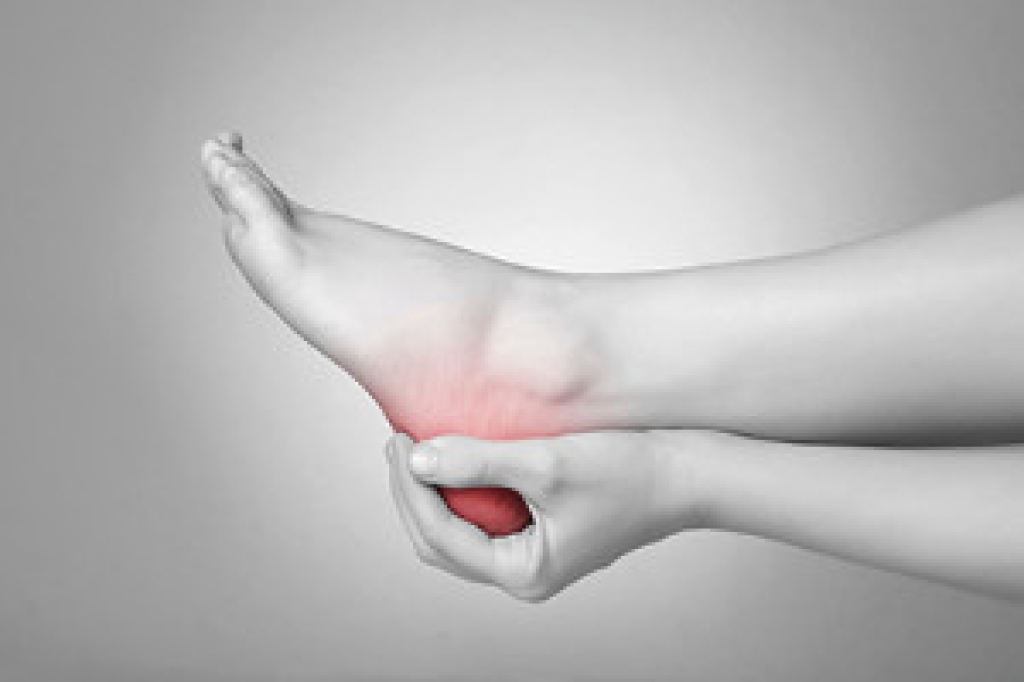
Heel Pain Can Be Treated!

Do you suffer from heel pain when you get up in the morning? If so, you should seek professional help and have a proper diagnosis performed. Heel pain can be caused by several different foot-related conditions.

Exercise and Obesity

Research has indicated 1 billion people in the world are obese.This may play a significant role in causing uncomfortable foot conditions.This is a result of the added weight the feet must endure while completing daily activities. Obese patients may find difficulty in finding shoes that fit correctly, and this leads to foot pain. Additionally, performing regular exercise is helpful in losing extra weight. People who are overweight will find it beneficial to start an exercise routine slowly, and gradually increase the frequency. Walking is considered to be an excellent form of exercise, in addition to cycling, swimming, or weight lifting. If you would like more information about how obesity affects the feet, please consult a podiatrist who can provide you with the proper information.

The more you weigh, the harder your feet must work to support your body. If you’re an obese individual and are concerned about your feet, contact Dr. Michael T. Hames from Florence Foot Center. Our doctor can provide the care you need to keep you pain-free and on your feet.

Obesity and Your Feet

People who are overweight are putting more pressure on their ankles, knees, and hips as well as their feet. This unfortunately can lead to variety of different issues.

Problems & Complications Stemming from Obesity

  • When the body is overweight, it tries to compensate by changing the way that it moves. An obese person may lean forward and put extra weight on the wrong part of the foot. This puts unnecessary stress on the feet.
  • Obese people are also more likely to develop type II diabetes which is a condition that causes a lot of foot problems. People with diabetes often don’t feel the cuts and sores that they may have on their feet, which can lead to more complicated and severe issues.
  • Plantar fasciitis is another foot condition that can be caused by obesity. Plantar fasciitis is an inflammation of the tissue along the bottom of the foot, which causes pain and stiffness while walking and climbing stairs.

If you have any questions please contact our office located in Florence, Alabama . We offer the newest diagnostic and treatment technologies for all your foot and ankle needs.
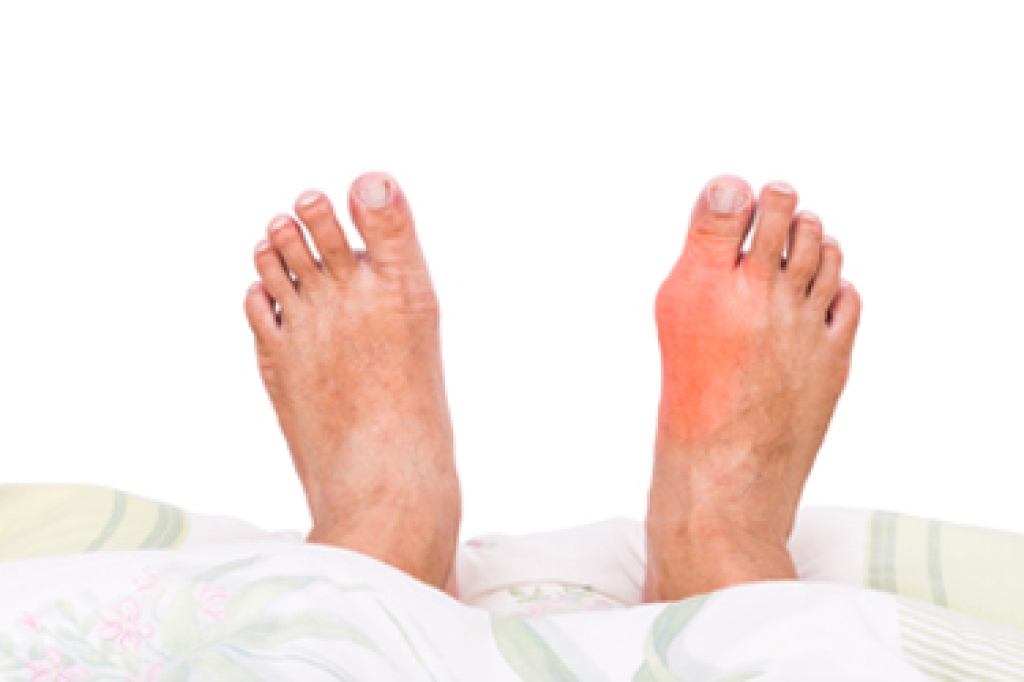
Read more about Obesity and the Feet

Painful Plantar Warts

The location of a plantar wart is on the sole of the foot. It often develops in the heel area of the foot and grows into the skin. This is a result of consistent weight that is put on the heel while walking or standing. The fungus that causes this type of wart is known as the human papillomavirus (HPV) and is considered to be contagious. Some of the symptoms that are associated with this condition include a hard and callused area on the heel of the foot, and pain while bearing weight on the foot. Additionally, clotted blood vessels will often appear in the center, which look like tiny black dots. This type of fungus thrives in warm and moist places, which include public swimming pools and surrounding areas, and can easily spread by sharing socks or towels. If you would like information about proper treatment options for a plantar’s wart, please counsel with a podiatrist.

Plantar warts can be very uncomfortable. If you need your feet checked, contact Dr. Michael T. Hames from Florence Foot Center. Our doctor will assist you with all of your foot and ankle needs.

About Plantar Warts

Plantar warts are the result of HPV, or human papillomavirus, getting into open wounds on the feet. They are mostly found on the heels or balls of the feet.

While plantar warts are generally harmless, those experiencing excessive pain or those suffering from diabetes or a compromised immune system require immediate medical care. Plantar warts are easily diagnosed, usually through scraping off a bit of rough skin or by getting a biopsy.

Symptoms

  • Lesions on the bottom of your feet, usually rough and grainy
  • Hard or thick callused spots
  • Wart seeds, which are small clotted blood vessels that look like little black spots
  • Pain, discomfort, or tenderness of your feet when walking or standing

Treatment

  • Freezing
  • Electric tool removal
  • Laser Treatment
  • Topical Creams (prescription only)
  • Over-the-counter medications

To help prevent developing plantar warts, avoid walking barefoot over abrasive surfaces that can cause cuts or wounds for HPV to get into. Avoiding direct contact with other warts, as well as not picking or rubbing existing warts, can help prevent the further spread of plantar warts. However, if you think you have developed plantar warts, speak to your podiatrist. He or she can diagnose the warts on your feet and recommend the appropriate treatment options.

If you have any questions, please feel free to contact our office located in Florence, Alabama . We offer the newest diagnostic and treatment technologies for all your foot care needs.

Read more about What Are Plantar Warts?

What Is Sesamoiditis?

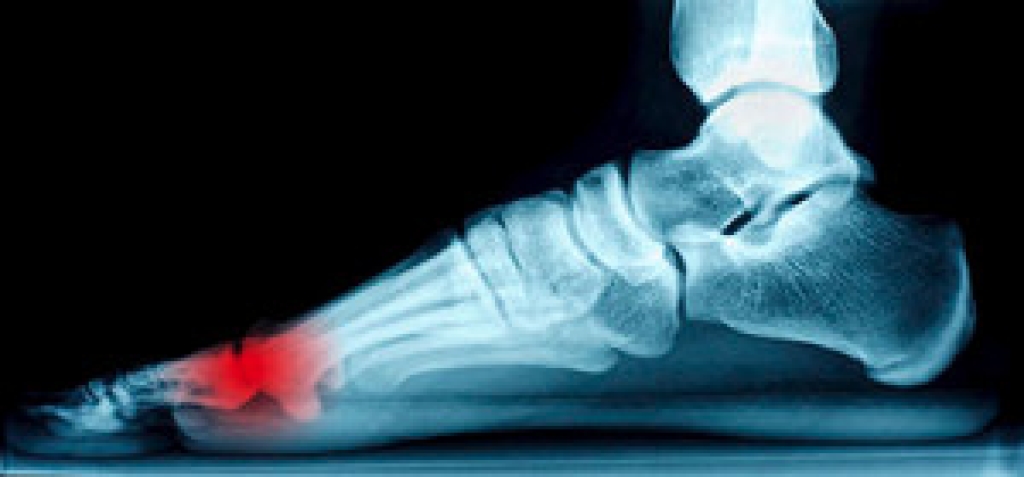
The bones that are located at the bottom of the big toe are referred to as sesamoid bones. They lie between the tendons of this toe, and pain and discomfort may be caused if inflammation occurs. This can happen as a result of overuse or if a sudden injury happens. Some of the symptoms that are associated with sesamoiditis often include pain while the big toe is pulled upward, and walking may be difficult when weight is placed on the foot. Once a diagnosis is performed, which includes having an X-ray or MRI taken, treatment can begin. It is helpful to wear shoes that provide adequate cushioning, in addition to wearing custom orthotics. If you feel you have sesamoiditis, it is suggested that you schedule a consultation with a podiatrist who can properly treat this condition.

Sesamoiditis is an unpleasant foot condition characterized by pain in the balls of the feet. If you think you’re struggling with sesamoiditis, contact Dr. Michael T. Hames of Florence Foot Center. Our doctor will treat your condition thoroughly and effectively.

Sesamoiditis

Sesamoiditis is a condition of the foot that affects the ball of the foot. It is more common in younger people than it is in older people. It can also occur with people who have begun a new exercise program, since their bodies are adjusting to the new physical regimen. Pain may also be caused by the inflammation of tendons surrounding the bones. It is important to seek treatment in its early stages because if you ignore the pain, this condition can lead to more serious problems such as severe irritation and bone fractures.

Causes of Sesamoiditis

  • Sudden increase in activity
  • Increase in physically strenuous movement without a proper warm up or build up
  • Foot structure: those who have smaller, bonier feet or those with a high arch may be more susceptible

Treatment for sesamoiditis is non-invasive and simple. Doctors may recommend a strict rest period where the patient forgoes most physical activity. This will help give the patient time to heal their feet through limited activity. For serious cases, it is best to speak with your doctor to determine a treatment option that will help your specific needs.

If you have any questions, please feel free to contact our office located in Florence, Alabama . We offer the newest diagnostic and treatment technologies for all your foot care needs.

Read more about Sesamoiditis

Reminder: When Was the Last Time...?

Custom orthotics, or shoe inserts, should be periodically replaced. Orthotics must fit properly to give you the best results. Protect your feet and ankles!

Causes of Cracked Heels

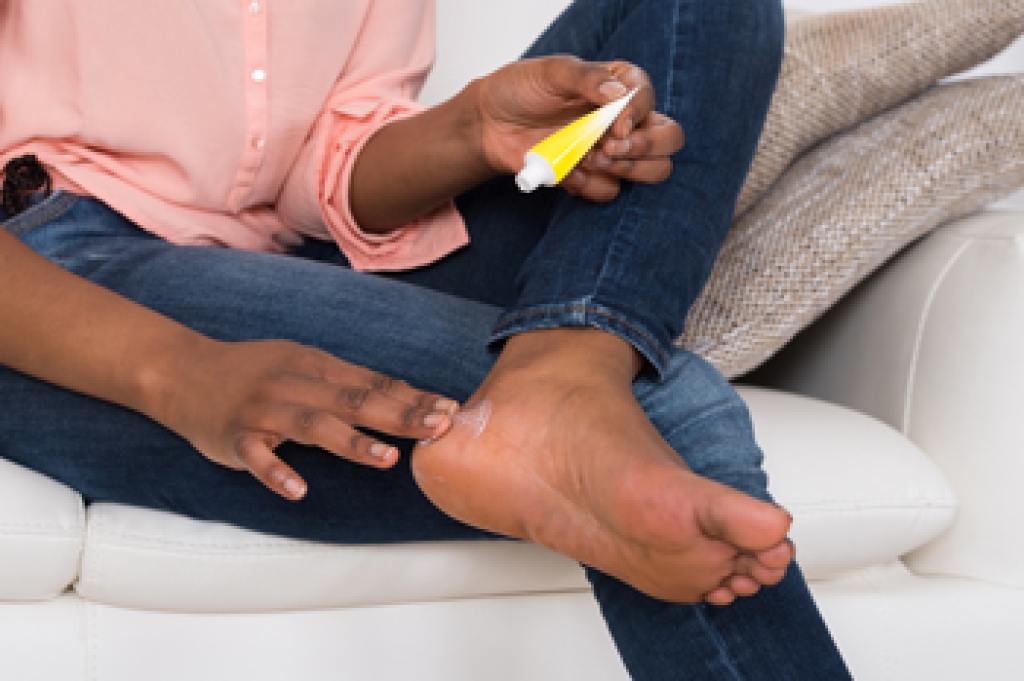
Many patients suffer from a condition that is known as cracked heels. It is the name given to dry skin that develops on the heel of the foot, and cracks or fissures will often form that causes pain and discomfort. This condition can gradually develop from standing for extended periods of time for the majority of the day, or from wearing shoes that have an open back. Additionally, research has indicated that obesity plays a significant role in the formation of cracked heels. This is often a result of the added weight the heels must endure. Existing medical conditions such as diabetes and thyroid disorders may contribute to this condition, which causes dry skin that often accompanies these ailments. Mild relief is found when applying a moisturizer to the affected area. In severe cases where bleeding and the possibility of an infection exists, it is suggested to consult with a podiatrist who can properly treat cracked heels.

If the skin on your feet starts to crack, you may want to see a podiatrist to find treatment. If you have any concerns, contact Dr. Michael T. Hames from Florence Foot Center. Our doctor can provide the care you need to keep you pain-free and on your feet.

Cracked Heels

It is important to moisturize your cracked heels in order to prevent pain, bleeding, and infection. The reason cracked heels form is because the skin on the foot is too dry to support the immense pressure placed on them. When the foot expands, the dry skin on the foot begins to split.

Ways to Help Heal Them

  • Invest in a good foot cream
  • Try Using Petroleum Jelly
  • Ease up on Soaps
  • Drink Plenty of Water

Ways to Prevent Cracked Heels

  • Moisturize After Showering
  • Skip a Shower
  • Keep Shower Water Lukewarm
  • Don’t Scrub Your Feet

If you are unsure how to proceed in treating cracked heels, seek guidance from a podiatrist. Your doctor will help you with any questions or information you may need. 

If you have any questions, please feel free to contact our office located in Florence, Alabama . We offer the newest diagnostic and treatment technologies for all your foot care needs.

Read more about Solutions for Cracked Heels

Connect With Us