Resting the Foot With Sesamoiditis

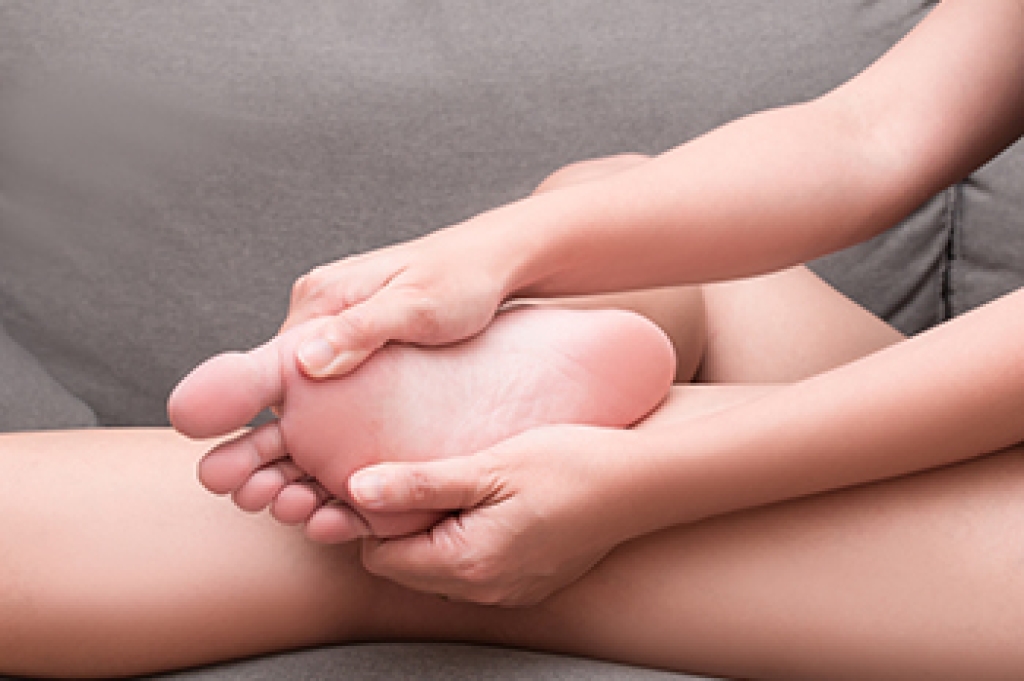
Sesamoiditis is a foot condition in which the sesamoid bones, located in the ball of the foot just beneath the big toe, become injured or inflamed. If you have sesamoiditis, it is very important that you rest the affected foot, however, this can be somewhat difficult without proper planning. To give your foot time to heal, you will likely need to avoid putting pressure and weight on the foot as much as possible. In the early stages of healing, when the sesamoids and surrounding areas are inflamed, it may help to also avoid bending the toes. Do simple ankle stretches and strengthening exercises to maintain your ankle mobility. Good ankle mobility can help keep excess pressure off of your sesamoids when you walk. Finally, wearing the right shoes can be very helpful during the healing process. Choose shoes with a wide toe box and without high heels. A podiatrist may also suggest orthotics. If you have sesamoiditis, please consult with your local podiatrist. 

Sesamoiditis is an unpleasant foot condition characterized by pain in the balls of the feet. If you think you’re struggling with sesamoiditis, contact Dr. Michael T. Hames of Florence Foot Center. Our doctor will treat your condition thoroughly and effectively.

Sesamoiditis

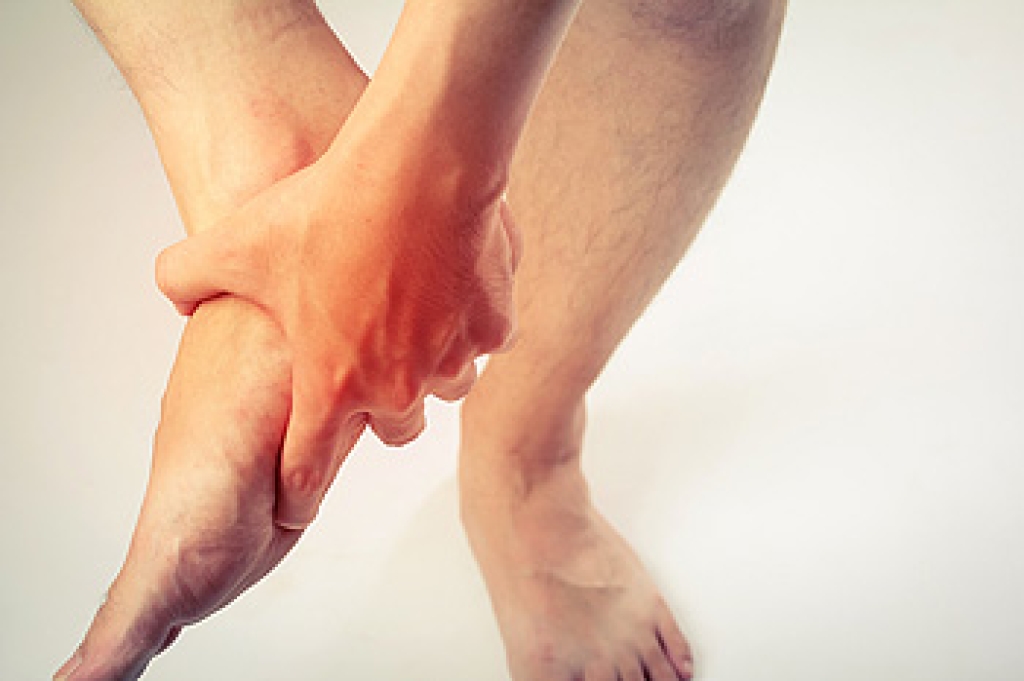
Sesamoiditis is a condition of the foot that affects the ball of the foot. It is more common in younger people than it is in older people. It can also occur with people who have begun a new exercise program, since their bodies are adjusting to the new physical regimen. Pain may also be caused by the inflammation of tendons surrounding the bones. It is important to seek treatment in its early stages because if you ignore the pain, this condition can lead to more serious problems such as severe irritation and bone fractures.

Causes of Sesamoiditis

  • Sudden increase in activity
  • Increase in physically strenuous movement without a proper warm up or build up
  • Foot structure: those who have smaller, bonier feet or those with a high arch may be more susceptible

Treatment for sesamoiditis is non-invasive and simple. Doctors may recommend a strict rest period where the patient forgoes most physical activity. This will help give the patient time to heal their feet through limited activity. For serious cases, it is best to speak with your doctor to determine a treatment option that will help your specific needs.

If you have any questions, please feel free to contact our office located in Florence, Alabama . We offer the newest diagnostic and treatment technologies for all your foot care needs.

Read more about Sesamoiditis

What Is a Plantar Fibroma?

A plantar fibroma is a non-cancerous growth that grows inside the bottom of the foot on the plantar fascia. A plantar fibroma is usually slow-growing and less than an inch in size, however, it can be painful, especially if it is growing in an area that is under direct pressure. You can recognize a plantar fibroma by a visible nodule on the sole of your foot, typically located at the highest point of the arch. The underlying cause of plantar fibromas is unknown, but it is thought that genetics play a role. This condition is also more common in men, people who have diabetes, and those who suffer repetitive foot trauma. Treatment for plantar fibromas include observations (if the nodule is asymptomatic), corticosteroid injections, orthotics, and surgery. If you have a lump on the sole of your foot, please consult with a podiatrist. 

Foot Pain

Foot pain can be extremely painful and debilitating. If you have a foot pain, consult with Dr. Michael T. Hames from Florence Foot Center. Our doctor will assess your condition and provide you with quality foot and ankle treatment.

Causes

Foot pain is a very broad condition that could be caused by one or more ailments. The most common include:

  • Bunions
  • Hammertoes
  • Plantar Fasciitis
  • Bone Spurs
  • Corns
  • Tarsal Tunnel Syndrome
  • Ingrown Toenails
  • Arthritis (such as Gout, Rheumatoid, and Osteoarthritis)
  • Flat Feet
  • Injury (from stress fractures, broken toe, foot, ankle, Achilles tendon ruptures, and sprains)
  • And more

Diagnosis

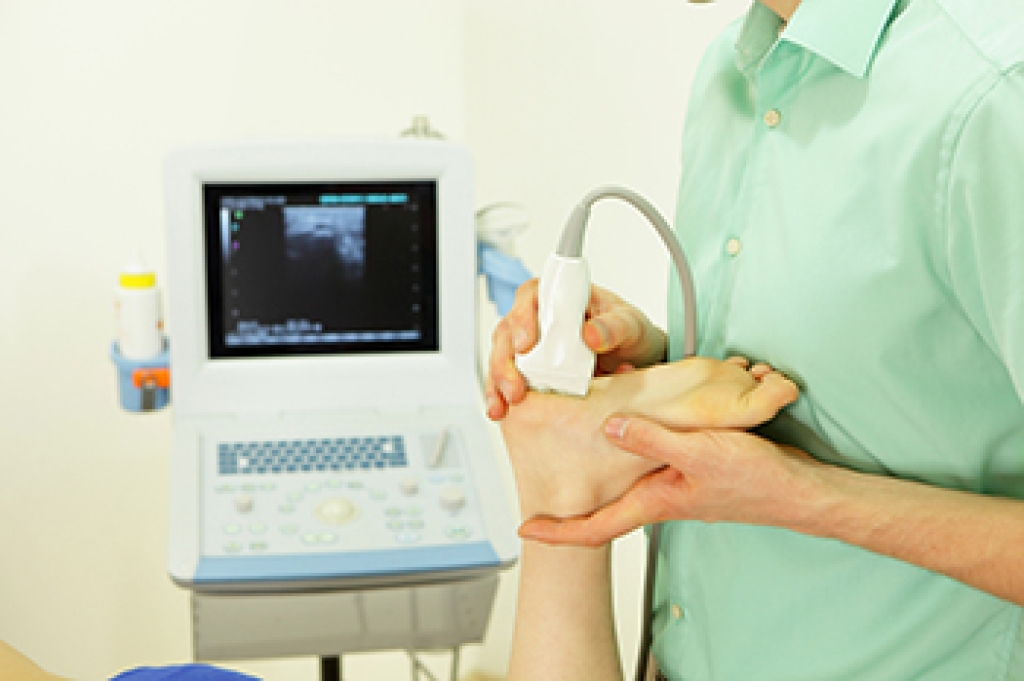
To figure out the cause of foot pain, podiatrists utilize several different methods. This can range from simple visual inspections and sensation tests to X-rays and MRI scans. Prior medical history, family medical history, and any recent physical traumatic events will all be taken into consideration for a proper diagnosis.

Treatment

Treatment depends upon the cause of the foot pain. Whether it is resting, staying off the foot, or having surgery; podiatrists have a number of treatment options available for foot pain.

If you have any questions, please feel free to contact our office located in Florence, Alabama . We offer the newest diagnostic and treatment technologies for all your foot care needs.
Read more about Foot Pain

Are You Suffering From Ingrown Toenails?

If left untreated, an ingrown toenail can lead to more serious concerns, such as an infection. Knowing proper nail care can help in the prevention of an ingrown toenail. Give us a call, and get treated!

Different Types of Doppler Ultrasounds

If you are experiencing the symptoms of poor circulation in your lower limbs, such as numbness, tingling, coldness, pain, or muscle cramps, your podiatrist may want to perform a vascular test. One common way to screen for poor circulation in the feet and ankles is through Doppler ultrasound. A Doppler ultrasound uses sound waves to create images of the blood flow in your arteries and veins. This simple, painless, and noninvasive screening measure can be used to diagnose peripheral artery disease and other common causes of poor lower limb circulation. There are several types of Doppler ultrasounds. A color Doppler helps visualize the movement, speed, and direction of blood flow in color. A duplex Doppler takes images of blood vessels and graphs data about the blood flow. To learn more about Doppler ultrasounds and other vascular tests for the lower limbs, please consult with a podiatrist. 

Vascular testing plays an important part in diagnosing disease like peripheral artery disease. If you have symptoms of peripheral artery disease, or diabetes, consult with Dr. Michael T. Hames from Florence Foot Center. Our doctor will assess your condition and provide you with quality foot and ankle treatment.

What Is Vascular Testing?

Vascular testing checks for how well blood circulation is in the veins and arteries. This is most often done to determine and treat a patient for peripheral artery disease (PAD), stroke, and aneurysms. Podiatrists utilize vascular testing when a patient has symptoms of PAD or if they believe they might. If a patient has diabetes, a podiatrist may determine a vascular test to be prudent to check for poor blood circulation.

How Is it Conducted?

Most forms of vascular testing are non-invasive. Podiatrists will first conduct a visual inspection for any wounds, discoloration, and any abnormal signs prior to a vascular test.

 The most common tests include:

  • Ankle-Brachial Index (ABI) examination
  • Doppler examination
  • Pedal pulses

These tests are safe, painless, and easy to do. Once finished, the podiatrist can then provide a diagnosis and the best course for treatment.

If you have any questions please contact our office located in Florence, Alabama . We offer the newest diagnostic and treatment technologies for all your foot and ankle needs.

Read more about Vascular Testing in Podiatry

Characteristics of Hand, Foot, and Mouth Disease (HFM)

If your child has a red, blistering rash on their feet, a sore throat, and a fever, they may be suffering from hand, foot, and mouth (HFM) disease. HFM is a viral infection common in early childhood. It is spread through direct contact with bodily fluids. The blisters associated with HFM disease are typically red with a small, fluid-filled bubble on top, although they can also be flat. These blisters may peel, leaving behind ulcers. HFM blisters often appear on the soles of the feet. While HFM usually clears up on its own, your child may experience pain or discomfort from HFM blisters on their feet. Keeping their feet clean and applying antibiotic ointments over popped blisters can help prevent infection. If your child has a rash or blisters on their feet, it is suggested that you consult with a podiatrist. 

The health of a child’s feet is vital to their overall well-being. If you have any questions regarding foot health, contact Dr. Michael T. Hames of Florence Foot Center. Our doctor can provide the care you need to keep you pain-free and on your feet.

Tips for Keeping Children's Feet Healthy

  • Make sure their shoes fit properly
  • Look for any signs of in-toeing or out-toeing
  • Check to see if they have Clubfoot (condition that affects your child’s foot and ankle, twisting the heel and toes inward) which is one of the most common nonmajor birth defects.
  • Lightly cover your baby’s feet (Tight covers may keep your baby from moving their feet freely, and could prevent normal development)
  • Allow your toddler to go shoeless (Shoes can be restricting for a young child’s foot)
  • Cut toenails straight across to avoid ingrown toenails
  • Keep your child’s foot clean and dry
  • Cover cuts and scrapes. Wash any scratches with soap and water and cover them with a bandage until they’ve healed.

If you have any questions, please feel free to contact our office located in Florence, Alabama . We offer the newest diagnostic and treatment technologies for all your foot care needs.

Read more about How to Care for Your Child's Feet

What Can Cause a Bruised Heel?

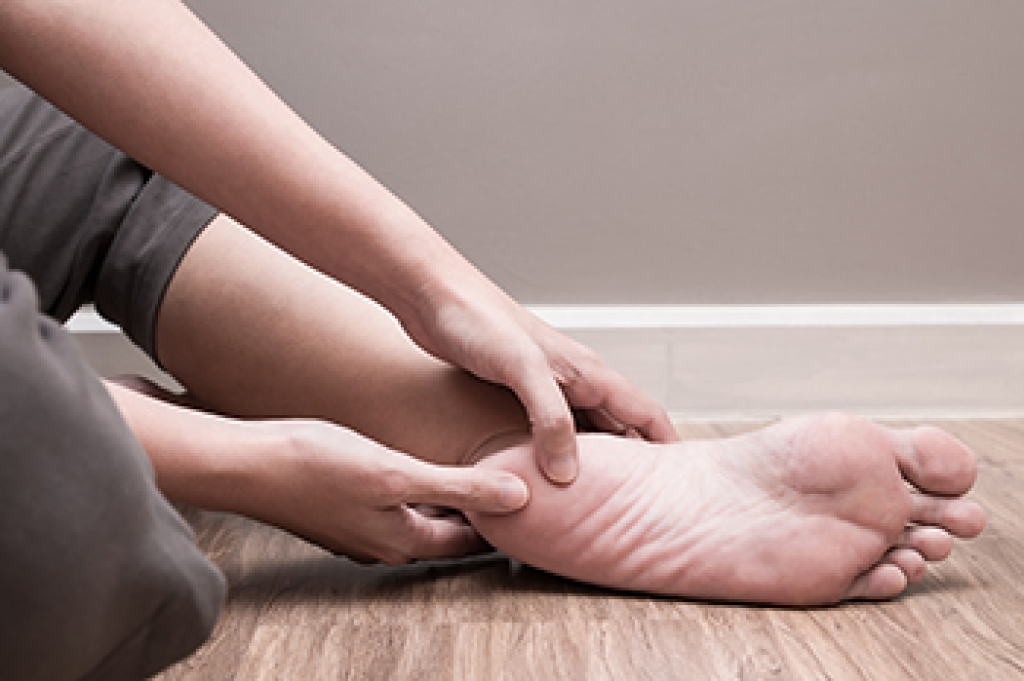
Heel pain can be one of the most debilitating foot related issues, and can come from a variety of sources. While plantar fasciitis is heel pain’s most common cause, a bruised heel is another common source. A bruised heel is an overuse injury that occurs when the fat pad which protects the heel bone gets a contusion. Usually, the fat, which acts as a shock absorber, gets displaced towards the side of the heel bone and leaves a thinner protective layer of fat under the bone. Bruised heels are usually a result of overuse in activities that have a heavy landing such as long distance running or walking. Wearing shoes with hard flat soles, running too intensely without warming up, or wearing shoes that are worn out can also lead to a bruised heel. Because the symptoms of a bruised heel are similar to that of plantar fasciitis, patients who are experiencing heel pain should consult with a podiatrist in order to receive a proper diagnosis and treatment.

Many people suffer from bouts of heel pain. For more information, contact Dr. Michael T. Hames of Florence Foot Center. Our doctor can provide the care you need to keep you pain-free and on your feet.

Causes of Heel Pain

Heel pain is often associated with plantar fasciitis. The plantar fascia is a band of tissues that extends along the bottom of the foot. A rip or tear in this ligament can cause inflammation of the tissue.

Achilles tendonitis is another cause of heel pain. Inflammation of the Achilles tendon will cause pain from fractures and muscle tearing. Lack of flexibility is also another symptom.

Heel spurs are another cause of pain. When the tissues of the plantar fascia undergo a great deal of stress, it can lead to ligament separation from the heel bone, causing heel spurs.

Why Might Heel Pain Occur?

  • Wearing ill-fitting shoes                
  • Wearing non-supportive shoes
  • Weight change           
  • Excessive running

Treatments

Heel pain should be treated as soon as possible for immediate results. Keeping your feet in a stress-free environment will help. If you suffer from Achilles tendonitis or plantar fasciitis, applying ice will reduce the swelling. Stretching before an exercise like running will help the muscles. Using all these tips will help make heel pain a condition of the past.

If you have any questions, please feel free to contact our office located in Florence, Alabama . We offer the newest diagnostic and treatment technologies for all your foot care needs.
Read more about Heel Pain

Helpful Tips for Maintaining the Health of Your Feet

Many people take their feet for granted, despite their importance despite the fact they are the foundation of the body. There are simple techniques that can improve the overall health of your feet which will have a positive effect on the rest of your body. These helpful tips can include washing and drying the feet thoroughly every day, followed by applying a good moisturizer. When the toes are trimmed properly, painful foot conditions such as ingrown toenails may be prevented. Maintaining a hygiene routine for your feet may play a significant role in preventing athlete's foot, which can make the feet feel itchy and uncomfortable. If you would like additional information about the importance of practicing everyday foot care techniques, it is suggested that you consult with a podiatrist.

Everyday foot care is very important to prevent infection and other foot ailments. If you need your feet checked, contact Dr. Michael T. Hames from Florence Foot Center. Our doctor can provide the care you need to keep you pain-free and on your feet.

Everyday Foot Care

Often, people take care of their bodies, face and hair more so than they do for their feet. But the feet are a very important aspect of our bodies, and one that we should pay more attention to. Without our feet, we would not be able to perform most daily tasks.

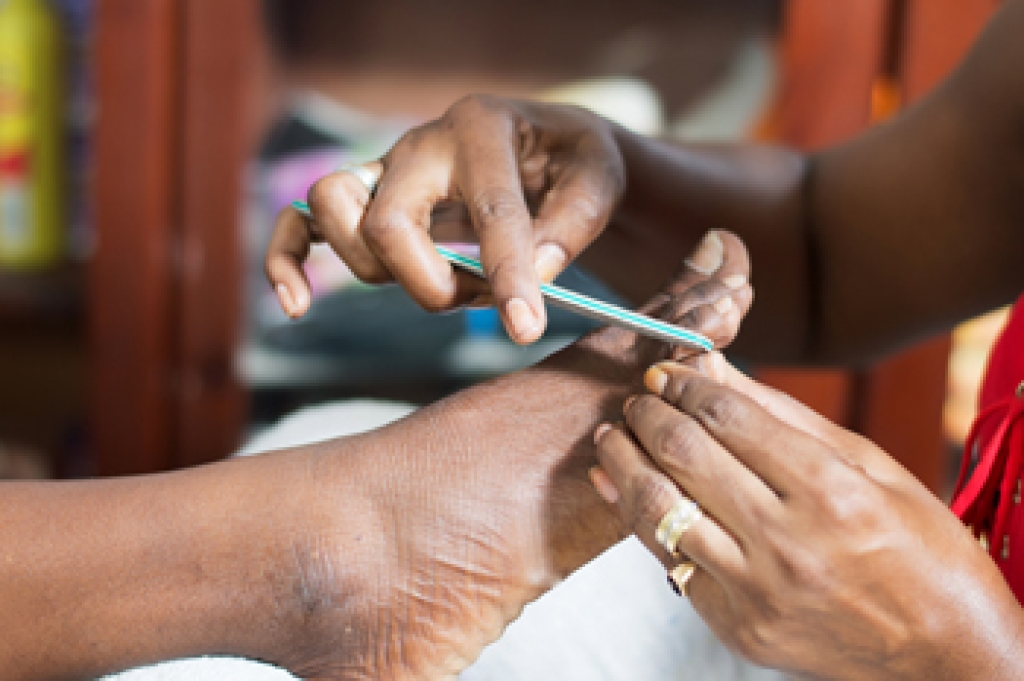
It is best to check your feet regularly to make sure there are no new bruises or cuts that you may not have noticed before. For dry feet, moisturizer can easily be a remedy and can be applied as often as necessary to the affected areas. Wearing shoes that fit well can also help you maintain good foot health, as well as making it easier to walk and do daily activities without the stress or pain of ill-fitting shoes, high heels, or even flip flops. Wearing clean socks with closed shoes is important to ensure that sweat and bacteria do not accumulate within the shoe. Clean socks help to prevent Athlete’s foot, fungi problems, bad odors, and can absorb sweat.

If you have any questions, please feel free to contact our office located in Florence, Alabama . We offer the newest diagnostic and treatment technologies for all your foot care needs.
Read more about Everyday Foot Care

Why Live with Pain and Numbness in Your Feet?

Suffering from this type of pain? You may have the foot condition known as Morton's neuroma. Morton's neuroma may develop as a result of ill-fitting footwear and existing foot deformities. We can help.

The Facts on Foot Corns

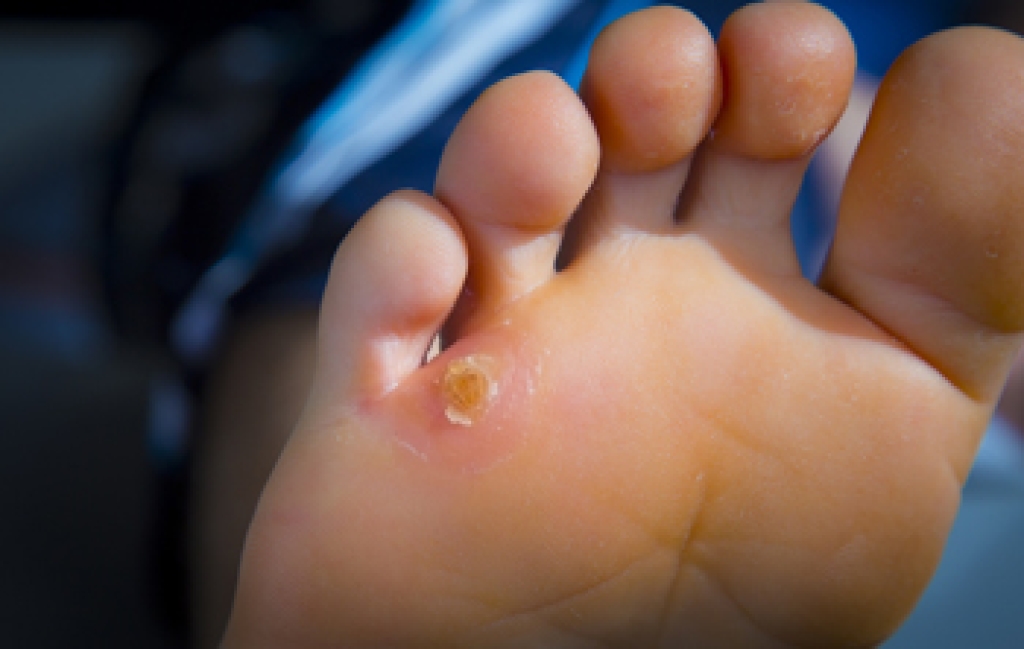
A corn is a raised, thickened, circular area of skin surrounded by a yellowish ring which typically forms on the top or in between the toes, as well as on the ball of the foot. Corns are caused by pressure or friction—usually from tight shoes repeatedly rubbing up against the skin. Corns can be hard, or soft (due to sweat on the feet), sensitive to the touch, or even painful. In some cases, the pain and pressure felt from a corn can be lessened if a doughnut-shaped pad is placed over the corn, which cushions the corn and eliminates friction. Corns are stubborn, and some may need to be treated by a podiatrist who can safely remove the thickened, dead skin which helps the corn to heal. Orthotics may also be prescribed to help align feet and improve gait to help prevent future corns from developing.

If you have any concerns regarding your feet and ankles, contact Dr. Michael T. Hames of Florence Foot Center. Our doctor will treat your foot and ankle needs.

Corns: What Are They? and How Do You Get Rid of Them?
Corns can be described as areas of the skin that have thickened to the point of becoming painful or irritating. They are often layers and layers of the skin that have become dry and rough, and are normally smaller than calluses.

Ways to Prevent Corns
There are many ways to get rid of painful corns such as wearing:

  • Well-fitting socks
  • Comfortable shoes that are not tight around your foot
  • Shoes that offer support

Treating Corns
Treatment of corns involves removing the dead skin that has built up in the specific area of the foot. Consult with Our doctor to determine the best treatment option for your case of corns.

If you have any questions, please feel free to contact our office located in Florence, Alabama . We offer the newest diagnostic and treatment technologies for all your foot care needs.

Read more about Corns and Calluses

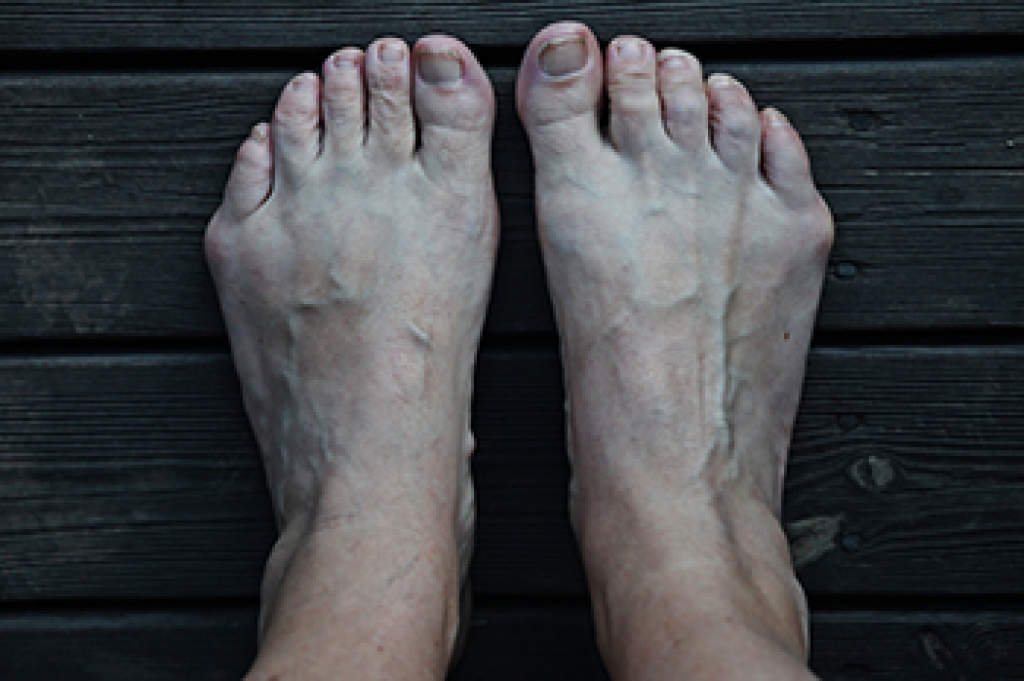
Bunionettes: The Pinky Toe Bunions

You may have heard of bunions, which sometimes pop up at the base of the big toe joint, but what is a bunionette? Bunionettes, also known as tailor’s bunions, are small, bony bumps that occur at the base of the pinky toe joints. Much like regular bunions, bunionettes can be painful, swollen, and red. Finding comfortable shoes that don’t rub up against the affected area may be difficult. Without treatment, bunionettes usually worsen over time. Fortunately, conservative treatments such as wearing wider shoes, a toe spacer, padding, and activity modifications, are often effective in managing the condition. Surgery to correct a bunionette may be beneficial for a smaller percentage of people. To learn more about bunionettes and what treatment methods are best for you, please consult with a podiatrist.

If you are suffering from bunions, contact Dr. Michael T. Hames of Florence Foot Center. Our doctor can provide the care you need to keep you pain-free and on your feet.

What Is a Bunion?

A bunion is formed of swollen tissue or an enlargement of boney growth, usually located at the base joint of the toe that connects to the foot. The swelling occurs due to the bones in the big toe shifting inward, which impacts the other toes of the foot. This causes the area around the base of the big toe to become inflamed and painful.

Why Do Bunions Form?

Genetics – Susceptibility to bunions are often hereditary

Stress on the feet – Poorly fitted and uncomfortable footwear that places stress on feet, such as heels, can worsen existing bunions

How Are Bunions Diagnosed?

Doctors often perform two tests – blood tests and x-rays – when trying to diagnose bunions, especially in the early stages of development. Blood tests help determine if the foot pain is being caused by something else, such as arthritis, while x-rays provide a clear picture of your bone structure to your doctor.

How Are Bunions Treated?

  • Refrain from wearing heels or similar shoes that cause discomfort
  • Select wider shoes that can provide more comfort and reduce pain
  • Anti-inflammatory and pain management drugs
  • Orthotics or foot inserts
  • Surgery

If you have any questions, please feel free to contact our office located in Florence, Alabama . We offer the newest diagnostic and treatment technologies for all your foot care needs.
Read more about What Are Bunions?

Connect With Us