Key Facts About Foot Stress Fractures

Foot stress fractures are tiny cracks, usually found in the long bones of the foot, that result from repetitive force or overuse. These fractures often occur in athletes and individuals who engage in high-impact activities like running or jumping. Risk factors can include a sudden increase in activity intensity, wearing improper footwear, and conditions like osteoporosis that weaken bones. Stress fractures develop when muscles become fatigued and lose their ability to absorb shock, transferring the impact to the bones. Common sites for these fractures are the metatarsal bones, which bear significant weight during movement. Symptoms often include pain, swelling, and tenderness that worsen with activity. Early diagnosis is vital for healing and preventing further complications. If you have foot pain after bouts of exercise, it is suggested that you contact a podiatrist who can accurately diagnose and treat stress fractures.

Activities where too much pressure is put on the feet can cause stress fractures. To learn more, contact Dr. Michael T. Hames from Florence Foot Center. Our doctor can provide the care you need to keep your pain free and on your feet.

Dealing with Stress Fractures of the Foot and Ankle

Stress fractures occur in the foot and ankle when muscles in these areas weaken from too much or too little use.  The feet and ankles then lose support when walking or running from the impact of the ground. Since there is no protection, the bones receive the full impact of each step. Stress on the feet can cause cracks to form in the bones, thus creating stress fractures.

What Are Stress Fractures?

Stress fractures occur frequently in individuals whose daily activities cause great impact on the feet and ankles. Stress factors are most common among:

  • Runners                                
  • People affected with Osteoporosis
  • Tennis or basketball players
  • Gymnasts
  • High impact workouts

Symptoms

Pain from the fractures occur in the area of the fractures and can be constant or intermittent. It will often cause sharp or dull pain with swelling and tenderness. Engaging in any kind of activity which involves high impact will aggravate pain.

If you have any questions please contact our office located in Florence, Alabama . We offer the newest diagnostic and treatment technologies for all your foot and ankle needs.


Read more about Dealing with Stress Fractures of the Foot and Ankle

Anatomical Facts About Tarsal Tunnel Syndrome

Tarsal tunnel syndrome is a condition caused by the compression of the posterior tibial nerve as it travels through the tarsal tunnel, a narrow space inside the ankle. This tunnel is formed by bone and a dense band of tissue called the flexor retinaculum. The posterior tibial nerve, along with arteries, veins, and tendons, passes through this confined space, providing sensation to the bottom of the foot and motor function to the muscles. When the nerve is compressed, it can cause pain, numbness, and tingling in the foot and ankle. Factors contributing to this condition include inflammation, injury, or structural issues such as flat feet. Tarsal tunnel syndrome can cause pain and discomfort. If you have this condition, it is suggested that you visit a podiatrist who can effectively treat this ailment.

Tarsal tunnel syndrome can be very uncomfortable to live with. If you are experiencing tarsal tunnel syndrome, contact Dr. Michael T. Hames of Florence Foot Center. Our doctor can provide the care you need to keep you pain-free and on your feet.

Tarsal Tunnel Syndrome

Tarsal tunnel syndrome, which can also be called tibial nerve dysfunction, is an uncommon condition of misfiring peripheral nerves in the foot. The tibial nerve is the peripheral nerve in the leg responsible for sensation and movement of the foot and calf muscles. In tarsal tunnel syndrome, the tibial nerve is damaged, causing problems with movement and feeling in the foot of the affected leg.

Common Cause of Tarsal Tunnel Syndrome

  • Involves pressure or an injury, direct pressure on the tibial nerve for an extended period of time, sometimes caused by other body structures close by or near the knee.
  • Diseases that damage nerves, including diabetes, may cause tarsal tunnel syndrome.
  • At times, tarsal tunnel syndrome can appear without an obvious cause in some cases.

The Effects of Tarsal Tunnel Syndrome

  • Different sensations, an afflicted person may experience pain, tingling, burning or other unusual sensations in the foot of the affected leg.
  • The foot muscles, toes and ankle become weaker, and curling your toes or flexing your foot can become difficult.
  • If condition worsens, infections and ulcers may develop on the foot that is experiencing the syndrome.

A physical exam of the leg can help identify the presence of tarsal tunnel syndrome. Medical tests, such as a nerve biopsy, are also used to diagnose the condition. Patients may receive physical therapy and prescriptive medication. In extreme cases, some may require surgery.

If you have any questions please contact our office located in Florence, Alabama . We offer the newest diagnostic and treatment technologies for all your foot and ankle needs.
Read more about Tarsal Tunnel Syndrome

Are You Suffering From Nerve Damage?

Neuropathy is a condition that can lead to numbness or loss of sensation in the feet, but it can also cause pain. This condition is more likely to develop for those who are diabetic, obese, or with high blood pressure.

Minimally Invasive Surgery for Heel Spurs

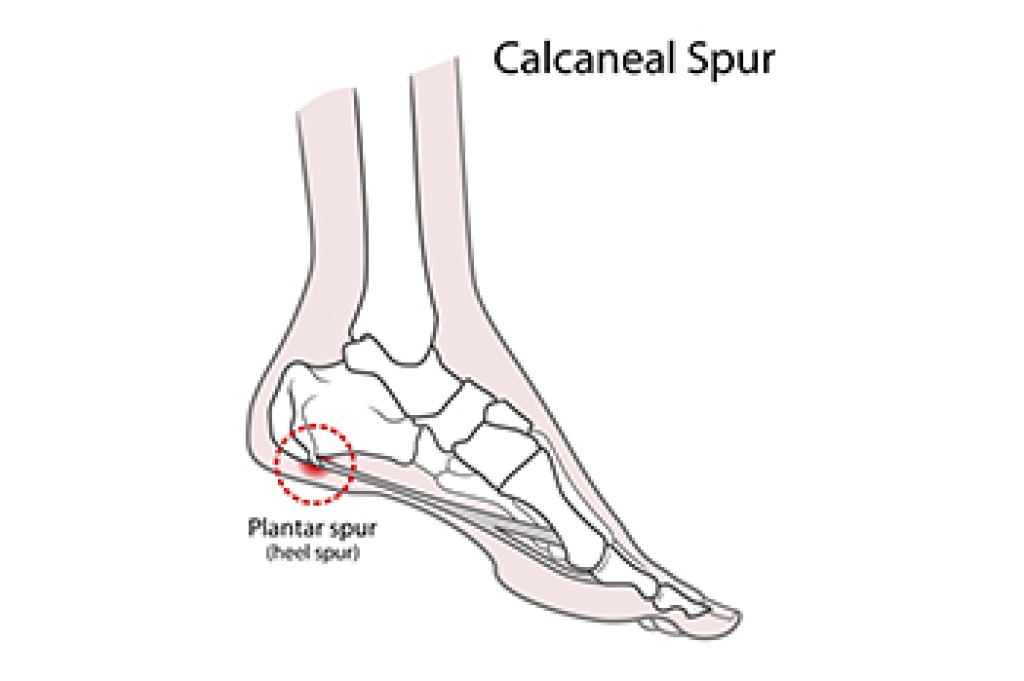
Heel spurs are bony growths that develop on the underside of the heel bone, often causing heel pain. They form when calcium deposits build up over time, usually due to strain on foot muscles and ligaments, stretching of the plantar fascia, or repeated tearing of the membrane that covers the heel bone. People most at risk include those with flat feet or high arches, athletes who engage in a lot of running and jumping, and individuals who are overweight or wear poorly fitted shoes. Symptoms of heel spurs include sharp pain in the heel, especially while standing up in the morning or after sitting for a long time, and a feeling of a small, hard lump under the heel. Treatment generally involves rest, wearing orthotic inserts, gentle exercises, and taking anti-inflammatory medications. However, for persistent pain, a minimally invasive procedure called a percutaneous plantar fasciotomy, which involves releasing tension in the fascia can be an alternative to surgically removing the spur. If you think you have a heel spur, it is suggested that you schedule an appointment with a podiatrist for a proper diagnosis and treatment plan that is right for you.

Foot surgery is sometimes necessary to treat a foot ailment. To learn more, contact Dr. Michael T. Hames of Florence Foot Center. Our doctor will assist you with all of your foot and ankle needs.

When Is Surgery Necessary?

Foot and ankle surgery is generally reserved for cases in which less invasive, conservative procedures have failed to alleviate the problem. Some of the cases in which surgery may be necessary include:

  • Removing foot deformities like bunions and bone spurs
  • Severe arthritis that has caused bone issues
  • Cosmetic reconstruction

What Types of Surgery Are There?

The type of surgery you receive will depend on the nature of the problem you have. Some of the possible surgeries include:

  • Bunionectomy for painful bunions
  • Surgical fusion for realignment of bones
  • Neuropathy decompression surgery to treat nerve damage

Benefits of Surgery

Although surgery is usually a last resort, it can provide more complete pain relief compared to non-surgical methods and may allow you to finally resume full activity.

Surgical techniques have also become increasingly sophisticated. Techniques like endoscopic surgery allow for smaller incisions and faster recovery times.

If you have any questions, please feel free to contact our office located in Florence, Alabama . We offer the newest diagnostic and treatment technologies for all your foot care needs.

Read more about Foot and Ankle Surgery

Choosing the Right Running Shoes for Every Type of Run

Selecting the appropriate running shoes is critical for enhancing performance and preventing injuries. For road running, lightweight shoes with ample cushioning and support are ideal to handle the repetitive impact on hard surfaces. Trail running requires shoes with rugged outsoles and enhanced grip to navigate uneven terrain and provide stability. For those focused on speed and competition, racing flats offer a lightweight design that maximizes speed and responsiveness. Cross-training shoes are versatile, offering stability and support for various workouts, including running on multiple surfaces. Minimalist shoes, designed to mimic barefoot running, promote natural foot movement and can strengthen foot muscles over time. Each type of shoe caters to specific needs and running conditions, making it essential to choose the right pair for your running style and goals. If you have endured a foot injury from wearing the wrong type of shoes, it is suggested that you visit a podiatrist who can offer you relief options, in addition to discussing what type of shoes best fit your running needs.

If you are a runner, wearing the right running shoe is essential. For more information, contact Dr. Michael T. Hames from Florence Foot Center. Our doctor can provide the care you need to keep you pain-free and on your feet.

Choosing the Right Running Shoe for Your Foot Type

To increase performance and avoid the risk of injury, it is important to choose the right running shoe based on your foot type. The general design of running shoes revolves around pronation, which is how the ankle rolls from outside to inside when the foot strikes the ground.

  • Neutral runners are able to choose from a wide variety of shoes, including minimalist shoes or even going barefoot.
  • Runners who overpronate, or experience an over-abundance of ankle rolling, should choose shoes that provide extra motion control and stability.
  • Runners who underpronate, or supinate, have feet that have high arches and lack flexibility, preventing shock absorption. They require shoes with more flexibility and cushion.

If you have any questions, please feel free to contact our office located in Florence, Alabama . We offer the newest diagnostic and treatment technologies for all your foot care needs.

Read more about Choosing the Right Running Shoe for Your Foot Type

Difference Between Corns and Calluses

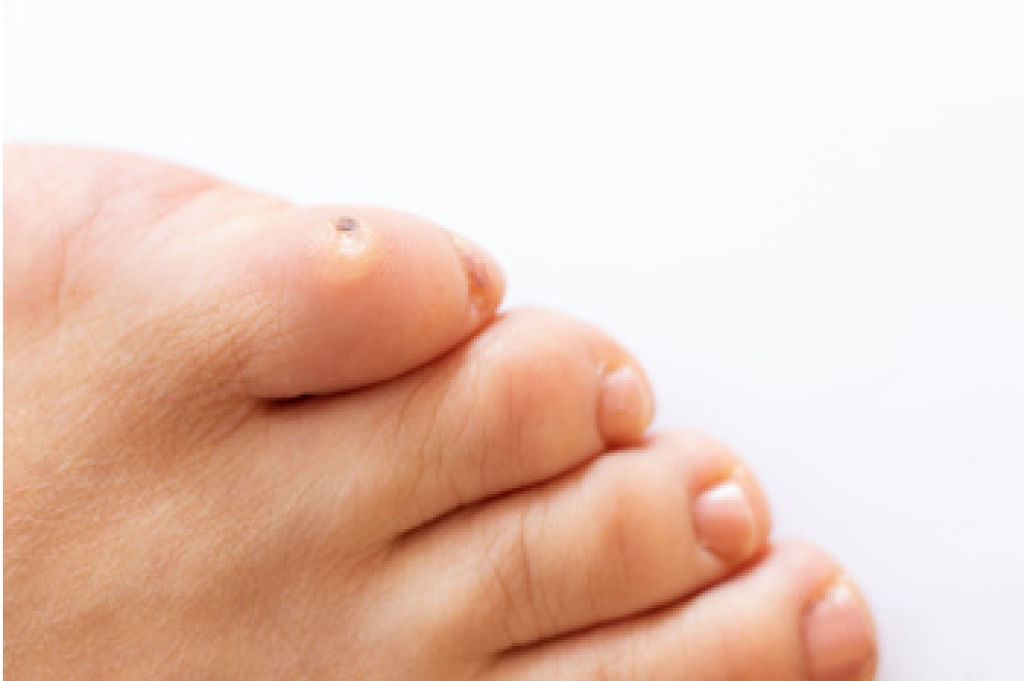
Corns and calluses are common foot conditions that are often confused but have distinct differences. Corns are small, rounded areas of thickened skin that usually develop on bony areas like the top or sides of toes as a result of pressure or friction. Corns often develop from the consistent friction with ill-fitted shoes. Typically, corns have a hard core surrounded by inflamed skin that may cause discomfort or pain when pressure is applied. Calluses, on the other hand, are broader, more diffused areas of thickened skin that typically form on the soles of the feet or the palms of the hands. Calluses form as the body's way of protecting itself from ongoing rubbing or pressure from everyday activities like walking, working, or any kind of manual labor. Unlike corns, calluses generally do not cause pain but they may affect mobility if they grow too thick. Regular foot care and attention to shoe fit can help maintain healthy feet and prevent the development of these agitating conditions. If you suffer from persistent or painful corns and calluses, it is suggested that you visit a podiatrist for a proper evaluation and appropriate treatment recommendations. 

Corns can make walking very painful and should be treated immediately. If you have questions regarding your feet and ankles, contact Dr. Michael T. Hames of Florence Foot Center. Our doctor will treat your foot and ankle needs.

Corns: What Are They? And How Do You Get Rid of Them?
Corns are thickened areas on the skin that can become painful. They are caused by excessive pressure and friction on the skin. Corns press into the deeper layers of the skin and are usually round in shape.

Ways to Prevent Corns
There are many ways to get rid of painful corns such as:

  • Wearing properly fitting shoes that have been measured by a professional
  • Wearing shoes that are not sharply pointed or have high heels
  • Wearing only shoes that offer support

Treating Corns

Although most corns slowly disappear when the friction or pressure stops, this isn’t always the case. Consult with your podiatrist to determine the best treatment option for your case of corns.

If you have any questions, please feel free to contact our office located in Florence, Alabama . We offer the newest diagnostic and treatment technologies for all your foot care needs.

Read more about Corns: What Are They, and How Do You Get Rid of Them

Heel Pain in the Morning?

Heel pain can negatively affect your day-to-day life. Simple activities like walking can become incredibly uncomfortable or painful due to heel pain.

Don’t live with heel pain and get treated.

Let the Expert Treat Your Ingrown Toenails

Ingrown toenails can be painful and can make wearing shoes or walking uncomfortable. Seek professional help if you believe you've developed an ingrown toenail and be treated safely. 

Are You Suffering From Ingrown Toenails?

If left untreated, an ingrown toenail can lead to more serious concerns, such as an infection. Knowing proper nail care can help in the prevention of an ingrown toenail. Give us a call, and get treated!

Connect With Us