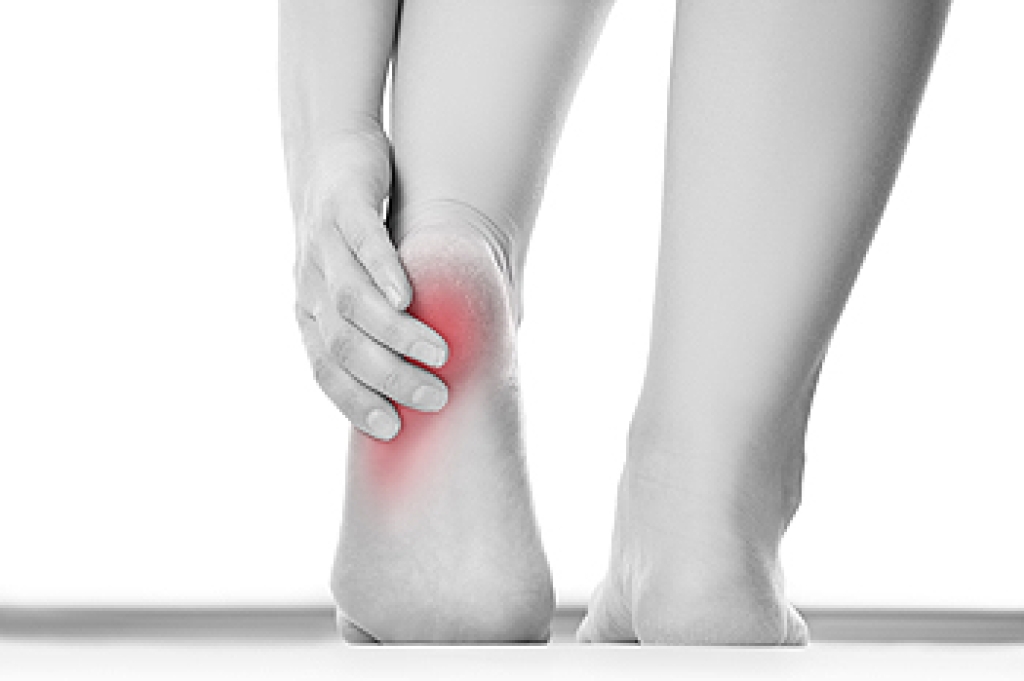
Plantar Warts Cause Pain in the Heel

The medical name for a condition that is commonly known as plantar warts is called verrucae warts. It is a result of the human papillomavirus (HPV) that typically enters the foot through small cracks in the heel and will affect the skin on the bottom of the feet. If you are afflicted with this painful foot condition, you may experience symptoms that include pain while walking as a result of pressure the heel must endure, and a yellow and hardened area on the skin, possibly with small black spots in the center. This virus lives in areas that are consistently moist and humid, which may include swimming pools and the surrounding areas or locker rooms. There are several different treatment options that can be implemented, which may provide the desired relief, and it is suggested to speak with a podiatrist to discuss which is the best one for you.

Plantar warts can be very uncomfortable. If you need your feet checked, contact Dr. Michael T. Hames from Florence Foot Center. Our doctor will assist you with all of your foot and ankle needs.

About Plantar Warts

Plantar warts are the result of HPV, or human papillomavirus, getting into open wounds on the feet. They are mostly found on the heels or balls of the feet.

While plantar warts are generally harmless, those experiencing excessive pain or those suffering from diabetes or a compromised immune system require immediate medical care. Plantar warts are easily diagnosed, usually through scraping off a bit of rough skin or by getting a biopsy.

Symptoms

  • Lesions on the bottom of your feet, usually rough and grainy
  • Hard or thick callused spots
  • Wart seeds, which are small clotted blood vessels that look like little black spots
  • Pain, discomfort, or tenderness of your feet when walking or standing

Treatment

  • Freezing
  • Electric tool removal
  • Laser Treatment
  • Topical Creams (prescription only)
  • Over-the-counter medications

To help prevent developing plantar warts, avoid walking barefoot over abrasive surfaces that can cause cuts or wounds for HPV to get into. Avoiding direct contact with other warts, as well as not picking or rubbing existing warts, can help prevent the further spread of plantar warts. However, if you think you have developed plantar warts, speak to your podiatrist. He or she can diagnose the warts on your feet and recommend the appropriate treatment options.

If you have any questions, please feel free to contact our office located in Florence, Alabama . We offer the newest diagnostic and treatment technologies for all your foot care needs.

Read more about All About Plantar Warts

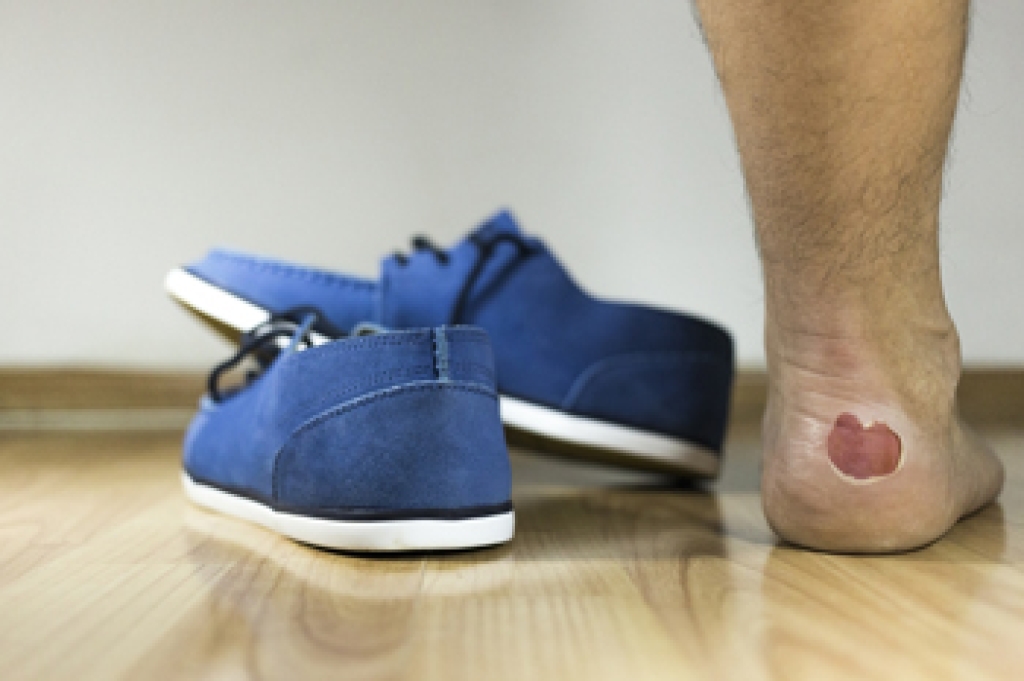
Different Types of Blisters on the Feet

A common reason why blisters form on the feet may be a result of consistent friction between the toes or on the back of the heel. A blister is typically a small area that resembles a bubble and is filled with fluid. This is the body’s natural defense mechanism to ensure the skin under the blister is protected. Research has shown there are different types of blisters that may form, including pinch blisters, which may be a result of a toe that is curled under the toe next to it, causing a blister to form in between the two toes. Additionally, interdigital blisters may be caused by an allergic reaction to an insect bite, and may lead to an infection. Patients who have eczema or athlete's foot may be familiar with the types of blisters these uncomfortable conditions may cause. If shoes that are worn do not fit correctly, blisters may form on the pinky toe or if excess rubbing exists on the back of the foot, it may cause unsightly blisters on the back of the heel. If you would like to learn about how to prevent blisters on the feet or need information about proper treatment techniques, it’s suggested to speak with a podiatrist.

Blisters may appear as a single bubble or in a cluster. They can cause a lot of pain and may be filled with pus, blood, or watery serum. If your feet are hurting, contact Dr. Michael T. Hames of Florence Foot Center. Our doctor can provide the care you need to keep you pain-free and on your feet.

Foot Blisters

Foot blisters are often the result of friction. This happens due to the constant rubbing from shoes, which can lead to pain.

What Are Foot Blisters?

A foot blister is a small fluid-filled pocket that forms on the upper-most layer of the skin. Blisters are filled with clear fluid and can lead to blood drainage or pus if the area becomes infected.

Symptoms

(Blister symptoms may vary depending on what is causing them)

  • Bubble of skin filled with fluid
  • Redness
  • Moderate to severe pain
  • Itching

Prevention & Treatment

In order to prevent blisters, you should be sure to wear comfortable shoes with socks that cushion your feet and absorb sweat. Breaking a blister open may increase your chances of developing an infection. However, if your blister breaks, you should wash the area with soap and water immediately and then apply a bandage to the affected area. If your blisters cause severe pain it is important that you call your podiatrist right away.

If you have any questions, please feel free to contact our office located in Florence, Alabama . We offer the newest diagnostic and treatment technologies for all your foot care needs.
Read more about Blisters

Symptoms Of Tarsal Tunnel Syndrome

The medical condition that is referred to as tarsal tunnel syndrome typically affects the ligaments that stretch across the foot. These are known to provide flexibility and stability to the foot, and may become irritated and inflamed if they are compressed. This may occur as a result from an injury or trauma the foot endures, possibly due to performing repetitive motions. There are several symptoms that are associated with this condition. Many patients will notice a burning or tingling sensation in their foot and may also be accompanied by a shooting pain in the ankle. If you have injured your foot or have pain in the ankle that develops gradually, it’s suggested to speak with a podiatrist so a proper diagnosis can be performed, and the correct treatment can begin.

Tarsal tunnel syndrome can be very uncomfortable to live with. If you are experiencing tarsal tunnel syndrome, contact Dr. Michael T. Hames of Florence Foot Center. Our doctor can provide the care you need to keep you pain-free and on your feet.

Tarsal Tunnel Syndrome

Tarsal tunnel syndrome, which can also be called tibial nerve dysfunction, is an uncommon condition of misfiring peripheral nerves in the foot. The tibial nerve is the peripheral nerve in the leg responsible for sensation and movement of the foot and calf muscles. In tarsal tunnel syndrome, the tibial nerve is damaged, causing problems with movement and feeling in the foot of the affected leg.

Common Cause of Tarsal Tunnel Syndrome

  • Involves pressure or an injury, direct pressure on the tibial nerve for an extended period of time, sometimes caused by other body structures close by or near the knee.
  • Diseases that damage nerves, including diabetes, may cause tarsal tunnel syndrome.
  • At times, tarsal tunnel syndrome can appear without an obvious cause in some cases.

The Effects of Tarsal Tunnel Syndrome

  • Different sensations, an afflicted person may experience pain, tingling, burning or other unusual sensations in the foot of the affected leg.
  • The foot muscles, toes and ankle become weaker, and curling your toes or flexing your foot can become difficult.
  • If condition worsens, infections and ulcers may develop on the foot that is experiencing the syndrome.

A physical exam of the leg can help identify the presence of tarsal tunnel syndrome. Medical tests, such as a nerve biopsy, are also used to diagnose the condition. Patients may receive physical therapy and prescriptive medication. In extreme cases, some may require surgery.

If you have any questions please contact our office located in Florence, Alabama . We offer the newest diagnostic and treatment technologies for all your foot and ankle needs.

Read more about Treating Tarsal Tunnel Syndrome

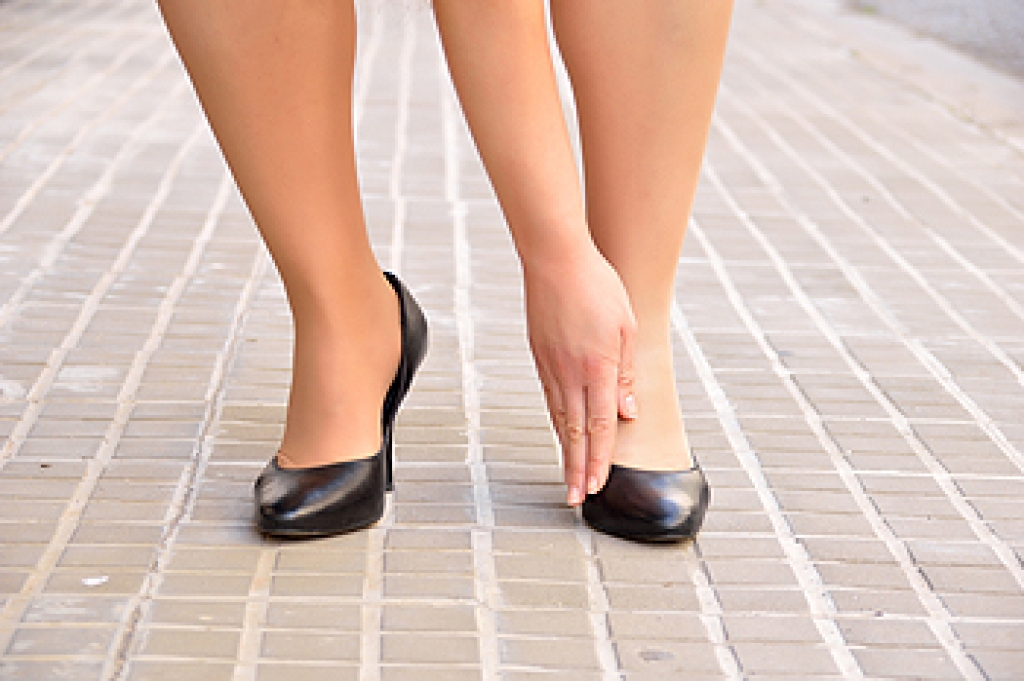
How High Heels Can Negatively Affect The Feet

There are many women who enjoy wearing high heels despite knowing foot pain may develop from wearing these specific type of shoes. Research has shown that when the heel is high, the arch in the foot may become inflamed and this may typically cause pain and discomfort. If high heels are worn on a frequent basis, the toes may undergo stress, and this may possibly cause corns and calluses to develop. The likelihood of incurring a fall may increase as a result of the line of gravity being altered by the height of the heel. There are several ways to enjoy wearing high heels while keeping your feet as comfortable as possible. These may include slipping off your shoes at an appropriate time and performing gentle stretching exercises, including pointing, flexing and rolling your ankles. Additionally, circulation in the feet may be increased by wiggling the toes. Your feet may benefit by wearing shoes that are more comfortable the following day, which may allow the foot muscles to rest. Please speak to a podiatrist if you would like additional information concerning the dangers of wearing high heels.

High heels have a history of causing foot and ankle problems. If you have any concerns about your feet or ankles, contact Dr. Michael T. Hames from Florence Foot Center. Our doctor can provide the care you need to keep you pain-free and on your feet.

Effects of High Heels on the Feet

High heels are popular shoes among women because of their many styles and societal appeal.  Despite this, high heels can still cause many health problems if worn too frequently.

Which Parts of My Body Will Be Affected by High Heels?

  • Ankle Joints
  • Achilles Tendon – May shorten and stiffen with prolonged wear
  • Balls of the Feet
  • Knees – Heels cause the knees to bend constantly, creating stress on them
  • Back – They decrease the spine’s ability to absorb shock, which may lead to back pain.  The vertebrae of the lower back may compress.

What Kinds of Foot Problems Can Develop from Wearing High Heels?

  • Corns
  • Calluses
  • Hammertoe
  • Bunions
  • Morton’s Neuroma
  • Plantar Fasciitis

How Can I Still Wear High Heels and Maintain Foot Health?

If you want to wear high heeled shoes, make sure that you are not wearing them every day, as this will help prevent long term physical problems.  Try wearing thicker heels as opposed to stilettos to distribute weight more evenly across the feet.  Always make sure you are wearing the proper shoes for the right occasion, such as sneakers for exercising.  If you walk to work, try carrying your heels with you and changing into them once you arrive at work.  Adding inserts to your heels can help cushion your feet and absorb shock. Full foot inserts or metatarsal pads are available. 

If you have any questions, please feel free to contact our office located in Florence, Alabama . We offer the newest diagnostic and treatment technologies for all your foot care needs.
Read more about Effect of High Heels on the Feet

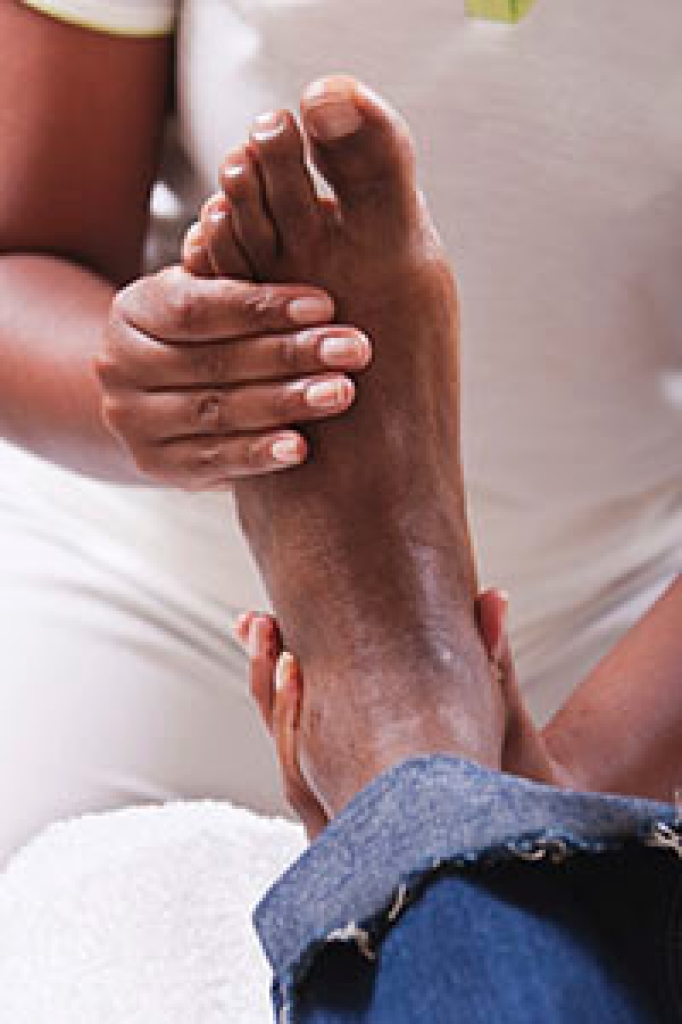
Physical Therapy May Be Effective for Foot Injuries

If we should incur an injury to the foot or ankle, it may affect the quality of completing daily activities efficiently. As a result, having physical therapy performed may be an effective channel that promotes healing in addition to bringing gradual and moderate relief. There are several foot conditions that may benefit from physical therapy, including stress fractures that involve the foot or ankle, the painful ailment known as plantar fasciitis, or turf toe, which is a sprain the big toe endures. Research has shown the multitude of benefits that physical therapy may provide including renewed and increased muscle strength, the ability to walk easier as the pain diminishes, or the added range of motion to the affected joints. If you have endured a severe injury to your foot or ankle, it’s suggested to speak with a podiatrist about whether physical therapy is correct for you.

Foot therapy is often necessary for those recovering from either foot deformities or foot injuries. If you have concerns regarding therapy, consult with Dr. Michael T. Hames from Florence Foot Center. Our doctor can provide the care you need to keep you pain-free and on your feet.

Most Common Injuries

People who are active or athletes are prone to a variety of injuries. Therefore, it is often important to take part in physical therapy in order to quickly get back on the right track. 

What to Do When Injured

Physical Therapy – This specialized treatment will focus on the affected area, speeding up recovery and the overall healing process. It is a proven method that has helped millions of people return from any injury.

During physical therapy you will undergo regimented training to get back into full form. Training is often very difficult, especially at first when the foot feels weak. Physical therapy often involves:

Basic stretching and twisting exercises – getting the feet’s mobility and flexibility up.

Massaging – the therapist will massage the injured area in order to activate the muscles and relax them.

Strengthening Exercises – this allows the muscles in the affected area to regain their full strength, a vital step towards full recovery.

If you have any questions, please feel free to contact our office located in Florence, Alabama . We offer the newest diagnostic and treatment technologies for all your foot care needs.

Read more about Foot Therapy for Sports Injuries

Connect With Us