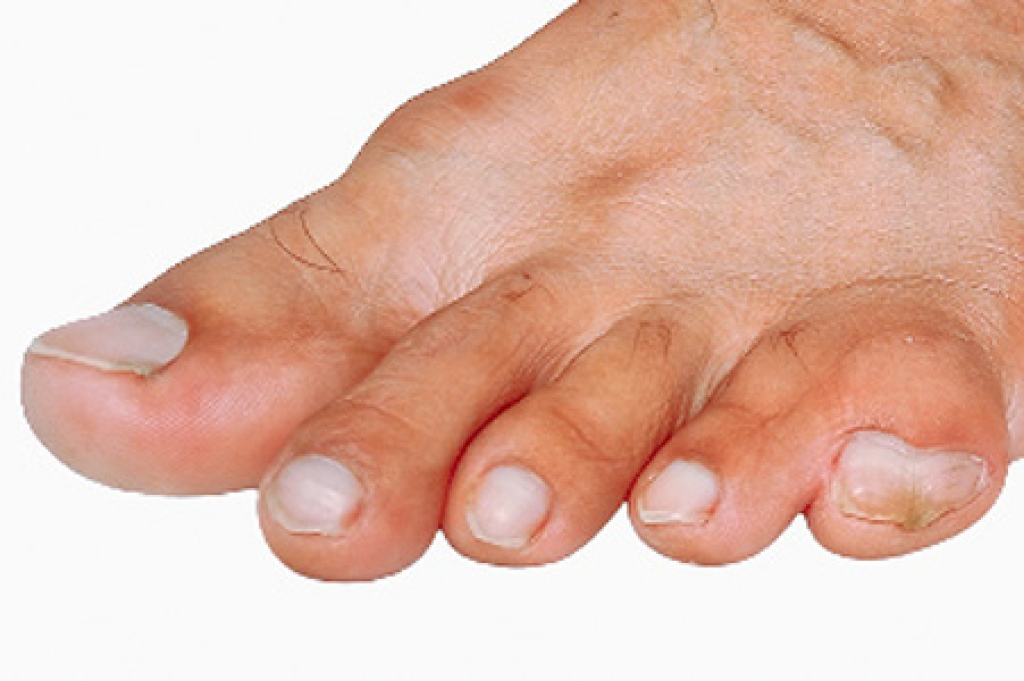
Surgery for Webbed Toes

Webbed toes, also known as syndactyly, occur when two or more toes are joined by skin or soft tissue. Surgery for webbed toes is designed to separate the toes and improve their appearance and function. This treatment may be needed when webbing causes discomfort, limits shoe wear, affects balance, or creates hygiene concerns between the toes. During the procedure, the podiatric surgeon carefully separates the toes and reshapes the skin to allow proper healing and movement. A podiatrist helps by evaluating the condition, discussing treatment options, performing or coordinating surgical care, and guiding recovery with wound care and targeted exercises. If webbed toes are causing pain, functional problems, or self-concern, it is suggested that you schedule a podiatry consultation to learn whether surgical correction is appropriate for you.

Foot surgery is sometimes necessary to treat a foot ailment. To learn more, contact Dr. Michael T. Hames of Florence Foot Center. Our doctor will assist you with all of your foot and ankle needs.

When Is Surgery Necessary?

Foot and ankle surgery is generally reserved for cases in which less invasive, conservative procedures have failed to alleviate the problem. Some of the cases in which surgery may be necessary include:

  • Removing foot deformities like bunions and bone spurs
  • Severe arthritis that has caused bone issues
  • Cosmetic reconstruction

What Types of Surgery Are There?

The type of surgery you receive will depend on the nature of the problem you have. Some of the possible surgeries include:

  • Bunionectomy for painful bunions
  • Surgical fusion for realignment of bones
  • Neuropathy decompression surgery to treat nerve damage

Benefits of Surgery

Although surgery is usually a last resort, it can provide more complete pain relief compared to non-surgical methods and may allow you to finally resume full activity.

Surgical techniques have also become increasingly sophisticated. Techniques like endoscopic surgery allow for smaller incisions and faster recovery times.

If you have any questions, please feel free to contact our office located in Florence, Alabama . We offer the newest diagnostic and treatment technologies for all your foot care needs.

Read more about Foot and Ankle Surgery

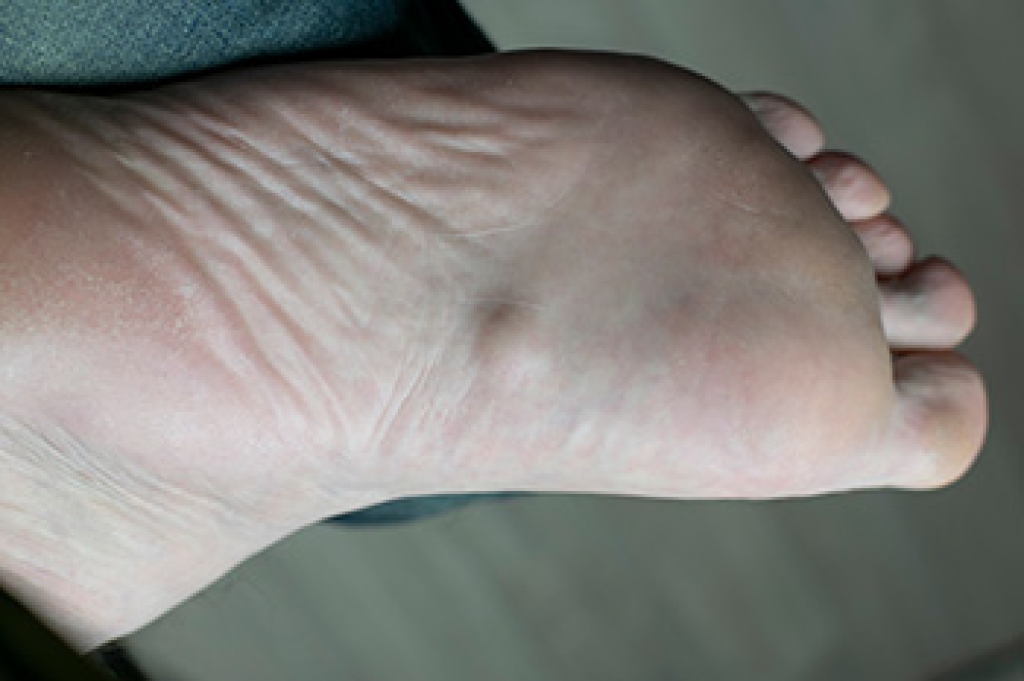
What Is Plantar Fibromatosis?

Plantar fibromatosis is a condition in which firm nodules form within the plantar fascia, the thick band of tissue along the bottom of the foot. These nodules can cause discomfort when standing, walking, or wearing certain shoes. The exact cause is not always clear, but genetics, repeated stress on the feet, and certain medical conditions may contribute to its development. Symptoms often include lumps in the arch, soreness, and gradual changes in foot comfort. A podiatrist can help by evaluating the nodules, recommending supportive footwear, providing orthotics, and offering treatments that reduce pressure and discomfort. If you notice lumps or pain in your arch, it is suggested that you consult a podiatrist who can address the condition early and protect your ability to move comfortably. 

A plantar fibroma may disrupt your daily activities. If you have any concerns, contact Dr. Michael T. Hames of Florence Foot Center. Our doctor can provide the care you need to keep you pain-free and on your feet.

Plantar Fibroma

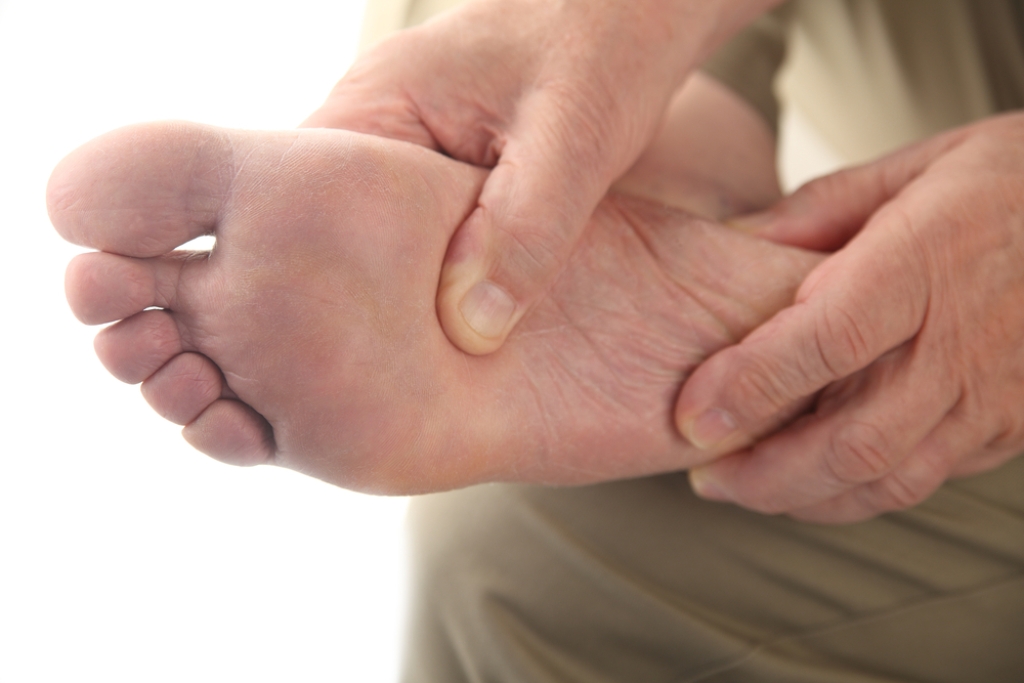
A plantar fibroma is a fibrous knot in the arch of the foot. It is embedded in the plantar fascia which is a band of tissue that extends from the heel to the toes along the bottom of the foot. There can be multiple plantar fibromas in the feet at the same time. There are no known causes for this condition. If you have a plantar fibroma, there will be a bump in the arch of your foot that cannot be missed. Any associated pain is most often due to a shoe rubbing against the nodule. Non-surgical options, such as steroid injections, physical therapy, and orthotics should be tried first. Surgery is a last resort and is the only thing that will remove a plantar fibroma entirely. Consult with a podiatrist for a proper diagnosis and to determine the treatment regimen that is right for you.

What Causes a Plantar Fibroma?

While there are no specific causes identified, a plantar fibroma can possibly come from genetic predisposition or the formation of scar tissue that forms from healing the tears in the plantar fascia.

What Are the Symptoms of a Plantar Fibroma?

There will be a noticeable lump in the arch of the foot that may or may not cause pain. If pain is felt, it is typically because a shoe is rubbing up against the lump or when walking or standing barefoot.

Treatment and Prevention

A plantar fibroma will not disappear without treatment, but it can get smaller and be a non-issue. If pain persists, a podiatrist examines the foot and when the arch of the foot is pressed, pain can be felt down to the toes. An MRI or biopsy might be performed to help diagnose or evaluate the plantar fibroma. The following non-surgical options are generally enough to reduce the size and pain of these nodules:

  • Steroid injections
  • Orthotics
  • Physical therapy to help apply anti-inflammatory creams on the bump 

Surgery is considered if the mass increases in size and the patient continues to feel pain after non-surgical methods are tried.

If you have any questions, please feel free to contact our office located in Florence, Alabama . We offer the newest diagnostic and treatment technologies for all your foot care needs.
Read more about Plantar Fibroma

Plantar Warts Can Be Treated!

Plantar warts are small growths that develop on parts of the feet that bear weight. They're typically found on the bottom of the foot. Don't live with plantar warts, and call us today!

Foot and Ankle Concerns Linked to Diabetes

Diabetes can affect the feet and ankles in ways that may begin subtly but can become more serious if they are not noticed early. Changes in circulation may slow healing and make the skin more vulnerable to dryness, cracking, and infection. Nerve changes can create tingling, numbness, or burning sensations, which can make it difficult to feel cuts, blisters, or pressure spots. Some individuals develop swelling around the ankles or experience muscle weakness that affects balance and walking. Even small concerns such as calluses or nail changes can progress quickly when sensation is reduced. Regular monitoring, wearing supportive footwear, and prompt care for any new issue all help protect long-term comfort and mobility. If you observe persistent swelling, numbness, or wounds that do not heal as expected, it is suggested that you schedule an appointment with a podiatrist for further evaluation.

Diabetic foot care is important in preventing foot ailments such as ulcers. If you are suffering from diabetes or have any other concerns about your feet, contact Dr. Michael T. Hames from Florence Foot Center. Our doctor can provide the care you need to keep you pain-free and on your feet.

Diabetic Foot Care

Diabetes affects millions of people every year. The condition can damage blood vessels in many parts of the body, especially the feet. Because of this, taking care of your feet is essential if you have diabetes, and having a podiatrist help monitor your foot health is highly recommended.

The Importance of Caring for Your Feet

  • Routinely inspect your feet for bruises or sores.
  • Wear socks that fit your feet comfortably.
  • Wear comfortable shoes that provide adequate support.

Patients with diabetes should have their doctor monitor their blood levels, as blood sugar levels play such a huge role in diabetic care. Monitoring these levels on a regular basis is highly advised.

It is always best to inform your healthcare professional of any concerns you may have regarding your feet, especially for diabetic patients. Early treatment and routine foot examinations are keys to maintaining proper health, especially because severe complications can arise if proper treatment is not applied.

If you have any questions, please feel free to contact our office located in Florence, Alabama . We offer the newest diagnostic and treatment technologies for all your foot care needs.
Read more about Diabetic Foot Conditions

Staying Steady and Confident as an Older Adult

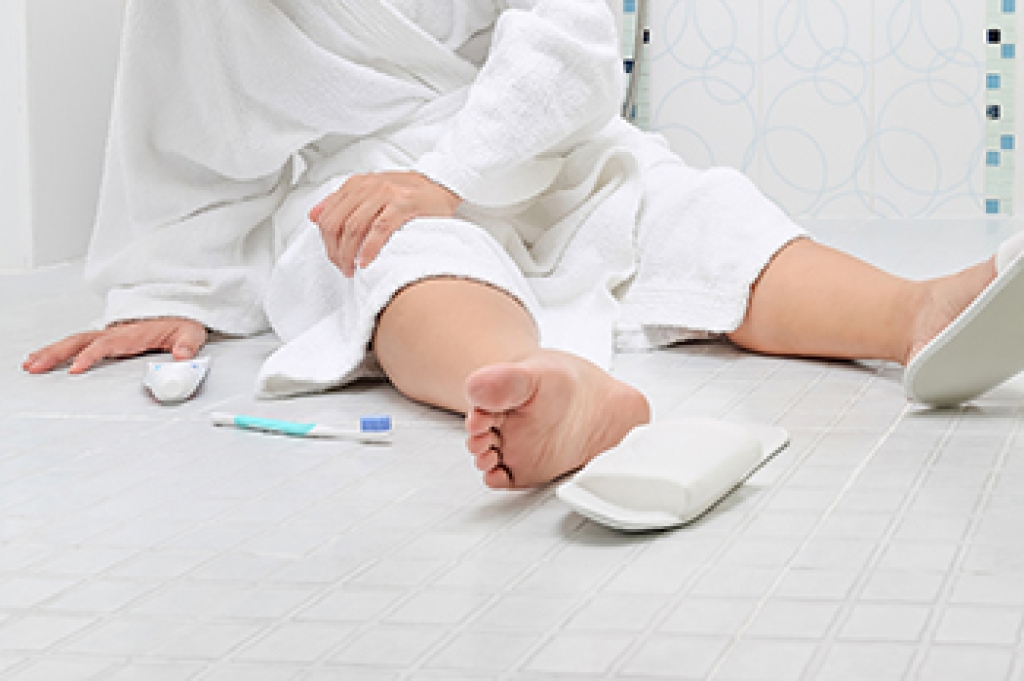
Preventing falls becomes increasingly important with age as balance, strength, and sensory changes can make daily movement less secure. Many older adults experience reduced sensation in the feet, slower reflexes, or joint stiffness that affects stability. Foot pain, poorly fitting shoes, and untreated foot conditions can also increase the risk of tripping or slipping. Simple adjustments such as wearing supportive footwear, keeping walkways clear, improving lighting, and maintaining regular activity can make the home environment much safer. Routine foot evaluations help identify issues that may interfere with balance before they lead to an injury. Paying attention to these details supports confidence with every step. If you are concerned about stability or have persistent foot discomfort, it is suggested that you schedule an appointment with a podiatrist for a proper assessment and guidance.

Preventing falls among the elderly is very important. If you are older and have fallen or fear that you are prone to falling, consult with Dr. Michael T. Hames from Florence Foot Center. Our doctor will assess your condition and provide you with quality advice and care.

Every 11 seconds, an elderly American is being treated in an emergency room for a fall related injury. Falls are the leading cause of head and hip injuries for those 65 and older. Due to decreases in strength, balance, senses, and lack of awareness, elderly persons are very susceptible to falling. Thankfully, there are a number of things older persons can do to prevent falls.

How to Prevent Falls

Some effective methods that older persons can do to prevent falls include:

  • Enrolling in strength and balance exercise program to increase balance and strength
  • Periodically having your sight and hearing checked
  • Discuss any medications you have with a doctor to see if it increases the risk of falling
  • Clearing the house of falling hazards and installing devices like grab bars and railings
  • Utilizing a walker or cane
  • Wearing shoes that provide good support and cushioning
  • Talking to family members about falling and increasing awareness

Falling can be a traumatic and embarrassing experience for elderly persons; this can make them less willing to leave the house, and less willing to talk to someone about their fears of falling. Doing such things, however, will increase the likelihood of tripping or losing one’s balance. Knowing the causes of falling and how to prevent them is the best way to mitigate the risk of serious injury.  

If you have any questions, please feel free to contact our office located in Florence, Alabama . We offer the newest diagnostic and treatment technologies for all your foot care needs.

Read more about Falls Prevention

Connect With Us