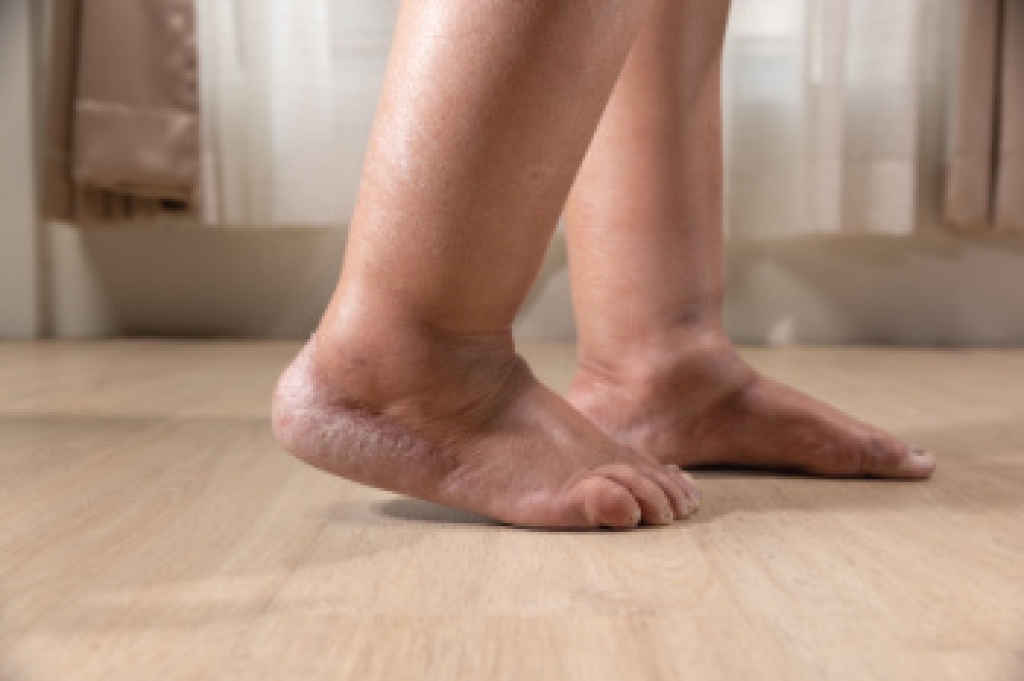
Swollen Feet and Foot Health

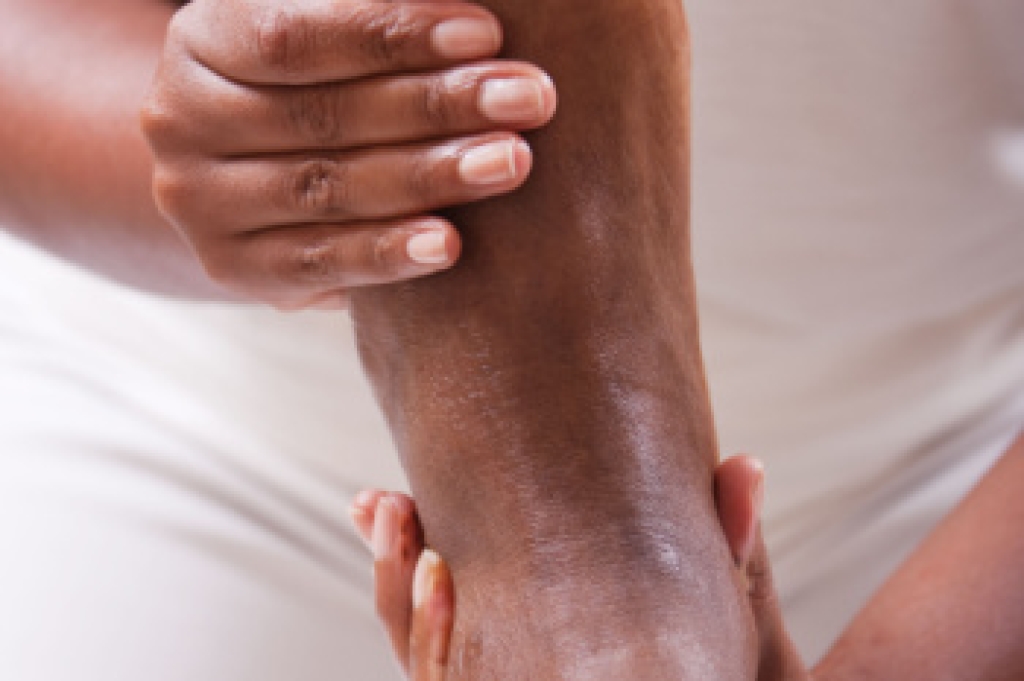
Swollen feet, or edema, occur when excess fluid collects in the tissues of the feet and ankles, leading to puffiness, discomfort, and difficulty walking. While swelling can be linked to heart failure, where the heart cannot pump blood effectively, other causes include kidney or liver problems, poor circulation, prolonged standing or sitting, pregnancy, and certain medications. Recognizing the underlying cause is essential for preventing complications and maintaining mobility. A podiatrist can evaluate swelling, assess foot and ankle health, and provide treatments such as compression therapy, supportive footwear recommendations, and guidance on lifestyle changes to reduce fluid retention. If your feet are swollen, it is suggested that you consult a podiatrist who can determine what the cause is, and offer effective relief and management solutions.

Swollen feet can be a sign of an underlying condition. If you have any concerns, contact Dr. Michael T. Hames of Florence Foot Center. Our doctor can provide the care you need to keep you pain-free and on your feet.

Swollen feet are a common ailment among pregnant women and people who stand or sit for extended periods. Aging may increase the possibility of swollen feet and patients who are obese often notice when their feet are swelling too. There may be medical reasons why swollen feet occur:

  • Phlebitis - A condition that causes the veins to become inflamed and can also cause leg pain.
  • Liver disease - This may lead to low blood levels of albumin which is a protein. This can cause fluid in the blood to pass into the tissues and several areas of the body can become swollen.
  • Heart failure - When the heart doesn’t pump properly the blood that is normally pumped back to the heart can pool in the veins of the legs causing swollen feet.
  • Kidney disease - One of the main functions of the kidneys is releasing excess fluid in the body. This type of condition can make it difficult for the kidneys to function properly, and as a result the feet may become swollen.
  • Deep-vein thrombosis (DVT)- This is a serious condition where blood clots form in the veins of the legs. They can block the return of blood from the legs to the heart which may cause the feet to swell. It is important to be treated by a podiatrist if this condition is present.

Swollen feet can also be caused by bone and tendon conditions, including fractures, arthritis, and tendinitis. Additionally, there may be skin and toenail conditions and an infection may cause the feet to swell. Patients who take medicine to treat high blood pressure may be prone to getting swollen feet. 

Many patients elevate their feet to help relieve the swelling and this is generally a temporary remedy. When a podiatrist is consulted the reason behind the swelling can be uncovered and subsequently treated.

If you have any questions please contact our office located in Florence, Alabama . We offer the newest diagnostic and treatment technologies for all your foot and ankle needs.
Read more about Swelling of the Feet

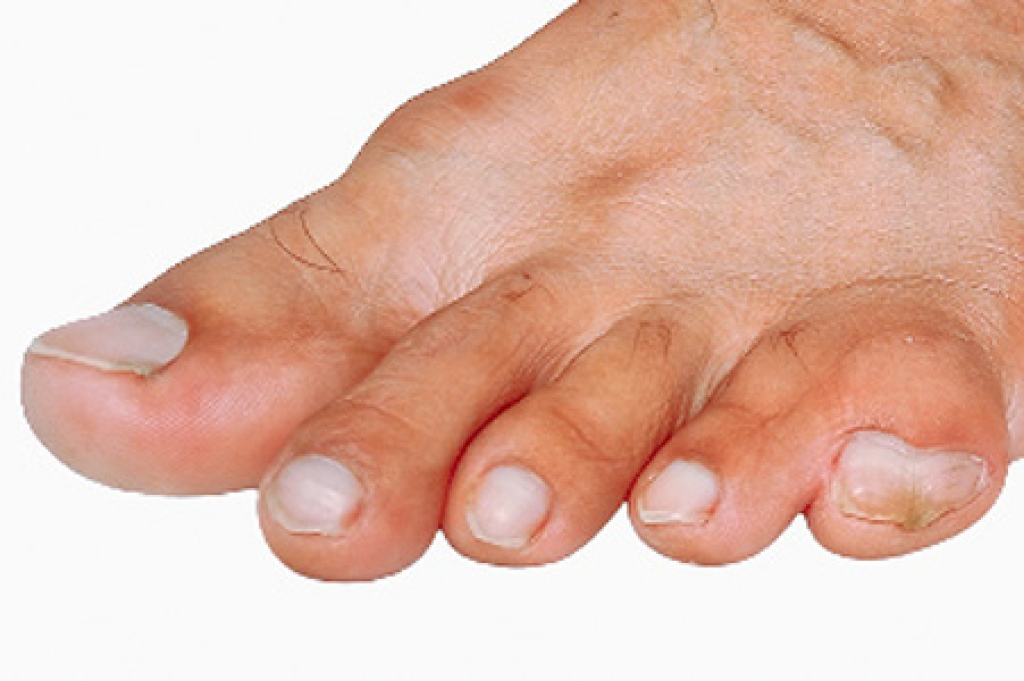
Surgery for Webbed Toes

Webbed toes, also known as syndactyly, occur when two or more toes are joined by skin or soft tissue. Surgery for webbed toes is designed to separate the toes and improve their appearance and function. This treatment may be needed when webbing causes discomfort, limits shoe wear, affects balance, or creates hygiene concerns between the toes. During the procedure, the podiatric surgeon carefully separates the toes and reshapes the skin to allow proper healing and movement. A podiatrist helps by evaluating the condition, discussing treatment options, performing or coordinating surgical care, and guiding recovery with wound care and targeted exercises. If webbed toes are causing pain, functional problems, or self-concern, it is suggested that you schedule a podiatry consultation to learn whether surgical correction is appropriate for you.

Foot surgery is sometimes necessary to treat a foot ailment. To learn more, contact Dr. Michael T. Hames of Florence Foot Center. Our doctor will assist you with all of your foot and ankle needs.

When Is Surgery Necessary?

Foot and ankle surgery is generally reserved for cases in which less invasive, conservative procedures have failed to alleviate the problem. Some of the cases in which surgery may be necessary include:

  • Removing foot deformities like bunions and bone spurs
  • Severe arthritis that has caused bone issues
  • Cosmetic reconstruction

What Types of Surgery Are There?

The type of surgery you receive will depend on the nature of the problem you have. Some of the possible surgeries include:

  • Bunionectomy for painful bunions
  • Surgical fusion for realignment of bones
  • Neuropathy decompression surgery to treat nerve damage

Benefits of Surgery

Although surgery is usually a last resort, it can provide more complete pain relief compared to non-surgical methods and may allow you to finally resume full activity.

Surgical techniques have also become increasingly sophisticated. Techniques like endoscopic surgery allow for smaller incisions and faster recovery times.

If you have any questions, please feel free to contact our office located in Florence, Alabama . We offer the newest diagnostic and treatment technologies for all your foot care needs.

Read more about Foot and Ankle Surgery

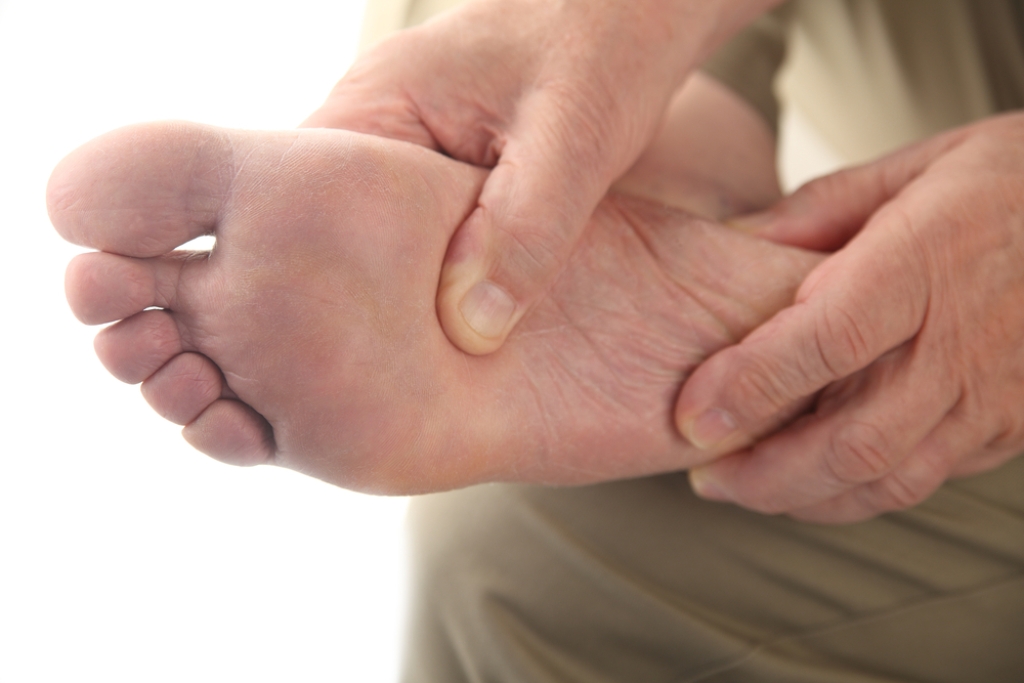
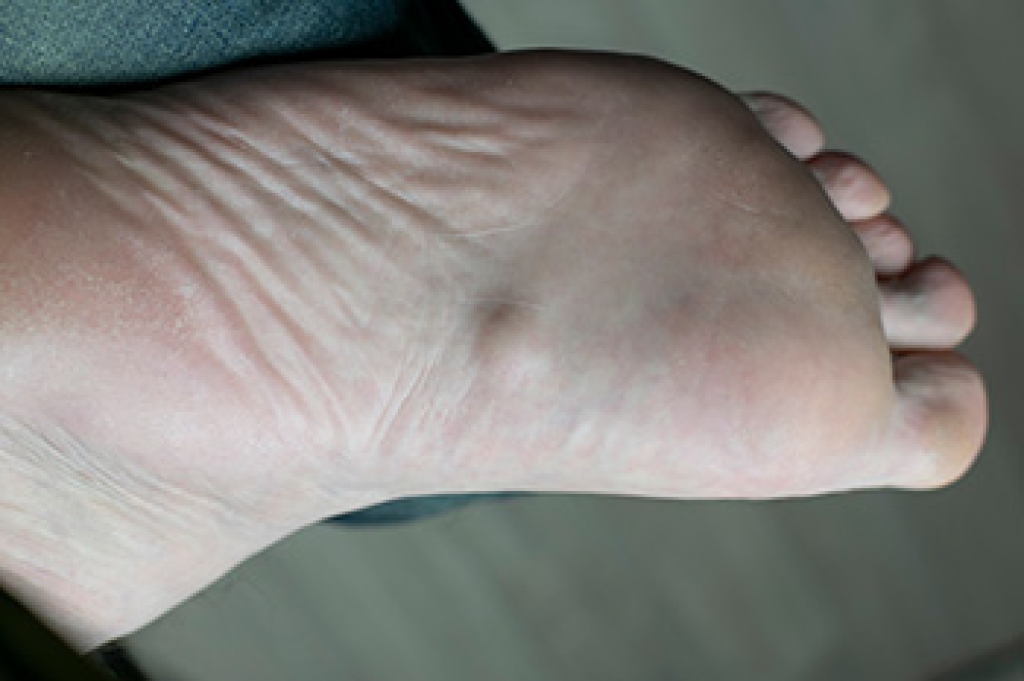
What Is Plantar Fibromatosis?

Plantar fibromatosis is a condition in which firm nodules form within the plantar fascia, the thick band of tissue along the bottom of the foot. These nodules can cause discomfort when standing, walking, or wearing certain shoes. The exact cause is not always clear, but genetics, repeated stress on the feet, and certain medical conditions may contribute to its development. Symptoms often include lumps in the arch, soreness, and gradual changes in foot comfort. A podiatrist can help by evaluating the nodules, recommending supportive footwear, providing orthotics, and offering treatments that reduce pressure and discomfort. If you notice lumps or pain in your arch, it is suggested that you consult a podiatrist who can address the condition early and protect your ability to move comfortably. 

A plantar fibroma may disrupt your daily activities. If you have any concerns, contact Dr. Michael T. Hames of Florence Foot Center. Our doctor can provide the care you need to keep you pain-free and on your feet.

Plantar Fibroma

A plantar fibroma is a fibrous knot in the arch of the foot. It is embedded in the plantar fascia which is a band of tissue that extends from the heel to the toes along the bottom of the foot. There can be multiple plantar fibromas in the feet at the same time. There are no known causes for this condition. If you have a plantar fibroma, there will be a bump in the arch of your foot that cannot be missed. Any associated pain is most often due to a shoe rubbing against the nodule. Non-surgical options, such as steroid injections, physical therapy, and orthotics should be tried first. Surgery is a last resort and is the only thing that will remove a plantar fibroma entirely. Consult with a podiatrist for a proper diagnosis and to determine the treatment regimen that is right for you.

What Causes a Plantar Fibroma?

While there are no specific causes identified, a plantar fibroma can possibly come from genetic predisposition or the formation of scar tissue that forms from healing the tears in the plantar fascia.

What Are the Symptoms of a Plantar Fibroma?

There will be a noticeable lump in the arch of the foot that may or may not cause pain. If pain is felt, it is typically because a shoe is rubbing up against the lump or when walking or standing barefoot.

Treatment and Prevention

A plantar fibroma will not disappear without treatment, but it can get smaller and be a non-issue. If pain persists, a podiatrist examines the foot and when the arch of the foot is pressed, pain can be felt down to the toes. An MRI or biopsy might be performed to help diagnose or evaluate the plantar fibroma. The following non-surgical options are generally enough to reduce the size and pain of these nodules:

  • Steroid injections
  • Orthotics
  • Physical therapy to help apply anti-inflammatory creams on the bump 

Surgery is considered if the mass increases in size and the patient continues to feel pain after non-surgical methods are tried.

If you have any questions, please feel free to contact our office located in Florence, Alabama . We offer the newest diagnostic and treatment technologies for all your foot care needs.

Read more about Plantar Fibroma

Plantar Warts Can Be Treated!

Plantar warts are small growths that develop on parts of the feet that bear weight. They're typically found on the bottom of the foot. Don't live with plantar warts, and call us today!

Foot and Ankle Concerns Linked to Diabetes

Diabetes can affect the feet and ankles in ways that may begin subtly but can become more serious if they are not noticed early. Changes in circulation may slow healing and make the skin more vulnerable to dryness, cracking, and infection. Nerve changes can create tingling, numbness, or burning sensations, which can make it difficult to feel cuts, blisters, or pressure spots. Some individuals develop swelling around the ankles or experience muscle weakness that affects balance and walking. Even small concerns such as calluses or nail changes can progress quickly when sensation is reduced. Regular monitoring, wearing supportive footwear, and prompt care for any new issue all help protect long-term comfort and mobility. If you observe persistent swelling, numbness, or wounds that do not heal as expected, it is suggested that you schedule an appointment with a podiatrist for further evaluation.

Diabetic foot care is important in preventing foot ailments such as ulcers. If you are suffering from diabetes or have any other concerns about your feet, contact Dr. Michael T. Hames from Florence Foot Center. Our doctor can provide the care you need to keep you pain-free and on your feet.

Diabetic Foot Care

Diabetes affects millions of people every year. The condition can damage blood vessels in many parts of the body, especially the feet. Because of this, taking care of your feet is essential if you have diabetes, and having a podiatrist help monitor your foot health is highly recommended.

The Importance of Caring for Your Feet

  • Routinely inspect your feet for bruises or sores.
  • Wear socks that fit your feet comfortably.
  • Wear comfortable shoes that provide adequate support.

Patients with diabetes should have their doctor monitor their blood levels, as blood sugar levels play such a huge role in diabetic care. Monitoring these levels on a regular basis is highly advised.

It is always best to inform your healthcare professional of any concerns you may have regarding your feet, especially for diabetic patients. Early treatment and routine foot examinations are keys to maintaining proper health, especially because severe complications can arise if proper treatment is not applied.

If you have any questions, please feel free to contact our office located in Florence, Alabama . We offer the newest diagnostic and treatment technologies for all your foot care needs.

Read more about Diabetic Foot Conditions

Staying Steady and Confident as an Older Adult

Preventing falls becomes increasingly important with age as balance, strength, and sensory changes can make daily movement less secure. Many older adults experience reduced sensation in the feet, slower reflexes, or joint stiffness that affects stability. Foot pain, poorly fitting shoes, and untreated foot conditions can also increase the risk of tripping or slipping. Simple adjustments such as wearing supportive footwear, keeping walkways clear, improving lighting, and maintaining regular activity can make the home environment much safer. Routine foot evaluations help identify issues that may interfere with balance before they lead to an injury. Paying attention to these details supports confidence with every step. If you are concerned about stability or have persistent foot discomfort, it is suggested that you schedule an appointment with a podiatrist for a proper assessment and guidance.

Preventing falls among the elderly is very important. If you are older and have fallen or fear that you are prone to falling, consult with Dr. Michael T. Hames from Florence Foot Center. Our doctor will assess your condition and provide you with quality advice and care.

Every 11 seconds, an elderly American is being treated in an emergency room for a fall related injury. Falls are the leading cause of head and hip injuries for those 65 and older. Due to decreases in strength, balance, senses, and lack of awareness, elderly persons are very susceptible to falling. Thankfully, there are a number of things older persons can do to prevent falls.

How to Prevent Falls

Some effective methods that older persons can do to prevent falls include:

  • Enrolling in strength and balance exercise program to increase balance and strength
  • Periodically having your sight and hearing checked
  • Discuss any medications you have with a doctor to see if it increases the risk of falling
  • Clearing the house of falling hazards and installing devices like grab bars and railings
  • Utilizing a walker or cane
  • Wearing shoes that provide good support and cushioning
  • Talking to family members about falling and increasing awareness

Falling can be a traumatic and embarrassing experience for elderly persons; this can make them less willing to leave the house, and less willing to talk to someone about their fears of falling. Doing such things, however, will increase the likelihood of tripping or losing one’s balance. Knowing the causes of falling and how to prevent them is the best way to mitigate the risk of serious injury.  

If you have any questions, please feel free to contact our office located in Florence, Alabama . We offer the newest diagnostic and treatment technologies for all your foot care needs.

Read more about Falls Prevention

Managing Gout for Better Foot Health

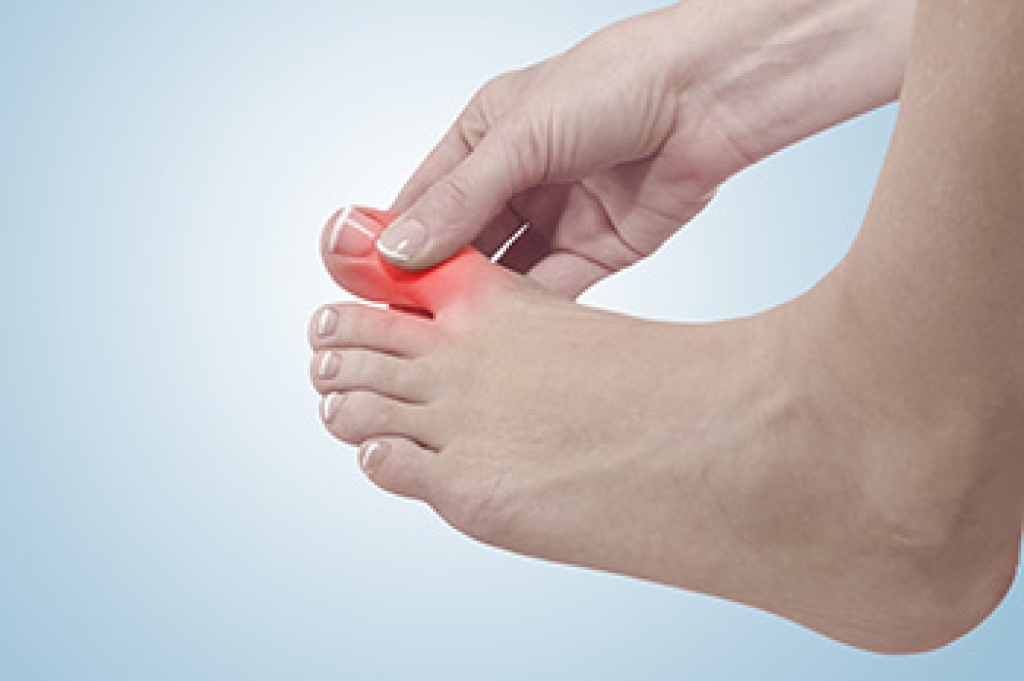
Gout is a form of arthritis caused by a buildup of uric acid crystals in the joints, most commonly affecting the big toe. It can be triggered by genetics, a diet high in purines, dehydration, obesity, or certain medical conditions. During a gout flare, the affected joint may appear red, swollen, warm, and shiny. It often feels intensely painful and is sometimes described as burning or throbbing. Even light pressure, such as a bedsheet resting on the toe, can cause significant discomfort. A podiatrist can help by evaluating the affected joint, confirming the diagnosis, and coordinating treatment with your primary care provider if needed. Options include medication management, joint protection strategies, footwear guidance, and lifestyle recommendations to manage or prevent attacks. If you experience sudden, severe joint pain or swelling, it is suggested that you make an appointment with a podiatrist.

Gout is a painful condition that can be treated. If you are seeking treatment, contact Dr. Michael T. Hames from Florence Foot Center. Our doctor will treat your foot and ankle needs.

What Is Gout?

Gout is a form of arthritis that is characterized by sudden, severe attacks of pain, redness, and tenderness in the joints. The condition usually affects the joint at the base of the big toe. A gout attack can occur at any random time, such as the middle of the night while you are asleep.

Symptoms

  • Intense Joint Pain - Usually around the large joint of your big toe, and it most severe within the first four to twelve hours
  • Lingering Discomfort - Joint discomfort may last from a few days to a few weeks
  • Inflammation and Redness -Affected joints may become swollen, tender, warm and red
  • Limited Range of Motion - May experience a decrease in joint mobility

Risk Factors

  • Genetics - If family members have gout, you’re more likely to have it
  • Medications - Diuretic medications can raise uric acid levels
  • Gender/Age - Gout is more common in men until the age of 60. It is believed that estrogen protects women until that point
  • Diet - Eating red meat and shellfish increases your risk
  • Alcohol - Having more than two alcoholic drinks per day increases your risk
  • Obesity - Obese people are at a higher risk for gout

Prior to visiting your podiatrist to receive treatment for gout, there are a few things you should do beforehand. If you have gout you should write down your symptoms--including when they started and how often you experience them, important medical information you may have, and any questions you may have. Writing down these three things will help your podiatrist in assessing your specific situation so that he or she may provide the best route of treatment for you.

If you have any questions, please feel free to contact our office located in Florence, Alabama . We offer the newest diagnostic and treatment technologies for all your foot care needs.

Read more about Everything You Need to Know About Gout

Risk Factors for Plantar Warts

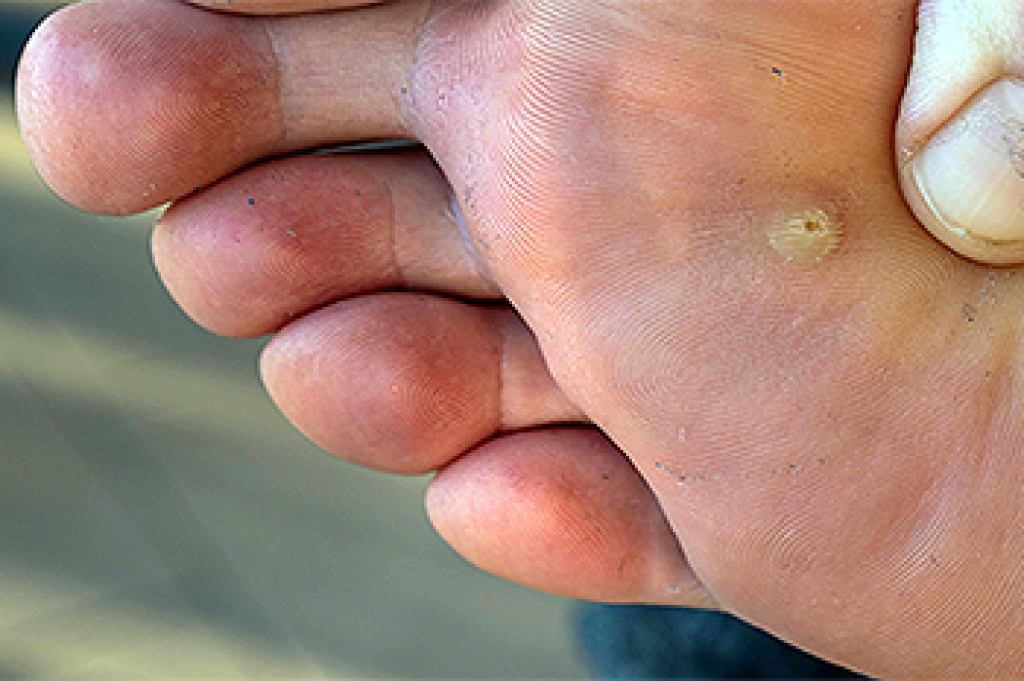
Plantar warts are growths that develop on the bottom of the foot due to a viral infection in the skin. They can become very painful, especially when they form on weight-bearing areas, making standing or walking uncomfortable. These warts are caused by the human papillomavirus, or HPV, which enters the skin through small cuts or weak spots. Symptoms include a rough patch of skin, tiny black dots in the center, and tenderness when pressure is applied. Children and teenagers are most vulnerable because their immune systems are still developing. The virus spreads in warm and moist environments such as locker rooms and pools. Plantar warts can be painful as they grow inward on the sole of the foot as a result of walking and standing. A podiatrist can provide effective treatments that remove discomfort and prevent recurrence. If you have developed a plantar wart, it is suggested that you promptly schedule an appointment with a podiatrist who can offer effective relief and treatment solutions.

Plantar warts can be very uncomfortable. If you need your feet checked, contact Dr. Michael T. Hames from Florence Foot Center. Our doctor will assist you with all of your foot and ankle needs.

About Plantar Warts

Plantar warts are the result of HPV, or human papillomavirus, getting into open wounds on the feet. They are mostly found on the heels or balls of the feet.

While plantar warts are generally harmless, those experiencing excessive pain or those suffering from diabetes or a compromised immune system require immediate medical care. Plantar warts are easily diagnosed, usually through scraping off a bit of rough skin or by getting a biopsy.

Symptoms

  • Lesions on the bottom of your feet, usually rough and grainy
  • Hard or thick callused spots
  • Wart seeds, which are small clotted blood vessels that look like little black spots
  • Pain, discomfort, or tenderness of your feet when walking or standing

Treatment

  • Freezing
  • Electric tool removal
  • Laser Treatment
  • Topical Creams (prescription only)
  • Over-the-counter medications

To help prevent developing plantar warts, avoid walking barefoot over abrasive surfaces that can cause cuts or wounds for HPV to get into. Avoiding direct contact with other warts, as well as not picking or rubbing existing warts, can help prevent the further spread of plantar warts. However, if you think you have developed plantar warts, speak to your podiatrist. He or she can diagnose the warts on your feet and recommend the appropriate treatment options.

If you have any questions, please feel free to contact our office located in Florence, Alabama . We offer the newest diagnostic and treatment technologies for all your foot care needs.

Read more about What Are Plantar Warts?

Gout Pain Can Be Managed

Gout is a painful, inflammatory form of arthritis. Those affected will typically feel an intense stiffness in the joints of their feet, particularly in the big toe. Schedule a visit to learn about how gout can be managed and treated.

Prioritize Your Feet

Our feet are complex and vital structures that often go underappreciated until pain or issues arise. Comprising 26 bones, 33 joints, and an intricate network of nerves and blood vessels, our feet provide the stability and balance essential for every step. Ignoring their health can lead to a range of issues, from mild discomfort to serious conditions, especially in those with diabetes, where foot complications can escalate quickly. Wearing well-fitted shoes and regularly visiting a podiatrist are important steps to ensure optimal foot health, allowing us to prevent or manage issues early. Focusing on foot care helps us maintain mobility and independence, highlighting the importance of paying attention to these important yet often overlooked parts of our body. If you would like to safeguard the health of your feet, it is suggested that you schedule appointments with a podiatrist for routine exams.

Everyday foot care is very important to prevent infection and other foot ailments. If you need your feet checked, contact Dr. Michael T. Hames from Florence Foot Center. Our doctor can provide the care you need to keep you pain-free and on your feet.

Everyday Foot Care

Often, people take care of their bodies, face and hair more so than they do for their feet. But the feet are a very important aspect of our bodies, and one that we should pay more attention to. Without our feet, we would not be able to perform most daily tasks.

It is best to check your feet regularly to make sure there are no new bruises or cuts that you may not have noticed before. For dry feet, moisturizer can easily be a remedy and can be applied as often as necessary to the affected areas. Wearing shoes that fit well can also help you maintain good foot health, as well as making it easier to walk and do daily activities without the stress or pain of ill-fitting shoes, high heels, or even flip flops. Wearing clean socks with closed shoes is important to ensure that sweat and bacteria do not accumulate within the shoe. Clean socks help to prevent Athlete’s foot, fungi problems, bad odors, and can absorb sweat.

If you have any questions, please feel free to contact our office located in Florence, Alabama . We offer the newest diagnostic and treatment technologies for all your foot care needs.

Read more about Every Day Foot Care

Connect With Us