
Do you work on your feet all day and find your feet in pain? Don't go to work in pain each day. Your foot pain can be treated, and we can help.
Do you work on your feet all day and find your feet in pain? Don't go to work in pain each day. Your foot pain can be treated, and we can help.

Toe pain from hiking is a common issue that affects both beginner and experienced hikers. It occurs when repeated pressure, friction, and impact irritate the toes during long periods of walking on uneven terrain. The toes absorb significant force with each step, especially on downhill trails, which can lead to discomfort and injury. Common causes include wearing improper footwear, poor fit, and continuous impact of the foot hitting the ground. Understanding how toe pain develops can help hikers take steps to protect their feet and improve overall comfort on the trail.
Symptoms of toe pain from hiking vary depending on the cause but often include soreness, swelling, and redness. Blisters are a frequent complaint and develop due to friction between the skin and footwear. A bruised toenail may also occur when the toes repeatedly strike the front of the shoe, leading to discoloration and pain. In more severe cases, hikers may experience throbbing pain or difficulty walking. These symptoms can worsen if not addressed early, making it important to recognize warning signs.
Several risk factors increase the likelihood of toe pain during hiking. Wearing shoes that are too tight or too loose can create excess movement or pressure. Long hikes, steep descents, and carrying heavy packs place additional stress on the toes. Moisture from sweat can soften the skin and increase friction, leading to blisters. Poor nail care and inadequate cushioning also contribute to discomfort. These factors combined can lead to repeated trauma that affects the toes over time.
Preventing toe pain starts with selecting properly fitted hiking shoes that provide adequate toe room and support. Moisture wicking socks, proper lacing techniques, and trimming toenails can reduce friction and pressure. Taking breaks and adjusting footwear during hikes can also help minimize discomfort. Early care is essential to avoid worsening symptoms. If you have toe pain from hiking, it is suggested that you consult a podiatrist for effective relief solutions and prevention tips.
Toe pain can disrupt your daily activities. If you have any concerns, contact Dr. Michael T. Hames of Florence Foot Center. Our doctor can provide the care you need to keep you pain-free and on your feet.
What Causes Toe Pain?
Most severe toe pain is caused due to a sports injury, trauma from dropping something heavy on the toe, or bumping into something rigid. Other problems can develop over time for various reasons.
Toe pain can be caused by one or more ailments. The most common include:
When to See a Podiatrist
Diagnosis
In many cases the cause of toe pain is obvious, but in others, a podiatrist may want to use more advanced methods to determine the problem. These can range from simple visual inspections and sensation tests to X-rays and MRI scans. Prior medical history, family medical history, and any recent physical traumatic events will all be taken into consideration for a proper diagnosis.
Treatment
Treatments for toe pain and injuries vary and may include shoe inserts, padding, taping, medicines, injections, and in some cases, surgery. If you believe that you have broken a toe, please see a podiatrist as soon as possible.
If you have any questions please contact our office located in Florence, Alabama . We offer the newest diagnostic and treatment technologies for all your foot and ankle needs.
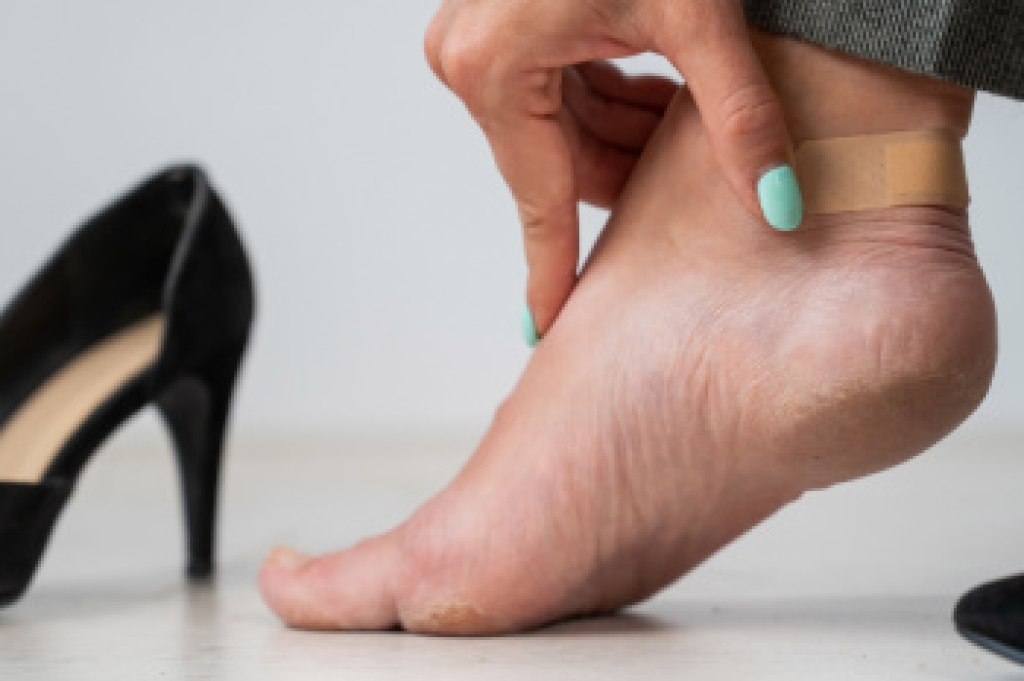
Blisters are fluid-filled pockets that develop beneath the outer layer of skin after it becomes damaged or irritated. They frequently form on the feet because of repeated rubbing, pressure, or exposure to heat. The fluid inside a blister cushions the injured area and helps protect the skin while it heals. Blisters can make standing, wearing shoes, and walking painful. The skin around the blister can become tender, red, and swollen. Larger blisters sometimes make it difficult to move comfortably, especially when they develop on the heel, toes, or ball of the foot. Because other skin conditions can resemble blisters, a podiatrist can determine the exact cause and recommend the most appropriate treatment.
Repeated friction is one of the leading causes of foot blisters. Wearing shoes that do not fit properly or shoes that lack proper support can increase rubbing against the skin. Long periods of walking, running, or participating in sports also place extra stress on the feet. Burns, allergic reactions, and certain skin conditions can lead to blister formation as well. In some cases, blisters develop because of a medical condition that affects the skin. A podiatrist performs a careful examination to identify the reason for the blister and to determine whether an infection or another problem is present. This evaluation helps guide treatment and protects the surrounding skin from further damage.
Treatment depends on the size, location, and cause of the blister. A podiatrist can safely drain a painful blister when appropriate while protecting the healthy skin covering the area. Prescription medication is sometimes recommended when infection or inflammation is present. Patients with repeated blisters can benefit from custom orthotics that improve foot function and reduce pressure on sensitive areas. A podiatrist can also identify problems with foot structure that increase friction and recommend treatments that lower the chance of future blisters. If you have symptoms of blisters, it is suggested that you make an appointment with a podiatrist for diagnosis and treatment.
Blisters are prone to making everyday activities extremely uncomfortable. If your feet are hurting, contact Dr. Michael T. Hames of Florence Foot Center. Our doctor can provide the care you need to keep you pain-free and on your feet.
Foot Blisters
Foot blisters develop as a result of constantly wearing tight or ill-fitting footwear. This happens due to the constant rubbing from the shoe, which can often lead to pain.
What Are Foot Blisters?
A foot blister is a small fluid-filled pocket that forms on the upper-most layer of the skin. Blisters are filled with clear fluid and can lead to blood drainage or pus if the area becomes infected.
How Do Blisters Form?
Blisters on the feet are often the result of constant friction of skin and material, usually by shoe rubbing. Walking in sandals, boots, or shoes that don’t fit properly for long periods of time can result in a blister. Having consistent foot moisture and humidity can easily lead to blister formation.
Prevention & Treatment
It is important to properly care for the affected area in order to prevent infection and ease the pain. Do not lance the blister and use a Band-Aid to provide pain relief. Also, be sure to keep your feet dry and wear proper fitting shoes. If you see blood or pus in a blister, seek assistance from a podiatrist.
If you have any questions, please feel free to contact our office located in Florence, Alabama . We offer the newest diagnostic and treatment technologies for all your foot care needs.
Pediatric flat feet refer to a condition where the arch of the foot is not fully formed or appears to collapse when standing. This is a normal stage in early development, as infants and toddlers naturally have flat feet. The arch begins to develop between the ages of three and six as the foot structure matures. By adolescence, typically around age 14, the arch reaches full development in most individuals.
Symptoms of flat feet in children are often mild, but can become more noticeable as activity levels increase. Some children experience foot fatigue, arch discomfort, or ankle instability. Signs may include inward tilting of the ankles, uneven walking patterns, or complaints of leg or foot pain after exercise. While many children remain symptom free, others may develop issues that affect mobility and comfort.
The causes of flat feet are often related to genetics and biomechanics. Children with a family history of flat feet are more likely to develop the condition. Flexible joints, ligament laxity, and muscle imbalances can also influence arch formation. Additional risk factors include excess body weight and prolonged standing on hard surfaces without proper footwear support.
Walking barefoot can support natural muscle strengthening during early childhood, especially on safe and soft surfaces. It allows the foot to move freely and develop strength. However, proper shoes are important for protection and support during daily activities. Early awareness of symptoms can help prevent long term complications. If your older child has flat feet, it is suggested that you consult a podiatrist for expert advice on shoe guidance and management tips tailored to your child’s needs.
Flatfoot is a condition many people suffer from. If you have flat feet, contact Dr. Michael T. Hames from Florence Foot Center. Our doctor will treat your foot and ankle needs.
What Are Flat Feet?
Flatfoot is a condition in which the arch of the foot is depressed and the sole of the foot is almost completely in contact with the ground. About 20-30% of the population generally has flat feet because their arches never formed during growth.
Conditions & Problems:
Having flat feet makes it difficult to run or walk because of the stress placed on the ankles.
Alignment – The general alignment of your legs can be disrupted, because the ankles move inward which can cause major discomfort.
Knees – If you have complications with your knees, flat feet can be a contributor to arthritis in that area.
Symptoms
Treatment
If you are experiencing pain and stress on the foot you may weaken the posterior tibial tendon, which runs around the inside of the ankle.
If you have any questions, please feel free to contact our office located in Florence, Alabama . We offer the newest diagnostic and treatment technologies for all your foot care needs.
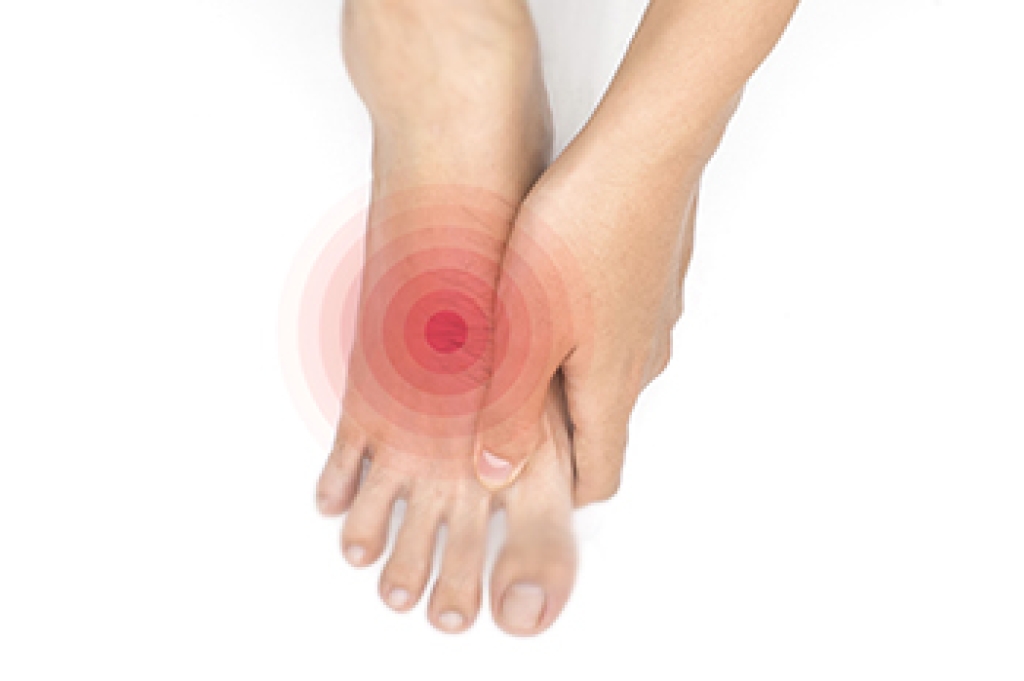
Peripheral neuropathy is a diabetes-related condition that affects the nerves, most often in the feet and lower legs. High blood sugar can damage nerves and interfere with the signals they send to the brain. As a result, a person may lose normal feeling in the feet or experience uncomfortable sensations. Symptoms include numbness, tingling, and burning pain. Some people notice sharp, shooting discomfort that becomes worse at night. Others develop reduced sensitivity to temperature or touch. Because nerve damage can make it difficult to feel injuries, even a small cut or blister can become a serious problem when unnoticed. Diabetic neuropathy can also affect balance and increase the risk of falls.
Several factors increase the risk of diabetic neuropathy. Poor blood sugar control is one of the most significant causes. The risk also rises with longer-lasting diabetes, smoking, and poor circulation. Nerve damage can lead to changes in the shape of the feet, and some people develop muscle weakness that affects how they walk. Others notice cramping, foot fatigue, or difficulty maintaining stability while walking. Loss of feeling in the feet is particularly concerning because it reduces awareness of injuries and pressure points. This increases the chance of skin breakdown, infection, and foot ulcers.
A podiatrist plays an important role in identifying and managing diabetic neuropathy. A podiatrist evaluates sensation, circulation, and foot structure. Regular foot exams help detect problems before they become severe. Treatment includes monitoring nerve-related changes, addressing pressure areas, and helping prevent wounds. A podiatrist can also recommend shoes that provide proper support and protection for feet affected by nerve damage. Patients with diabetic neuropathy benefit from consistent podiatric care because foot problems can develop without obvious warning signs. Prompt attention to numbness, burning, tingling, or unexplained foot pain is essential. It can help reduce the risk of serious complications and preserve mobility. If you have symptoms of diabetic neuropathy, it is suggested that you are under the care of a podiatrist who can provide effective relief and management tips.
Neuropathy
Neuropathy can be a potentially serious condition, especially if it is left undiagnosed. If you have any concerns that you may be experiencing nerve loss in your feet, consult with Dr. Michael T. Hames from Florence Foot Center. Our doctor will assess your condition and provide you with quality foot and ankle treatment for neuropathy.
What Is Neuropathy?
Neuropathy is a condition that leads to damage to the nerves in the body. Peripheral neuropathy, or neuropathy that affects your peripheral nervous system, usually occurs in the feet. Neuropathy can be triggered by a number of different causes. Such causes include diabetes, infections, cancers, disorders, and toxic substances.
Symptoms of Neuropathy Include:
Those with diabetes are at serious risk due to being unable to feel an ulcer on their feet. Diabetics usually also suffer from poor blood circulation. This can lead to the wound not healing, infections occurring, and the limb may have to be amputated.
Treatment
To treat neuropathy in the foot, podiatrists will first diagnose the cause of the neuropathy. Figuring out the underlying cause of the neuropathy will allow the podiatrist to prescribe the best treatment, whether it be caused by diabetes, toxic substance exposure, infection, etc. If the nerve has not died, then it’s possible that sensation may be able to return to the foot.
Pain medication may be issued for pain. Electrical nerve stimulation can be used to stimulate nerves. If the neuropathy is caused from pressure on the nerves, then surgery may be necessary.
If you have any questions, please feel free to contact our office located in Florence, Alabama . We offer the newest diagnostic and treatment technologies for all your foot care needs.
Connect With Us
