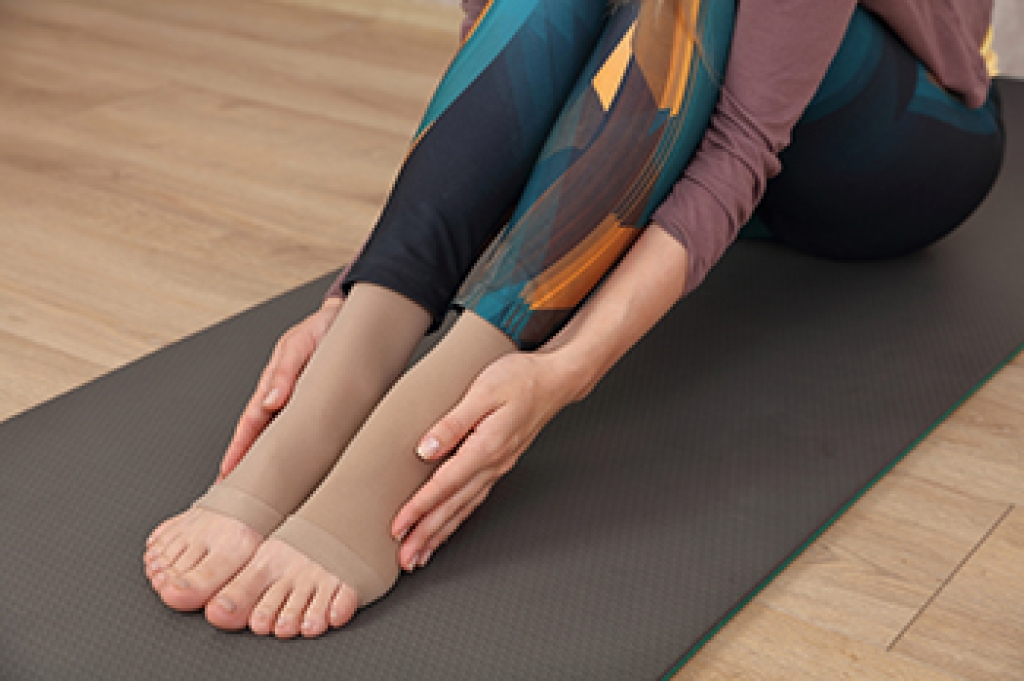
Raynaud's phenomenon is a condition in which small blood vessels temporarily narrow in response to cold temperatures or emotional stress. This reduces blood flow to certain areas, most often the fingers and toes. During an episode, toes may feel cold or numb, and can change color. Skin may appear pale or white before becoming blue, then red, as blood flow returns. Tingling, throbbing, or burning can occur. Episodes may last several minutes, or longer.
Raynaud's phenomenon can occur on its own or alongside another medical condition. Primary Raynaud's is more common and occurs without another known disease. Secondary Raynaud's can be linked with conditions that affect blood vessels or connective tissue. Risk factors include family history, repeated cold exposure, and smoking. Certain medications can also affect circulation. Frequent or severe episodes deserve medical attention because they can sometimes affect skin health. Reduced blood flow may contribute to sores or slow healing.
When cold toes are a concern, a podiatrist can examine the feet and lower extremities for related circulation changes. The evaluation may include checking pulses, skin color, and sensation. Skin and nails are examined. If the findings suggest a broader circulation problem, referral for additional vascular evaluation may be appropriate. Treatment focuses on protecting the extremities from cold, keeping the skin healthy, and addressing the underlying cause when one is identified.
Simple daily habits may help reduce episodes. Staying warm before going outdoors can be helpful. Avoiding smoking and managing known health conditions may also support healthy circulation. If sores, persistent color changes, or significant pain develop, prompt evaluation is important. If you have cold feet or toes, it is suggested that you consult a podiatrist for an accurate diagnosis and appropriate treatment.
While poor circulation itself isn’t a condition; it is a symptom of another underlying health condition you may have. If you have any concerns with poor circulation in your feet contact Dr. Michael T. Hames of Florence Foot Center. Our doctor will treat your foot and ankle needs.
Poor Circulation in the Feet
Peripheral artery disease (PAD) can potentially lead to poor circulation in the lower extremities. PAD is a condition that causes the blood vessels and arteries to narrow. In a linked condition called atherosclerosis, the arteries stiffen up due to a buildup of plaque in the arteries and blood vessels. These two conditions can cause a decrease in the amount of blood that flows to your extremities, therefore resulting in pain.
Symptoms
Some of the most common symptoms of poor circulation are:
- Numbness
- Tingling
- Throbbing or stinging pain in limbs
- Pain
- Muscle Cramps
Treatment for poor circulation often depends on the underlying condition that causes it. Methods for treatment may include insulin for diabetes, special exercise programs, surgery for varicose veins, or compression socks for swollen legs.
As always, see a podiatrist as he or she will assist in finding a regimen that suits you. A podiatrist can also prescribe you any needed medication.
If you have any questions, please feel free to contact our office located in Florence, Alabama . We offer the newest diagnostic and treatment technologies for all your foot care needs.
