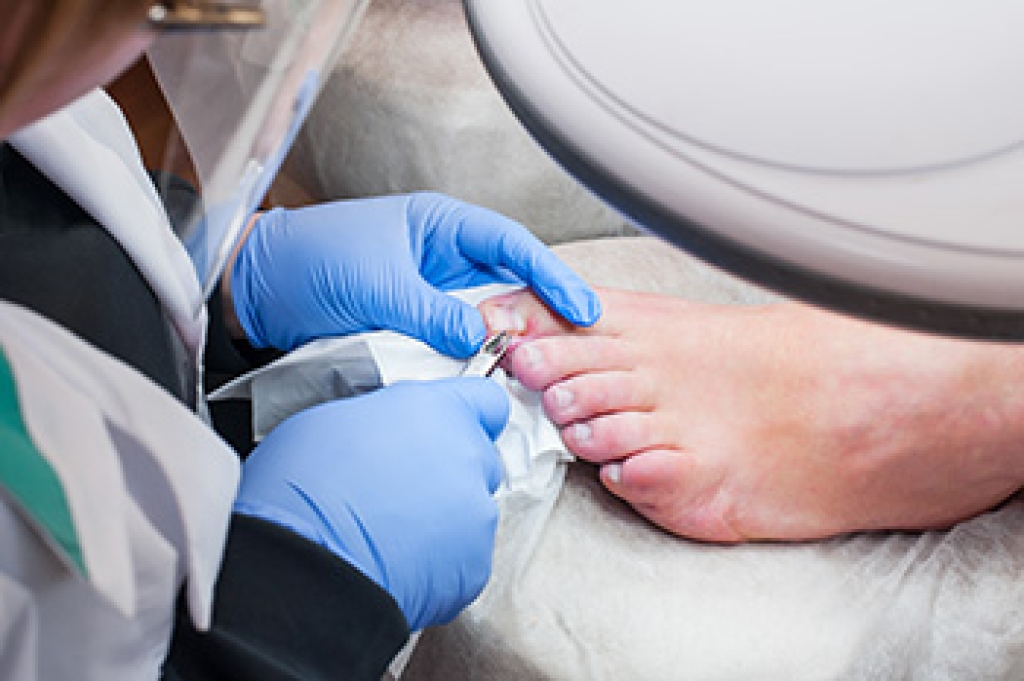
Facts About Ingrown Toenail Surgery

Ingrown toenail surgery is a procedure used to treat a toenail that grows into the surrounding skin, usually along the nail edge of the big toe. This condition can cause pain when walking or wearing shoes. Other symptoms include redness and swelling around the nail. In more advanced cases, drainage or infection may develop. Risk factors include trimming nails too short, wearing tight footwear, and injuring the toe. Although mild cases may improve with conservative care, persistent or infected ingrown toenails may require surgery to relieve pressure and prevent recurring problems.

A podiatrist usually begins by examining the toe and checking for signs of infection. If surgery is necessary, the toe is numbed with a local anesthetic to keep the procedure comfortable. One option is a wedge resection, in which the podiatrist removes the narrow section of nail growing into the skin. Partial toenail removal preserves most of the nail while relieving pressure. In more severe cases, complete toenail removal may be recommended, although it is not always necessary. The choice depends on the nail condition and whether the problem keeps returning.


For recurring ingrown toenails, a podiatrist may perform a matrixectomy. This procedure treats part of the nail matrix, the tissue responsible for nail growth, to help prevent the affected edge from growing back. Chemical treatment or another method may be used. Tip-of-toe surgery is less common and may be considered for selected severe cases involving persistent tissue problems. After treatment, the podiatrist applies a dressing and explains how to clean and protect the toe. Healing recommendations include limiting pressure and attending follow-up visits.


Most patients return to normal activities gradually as tenderness improves. Keeping the toe clean and wearing roomy shoes can support recovery. If you have an ingrown toenail that causes ongoing pain or signs of infection, it is suggested that you consult a podiatrist who may discuss the benefits of this type of surgery with you.

Foot surgery is sometimes necessary to treat a foot ailment. To learn more, contact Dr. Michael T. Hames of Florence Foot Center. Our doctor will assist you with all of your foot and ankle needs.

When Is Surgery Necessary?

Foot and ankle surgery is generally reserved for cases in which less invasive, conservative procedures have failed to alleviate the problem. Some of the cases in which surgery may be necessary include:

  • Removing foot deformities like bunions and bone spurs
  • Severe arthritis that has caused bone issues
  • Cosmetic reconstruction

What Types of Surgery Are There?

The type of surgery you receive will depend on the nature of the problem you have. Some of the possible surgeries include:

  • Bunionectomy for painful bunions
  • Surgical fusion for realignment of bones
  • Neuropathy decompression surgery to treat nerve damage

Benefits of Surgery

Although surgery is usually a last resort, it can provide more complete pain relief compared to non-surgical methods and may allow you to finally resume full activity.

Surgical techniques have also become increasingly sophisticated. Techniques like endoscopic surgery allow for smaller incisions and faster recovery times.

If you have any questions, please feel free to contact our office located in Florence, Alabama . We offer the newest diagnostic and treatment technologies for all your foot care needs.
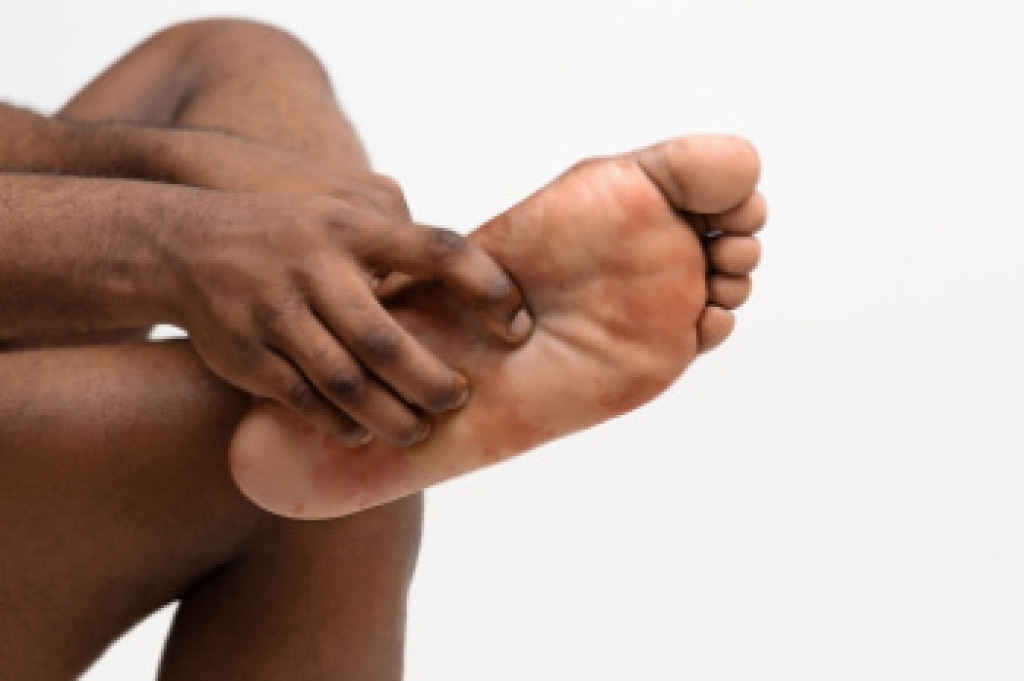
Read more about Foot Surgery

Causes and Symptoms of Plantar Fasciitis

Plantar fasciitis develops when the wide band of tissue that runs along the bottom of the foot is irritated. This ligament, called the plantar fascia, supports the arch. Repeated strain can create tiny tears where it  connects to the heel bone. The main symptom is sharp pain under the heel. Pain is usually strongest with the first steps after getting out of bed or standing after a long rest. It may ease as the foot begins moving, then return after extended activity. Some patients change the way they walk to avoid pressure on the sore heel.

Several factors can increase strain on the plantar fascia. A sudden increase in running, jumping, or stair climbing can overload the tissue. Excess body weight and pregnancy can also place greater pressure on the feet. Tight calf muscles, high arches, or flat feet may affect how force moves through the heel. Wearing shoes that lack proper support or cushioning can add to the problem. However, plantar fasciitis sometimes develops without a clear cause. Heel pain can also result from a stress fracture or nerve problem, so an accurate diagnosis is important.

A podiatrist can examine the foot, discuss when the pain occurs, and evaluate the patient's walking pattern. X-rays or other imaging tests can help rule out a fracture. Treatment includes activity changes and guidance on safe stretching. A podiatrist may recommend supportive shoes, custom orthotics, or taping to reduce pressure on the plantar fascia. A night splint can hold the foot in a gentle stretch while the patient sleeps. Persistent cases may benefit from other office-based treatments. Surgery is rarely required and is considered only when other care has not brought relief. Early evaluation can reduce pain and help prevent stress on the opposite foot, ankles, or knees. If you have symptoms of plantar fasciitis, it is suggested that you schedule an appointment with a podiatrist for a diagnosis and appropriate treatment.

Plantar fasciitis is a common foot condition that is often caused by a strain injury. If you are experiencing heel pain or symptoms of plantar fasciitis, contact Dr. Michael T. Hames from Florence Foot Center. Our doctor can provide the care you need to keep you pain-free and on your feet.

What Is Plantar Fasciitis?

Plantar fasciitis is one of the most common causes of heel pain. The plantar fascia is a ligament that connects your heel to the front of your foot. When this ligament becomes inflamed, plantar fasciitis is the result. If you have plantar fasciitis you will have a stabbing pain that usually occurs with your first steps in the morning. As the day progresses and you walk around more, this pain will start to disappear, but it will return after long periods of standing or sitting.

What Causes Plantar Fasciitis?

  • Excessive running
  • Having high arches in your feet
  • Other foot issues such as flat feet
  • Pregnancy (due to the sudden weight gain)
  • Being on your feet very often

There are some risk factors that may make you more likely to develop plantar fasciitis compared to others. The condition most commonly affects adults between the ages of 40 and 60. It also tends to affect people who are obese because the extra pounds result in extra stress being placed on the plantar fascia.

Prevention

  • Take good care of your feet – Wear shoes that have good arch support and heel cushioning.
  • Maintain a healthy weight
  • If you are a runner, alternate running with other sports that won’t cause heel pain

There are a variety of treatment options available for plantar fasciitis along with the pain that accompanies it. Additionally, physical therapy is a very important component in the treatment process. It is important that you meet with your podiatrist to determine which treatment option is best for you.

If you have any questions, please feel free to contact our office located in Florence, Alabama . We offer the newest diagnostic and treatment technologies for all your foot care needs.


Read more about Plantar Fasciitis

Connect With Us