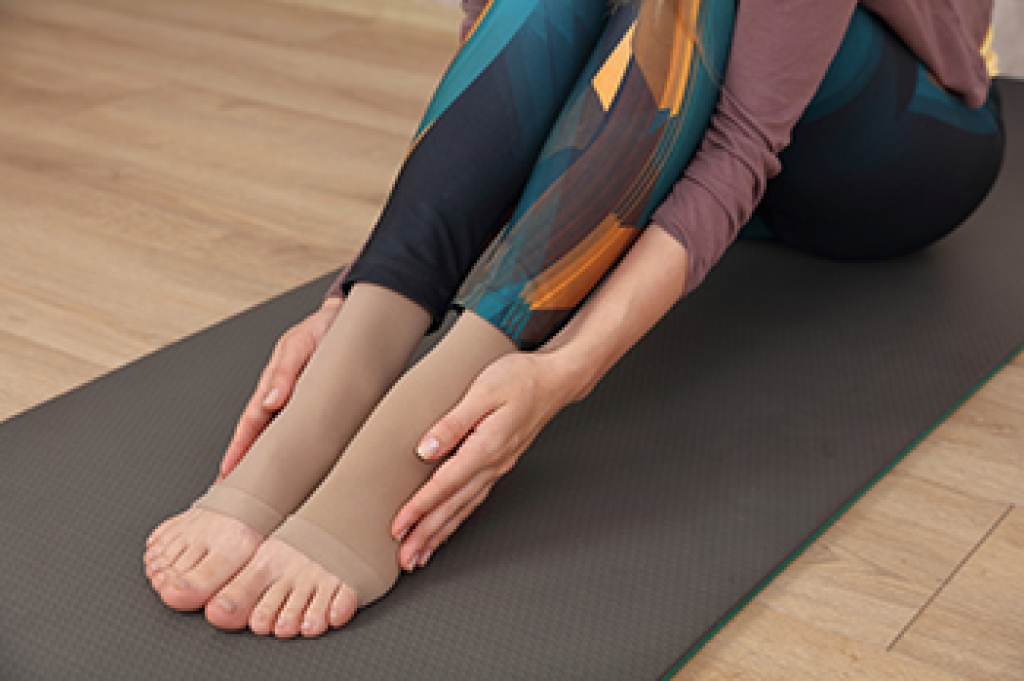
How Peripheral Artery Disease Affects Your Feet

Peripheral artery disease, or PAD, develops when arteries in the legs become narrow or blocked. As a result, the feet receive less oxygen-rich blood. PAD can cause aching, cramping, and numbness in the legs and feet. Some individuals also experience weakness. Pain can begin when walking and ease with rest. Warning signs include cold feet and toes, pale skin, and slow-growing toenails. The skin can look bluish, smooth, or shiny. Because symptoms can seem related to aging or inactivity, patients do not seek care until the disease is more severe.

Reduced circulation makes foot injuries harder to heal. A cut can develop into an open sore because the tissue lacks enough blood to repair itself. Watch for wounds on the toes, heels, or ankles that heal slowly. Resting foot pain, skin-color changes, and unusually cool areas also deserve prompt attention. Severe PAD can lead to tissue death, called gangrene, and could require surgery or loss of limb. PAD also raises the risk of heart attack and stroke. Smoking can worsen PAD, so quitting is an important step. Regular exercise can improve circulation and reduce leg pain, but patients should ask their podiatrist to recommend appropriate activities.

A podiatrist can examine the feet for changes that point to poor circulation. The visit can include checking skin temperature, checking for pulses, and examining nails and wounds. A podiatrist can also perform or arrange an ankle-brachial index test. This test compares blood pressure at the ankle with blood pressure in the arm. The results can show whether blood flow to the legs is reduced. A podiatrist can manage wounds and help prevent infection. Early diagnosis protects the feet and supports better overall health. If you have symptoms of peripheral artery disease, it is suggested that you schedule an appointment with a podiatrist for a diagnosis and appropriate treatment and management solutions.

Peripheral artery disease can pose a serious risk to your health. It can increase the risk of stroke and heart attack. If you have symptoms of peripheral artery disease, consult with Dr. Michael T. Hames from Florence Foot Center. Our doctor will assess your condition and provide you with quality foot and ankle treatment.

Peripheral artery disease (PAD) is when arteries are constricted due to plaque (fatty deposits) build-up. This results in less blood flow to the legs and other extremities. The main cause of PAD is atherosclerosis, in which plaque builds up in the arteries.

Symptoms

Symptoms of PAD include:

  • Claudication (leg pain from walking)
  • Numbness in legs
  • Decrease in growth of leg hair and toenails
  • Paleness of the skin
  • Erectile dysfunction
  • Sores and wounds on legs and feet that won’t heal
  • Coldness in one leg

It is important to note that a majority of individuals never show any symptoms of PAD.

Diagnosis

While PAD occurs in the legs and arteries, Podiatrists can diagnose PAD. Podiatrists utilize a test called an ankle-brachial index (ABI). An ABI test compares blood pressure in your arm to you ankle to see if any abnormality occurs. Ultrasound and imaging devices may also be used.

Treatment

Fortunately, lifestyle changes such as maintaining a healthy diet, exercising, managing cholesterol and blood sugar levels, and quitting smoking, can all treat PAD. Medications that prevent clots from occurring can be prescribed. Finally, in some cases, surgery may be recommended.

If you have any questions, please feel free to contact our office located in Florence, Alabama . We offer the newest diagnostic and treatment technologies for all your foot care needs.


Read more about Peripheral Artery Disease

Let the Expert Treat Your Ingrown Toenails

Ingrown toenails can be painful and can make wearing shoes or walking uncomfortable. Seek professional help if you believe you've developed an ingrown toenail and be treated safely. 

Understanding Skin Bridging and Ingrown Toenails

An ingrown toenail develops when the edge of a toenail grows into the surrounding skin. This can cause pain, swelling, redness, and drainage around the nail. Several factors can contribute to an ingrown toenail, including improper nail trimming, tight shoes, and injury to the toe or nail. Fungal infections and increased sweating can also play a role. When an ingrown toenail remains untreated, the surrounding tissue can become irritated and swollen. In rare, advanced cases, excess tissue can grow around the nail and form a bridge across part of it. This condition is called skin bridging. The bridge can develop when long-lasting inflammation causes the tissue around the nail to become thicker and more fibrous.

A podiatrist can examine an ingrown toenail and determine how advanced the condition has become. The examination can include checking the nail edge, surrounding skin, and tissue for signs of inflammation or infection. A podiatrist can also look for excess tissue that has grown around or across the nail. Skin bridging is rare and has been reported in severe, long-standing cases of ingrown toenails. The condition can make the nail difficult to see and can cause significant swelling around the toe. An evaluation is important because treatment depends on the severity of the ingrown toenail and the amount of tissue involved.

A podiatrist can provide treatment based on the severity of the ingrown toenail. Less advanced cases can be treated with professional nail care and treatment of the affected tissue. More advanced cases can require removal of part or all of the affected nail, along with treatment of the nail-producing tissue to reduce the chance of the problem returning. When skin bridging has developed, a podiatrist can remove the excess tissue and treat the underlying nail problem. Prompt evaluation can help prevent an ingrown toenail from progressing into a more complicated condition. If you have symptoms of skin bridging and ingrown toenails, it is suggested that you make an appointment with a podiatrist for diagnosis and treatment.

Ingrown toenails can become painful if they are not treated properly. For more information about ingrown toenails, contact Dr. Michael T. Hames of Florence Foot Center. Our doctor can provide the care you need to keep you pain-free and on your feet.

Ingrown Toenails

Ingrown toenails occur when a toenail grows sideways into the bed of the nail, causing pain, swelling, and possibly infection.

Causes

  • Bacterial infections
  • Improper nail cutting such as cutting it too short or not straight across
  • Trauma to the toe, such as stubbing, which causes the nail to grow back irregularly
  • Ill-fitting shoes that bunch the toes too close together
  • Genetic predisposition

Prevention

Wearing proper fitting shoes and using proper cutting techniques will also help decrease your risk of developing ingrown toenails.

Treatment

Ingrown toenails are a very treatable foot condition. In minor cases, soaking the affected area in salt or antibacterial soaps will not only help with the ingrown nail itself, but also help prevent any infections from occurring. In more severe cases, surgery is an option. In either case, speaking to your podiatrist about this condition will help you get a better understanding of specific treatment options that are right for you.

If you have any questions, please feel free to contact our office located in Florence, Alabama . We offer the newest diagnostic and treatment technologies for all your foot care needs.
Read more about Ingrown Toenails

Podiatric Treatment for Ankle Pain

Ankle pain can make standing, walking, and other daily activities difficult. The ankle contains bones, joints, and soft tissues that work together to support body weight and movement. Pain can occur after an injury or a change in activity. Symptoms can include swelling, stiffness, and tenderness. Some patients also experience numbness or tingling. Pain can sometimes come from another area of the body, which is called referred pain. Changes in foot structure, excess body weight, or shoes that lack proper support can also place extra stress on the ankle.

Ankle sprains are one possible cause of pain. A sprain happens when the ankle rolls, twists, or turns forcefully and damages supporting ligaments. Most sprains occur when the foot twists inward, causing pain around the outside of the ankle. Fractures can also cause ankle pain, especially after a hard impact or fall. Achilles tendon problems can develop after a sudden increase in training or a new activity. The Achilles tendon connects the calf muscles to the heel and helps raise the heel when walking or running. Arthritis can also affect the ankle joint and contribute to pain or stiffness.

A podiatrist can evaluate ankle pain by examining the painful area and checking how the foot and ankle move. The assessment can consider walking patterns, joint movement, and foot structure. A podiatrist can determine whether shoes or abnormal foot mechanics are placing added stress on the ankle. Treatment can include supportive devices, shoe recommendations, and targeted movement guidance. Custom orthotics can also help control abnormal foot movement when appropriate. Severe tenderness over a bone or an inability to put weight on the ankle can indicate a more serious injury. If you have symptoms of ankle pain, it is suggested that you schedule an appointment with a podiatrist for diagnosis and treatment.

Ankle pain can be caused by a number of problems and may be potentially serious. If you have ankle pain, consult with Dr. Michael T. Hames from Florence Foot Center. Our doctor will assess your condition and provide you with quality foot and ankle treatment.

Ankle pain is any condition that causes pain in the ankle. Due to the fact that the ankle consists of tendons, muscles, bones, and ligaments, ankle pain can come from a number of different conditions.

Causes

The most common causes of ankle pain include:

  • Types of arthritis (rheumatoid, osteoarthritis, and gout)
  • Ankle sprains
  • Broken ankles
  • Achilles tendonitis
  • Achilles tendon rupture
  • Stress fractures
  • Bursitis
  • Tarsal tunnel syndrome
  • Plantar fasciitis

Symptoms

Symptoms of ankle injury vary based upon the condition. Pain may include general pain and discomfort, swelling, aching, redness, bruising, burning or stabbing sensations, and/or loss of sensation.

Diagnosis

Due to the wide variety of potential causes of ankle pain, podiatrists will utilize a number of different methods to properly diagnose ankle pain. This can include asking for personal and family medical histories and of any recent injuries. Further diagnosis may include sensation tests, a physical examination, and potentially x-rays or other imaging tests.

Treatment

Just as the range of causes varies widely, so do treatments. Some more common treatments are rest, ice packs, keeping pressure off the foot, orthotics and braces, medication for inflammation and pain, and surgery.

If you have any questions please feel free to contact our office located in Florence, Alabama . We offer the newest diagnostic tools and technology to treat your foot and ankle needs.

Read more about Ankle Pain

Improving Balance and Reducing Fall Risk for Older Adults

Falls in seniors are a leading cause of injury and often result from a loss of balance or coordination. A fall occurs when the body is unable to maintain stability during movement or standing. Age-related changes in the muscles and joints can affect balance and increase the chance of falling. Reduced physical activity and underlying health conditions may also contribute. Understanding fall prevention strategies is key to protecting long term mobility and safety.

Common symptoms associated with fall risk include dizziness, instability, and difficulty maintaining posture. Seniors may feel unsure when walking on uneven surfaces or when changing direction. After a fall, individuals may experience pain in the feet, ankles, or other parts of the body. Swelling and limited movement can interfere with daily activities. Identifying these symptoms early can help reduce the likelihood of repeated falls.

Risk factors include poor physical conditioning, weak muscles, and lack of balance training. Social isolation and limited activity may lead to reduced strength and coordination. Foot problems, such as pain or improper footwear, can affect stability and increase fall risk. Environmental factors like poor lighting or cluttered walkways may also contribute. Falls often result from a combination of physical and environmental issues that affect safe movement.

Preventing falls involves improving balance and maintaining an active lifestyle. Exercises such as tai chi, pilates, and yoga can strengthen muscles and enhance coordination. Practicing balance techniques like walking in a straight line can improve stability. Wearing supportive footwear and regular foot care are also important for safe movement. If you have sustained a foot or ankle injury after a fall, it is suggested that you consult a podiatrist for effective relief and treatment solutions, and additional fall prevention tips.

Preventing falls among the elderly is very important. If you are older and have fallen or fear that you are prone to falling, consult with Dr. Michael T. Hames from Florence Foot Center. Our doctor will assess your condition and provide you with quality advice and care.

Every 11 seconds, an elderly American is being treated in an emergency room for a fall related injury. Falls are the leading cause of head and hip injuries for those 65 and older. Due to decreases in strength, balance, senses, and lack of awareness, elderly persons are very susceptible to falling. Thankfully, there are a number of things older persons can do to prevent falls.

How to Prevent Falls

Some effective methods that older persons can do to prevent falls include:

  • Enrolling in strength and balance exercise program to increase balance and strength
  • Periodically having your sight and hearing checked
  • Discuss any medications you have with a doctor to see if it increases the risk of falling
  • Clearing the house of falling hazards and installing devices like grab bars and railings
  • Utilizing a walker or cane
  • Wearing shoes that provide good support and cushioning
  • Talking to family members about falling and increasing awareness

Falling can be a traumatic and embarrassing experience for elderly persons; this can make them less willing to leave the house, and less willing to talk to someone about their fears of falling. Doing such things, however, will increase the likelihood of tripping or losing one’s balance. Knowing the causes of falling and how to prevent them is the best way to mitigate the risk of serious injury.  

If you have any questions, please feel free to contact our office located in Florence, Alabama . We offer the newest diagnostic and treatment technologies for all your foot care needs.
Read more about Falls Prevention

Connect With Us