Lisfranc Injury and Midfoot Damage

A Lisfranc injury is a serious condition that affects the midfoot where the metatarsal bones connect to the tarsal bones. It often occurs when the foot is twisted or crushed, causing damage to the ligaments that support this area. Common causes include falls, sports injuries, or accidents involving heavy impact. Symptoms may include swelling on the top of the foot, pain when standing or walking, and difficulty bearing weight. Some people may also notice bruising on the bottom of the foot, which is a key warning sign. Risk factors include high impact sports, uneven surfaces, and previous foot injuries. If not properly treated, the injury can lead to long term instability and chronic pain. A podiatrist can diagnose the injury using imaging, assess severity, and guide appropriate treatment to restore stability and function. It is suggested that if you have a fractured foot, please visit a podiatrist for effective relief and treatment solutions.

A broken foot requires immediate medical attention and treatment. If you need your feet checked, contact Dr. Michael T. Hames from Florence Foot Center. Our doctor can provide the care you need to keep you pain-free and on your feet.

Broken Foot Causes, Symptoms, and Treatment

A broken foot is caused by one of the bones in the foot typically breaking when bended, crushed, or stretched beyond its natural capabilities. Usually the location of the fracture indicates how the break occurred, whether it was through an object, fall, or any other type of injury. 

Common Symptoms of Broken Feet:

  • Bruising
  • Pain
  • Redness
  • Swelling
  • Blue in color
  • Numbness
  • Cold
  • Misshapen
  • Cuts
  • Deformities

Those that suspect they have a broken foot shoot seek urgent medical attention where a medical professional could diagnose the severity.

Treatment for broken bones varies depending on the cause, severity and location. Some will require the use of splints, casts or crutches while others could even involve surgery to repair the broken bones. Personal care includes the use of ice and keeping the foot stabilized and elevated.

If you have any questions, please feel free to contact our office located in Florence, Alabama . We offer the newest diagnostic and treatment technologies for all your foot care needs.

Read more about Causes, Symptoms, and Treatment for a Broken Foot

Are You Suffering From Ingrown Toenails?

If left untreated, an ingrown toenail can lead to more serious concerns, such as an infection. Knowing proper nail care can help in the prevention of an ingrown toenail. Give us a call, and get treated!

Explaining How Corns Develop

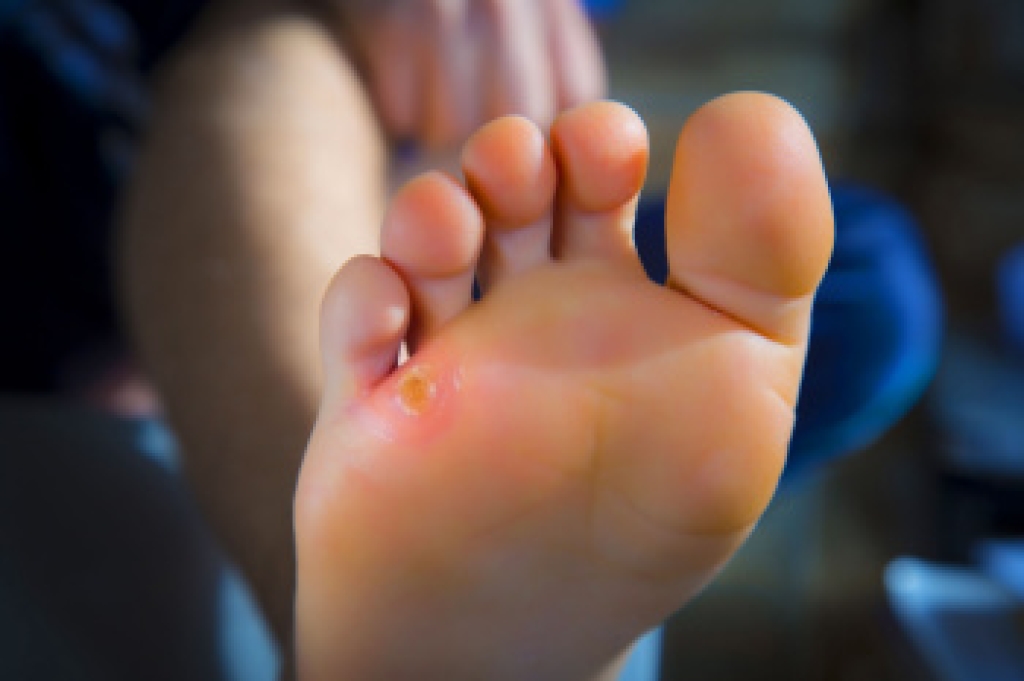
Corns are small areas of thickened skin that develop when the feet are exposed to repeated pressure or friction. They commonly form on the top and side of the toes or other areas of the foot that rub against shoes. Corns often appear as hard, raised bumps and can become painful, especially when walking, standing, or wearing certain types of shoes. Other symptoms include tenderness, redness, and sensitivity around the affected area. Corns are frequently caused by shoes that fit poorly, but they can also result from foot structure problems that place extra pressure on specific areas. For instance, high arches, hammertoes, or bunions can increase the risk. There are different types of corns, including hard corns, which are typically found on the toes, and soft corns, which develop between the toes where moisture is present. A podiatrist can safely remove painful corns and identify the underlying cause. Recommendations to help prevent corns from returning include footwear changes, padding, or custom orthotics. If you have a painful corn on your foot, it is suggested that you schedule an appointment with a podiatrist for an exam and treatment.

Corns can make walking very painful and should be treated immediately. If you have questions regarding your feet and ankles, contact Dr. Michael T. Hames of Florence Foot Center. Our doctor will treat your foot and ankle needs.

Corns: What Are They? And How Do You Get Rid of Them?
Corns are thickened areas on the skin that can become painful. They are caused by excessive pressure and friction on the skin. Corns press into the deeper layers of the skin and are usually round in shape.

Ways to Prevent Corns
There are many ways to get rid of painful corns such as:

  • Wearing properly fitting shoes that have been measured by a professional
  • Wearing shoes that are not sharply pointed or have high heels
  • Wearing only shoes that offer support

Treating Corns

Although most corns slowly disappear when the friction or pressure stops, this isn’t always the case. Consult with your podiatrist to determine the best treatment option for your case of corns.

If you have any questions, please feel free to contact our office located in Florence, Alabama . We offer the newest diagnostic and treatment technologies for all your foot care needs.
Read more about Everything You Need to Know About Corns

When the Achilles Tendon Flares

Achilles tendonitis is a painful condition that affects the strong band of tissue that connects the calf muscles to the heel bone. It often appears as stiffness and soreness along the back of the ankle, especially in the morning or after activity. The problem develops from repeated strain, sudden increases in exercise, or wearing unsupportive footwear. Runners, athletes, and people who stand for long hours have a higher risk. A podiatrist can diagnose the issue through a physical exam and imaging tests, when needed. Treatment may include targeted therapies, custom orthotics, and guidance to reduce stress on the tendon. Early evaluation helps prevent worsening damage and supports a safer return to normal movement and activity. If you have symptoms of an Achilles tendon injury, it is suggested that you consult a podiatrist who can accurately diagnose and offer effective treatment solutions.

Achilles tendon injuries need immediate attention to avoid future complications. If you have any concerns, contact Dr. Michael T. Hames of Florence Foot Center. Our doctor can provide the care you need to keep you pain-free and on your feet.

What Is the Achilles Tendon?

The Achilles tendon is a tendon that connects the lower leg muscles and calf to the heel of the foot. It is the strongest tendon in the human body and is essential for making movement possible. Because this tendon is such an integral part of the body, any injuries to it can create immense difficulties and should immediately be presented to a doctor.

What Are the Symptoms of an Achilles Tendon Injury?

There are various types of injuries that can affect the Achilles tendon. The two most common injuries are Achilles tendinitis and ruptures of the tendon.

Achilles Tendinitis Symptoms

  • Inflammation
  • Dull to severe pain
  • Increased blood flow to the tendon
  • Thickening of the tendon

Rupture Symptoms

  • Extreme pain and swelling in the foot
  • Total immobility

Treatment and Prevention

Achilles tendon injuries are diagnosed by a thorough physical evaluation, which can include an MRI. Treatment involves rest, physical therapy, and in some cases, surgery. However, various preventative measures can be taken to avoid these injuries, such as:

  • Thorough stretching of the tendon before and after exercise
  • Strengthening exercises like calf raises, squats, leg curls, leg extensions, leg raises, lunges, and leg presses

If you have any questions please feel free to contact our office located in Florence, Alabama . We offer the newest diagnostic tools and technology to treat your foot and ankle needs.

Read more about Achilles Tendon Injuries

What Is Sever’s Disease?

Sever’s disease is a common cause of heel pain in children, and is related to inflammation of the growth plate in the heel. It often occurs during periods of rapid growth when bones lengthen faster than muscles and tendons can adapt. This condition typically affects active children from ages 8 to 14 who participate in sports or activities that involve running and jumping. Symptoms include heel pain during activity, tenderness, swelling, and limping. Risk factors include tight calf muscles, repetitive stress, and wearing footwear that does not fit properly. It happens because the developing heel is more sensitive to strain and pressure. A podiatrist can provide evaluation, recommend stretching and support, and guide recovery. If your active child has heel pain, it is suggested that you consult a podiatrist who can offer effective relief and management tips.

Sever's disease often occurs in children and teens. If your child is experiencing foot or ankle pain, see Dr. Michael T. Hames from Florence Foot Center. Our doctor can treat your child’s foot and ankle needs.

Sever’s Disease

Sever’s disease is also known as calcaneal apophysitis, which is a medical condition that causes heel pain I none or both feet. The disease is known to affect children between the ages of 8 and 14.

Sever’s disease occurs when part of the child’s heel known as the growth plate (calcaneal epiphysis) is attached to the Achilles tendon. This area can suffer injury when the muscles and tendons of the growing foot do not keep pace with bone growth. Therefore, the constant pain which one experiences at the back of the heel will make the child unable to put any weight on the heel. The child is then forced to walk on their toes.

Symptoms

Acute pain – Pain associated with Sever’s disease is usually felt in the heel when the child engages in physical activity such as walking, jumping and or running.

Highly active – Children who are very active are among the most susceptible in experiencing Sever’s disease, because of the stress and tension placed on their feet.

If you have any questions, please feel free to contact our office located in Florence, Alabama . We offer the newest diagnostic and treatment technologies for all your foot care needs.

Read more about Sever's Disease

Connect With Us