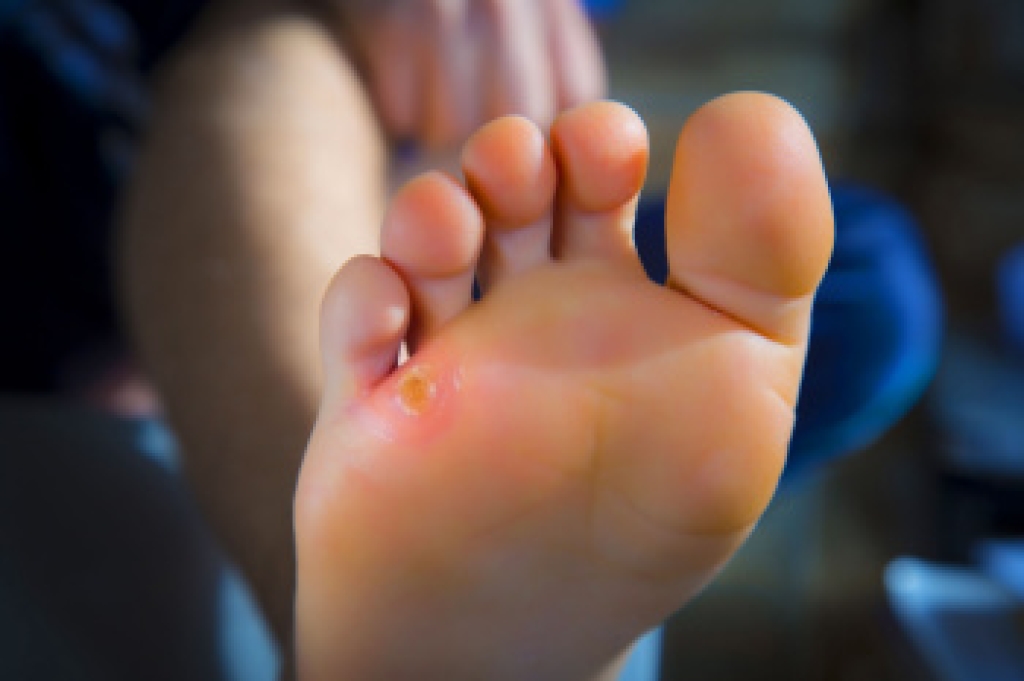
Flaky Skin Between the Toes

Tinea pedis, commonly called athlete’s foot, is a fungal infection that affects the skin on the feet and between the toes. The condition often develops in warm, damp environments where fungus grows easily, such as sweaty shoes, locker rooms, or around public pool areas. Many people notice peeling skin, itching, redness, cracking, or a burning sensation that becomes worse over time. In some cases, the skin may blister or develop an unpleasant odor. Although athlete’s foot can seem minor at first, untreated infections may spread to the toenails or other parts of the foot, and become more difficult to manage. A podiatrist can identify the infection, rule out other skin conditions that appear similar, and recommend treatment designed to stop the fungus and relieve irritation. Early care may also help prevent recurring infections and skin breakdown. If you continue to experience itching, peeling, or irritation on the feet, it is suggested that you visit a podiatrist for a diagnosis and appropriate treatment.

Athlete’s Foot

Athlete’s foot is often an uncomfortable condition to experience. Thankfully, podiatrists specialize in treating athlete’s foot and offer the best treatment options. If you have any questions about athlete’s foot, consult with Dr. Michael T. Hames from Florence Foot Center. Our doctor will assess your condition and provide you with quality treatment.

What Is Athlete’s Foot?

Tinea pedis, more commonly known as athlete’s foot, is a non-serious and common fungal infection of the foot. Athlete’s foot is contagious and can be contracted by touching someone who has it or infected surfaces. The most common places contaminated by it are public showers, locker rooms, and swimming pools. Once contracted, it grows on feet that are left inside moist, dark, and warm shoes and socks.

Prevention

The most effective ways to prevent athlete’s foot include:

  • Thoroughly washing and drying feet
  • Avoid going barefoot in locker rooms and public showers
  • Using shower shoes in public showers
  • Wearing socks that allow the feet to breathe
  • Changing socks and shoes frequently if you sweat a lot

Symptoms

Athlete’s foot initially occurs as a rash between the toes. However, if left undiagnosed, it can spread to the sides and bottom of the feet, toenails, and if touched by hand, the hands themselves. Symptoms include:

  • Redness
  • Burning
  • Itching
  • Scaly and peeling skin

Diagnosis and Treatment

Diagnosis is quick and easy. Skin samples will be taken and either viewed under a microscope or sent to a lab for testing. Sometimes, a podiatrist can diagnose it based on simply looking at it. Once confirmed, treatment options include oral and topical antifungal medications.

If you have any questions, please feel free to contact our office located in Florence, Alabama . We offer the newest diagnostic and treatment technologies for all your foot care needs.
Read more about How to Deal with Athlete's Foot

Canes and Their Role in Improving Balance and Preventing Falls

A cane is a supportive mobility aid designed to enhance stability and reduce the risk of falls during walking. It is especially beneficial for patients experiencing balance issues or instability due to injury or chronic conditions. Proper use is essential. The cane should be held in the hand opposite the injured or weaker foot to promote a more symmetrical gait that closely resembles a natural walking pattern. This technique helps distribute weight evenly and improves confidence with movement. A podiatrist can assess gait, recommend the appropriate type of cane if one is needed, and provide guidance on correct usage. Early support can prevent injury and maintain independence. If you are unstable on your feet, it is suggested that you consult a podiatrist who can determine the cause and offer effective treatment solutions.

Preventing falls among the elderly is very important. If you are older and have fallen or fear that you are prone to falling, consult with Dr. Michael T. Hames from Florence Foot Center. Our doctor will assess your condition and provide you with quality advice and care.

Every 11 seconds, an elderly American is being treated in an emergency room for a fall related injury. Falls are the leading cause of head and hip injuries for those 65 and older. Due to decreases in strength, balance, senses, and lack of awareness, elderly persons are very susceptible to falling. Thankfully, there are a number of things older persons can do to prevent falls.

How to Prevent Falls

Some effective methods that older persons can do to prevent falls include:

  • Enrolling in strength and balance exercise program to increase balance and strength
  • Periodically having your sight and hearing checked
  • Discuss any medications you have with a doctor to see if it increases the risk of falling
  • Clearing the house of falling hazards and installing devices like grab bars and railings
  • Utilizing a walker or cane
  • Wearing shoes that provide good support and cushioning
  • Talking to family members about falling and increasing awareness

Falling can be a traumatic and embarrassing experience for elderly persons; this can make them less willing to leave the house, and less willing to talk to someone about their fears of falling. Doing such things, however, will increase the likelihood of tripping or losing one’s balance. Knowing the causes of falling and how to prevent them is the best way to mitigate the risk of serious injury.  

If you have any questions, please feel free to contact our office located in Florence, Alabama . We offer the newest diagnostic and treatment technologies for all your foot care needs.
Read more about Falls Prevention

Exercise and Relief for Plantar Fasciitis

Plantar fasciitis is a painful condition that causes heel and arch discomfort, especially with the first steps in the morning. Exercise can play an important role in easing symptoms and improving function over time. Strengthening the small and large muscles of the foot helps support the arch and reduce strain on the plantar fascia. Working the muscles of the hips, especially those that stabilize movement, can also improve alignment and reduce stress placed on the feet while walking or running. Simple stretching on its own can help loosen tight tissues and improve flexibility, which may decrease tension and pain. These approaches are often more effective when combined and guided properly. A podiatrist can create a plan that targets your specific needs and monitor your progress to prevent setbacks. If you have ongoing heel pain, it is suggested that you seek care from a podiatrist.

Stretching the feet is a great way to prevent injuries. If you have any concerns with your feet consult with Dr. Michael T. Hames from Florence Foot Center. Our doctor will assess your condition and provide you with quality foot and ankle treatment.

Stretching the Feet

Being the backbone of the body, the feet carry your entire weight and can easily become overexerted, causing cramps and pain. As with any body part, stretching your feet can serve many benefits. From increasing flexibility to even providing some pain relief, be sure to give your feet a stretch from time to time. This is especially important for athletes or anyone performing aerobic exercises, but anyone experiencing foot pain or is on their feet constantly should also engage in this practice.

Great ways to stretch your feet:

  • Crossing one leg over the others and carefully pull your toes back. Do 10-20 repetitions and repeat the process for each foot
  • Face a wall with your arms out and hands flat against the wall. Step back with one foot and keep it flat on the floor while moving the other leg forward. Lean towards the wall until you feel a stretch. Hold for 30 seconds and perform 10 repetitions for each foot
  • Be sure not to overextend or push your limbs too hard or you could risk pulling or straining your muscle

Individuals who tend to their feet by regular stretching every day should be able to minimize foot pain and prevent new problems from arising.

If you have any questions please contact our office located in Florence, Alabama . We offer the newest diagnostic and treatment technologies for all your foot and ankle needs.

Read more about How to Stretch Your Feet

Foot Pain in the Arch and Toes as You Age

Pain in the middle of the foot and changes in the smaller toes can develop gradually, over time. These problems are more common with aging and increased body weight, which place extra pressure on the feet. Arthritis in the arch area can cause stiffness, swelling, and discomfort during walking or standing. At the same time, the lesser toes may begin to bend or shift, leading to deformities such as hammertoes or claw toes. This can create pressure points, corns, and trouble with shoes. Wearing supportive footwear, using custom orthotics, and seeking early care can help reduce strain and improve comfort. Gentle activity and weight management may also help protect foot health. If you notice ongoing pain, toe changes, or difficulty with movement, it is suggested you seek evaluation by a podiatrist for proper care and guidance.

Arthritis can be a difficult condition to live with. If you are seeking treatment, contact Dr. Michael T. Hames from Florence Foot Center. Our doctor can provide the care you need to keep you pain-free and on your feet.

Arthritic Foot Care  

Arthritis is a term that is commonly used to describe joint pain.  The condition itself can occur to anyone of any age, race, or gender, and there are over 100 types of it.  Nevertheless, arthritis is more commonly found in women compared to men, and it is also more prevalent in those who are overweight. The causes of arthritis vary depending on which type of arthritis you have. Osteoarthritis for example, is often caused by injury, while rheumatoid arthritis is caused by a misdirected immune system.

Symptoms

  • Swelling
  • Pain
  • Stiffness
  • Decreased Range of Motion

Arthritic symptoms range in severity, and they may come and go. Some symptoms stay the same for several years but could potentially get worse with time. Severe cases of arthritis can prevent its sufferers from performing daily activities and make walking difficult.

Risk Factors

  • Occupation – Occupations requiring repetitive knee movements have been linked to osteoarthritis
  • Obesity – Excess weight can contribute to osteoarthritis development
  • Infection – Microbial agents can infect the joints and trigger arthritis
  • Joint Injuries – Damage to joints may lead to osteoarthritis
  • Age – Risk increases with age
  • Gender –Most types are more common in women
  • Genetics – Arthritis can be hereditary

If you suspect your arthritis is affecting your feet, it is crucial that you see a podiatrist immediately. Your doctor will be able to address your specific case and help you decide which treatment method is best for you.

If you have any questions please feel free to contact our office located in Florence, Alabama . We offer the newest diagnostic tools and technology to treat your foot and ankle needs.

Read more about How to Care for Your Arthritic Foot

Do Your Child's Feet Hurt?

Have your child's feet been examined lately? Healthy feet are happy feet. If your child is complaining of foot pain, it may be a sign of underlying problems.

Connect With Us