
Ankle Stretches for Flexible and Healthier Feet

Ankle stretches are gentle movements that improve flexibility around the ankle joint. They can reduce stiffness and support comfortable movement during activities. Symptoms that may improve with stretching include mild tightness, limited motion, and discomfort after activity. Risk factors for ankle stiffness include prolonged sitting, previous injuries, and low activity. Because ankle pain can have many causes, persistent symptoms should be evaluated rather than treated with stretching alone.

Several ankle stretch types can support mobility. A calf stretch against a wall lengthens the muscles behind the lower leg. An ankle dorsiflexion stretch gently moves the foot upward. An ankle plantar flexion stretch moves the foot downward. To perform a calf stretch, face a wall and place one foot behind you. Keep that heel down, bend the front knee, and lean forward. Hold without bouncing, then switch sides, and stop if sharp pain develops.


Regular ankle stretching may support balance, walking comfort, and joint mobility. It can benefit people with mild stiffness related to plantar fasciitis, Achilles tendon tightness, and flat feet. A podiatrist begins by reviewing your symptoms and examining your foot and ankle. They may check flexibility, strength, and joint movement. If needed, imaging tests can identify injuries or structural concerns. Treatment may include activity changes, stretching guidance, or other care.


The right ankle stretches depend on the cause of your symptoms. Movements should feel controlled rather than painful, and consistency is usually more helpful than forcing a deep stretch. Swelling, significant pain, or instability requires guidance before stretching. A podiatrist can determine whether stretching is appropriate, and recommend treatment that supports healing and movement. If you have ankle pain and want to learn how stretching the ankle can help with strength and flexibility, it is suggested that you consult a podiatrist for effective relief and treatment solutions.

Stretching the feet is a great way to prevent injuries. If you have any concerns with your feet consult with Dr. Michael T. Hames from Florence Foot Center. Our doctor will assess your condition and provide you with quality foot and ankle treatment.

Stretching the Feet

Stretching the muscles in the foot is an important part in any physical activity. Feet that are tight can lead to less flexibility and make you more prone to injury. One of the most common forms of foot pain, plantar fasciitis, can be stretched out to help ease the pain. Stretching can not only ease pain from plantar fasciitis but also prevent it as well. However, it is important to see a podiatrist first if stretching is right for you. Podiatrists can also recommend other ways to stretch your feet. Once you know whether stretching is right for you, here are some excellent stretches you can do.

  • Using a foam roller or any cylindrical object (a water bottle or soda can will do), roll the object under your foot back and forth. You should also exert pressure on the object. Be sure to do this to both feet for a minute. Do this exercise three times each.
  • Similar to the previous one, take a ball, such as a tennis ball, and roll it under your foot while seated and exert pressure on it.
  • Grab a resistance band or towel and take a seat. If you are using a towel, fold it length wise. Next put either one between the ball of your foot and heel and pull with both hands on each side towards you. Hold this for 15 seconds and then switch feet. Do this three times for each foot.
  • Finally hold your big toe while crossing one leg over the other. Pull the toe towards you and hold for 15 seconds. Once again do this three times per foot.

It is best to go easy when first stretching your foot and work your way up. If your foot starts hurting, stop exercising and ice and rest the foot. It is advised to then see a podiatrist for help.

If you have any questions please contact our office located in Florence, Alabama . We offer the newest diagnostic and treatment technologies for all your foot and ankle needs.

Read more about Stretching Your Feet

Why the Bottom of Your Foot Hurts While Running

Pain on the bottom of the foot while running is often linked to overuse injuries, such as plantar fasciitis. This happens when repetitive strain causes inflammation of the tissue supporting the arch. Wearing footwear that lacks adequate support or cushioning can increase stress. Biomechanical issues like flat feet or high arches may alter weight distribution. Repeated impact on hard surfaces, sudden increases in mileage, and improper training habits can further contribute to discomfort. In some cases, persistent pain may indicate stress fractures, especially in runners who push through symptoms. Risk factors include tight muscles, inadequate recovery, and worn shoes. A podiatrist can evaluate your gait, diagnose the cause, and create a personalized treatment plan. If you have persistent foot pain during or after running, it is suggested that you consult a podiatrist to explore appropriate relief and treatment solutions.

Foot Pain

Foot pain can be extremely painful and debilitating. If you have a foot pain, consult with Dr. Michael T. Hames from Florence Foot Center. Our doctor will assess your condition and provide you with quality foot and ankle treatment.

Causes

Foot pain is a very broad condition that could be caused by one or more ailments. The most common include:

  • Bunions
  • Hammertoes
  • Plantar Fasciitis
  • Bone Spurs
  • Corns
  • Tarsal Tunnel Syndrome
  • Ingrown Toenails
  • Arthritis (such as Gout, Rheumatoid, and Osteoarthritis)
  • Flat Feet
  • Injury (from stress fractures, broken toe, foot, ankle, Achilles tendon ruptures, and sprains)
  • And more

Diagnosis

To figure out the cause of foot pain, podiatrists utilize several different methods. This can range from simple visual inspections and sensation tests to X-rays and MRI scans. Prior medical history, family medical history, and any recent physical traumatic events will all be taken into consideration for a proper diagnosis.

Treatment

Treatment depends upon the cause of the foot pain. Whether it is resting, staying off the foot, or having surgery; podiatrists have a number of treatment options available for foot pain.

If you have any questions, please feel free to contact our office located in Florence, Alabama . We offer the newest diagnostic and treatment technologies for all your foot care needs.


Read more about Foot Pain

Signs of Poor Circulation in the Feet

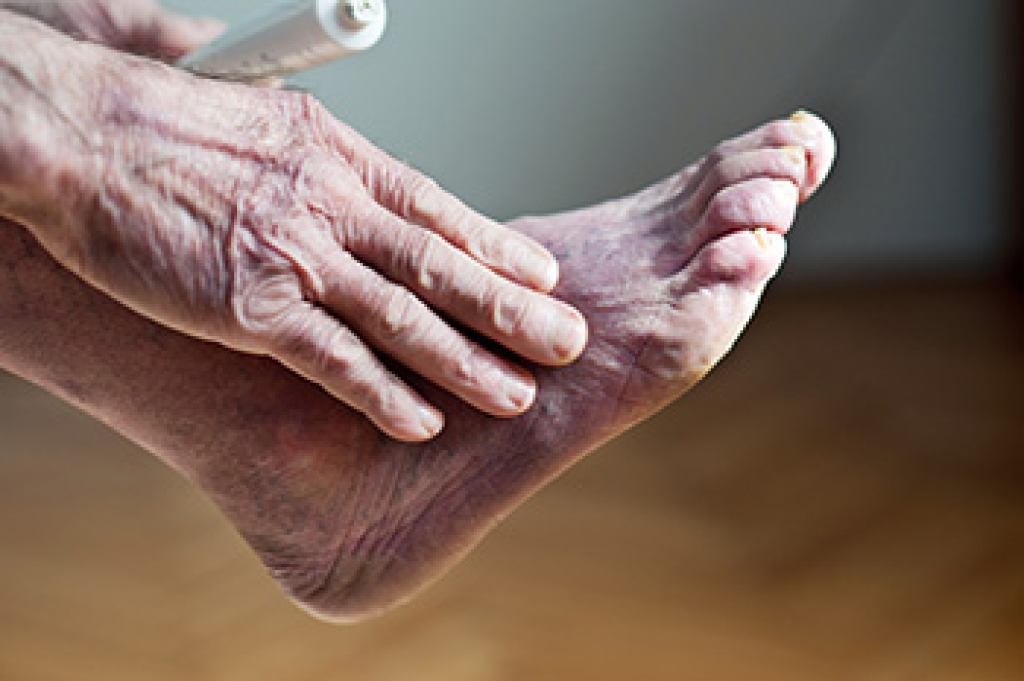
Healthy blood flow delivers oxygen and nutrients throughout the body. Poor circulation develops when blood does not move effectively through the blood vessels. One major cause is narrowing of the arteries from fatty deposits called plaques. When arteries in the legs become narrow, less blood reaches the feet. This problem is called peripheral arterial disease, or PAD. Reduced circulation can make the feet more vulnerable to injury, infection, and ulcers. Cuts and other skin injuries can also heal more slowly when the tissues do not receive enough oxygen and nutrients.

Warning signs can appear in the feet and legs. Painful cramps in the calves can develop with activity and improve with rest. Some patients notice numbness, weakness, or swelling, especially in the feet. The feet and toes can also feel colder than usual. Changes can affect the skin, hair, and toenails because these tissues depend on a steady blood supply. Poor circulation can contribute to brittle nails and slower healing of cuts. Varicose veins can also appear near the feet and ankles when weakened vein valves allow blood and pressure to build up.

A podiatrist can examine the feet for changes linked to poor circulation and assess how well blood is reaching the lower limbs. This evaluation can include checking skin condition, temperature, and pulses in the feet. A podiatrist can also identify wounds or ulcers that are healing slowly and provide appropriate foot care. Regular podiatry visits can help protect vulnerable feet by detecting changes early and reducing the risk of complications. Patients should report persistent cramping, numbness, or unusual temperature changes in their feet. If you have symptoms of poor circulation, it is suggested that you schedule an appointment with a podiatrist for a diagnosis and appropriate treatment and management solutions.

Poor circulation is a serious condition and needs immediate medical attention. If you have any concerns with poor circulation in your feet contact Dr. Michael T. Hames of Florence Foot Center. Our doctor will treat your foot and ankle needs.

Poor Circulation in the Feet

Poor blood circulation in the feet and legs is can be caused by peripheral artery disease (PAD), which is the result of a buildup of plaque in the arteries.

Plaque buildup or atherosclerosis results from excess calcium and cholesterol in the bloodstream. This can restrict the amount of blood which can flow through the arteries. Poor blood circulation in the feet and legs are sometimes caused by inflammation in the blood vessels, known as vasculitis.

Causes

Lack of oxygen and oxygen from poor blood circulation restricts muscle growth and development. It can also cause:

  • Muscle pain, stiffness, or weakness 
  • Numbness or cramping in the legs
  • Skin discoloration
  • Slower nail & hair growth
  • Erectile dysfunction

Those who have diabetes or smoke are at greatest risk for poor circulation, as are those who are over 50. If you have poor circulation in the feet and legs it may be caused by PAD and is important to make changes to your lifestyle in order to reduce risk of getting a heart attack or stroke. Exercise and maintaining a healthy lifestyle will dramatically improve conditions.

As always, see a podiatrist as he or she will assist in finding a regimen that suits you. A podiatrist can also prescribe you any needed medication. 

If you have any questions, please feel free to contact our office located in Florence, Alabama . We offer the newest diagnostic and treatment technologies for all your foot care needs.
Read more about Causes Symptoms and Treatment for Poor Circulation in the Feet

Heel Pain in the Morning?

Heel pain can negatively affect your day-to-day life. Simple activities like walking can become incredibly uncomfortable or painful due to heel pain.

Don’t live with heel pain and get treated.

Why Nurses Develop Foot Pain at Work

Nurses spend much of each shift standing, walking, and moving quickly across hard floors. These demands can place repeated pressure on the feet and ankles, especially during long shifts with limited chances to sit. Pain can develop in the heels, arches, or balls of the feet. Nurses can also experience swelling, muscle fatigue, and sore ankles. Plantar fasciitis, which is irritation of the band of tissue along the bottom of the foot, can cause sharp heel pain. Tendon injuries and stress fractures can also occur when repeated strain exceeds the body’s ability to recover.

Several job-related factors can increase the risk of foot pain in nursing. Long shifts give the feet less time to recover. Hard hospital floors increase the force that travels through the legs. Shoes that lack proper support can add strain, and a narrow toe box can crowd the toes. Poorly-fitting shoes can also cause blisters, corns, or ingrown toenails. Nurses who change how they walk to avoid pain can place added stress on another part of the foot. Persistent discomfort can make it harder to complete rounds, assist patients, and respond quickly.

A podiatrist can identify the source of pain by examining the feet, checking joint movement, and reviewing work demands. X-rays or other imaging tests can help detect fractures or joint damage. Treatment options include custom orthotics to improve support, padding to reduce pressure, or a brace to stabilize an injured area. A podiatrist can also recommend work shoes with proper cushioning, enough toe space, and a secure fit. Guidance about replacing worn shoes can further reduce strain. Early care can keep a minor problem from interfering with mobility or becoming more difficult to treat properly. If you have foot pain from standing for long hours on the job, it is suggested that you schedule an appointment with a podiatrist for a diagnosis and appropriate treatment.

While working on the feet, it is important to take the proper care of them. For more information about working on your feet, contact Dr. Michael T. Hames from Florence Foot Center. Our doctor will treat your foot and ankle needs.

Working on Your Feet

Standing on your feet for long periods of time can cause stress and pain in your feet. Your whole body may experience change in terms of posture, back pain, bunions, callouses and or plantar warts. There are ways to avoid these conditions with proper foot care, smart choices and correct posture.

Positive Changes

Negative heeled shoe – Choosing this shoe type places the heel slightly lower than the ball of the foot. These are great for overall foot health. Find shoes that fit you correctly.

Go barefoot – Our feet were not designed to be enclosed for all hours of the day. Try to periodically expose your feet to air.

Eliminate Pain

Foot Exercises – Performing simple exercises, incorporating yoga and doing stretches are beneficial. This will allow increased blood flow to the area and muscles of the foot.

Achilles tendon – Stretching the foot out flat on the floor will relax the calf muscles and tendon. These exercises can be performed almost anywhere. Make sure you add these exercises to your daily regimen. 

With a little bit of this information and knowing more about foot health, you will notice changes. Foot stretches and proper footwear will help with pain and prevent further issues.

If you have any questions please contact our office located in Florence, Alabama . We offer the newest diagnostic and treatment technologies for all your foot and ankle needs.

Read more about How to Handle a Long Work Day on Your Feet

Connect With Us