Connect With Us
Blog
Items filtered by date: October 2025
Wednesday, 29 October 2025 00:00
Are Bunions Affecting Your Everyday Life?

Have you noticed a bony protrusion on the side of your big toe? If so, you may have developed the foot condition known as a bunion. Don't let bunions interfere with your daily activities.
Tuesday, 28 October 2025 00:00
Symptoms and Risk Factors for Sever’s Disease
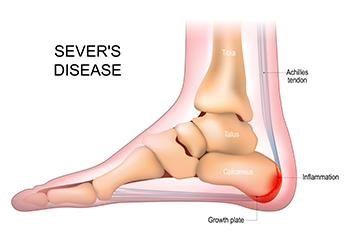
Sever’s disease is a common cause of heel pain in growing children and adolescents. It occurs when the growth plate in the heel becomes inflamed due to repetitive stress, often from running or jumping. Risk factors include rapid growth, tight calf muscles, and participation in high-impact sports. Symptoms include heel pain, swelling, and discomfort during physical activity. A podiatrist can diagnose Sever’s disease, recommend rest, stretching exercises, supportive footwear, and custom orthotics to relieve pain and prevent recurrence. If your child complains of heel pain or limps after activity, it is suggested that you schedule an appointment with a podiatrist for accurate evaluation and appropriate treatment.
Sever's disease often occurs in children and teens. If your child is experiencing foot or ankle pain, see Dr. Michael T. Hames from Florence Foot Center. Our doctor can treat your child’s foot and ankle needs.
Sever’s Disease
Sever’s disease is also known as calcaneal apophysitis, which is a medical condition that causes heel pain I none or both feet. The disease is known to affect children between the ages of 8 and 14.
Sever’s disease occurs when part of the child’s heel known as the growth plate (calcaneal epiphysis) is attached to the Achilles tendon. This area can suffer injury when the muscles and tendons of the growing foot do not keep pace with bone growth. Therefore, the constant pain which one experiences at the back of the heel will make the child unable to put any weight on the heel. The child is then forced to walk on their toes.
Symptoms
Acute pain – Pain associated with Sever’s disease is usually felt in the heel when the child engages in physical activity such as walking, jumping and or running.
Highly active – Children who are very active are among the most susceptible in experiencing Sever’s disease, because of the stress and tension placed on their feet.
If you have any questions, please feel free to contact our office located in Florence, Alabama . We offer the newest diagnostic and treatment technologies for all your foot care needs.
Tuesday, 21 October 2025 00:00
What Is a Foot Stress Fracture?
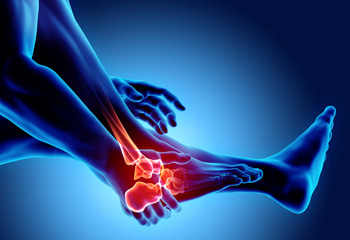
A foot stress fracture is a small crack in the bone caused by repetitive force or overuse rather than a sudden injury. Common causes include high-impact activities, wearing improper footwear, or a sudden increase in physical activity. Symptoms may involve pain that worsens with movement, swelling, and tenderness in the affected area. Risk factors include weak bones, poor conditioning, and inadequate rest. A podiatrist can diagnose a stress fracture through imaging tests and a physical examination, then create a personalized treatment plan to promote healing and prevent further injury. If you have persistent foot pain, it is suggested that you contact a podiatrist who can accurately diagnose and treat what may be going on.
Stress fractures occur when there is a tiny crack within a bone. To learn more, contact Dr. Michael T. Hames from Florence Foot Center. Our doctor can provide the care you need to keep you pain free and on your feet.
How Are They Caused?
Stress fractures are the result of repetitive force being placed on the bone. Since the lower leg and feet often carry most of the body’s weight, stress fractures are likely to occur in these areas. If you rush into a new exercise, you are more likely to develop a stress fracture since you are starting too much, too soon. Pain resulting from stress fractures may go unnoticed at first, however it may start to worsen over time.
Risk Factors
- Gender – They are more commonly found in women compared to men.
- Foot Problems – People with unusual arches in their feet are more likely to develop stress fractures.
- Certain Sports – Dancers, gymnasts, tennis players, runners, and basketball players are more likely to develop stress fractures.
- Lack of Nutrients – A lack of vitamin D and calcium may weaken the bones and make you more prone to stress fractures
- Weak Bones – Osteoporosis can weaken the bones therefore resulting in stress fractures
Stress fractures do not always heal properly, so it is important that you seek help from a podiatrist if you suspect you may have one. Ignoring your stress fracture may cause it to worsen, and you may develop chronic pain as well as additional fractures.
If you have any questions please contact our office located in Florence, Alabama . We offer the newest diagnostic and treatment technologies for all your foot and ankle needs.
Tuesday, 14 October 2025 00:00
Choosing the Right Shoes for Marathon Running

Finding the right shoes for marathon running is essential for comfort, performance, and injury prevention. Shoes should provide enough length to allow natural toe movement, proper width to avoid pressure, and a secure heel fit that prevents slipping. The overall feel should support your stride without causing rubbing or tightness. Wearing the wrong shoes can lead to blisters, calluses, plantar fasciitis, or even stress fractures, over time. A podiatrist can assess your foot structure, gait and any existing conditions, as well as recommend footwear that match your needs. If you are training for a marathon, it is suggested that you consult a podiatrist to ensure you have the right support for your feet and reduce your risk of painful setbacks.
You should always make sure your running shoes fit properly in order to avoid injury. For more information, contact Dr. Michael T. Hames from Florence Foot Center. Our doctor can provide the care you need to keep you pain-free and on your feet.
Choosing the Right Running Shoe for Your Foot Type
Improper shoe sizing can cause a myriad of problems for your feet. Shoes that don’t fit you properly can lead to muscular imbalances in your body, which can result in foot, knee, and hip injuries.
Tips for Finding the Right Running Shoe
- Make sure you have a thumb’s width of wiggle room between the end of your longest toe and the front of the shoe.
- There should be little to no slipping at the heel
- Don’t assume your size in one shoe brand will be your size in another
- Do not lace up your shoes too tightly
- Walk around in the store with your new shoes before you buy them
If you have any questions, please feel free to contact our office located in Florence, Alabama . We offer the newest diagnostic and treatment technologies for all your foot care needs.
Tuesday, 07 October 2025 00:00
Reasons for Nighttime Foot Pain
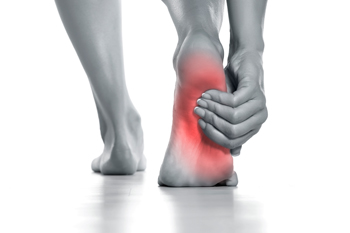
Foot pain may affect the toes, arches, heels, or ankles, and it often becomes more noticeable at night, when the body is at rest. Muscle fatigue from standing or walking for long periods of time, can cause cramps that worsen during sleep. Plantar fasciitis, an inflammation of the tissue that supports the arch, may lead to sharp or throbbing heel pain that persists into the night. Nerve conditions such as Morton’s neuroma or peripheral neuropathy can create burning, tingling, or stabbing pain that interrupts sleep. Circulation problems related to diabetes may also produce aching or cramping when blood flow to the feet is reduced. In some cases, sciatica can cause pain that radiates down into the feet, making nighttime discomfort worse. A podiatrist can determine the source of the foot pain and provide treatment to relieve symptoms and protect long-term foot health. If you frequently experience nighttime foot pain, it is suggested that you schedule an appointment with a podiatrist for an exam and appropriate treatment solutions.
Foot Pain
Foot pain can be extremely painful and debilitating. If you have a foot pain, consult with Dr. Michael T. Hames from Florence Foot Center. Our doctor will assess your condition and provide you with quality foot and ankle treatment.
Causes
Foot pain is a very broad condition that could be caused by one or more ailments. The most common include:
- Bunions
- Hammertoes
- Plantar Fasciitis
- Bone Spurs
- Corns
- Tarsal Tunnel Syndrome
- Ingrown Toenails
- Arthritis (such as Gout, Rheumatoid, and Osteoarthritis)
- Flat Feet
- Injury (from stress fractures, broken toe, foot, ankle, Achilles tendon ruptures, and sprains)
- And more
Diagnosis
To figure out the cause of foot pain, podiatrists utilize several different methods. This can range from simple visual inspections and sensation tests to X-rays and MRI scans. Prior medical history, family medical history, and any recent physical traumatic events will all be taken into consideration for a proper diagnosis.
Treatment
Treatment depends upon the cause of the foot pain. Whether it is resting, staying off the foot, or having surgery; podiatrists have a number of treatment options available for foot pain.
If you have any questions, please feel free to contact our office located in Florence, Alabama . We offer the newest diagnostic and treatment technologies for all your foot care needs.
Blog Archives
- December 2025
- November 2025
- October 2025
- September 2025
- August 2025
- July 2025
- June 2025
- May 2025
- April 2025
- March 2025
- February 2025
- January 2025
- December 2024
- November 2024
- October 2024
- September 2024
- August 2024
- July 2024
- June 2024
- May 2024
- April 2024
- March 2024
- February 2024
- January 2024
- December 2023
- November 2023
- October 2023
- September 2023
- August 2023
- July 2023
- June 2023
- May 2023
- April 2023
- March 2023
- February 2023
- January 2023
- December 2022
- November 2022
- October 2022
- September 2022
- August 2022
- July 2022
- June 2022
- May 2022
- April 2022
- March 2022
- February 2022
- January 2022
- December 2021
- November 2021
- October 2021
- September 2021
- August 2021
- July 2021
- June 2021
- May 2021
- April 2021
- March 2021
- April 2020
- March 2020
- February 2020
- January 2020
- December 2019
- November 2019
- October 2019
- September 2019
- August 2019
- July 2019
- June 2019
- May 2019
- April 2019
- March 2019
- February 2019
- January 2019
- December 2018
- November 2018
- October 2018
- September 2018
- August 2018
- July 2018
- June 2018
- May 2018
- April 2018
- March 2018
- February 2018
- January 2018
- December 2017
- November 2017
- October 2017
- September 2017
